Are you tired of the constant buzzing and whirring of your pool pump? Looking for a solution to enjoy a peaceful poolside experience? Look no further! In this article, we will explore effective techniques and strategies for reducing pool pump noise. Say goodbye to the annoying racket and hello to a serene pool oasis. So, grab a refreshing beverage, sit back, and let us show you how to silence that pool pump once and for all.
Choosing the right pool pump
Consider the noise level of the pump
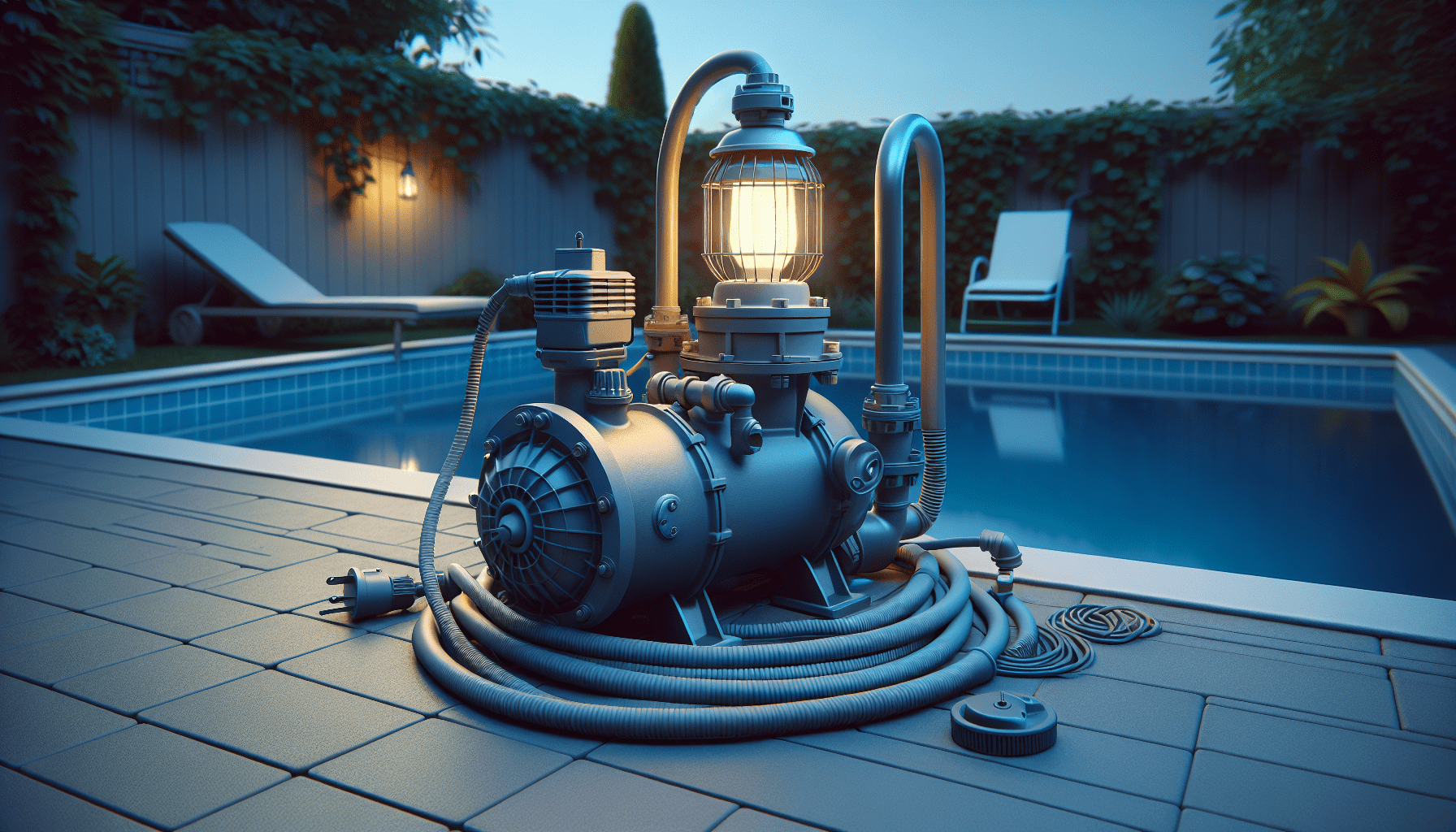
When choosing a pool pump, one of the most important factors to consider is the noise level. No one wants a pump that is constantly buzzing or humming loudly, especially if the pool is located near living spaces or if you enjoy spending quiet time by the pool. Look for pumps that are specifically designed to operate quietly. Many manufacturers now offer pumps with noise-reduction technology, so you can enjoy a peaceful environment while still keeping your pool clean and well-maintained.
Look for a high-quality pump
Investing in a high-quality pump is essential for both efficient operation and noise reduction. Cheaper pumps often have inferior quality components and may produce more noise due to vibrations or poor design. On the other hand, a high-quality pump will not only run smoothly but also minimize any irritating noise. Consider purchasing a pump from a reputable brand that prioritizes noise reduction in their products. This way, you can ensure that your pool pump is reliable, durable, and won’t disturb the serene ambiance of your outdoor space.
Select the appropriate pump size
Choosing the right pump size is crucial for maintaining an optimal balance between performance and noise reduction. A pump that is too large for your pool can be unnecessarily loud and consume more energy than necessary. On the other hand, a pump that is too small may not be able to effectively circulate the water, leading to potential issues with water quality. Take into account the size of your pool, its volume, and any additional features such as waterfalls or fountains. Consulting with a pool professional can help you determine the appropriate pump size for your specific needs, ensuring efficient operation and minimal noise.
Installing the pool pump properly
Ensure proper placement of the pump
Proper placement of the pool pump is essential for noise reduction. Place the pump on a flat, level surface and ensure that it is securely mounted. Avoid placing it directly on the ground or on an unstable platform, as this can cause vibrations and contribute to increased noise levels. Additionally, consider locating the pump as far away from living areas as possible to minimize the impact of any residual noise.
Use anti-vibration pads
To further reduce vibrations and noise produced by the pump, consider using anti-vibration pads during installation. These pads absorb vibrations and can help isolate the pump from the surface it rests on. Anti-vibration pads are typically made of rubber or other sound-absorbing materials. By using them, you can minimize the transfer of vibrations and reduce the overall noise generated by the pump.
Check for loose parts or connections
Before finalizing the installation of your pool pump, thoroughly check for any loose parts or connections that could contribute to excessive noise. Tighten all screws, bolts, and fittings to ensure everything is secure. Keep an eye out for any loose or rattling components that could be creating additional noise. By ensuring a tight and secure installation, you can minimize the chances of noisy disruptions and ensure a quieter pool pump operation.
Maintaining and cleaning the pool pump
Regularly clean the pump and its components
Regular cleaning of the pool pump and its components is an essential part of noise reduction and overall pump maintenance. Over time, leaves, debris, and other particles can accumulate in the pump, leading to decreased efficiency and increased noise levels. Follow the manufacturer’s instructions for cleaning and maintenance, and establish a routine for regularly inspecting and cleaning the pump. By keeping the pump and its components clean, you can ensure optimal performance and reduce the likelihood of excessive noise.
Check for debris or clogs in the pump basket
The pump basket is designed to catch larger debris and prevent it from entering the pump. However, it is important to periodically check the pump basket for debris or clogs that may be affecting the pump’s performance and contributing to noise. Remove any debris or obstructions, and clean the basket thoroughly to maintain efficient operation and minimize noise generation.
Inspect and replace worn-out parts
Regularly inspecting the pump for worn-out or damaged parts is essential for noise reduction and overall pump longevity. Over time, parts may become worn or loose, leading to increased noise levels and potential issues with the pump’s performance. Stay vigilant and replace any worn-out or damaged parts promptly to maintain a quiet and efficient pool pump.
Implementing noise-reducing accessories
Install a pump noise reduction cover
One effective way to reduce pool pump noise is by installing a pump noise reduction cover. These covers are specifically designed to enclose the pump and minimize noise transmission. They are typically made of materials that absorb sound and dampen vibrations. Pump noise reduction covers are available in various sizes to fit different pump models and can significantly reduce noise levels while ensuring proper ventilation for heat dissipation.
Use a soundproofing enclosure
For additional noise reduction, consider using a soundproofing enclosure specifically designed for pool pumps. These enclosures are made of materials that not only absorb sound but also provide insulation to further minimize noise transmission. Soundproofing enclosures come in different sizes and designs, allowing you to choose one that suits your pump’s dimensions and specific noise reduction needs. By enclosing the pump in a soundproofing enclosure, you can create a quieter pool environment and enjoy a more peaceful outdoor experience.
Consider a variable-speed pump
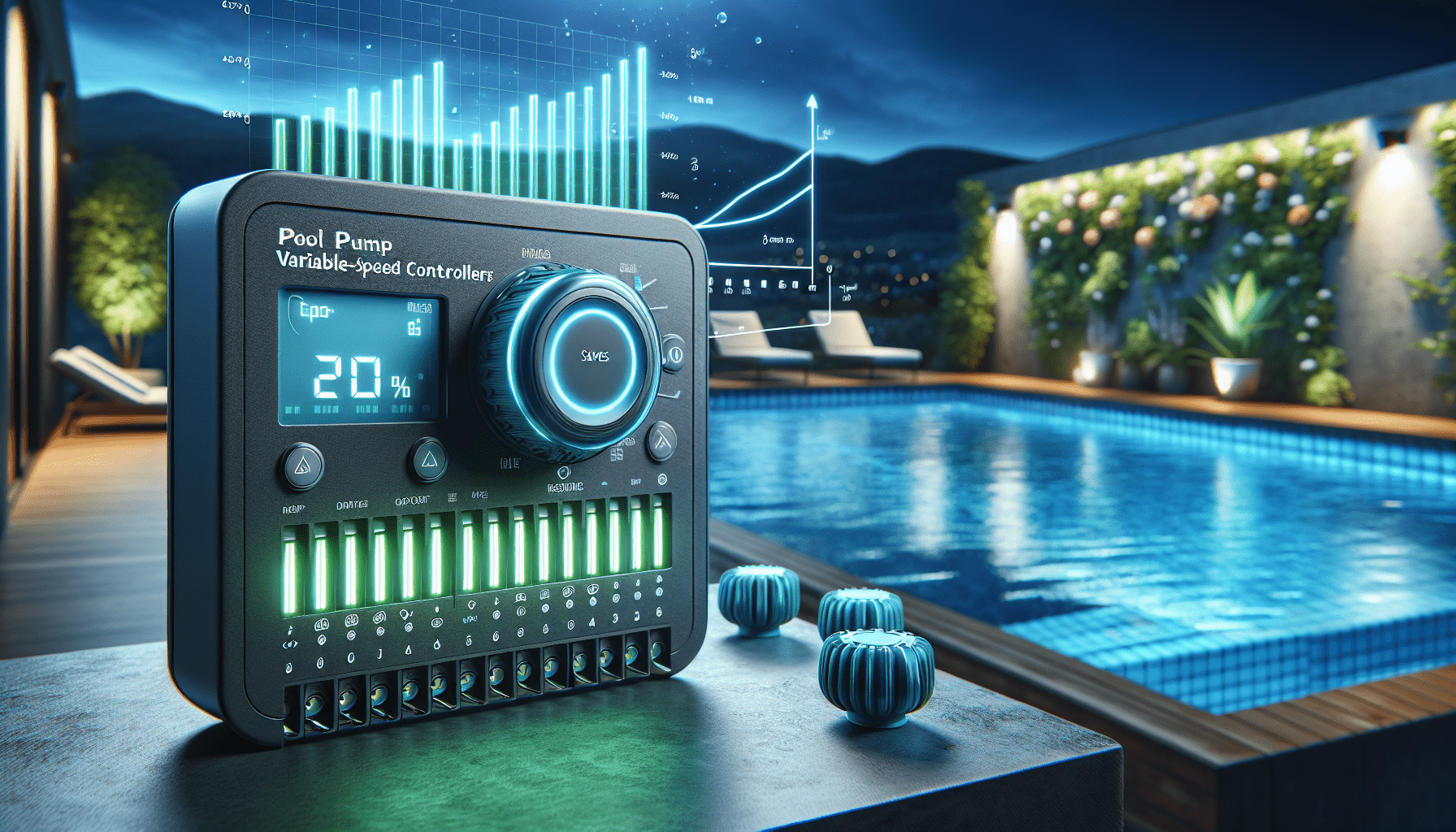
Variable-speed pumps are known for their efficiency and noise reduction capabilities. Unlike traditional single-speed pumps, which often run at a constant high speed, variable-speed pumps offer the flexibility to adjust the motor speed according to your pool’s needs. By running the pump at a lower speed, you can significantly reduce noise levels while still maintaining proper water circulation and filtration. Additionally, variable-speed pumps are generally more energy-efficient, which can lead to long-term cost savings.
Addressing common noise sources
Check for air leaks in the pump system
Air leaks in the pump system can contribute to increased noise levels. Check all connections, valves, and seals for any signs of air leaks. Replace any faulty parts or repair any damaged seals to eliminate air leaks and reduce noise. By ensuring a tight and sealed pump system, you can effectively minimize noise caused by air escaping from the system.
Inspect and replace noisy bearings
Noisy bearings can be a significant source of pump noise. Over time, bearings may wear out or become damaged, resulting in an increase in noise levels. Regularly inspect the bearings for any signs of wear or damage. If you notice excessive noise coming from the bearings, it may be necessary to replace them with new ones. By maintaining well-functioning and properly lubricated bearings, you can significantly reduce noise and ensure smooth pump operation.
Tighten loose belts or pulleys
Loose belts or pulleys can cause rattling and contribute to an overall increase in pump noise. If you detect any looseness or play in the belts or pulleys, tighten them as necessary. Ensure that they are properly aligned and tensioned to minimize noise. Regularly inspecting and tightening belts and pulleys can help maintain a quiet and efficient pump.
Utilizing soundproofing materials and techniques
Apply acoustic foam or insulation to the pump housing
To further reduce noise levels, consider applying acoustic foam or insulation to the pump housing. These materials are specifically designed to absorb sound and dampen vibrations. By lining the interior of the pump housing with acoustic foam or insulation, you can minimize noise transmission and create a quieter pump operation.
Use sound-damping materials for pipes and fittings
In addition to the pump itself, the pipes and fittings connected to the pump can also contribute to noise transmission. To address this, consider using sound-damping materials such as foam or rubber sleeves to wrap around the pipes. These materials absorb sound and reduce vibrations, minimizing noise propagation. By using sound-damping materials for pipes and fittings, you can further enhance noise reduction efforts.
Ensure proper ventilation for heat dissipation
While soundproofing is important for noise reduction, it’s crucial to also ensure proper ventilation for heat dissipation. Pool pumps generate heat during operation, and inadequate ventilation can lead to overheating and potential damage to the pump. Therefore, when implementing soundproofing materials or techniques, make sure to allow for proper airflow and ventilation to prevent overheating while maintaining a quieter pump operation.
Monitoring and troubleshooting noise issues
Keep track of pump noise levels during operation
Regularly monitoring the noise levels of your pool pump during operation can help you identify any potential issues and take necessary action. Keep a record of the noise levels on different settings or speeds. Any unusual increase in noise levels may indicate a problem that requires attention. By staying vigilant and aware of the noise produced by your pump, you can address any issues promptly and maintain a quieter pool environment.
Identify potential sources of excessive noise
If your pool pump is still producing excessive noise despite implementing noise reduction measures, it’s important to identify the potential sources of the problem. Inspect the pump and its components for any loose parts, damaged seals, or malfunctioning equipment. Additionally, check for any external factors that may contribute to noise, such as nearby motors or equipment. By systematically troubleshooting and identifying the root cause of excessive noise, you can take the necessary steps to address and alleviate the issue.
Consult a professional for specialized assistance
If you are unable to resolve the noise issues with your pool pump or if you require additional expertise, it’s advisable to consult a professional pool technician or contractor. They can assess your pool pump system, identify any underlying problems, and provide specialized assistance in resolving noise-related issues. Professional guidance can ensure that you make informed decisions and implement effective solutions to achieve a quieter and more enjoyable pool experience.
Considering alternative pump types
Explore the option of a solar-powered pool pump
Solar-powered pool pumps have gained popularity due to their energy efficiency and minimal noise production. These pumps use solar panels to convert sunlight into electricity, eliminating the need for traditional electrical power sources. Solar-powered pumps operate quietly, reducing noise levels and minimizing environmental impact. While the initial cost may be higher than traditional pumps, the long-term benefits in terms of energy savings and noise reduction make them a desirable alternative worth considering.
Investigate the use of a magnetic drive pump
Magnetic drive pumps, also known as mag-drive pumps, are another alternative worth considering. These pumps use a magnetic field to create the rotational motion, eliminating the need for a traditional shaft and mechanical seals. The absence of seals reduces noise levels and potential sources of vibrations. Magnetic drive pumps are generally more energy-efficient and require less maintenance. Investing in a mag-drive pump can result in a quieter and more environmentally friendly pool pump operation.
Evaluate the advantages of a submersible pump
Submersible pumps are designed to be fully submerged in the water, offering a quieter pool pump option. The water surrounding the pump acts as a natural sound barrier, minimizing noise transmission. Submersible pumps are typically installed in a dedicated pump pit below the water surface or within the pool itself. They are commonly used for small to medium-sized pools and can be an excellent choice for those seeking a quieter pool pump solution.
Incorporating landscaping for noise reduction
Plant trees or shrubs as natural sound barriers
Landscaping can play a significant role in noise reduction around your pool area. Planting trees or shrubs strategically can create natural sound barriers that absorb and block noise from reaching your pool or neighboring properties. Choose dense foliage and evergreen varieties for year-round noise reduction. Additionally, consider planting trees or shrubs closer to the pump area to provide an additional layer of sound insulation and create a more visually appealing pool environment.
Use wall or fence panels to minimize noise reflection
To further reduce noise reflection and transmission, consider using wall or fence panels around your pool area. Solid and dense materials such as wood, concrete, or vinyl can effectively block noise and prevent it from bouncing off surfaces. Install panels around the perimeter of the pool or strategically around the pump area to minimize noise propagation. By incorporating wall or fence panels into your pool design, you can create a more peaceful and private pool oasis.
Create a water feature to mask the pump noise
Water features, such as fountains, waterfalls, or cascading streams, can help mask the noise generated by the pool pump. The sound of flowing water can be soothing and effectively drown out any residual pump noise. Consider incorporating a water feature near the pump area to divert attention from the noise and create a more relaxing atmosphere. With the tranquil sounds of water, your pool area will become a serene retreat that overpowers any potential pump noise.
Community guidelines and noise regulations
Check local noise regulations and guidelines
It’s important to be aware of any local noise regulations and guidelines that may apply to your pool pump. Different regions or homeowner’s associations may have specific rules regarding noise levels and operational hours. Familiarize yourself with these regulations to ensure compliance and maintain good relations with your neighbors. By being considerate and respectful of noise regulations, you can enjoy a peaceful pool experience while also being a responsible member of your community.
Consider neighbor-friendly pump operation schedules
To further minimize any potential nuisance caused by your pool pump, consider adjusting the pump’s operational schedule to align with neighbor-friendly hours. For example, if your pool pump is particularly noisy, it may be best to limit its operation to daytime hours when your neighbors are less likely to be disturbed. By being mindful of when and how long the pump operates, you can mitigate noise-related issues and foster a positive relationship with your neighbors.
Discuss noise concerns with neighbors or homeowner’s associations
Open communication is key to addressing noise concerns with your neighbors or homeowner’s associations. If you receive complaints or have concerns about the noise generated by your pool pump, consider discussing the matter with those affected. Engage in constructive dialogue to find mutually beneficial solutions. By openly communicating and addressing noise concerns, you can work together to find resolutions and ensure a harmonious living environment for everyone involved.
In conclusion, choosing the right pool pump, installing it properly, and maintaining it effectively are key steps in reducing noise levels and creating a more peaceful pool environment. By considering factors such as noise level, pump quality, and size, you can select a pump that minimizes noise while efficiently circulating the water. Proper installation, including placement, vibration pads, and tightening of connections, can further reduce noise transmission. Regular maintenance, cleaning, and inspection of the pump and its components are essential for noise reduction and efficient operation. Implementing noise-reducing accessories, such as covers, enclosures, or variable-speed pumps, can significantly reduce noise levels. Addressing common noise sources and utilizing soundproofing materials and techniques can further enhance noise reduction efforts. Monitoring and troubleshooting noise issues, considering alternative pump types, incorporating landscaping for noise reduction, and complying with community guidelines and noise regulations are important aspects of creating a quieter pool environment. With the right approach and consideration, you can enjoy a peaceful and relaxing pool experience without being disturbed by excessive pump noise.