So you’ve been enjoying your pool all summer long, but lately, you’ve noticed that something seems off with your pool pump. It’s not working as efficiently as it used to, and you’re wondering if it might be time to replace it. In this article, we’ll explore the telltale signs that indicate when it’s time to bid farewell to your trusty pool pump and invest in a new one. From strange noises to poor circulation, we’ll guide you on how to assess the state of your pool pump and make an informed decision.

Visual Inspection
Checking for Cracks
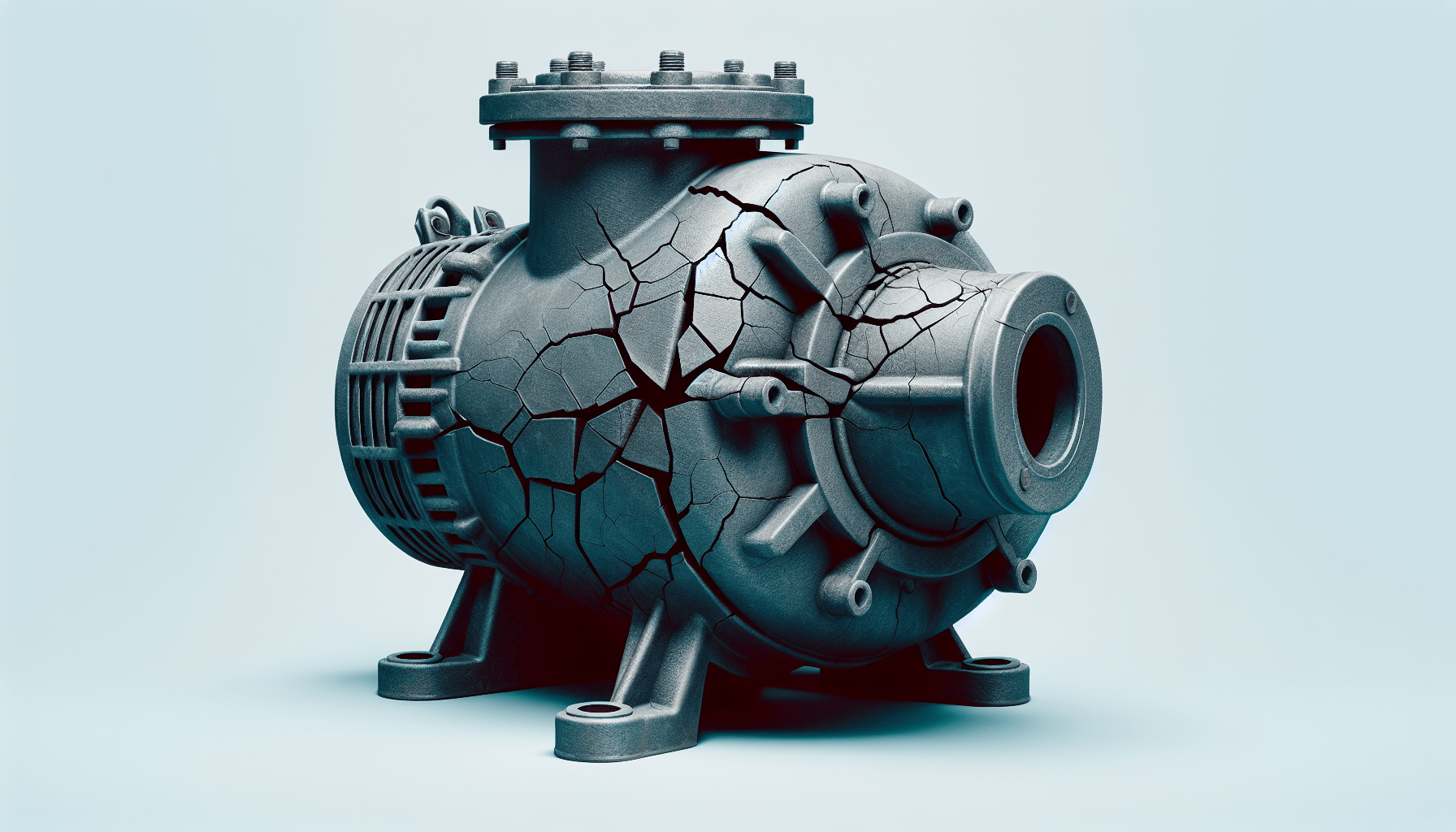
When performing a visual inspection of your pool pump, one of the first things you should look for are cracks in the housing. Cracks can occur due to age, excessive pressure, or freezing temperatures. Cracked housing can lead to leaks and ultimately affect the performance of your pump. Inspect all sides of the pump carefully, including the lid and any fittings or connections.
Inspecting for Leaks
Another important aspect of a visual inspection is checking for any signs of leaks. Leaks can occur in various parts of the pump, such as the seals, gaskets, or connections. Look for any water puddles or damp areas around the pump and check for any drips or water stains. Addressing leaks promptly is crucial to prevent further damage to your pump and to ensure optimal performance.
Examining the Motor
The motor is the heart of your pool pump, so it’s essential to carefully examine it during your visual inspection. Look for any signs of damage, such as cracks, rust, or corrosion, as well as loose or frayed wires. Pay attention to any unusual sounds coming from the motor as well, as this could indicate internal issues. If you notice any problems, it may be time to consider replacing your pool pump motor.
Assessing the Impeller
The impeller is responsible for drawing water into the pump and pushing it through the filtration system. Over time, the impeller can become clogged with debris or worn out, affecting its ability to move water effectively. During your visual inspection, take a close look at the impeller for any signs of damage or excessive wear. If the impeller is worn or damaged, it may be necessary to replace the entire pump or just the impeller.
Inspecting the Seals and Gaskets
Seals and gaskets play a crucial role in maintaining a watertight seal in your pool pump. Over time, these components can deteriorate or become damaged, leading to leaks and reduced pump performance. During your visual inspection, carefully examine the seals and gaskets for any signs of wear, cracks, or dryness. If you notice any issues, it’s important to replace them promptly to prevent further damage and ensure proper pump operation.
Strange Noises
Identifying Unusual Sounds
If you start hearing strange noises coming from your pool pump, it’s a clear indication that something isn’t right. Unusual sounds can be a sign of various issues, such as worn-out bearings, loose parts, or debris stuck in the impeller. Pay attention to any knocking, grinding, or rattling noises and try to pinpoint their source. Identifying the cause of the sound can help determine whether a repair or replacement is necessary.
Rattling or Grinding Noises
Rattling or grinding noises are often associated with loose or damaged parts within the pump. Loose bolts or screws can create a rattling sound, while grinding noises may indicate worn-out bearings or a damaged impeller. If you notice these sounds, it’s advisable to turn off the pump and call a professional for further inspection. Continuing to run the pump with these issues can lead to further damage and potentially more costly repairs.
Squeaking or Whining Sounds
Squeaking or whining sounds can indicate problems with the motor or the impeller. These sounds may be a result of insufficient lubrication or worn-out bearings. If left unaddressed, these issues can cause more significant damage to the pump and potentially lead to a complete motor failure. If you hear squeaking or whining sounds, it’s best to contact a pool technician to diagnose and resolve the issue before it escalates.

Lack of Pressure or Flow
Low Pressure in the Pool
If you notice a significant decrease in water pressure in your pool, it could be a sign that your pump is struggling to maintain adequate flow. Low pressure can be caused by a variety of factors, including clogged or dirty filters, a malfunctioning pump motor, or even a leak in the system. Start by checking and cleaning the filters to ensure they are not the source of the problem. If the pressure issue persists, it may be time to consider replacing your pool pump.
Weak or Inconsistent Flow
Weak or inconsistent flow can be another indicator that your pool pump is not functioning properly. If you notice that the water flow in your pool is weaker than usual or is not consistent, there may be an issue with the pump’s impeller, motor, or even the size of the pump itself. Ensuring that the impeller is clean and in good condition is a good first step in troubleshooting the problem. If the issue persists, it’s recommended to consult a pool technician for further evaluation.
Inefficient Performance
Increased Energy Consumption
If you’ve noticed a sudden increase in your energy bills, it could be due to an inefficient pool pump. As pumps age, their efficiency can decrease, resulting in higher energy consumption. Older models or pumps that are no longer functioning optimally may require more electricity to perform the same tasks, leading to increased energy costs. If you suspect that your pool pump is contributing to higher energy bills, it may be worth considering a replacement to a more energy-efficient model.
Slow Water Circulation
Inefficient water circulation is another indicator that your pool pump may need to be replaced. Slow water circulation can lead to problems such as algae buildup, uneven water temperature, and poor distribution of pool chemicals. If you notice that certain areas of your pool are not getting proper circulation or that the water is stagnant in some areas, it’s likely time to replace your pool pump. Upgrading to a more powerful and efficient pump will help improve water circulation, leading to a healthier and cleaner pool.
Inadequate Filtration
As your pool pump ages, its ability to effectively filter out debris and impurities can decrease. Inadequate filtration can lead to cloudy water, algae growth, and an increased risk of waterborne illnesses. If you find that your pool water is consistently unclean or that you’re having to rely heavily on manual cleaning methods, it may be a sign that your pump is no longer performing as it should. Consider replacing your pool pump to ensure proper filtration and a safer swimming environment.

Frequent Tripping of Circuit Breaker
Circuit Overload
If your pool pump frequently trips the circuit breaker, it’s a clear indication that there is an issue with the electrical system. Overloading the circuit can be caused by several factors, including a faulty pump motor, improper wiring, or an undersized breaker. It’s important not to ignore this problem, as continued tripping of the breaker can damage the electrical components of your pump and other equipment. A pool technician can help identify and resolve the issue to prevent further electrical problems.
Electrical Issues
Electrical issues can range from faulty wiring to a malfunctioning motor. If you suspect an electrical problem with your pool pump, it’s crucial to seek professional assistance. Attempting to resolve electrical issues without the necessary knowledge and expertise can be dangerous. A qualified pool technician will be able to assess the electrical components of your pump and determine if a replacement is necessary or if repairs can be made to resolve the issue.
Age of the Pump
Determining the Pump’s Lifespan
The lifespan of a pool pump can vary depending on several factors, including the quality of the pump, how well it has been maintained, and the average usage. On average, a pool pump can last anywhere from eight to fifteen years. However, as the pump ages, its efficiency and performance may decline. If your pump is approaching or surpassing its expected lifespan, it may be time to consider replacing it, especially if it’s exhibiting other signs of wear and tear.
Consideration of Manufacturer’s Recommendations
Manufacturers typically provide recommendations regarding the lifespan of their pumps and when they should be replaced. Pay close attention to the manufacturer’s guidelines and recommendations. Following these guidelines can help prevent costly repairs or potential pump failures. If your pool pump is reaching the end of its recommended lifespan, it’s advisable to start researching and considering replacement options to ensure your pool stays in good condition.
Constant Repairs
Recurring Maintenance Issues
If you find yourself constantly dealing with maintenance and repair issues on your pool pump, it could be a sign that it’s time for a replacement. While occasional maintenance and repairs are normal, frequent or recurring issues may indicate that your pump is nearing the end of its useful life. Constant repairs can also be financially burdensome, so replacing the pump may be a more cost-effective solution in the long run.
High Repair Costs
Repair costs can quickly add up, especially if your pool pump requires significant and frequent repairs. As a pump ages, the likelihood of more significant issues arising increases. Depending on the cost of repairs and the age of the pump, it may be more practical and cost-effective to invest in a new pump instead. Before making a decision, consult with a pool technician to determine whether the repairs are worth the expense or if a replacement is the more viable option.
Rusty or Corroded Parts
Rusted Housing or Motor
Rust is a clear sign that water has penetrated the metal surfaces of your pool pump. Rust can weaken the housing or motor and potentially lead to leaks or even motor failure. During your visual inspection, check for any signs of rust on the pump’s surfaces, such as the housing or motor. If you notice significant rust, it’s a strong indication that your pump needs to be replaced to prevent further damage and ensure safe operation.
Corroded Bolts or Connections
Corroded bolts or connections can compromise the integrity of your pool pump and lead to leaks or malfunctions. Corrosion can occur over time, particularly in areas with high humidity or exposure to pool chemicals. During your visual inspection, carefully examine the bolts and connections for any signs of corrosion. If you notice extensive corrosion, it’s advisable to replace the affected parts or, in some cases, consider replacing the entire pump to ensure reliable operation.
Increased Energy Bills
Higher Electricity Usage
If you’ve noticed a significant increase in your electricity bills, your pool pump’s energy efficiency may be to blame. Older or malfunctioning pumps can consume more electricity to operate, leading to higher energy costs. Upgrading to a more energy-efficient pump can help reduce your energy consumption and lower your bills in the long run. While there is an upfront cost to replace the pump, the energy savings over time can make it a worthwhile investment.
Inefficient Operation
An inefficiently operating pool pump can also contribute to higher energy bills. If the pump isn’t effectively pushing water through the filtration system or maintaining proper water circulation, it may be running longer than necessary. This increased operation time results in higher energy usage. If you suspect your pump is no longer operating efficiently, it may be time to replace it with a more modern and energy-efficient model.
Professional Evaluation
Seeking Expert Advice
If you’ve noticed any of the signs mentioned above or if you’re unsure about the condition of your pool pump, it’s always a good idea to seek professional advice. A pool technician can thoroughly inspect your pump, identify any issues, and provide recommendations on whether a repair or replacement is necessary. Their expertise and experience can help ensure the proper functioning of your pool pump and prevent further damage or costly mistakes.
Consulting a Pool Technician
When it comes to your pool pump, it’s important not to underestimate the value of a professional’s opinion. Consulting a pool technician allows you to benefit from their expertise and experience, ensuring the best course of action for your specific situation. Whether it’s diagnosing a strange noise, assessing the condition of your pump, or providing recommendations for a replacement, a pool technician will help you make informed decisions and keep your pool in optimal condition.