
Hey there! If you’re in need of a quick rundown on the different types of pool pumps, you’ve come to the right place. In this article, we’ll explore the various options you have when it comes to choosing a pool pump to keep your swimming oasis sparkling clean and inviting. From single-speed to variable-speed pumps, we’ll break down each type and highlight their unique features and benefits. So, let’s dive in and discover which pool pump will suit your needs best!

Single-Speed Pool Pumps
Description
Single-speed pool pumps are the most basic and traditional type of pool pump available on the market. As the name suggests, these pumps operate at a single speed, which is usually the highest speed setting. They are designed to circulate water through the pool at a constant rate, regardless of the specific requirements of the pool.
Advantages
The main advantage of single-speed pool pumps is their simplicity. These pumps tend to be more affordable and easier to install and maintain compared to other types of pool pumps. They are also generally more durable and less prone to breakdowns, as they have fewer moving parts.
Disadvantages
However, single-speed pool pumps also come with some disadvantages. One major drawback is their energy inefficiency. Since they run at a constant speed, they consume a significant amount of electricity, even when the pool doesn’t require it. This can lead to higher energy bills and contribute to unnecessary energy consumption.
Dual-Speed Pool Pumps
Description
Dual-speed pool pumps, as the name implies, offer the flexibility of two speed settings: high and low. These pumps can be manually adjusted to run at either speed, allowing for better customization of water circulation in the pool.
Advantages
The primary advantage of dual-speed pool pumps is their ability to save energy compared to single-speed pumps. By running the pump at a low speed when less water circulation is needed, you can significantly reduce energy consumption and lower your pool’s operating costs. These pumps are also generally quieter when operating at the low speed setting.
Disadvantages
While dual-speed pool pumps provide a more energy-efficient option than single-speed pumps, they still fall short of some newer pump technologies in terms of energy savings. Additionally, manually adjusting the speed settings on a regular basis can be inconvenient and time-consuming for some pool owners.

Variable-Speed Pool Pumps
Description
Variable-speed pool pumps are the most advanced and energy-efficient option available today. These pumps allow you to adjust the speed to an exact flow rate, providing precise control over the water circulation in your pool.
Advantages
The advantages of variable-speed pool pumps are numerous. Firstly, they offer significant energy savings compared to both single-speed and dual-speed pumps. By utilizing efficient motors and variable speed settings, these pumps can adapt to the specific needs of your pool, reducing energy consumption and lowering operating costs. They also tend to run more quietly and generate less heat.
Disadvantages
One main disadvantage of variable-speed pool pumps is their higher upfront cost. These pumps are more expensive to purchase compared to single-speed and dual-speed pumps. Additionally, variable-speed pumps may require professional installation and programming to optimize their performance, adding to the initial investment.
Above-Ground Pool Pumps
Description
Above-ground pool pumps are specifically designed for use with above-ground pools. These pumps are typically smaller in size and more compact than in-ground pool pumps, making them suitable for the smaller water volume in above-ground pools.
Advantages
The main advantage of above-ground pool pumps is their compatibility with above-ground pools. They are designed to meet the specific needs of these pools, delivering sufficient water circulation and filtration. These pumps are also generally more affordable and easier to install compared to in-ground pool pumps.
Disadvantages
However, above-ground pool pumps are not suitable for use with in-ground pools due to their limited power and capacity. They may lack the necessary flow rate and pressure to adequately circulate water in larger and deeper in-ground pools.

In-Ground Pool Pumps
Description
In-ground pool pumps are specifically designed for use with in-ground pools. These pumps are typically larger and more powerful compared to above-ground pool pumps, as they need to handle the greater water volume in these pools.
Advantages
The primary advantage of in-ground pool pumps is their ability to effectively circulate water in larger and deeper pools. With their higher flow rate and pressure, these pumps can ensure adequate water circulation and filtration for optimal pool maintenance. They also tend to have more durable construction, designed to withstand the demands of in-ground pool installations.
Disadvantages
The main disadvantage of in-ground pool pumps is their higher cost compared to above-ground pool pumps. These pumps are typically more expensive due to their larger size and more powerful performance. They may also require professional installation to ensure proper operation and optimum performance.
Self-Priming Pool Pumps
Description
Self-priming pool pumps are designed to eliminate the need for manual priming, which is the process of removing air from the pump and water lines to ensure proper water flow. These pumps automatically prime themselves, making installation and operation easier.
Advantages
The main advantage of self-priming pool pumps is their convenience. With these pumps, you don’t have to go through the hassle of manually priming the pump every time it is turned on or after maintenance. Self-priming pumps can save time and effort, especially for pool owners who prefer to handle the maintenance tasks themselves.
Disadvantages
Self-priming pool pumps may have a slightly higher upfront cost compared to non-self-priming pumps. They also require regular maintenance to ensure that the self-priming feature continues to function properly. Failure to maintain the pump may result in a loss of self-priming capability and the need for manual priming.
Pool Heat Pumps
Description
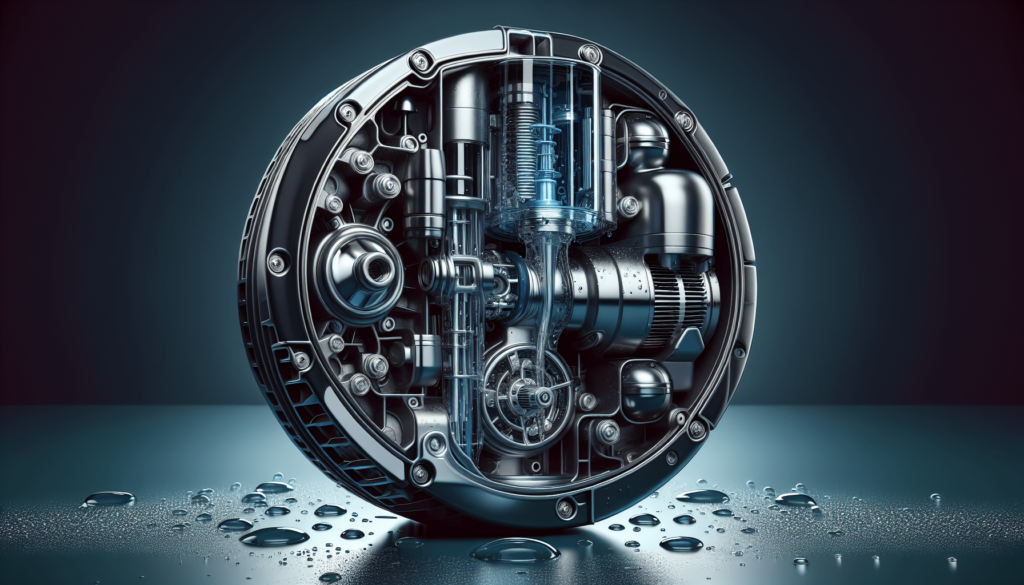
Pool heat pumps are specifically designed to heat the water in your pool. These pumps work by extracting heat from the surrounding air and transferring it to the pool water, making them an energy-efficient heating option for pools.
Advantages
The main advantage of pool heat pumps is their energy efficiency. These pumps utilize the heat from the air, making them much more efficient than electric resistance heaters. Pool heat pumps can save significant energy and reduce heating costs while effectively maintaining a comfortable water temperature in your pool.
Disadvantages
One main disadvantage of pool heat pumps is their relatively higher upfront cost compared to other heating options, such as gas heaters. The initial investment for a heat pump may be higher, but the long-term energy savings can offset the higher upfront expense. Additionally, pool heat pumps may take longer to heat the water compared to gas heaters.
Solar Pool Pumps
Description
Solar pool pumps are powered by energy from the sun, making them an environmentally friendly and energy-efficient choice. These pumps use solar panels to convert sunlight into electricity, which powers the pump and circulates water in the pool.
Advantages
The primary advantage of solar pool pumps is their incredible energy efficiency. By harnessing the power of the sun, these pumps have minimal operating costs and can save significant energy over time. Solar pumps also contribute to reducing your carbon footprint, making them a sustainable and environmentally conscious choice for pool owners.
Disadvantages
One significant disadvantage of solar pool pumps is their reliance on sunlight. They may not be as effective on cloudy or rainy days, reducing their efficiency during these times. Additionally, the initial cost of installing a solar pool pump can be higher compared to traditional pumps. However, the long-term energy savings can offset the higher upfront investment.
Variable Flow Pool Pumps
Description
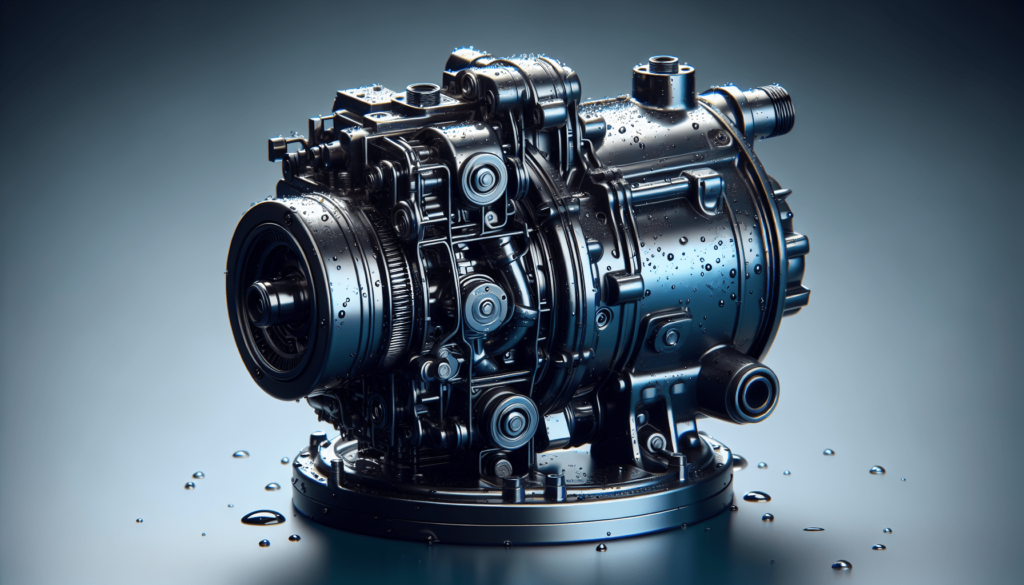
Variable flow pool pumps are designed to provide precise control over the flow rate of water in your pool. These pumps allow you to adjust the flow rate to match the specific requirements of different pool features, such as waterfalls, spa jets, or fountains.
Advantages
The main advantage of variable flow pool pumps is their ability to optimize water flow for different pool features. By adjusting the flow rate, you can ensure that each feature receives sufficient water circulation without wasting energy. Variable flow pumps also offer energy savings compared to single-flow pumps, as they only operate at higher flow rates when necessary.
Disadvantages
One limitation of variable flow pool pumps is their higher upfront cost compared to single-flow pumps. However, the energy savings and customization options they provide can offset the initial investment. Additionally, some pool owners may find the process of adjusting and monitoring the flow rate to be more complex and time-consuming.
Dual-Flow Pool Pumps
Description
Dual-flow pool pumps, also known as reversible pumps, are designed to provide both water circulation and filtration. These pumps have the ability to pump water in and out of the pool, making them suitable for use in pool maintenance tasks, such as vacuuming and backwashing.
Advantages
The main advantage of dual-flow pool pumps is their versatility. With these pumps, you can easily switch between water circulation and filtration modes, depending on your pool maintenance needs. This eliminates the need for multiple pumps or equipment, streamlining the maintenance process and saving space.
Disadvantages
One potential disadvantage of dual-flow pool pumps is their higher cost compared to single-function pumps. These pumps are typically more expensive due to their dual functionality and added features. Additionally, some pool owners may find the switch between modes and the plumbing setup to be more complex and require professional assistance.