Have you ever wondered about the importance of inspecting and replacing seals in your pool pump? Well, in this article, we will explore the significance of regularly checking and replacing seals in maintaining the efficiency and functionality of your pool pump. From preventing leaks to ensuring optimal performance, understanding the role of seals is vital for any pool owner. So, let’s dive in and learn more about the ins and outs of inspecting and replacing seals in a pool pump.
1. Understanding Pool Pump Seals
– Importance of pool pump seals
Pool pump seals are essential components of a pool pump that help maintain its efficiency and prevent water leakage. They act as barriers between the moving parts of the pump, such as the impeller and the motor, and the water in the pool. Without effective seals, the pump’s performance can be compromised, leading to a decrease in water circulation and potential damage to the pump itself. Hence, understanding pool pump seals and their importance is crucial for maintaining the overall health of your pool system.
– Types of pool pump seals
There are two main types of pool pump seals: mechanical seals and gasket seals. Mechanical seals consist of two primary components: a stationary ring and a rotating ring. These rings create a watertight seal when pressed together, allowing the pump to operate efficiently. On the other hand, gasket seals are made of rubber or silicone and are commonly used in older pool pump models. They form a tight seal by compressing against the impeller housing. Both types of seals perform similar functions, but mechanical seals are generally more durable and long-lasting.
2. Signs of a Faulty Pool Pump Seal
– Low water pressure
If you notice a significant decrease in water pressure coming from your pool jets or return line, it may be a sign of a faulty pool pump seal. A worn or damaged seal can allow water to bypass the impeller, resulting in reduced water flow and pressure.
– Leaking water
One of the most evident signs of a faulty pool pump seal is water leakage around the pump. This leakage can occur around the shaft area, where the seal is located, or at the pump housing. If you notice any water pooling or dripping near the pump, it’s important to investigate further to determine if the seal is the cause.
– Noisy operation
A faulty seal can cause excessive noise during the operation of the pool pump. If you hear grinding or screeching sounds coming from the pump, it may indicate that the seal is rubbing against the impeller, resulting in unnecessary friction and noise.
– Excessive air in the system
When the pool pump seal is damaged or worn out, it can allow air to enter the system. This can lead to the formation of air bubbles in the pool water, which can be seen through the return jets. If you notice an unusually high amount of air in your pool system, it may be a sign that the pump seal needs to be inspected and replaced.
3. Tools and Equipment Needed for Inspection and Replacement
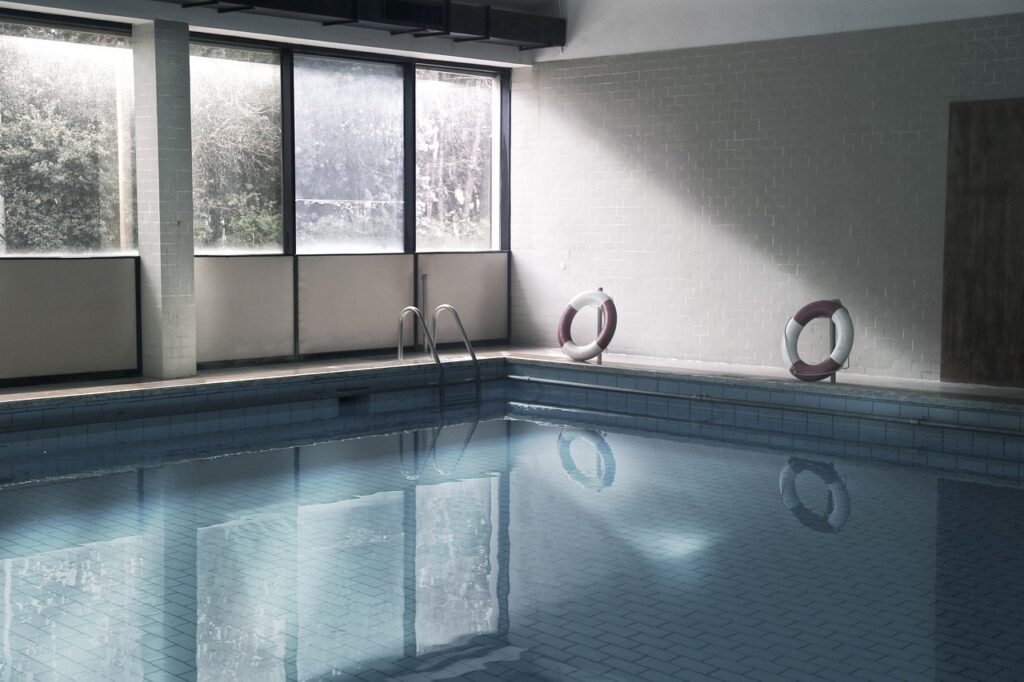
– Screwdriver
A screwdriver will be necessary to remove any screws or bolts that secure the pump housing.
– Wrench
A wrench will be needed to loosen and tighten any nuts or bolts during the inspection and replacement process.
– Replacement seals
In order to replace a faulty pool pump seal, it is important to have the appropriate replacement seal on hand. Ensure that you have the correct type and size of seal for your specific pool pump model.
– Lubricant
A lubricant, such as a silicone-based one, is crucial for ensuring the smooth operation of the new pool pump seal. It helps reduce friction and prolongs the lifespan of the seal.
4. Safety Precautions
– Shut off power to the pool pump
Before inspecting or replacing the pool pump seal, it is crucial to shut off the power to the pump. This ensures that there is no risk of electric shock or injury while working on the pump.
– Ensure proper ventilation
Working with pool pumps may involve exposure to chemicals or fumes. Therefore, it is important to carry out the inspection and replacement process in a well-ventilated area or open space to prevent any respiratory issues.
– Use protective gloves and goggles
To protect yourself from any potential hazards or chemical exposure, it is recommended to wear protective gloves and goggles during the inspection and replacement process.

5. Steps to Inspect and Test Pool Pump Seals
– Turn off the pool pump
Begin by shutting off the pool pump and ensuring that there is no power running to the pump. This step is crucial for your safety during the inspection process.
– Open the pump housing
Using a screwdriver or wrench, remove the screws or bolts holding the pump housing together. Carefully detach the housing to access the pool pump and its components.
– Inspect the seals for wear or damage
Once you have access to the pump, visually inspect the pool pump seals for any signs of wear, cracks, or other damage. Pay close attention to the area around the shaft, where the seal is located, as this is a common area for leaks.
– Test the seals for leaks
To test the seals for leaks, you can fill the pump with water and observe if any water escapes through the seal area or from the pump housing. If any water leakage is detected, it indicates that the seals are faulty and need to be replaced.
– Clean the seals
If the seals appear to be in good condition and do not exhibit any signs of damage or wear, it is still beneficial to clean them. Gently wipe them clean using a soft cloth or brush to remove any debris or residue that may be affecting their performance.
6. Steps to Replace a Faulty Pool Pump Seal
– Drain the pool pump
Before replacing the seal, drain the pool pump completely to prevent any water from flowing out during the replacement process. This will help keep the area dry and allow for easier installation of the new seal.
– Remove the old seal
Carefully remove the old seal from the shaft area of the pump. Depending on the type of seal, it may be necessary to loosen any retaining clips or screws before removal.
– Install the new seal
Take the new pool pump seal and align it correctly with the shaft area of the pump. Ensure that it is properly seated and fits securely in place.
– Lubricate the seal
Apply a thin layer of lubricant to the pool pump seal to ensure smooth operation and reduce friction between the seal and the impeller. Avoid using excessive amounts of lubricant, as this could lead to unwanted leaks.
– Reassemble the pump housing
Reverse the steps taken to open the pump housing and carefully reassemble all the components. Ensure that all screws or bolts are securely tightened but be cautious not to overtighten, as this could damage the seal or other parts of the pump.
7. Additional Tips for Proper Seal Maintenance
– Regularly clean and inspect the seals
To maintain the efficiency and longevity of your pool pump seals, it is important to clean and inspect them regularly. This should be done at least once a year or whenever you notice any signs of wear, damage, or leaks.
– Use appropriate lubricant
When applying lubricant to the pool pump seal, make sure to use a compatible lubricant recommended by the manufacturer. Using the wrong type of lubricant can negatively affect the seal’s performance and may lead to further issues.
– Avoid overtightening the pump housing
During the reassembly process, be careful not to overtighten the screws or bolts that secure the pump housing. Over-tightening can cause damage to the seal or the housing, leading to leaks or other operational problems.
8. Common Issues and Troubleshooting
– Seal replacement not solving the problem
In some cases, replacing the pool pump seal may not solve the underlying issue with the pump. If you have followed all the steps correctly and are still experiencing issues with water pressure, leaks, or noise, it may indicate a more significant problem with other pump components. In such instances, it is advisable to seek professional help.
– Difficulty removing the old seal
If you encounter difficulty removing the old seal, ensure that all screws, clips, or retaining mechanisms holding the seal in place have been properly loosened. Applying a small amount of lubricant to the seal may also help loosen it for easier removal. If all else fails, it is best to consult a professional for assistance.
9. When to Seek Professional Help
– Complex seal replacement
If you have limited experience or knowledge in working with pool pumps, it is recommended to seek professional help for complex seal replacements. A professional technician will have the necessary expertise and tools to ensure the seal is properly installed and the pump is functioning optimally.
– Lack of experience or knowledge
If you are unsure about any aspect of inspecting or replacing pool pump seals, it is always best to consult a professional. They can guide you through the process, offer advice, and ensure that the job is done correctly and safely.
10. Conclusion
– Importance of inspecting and replacing pool pump seals
Regularly inspecting and replacing pool pump seals is vital for the efficient operation of your pool pump. Faulty seals can lead to decreased water circulation, leaks, and potential damage to the pump. By understanding the significance of pool pump seals and taking the necessary steps to maintain them, you can ensure the longevity and performance of your pool system.
– Proper maintenance for efficient pool pump operation
Following the outlined steps for inspecting, testing, and replacing pool pump seals, along with adopting proper maintenance practices, will help maintain the efficiency and optimal operation of your pool pump. Regular cleaning, lubrication, and inspection of the seals, combined with appropriate safety precautions, ensure a smoothly running pool system and a clean, enjoyable swimming experience.