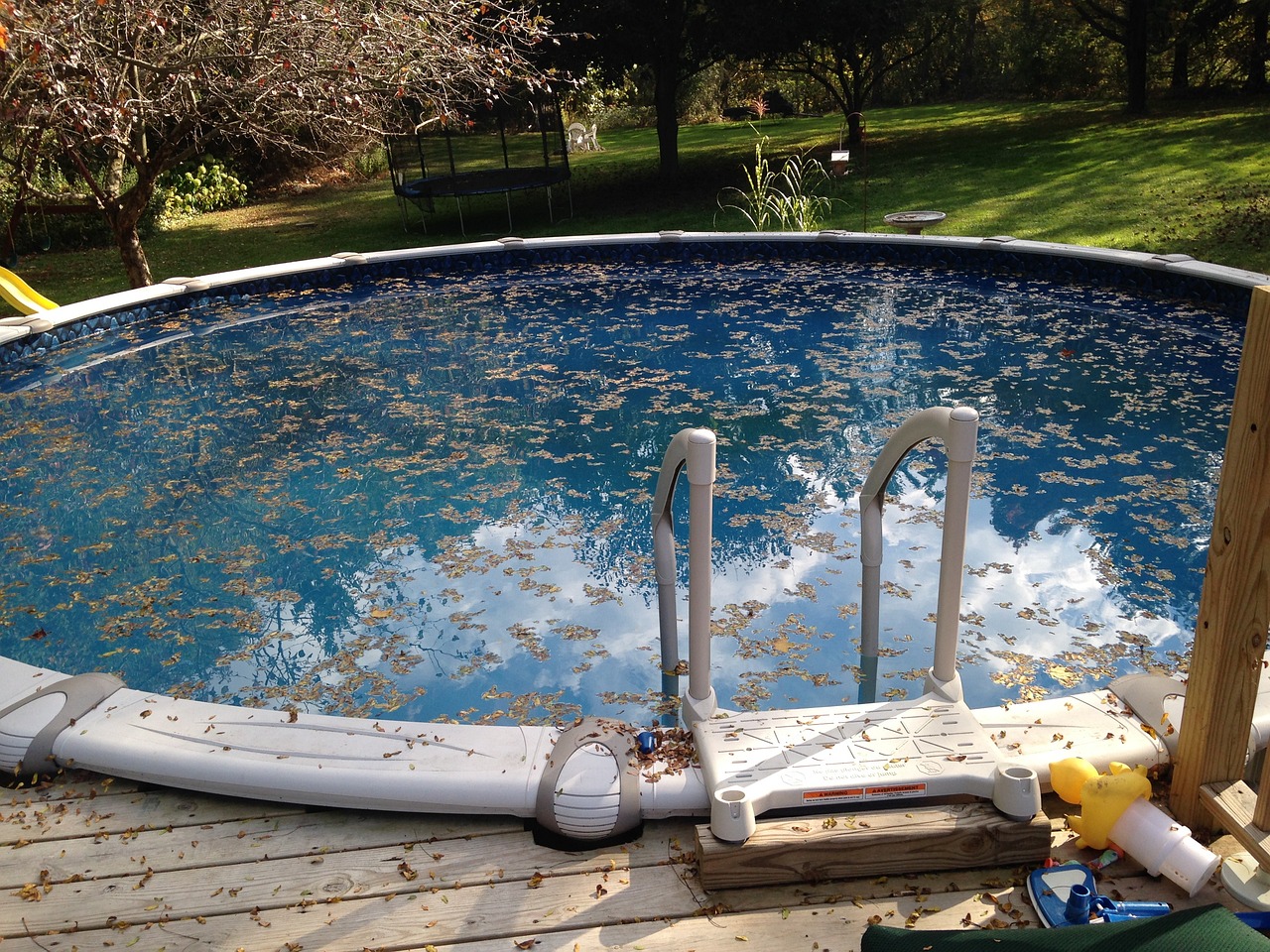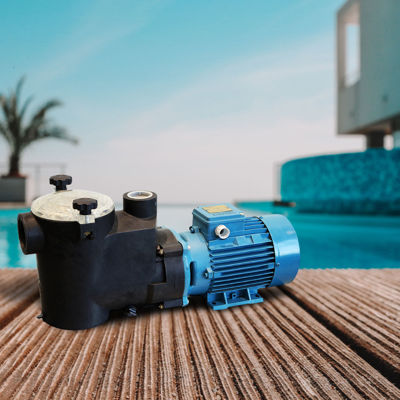
So you’ve been enjoying your pool all summer long, but lately you have started to notice some issues with your pool pump. Maybe it’s making strange noises, or the water isn’t circulating properly. You’re not quite sure if these are just minor hiccups that can be fixed with a quick repair, or if they are signs that it’s time to invest in a new pool pump. In this article, we will explore the telltale signs that indicate it’s time to say goodbye to your old pump and hello to a new one.

Signs That Your Pool Pump Needs Replacement
Noticeable Decrease in Water Flow
One of the most common signs that your pool pump needs replacement is a noticeable decrease in water flow. If you notice that the water flow in your pool has become weak or sluggish, it could be a sign that your pump is not operating at its full capacity. This can be caused by a variety of issues, such as a clogged filter, a worn-out impeller, or a malfunctioning motor. If you have tried cleaning or repairing these components and the water flow is still not improved, it may be time to consider replacing your pool pump.
Unusual Noises or Vibrations
Another sign that your pool pump may need replacement is the presence of unusual noises or vibrations. While pool pumps do make some noise when they are operating, if you notice any new or excessive noises, such as grinding or screeching sounds, it could be an indication of a problem with the pump motor or bearings. Similarly, if you feel excessive vibrations coming from the pump, it may be a sign of misalignment or a damaged impeller. These issues can lead to further damage if not addressed promptly, so it is important to consider replacing your pool pump if you experience these symptoms.
Frequent Tripping of Circuit Breaker
If the circuit breaker for your pool pump is frequently tripping, it is a clear indication that something is wrong with your pump. This can be a safety hazard and can also lead to damage to the pump motor or other electrical components. Frequent tripping of the circuit breaker can be caused by various issues, such as a short circuit, an overloaded motor, or a faulty wiring connection. If you are consistently experiencing this problem, it is recommended to have your pump inspected by a professional and consider replacing it if necessary.
Inefficient Filtration
Proper filtration is essential for maintaining a clean and healthy pool. If you notice that your pool water is not as clear as it should be, even after cleaning or replacing the filter, it could be a sign that your pump is not providing sufficient filtration. Inefficient filtration can result from a pump that is not operating at its optimal capacity or a pump that is too small or underpowered for the size of your pool. Replacing your pool pump with a more efficient model can help to improve filtration and ensure that your pool water stays crystal clear.
Leaking Pump
If you notice any signs of a leaking pump, such as water puddles or damp areas around the pump, it is a clear indication that there is a problem that needs to be addressed. A leaking pump can be caused by a variety of issues, such as damaged seals, cracked housing, or loose connections. In some cases, these issues can be repaired, but if the damage is severe or if the pump is old and worn out, it may be more cost-effective to replace the pump altogether. A leaking pump not only wastes water but can also lead to further damage if left untreated.
High Energy Consumption
If you notice a significant increase in your energy bills without any other obvious reasons, it may be due to a pool pump that is consuming excessive energy. Older pumps or pumps that are not energy-efficient can be a significant drain on your household electricity usage. Upgrading to a new, energy-efficient pool pump can not only help to reduce your energy consumption and save you money in the long run but also contribute to a more sustainable and environmentally friendly pool system.
Old Age
Like any other mechanical equipment, pool pumps have a finite lifespan. As your pump ages, its performance may start to decline, and it may become more prone to mechanical failures. If your pump is more than 10 years old and is exhibiting signs of wear and tear, it may be time to consider replacing it. Investing in a new pool pump can provide you with peace of mind knowing that you have a reliable and efficient system in place.
Inconsistent Water Chemistry
Maintaining proper water chemistry in your pool is crucial for the health and safety of swimmers. If you find that you are constantly battling with imbalanced water chemistry, even with regular maintenance and chemical adjustments, it could be a sign that there is an issue with your pool pump. A pump that is not functioning properly may not be distributing chemicals effectively, leading to imbalanced water chemistry. Replacing an old or malfunctioning pump can help to ensure that your pool water chemistry remains consistently balanced.
Difficulty in Prime
Prime is the process of removing air from the pump and the pool system to ensure effective water circulation. If you are experiencing difficulty in priming your pump, such as consistent air bubbles in the pump basket or a loss of prime after the pump is turned off, it may be an indication of a problem with your pump. This could be caused by a variety of issues, such as a clogged impeller, a worn-out seal, or a leak in the suction line. Replacement may be necessary if the problem persists and cannot be resolved through repairs.
Excessive Heat Generation
While it is normal for a pool pump to generate some heat during operation, excessive heat can be a sign of a problem. If you notice that your pump is consistently running hot to the touch or if you smell a burning odor coming from the pump motor, it is indicative of an issue that needs to be addressed. Excessive heat generation can lead to motor failure and other malfunctions. If you experience this problem, it is advisable to consult a professional and consider replacing your pump if necessary.
Factors to Consider Before Replacing Your Pool Pump
Cost of Replacement
Before replacing your pool pump, it is important to consider the cost involved. The price of a new pool pump can vary depending on factors such as brand, size, and features. It is recommended to research and compare prices from different retailers or suppliers to ensure that you get the best value for your money. Additionally, you should also take into account any installation or labor costs that may be associated with replacing the pump.
Energy Efficiency
One important factor to consider when choosing a new pool pump is its energy efficiency. Energy-efficient pumps can help to reduce your energy consumption and save you money on your electricity bills. Look for pumps that are labeled as energy-efficient or have the ENERGY STAR certification. These pumps are designed to operate more efficiently, using less energy without compromising on performance.
Size and Horsepower
Choosing the right size and horsepower for your new pool pump is crucial to ensure optimal performance. The size of your pool and the volume of water it holds will determine the flow rate required for efficient circulation. It is recommended to consult a pool professional or refer to the manufacturer’s guidelines to determine the appropriate size and horsepower for your specific pool. Choosing a pump that is too small may result in inadequate water circulation, while a pump that is too powerful may lead to unnecessary energy consumption.
Brand Reputation
When investing in a new pool pump, it is important to consider the reputation of the brand. Look for well-established brands that have a proven track record of manufacturing high-quality and reliable pool pumps. Reading customer reviews and seeking recommendations from friends or professionals in the industry can also help you make an informed decision. Choosing a reputable brand can provide you with peace of mind knowing that you are investing in a reliable and durable product.
Warranty
A warranty is an important consideration when purchasing a new pool pump as it provides protection and peace of mind in case of any unforeseen issues or defects. Different manufacturers offer different warranty terms and conditions, so it is advisable to read the warranty details carefully before making a purchase. Look for a warranty that covers both parts and labor for a reasonable period of time. Additionally, consider any additional warranty options or extended coverage that may be available.
Maintenance Requirements
Before replacing your pool pump, it is important to consider the maintenance requirements of the new pump. Different pumps may have different maintenance needs, such as regular cleaning, filter replacement, or lubrication. Ensure that you are comfortable with the maintenance tasks required and consider if you have the time and resources necessary to properly care for the pump. Neglecting maintenance can lead to premature pump failure and additional repair or replacement costs.
Compatibility with Existing System
When replacing your pool pump, it is important to ensure compatibility with your existing pool system. Consider the plumbing connections, electrical requirements, and any other components that may need to be adjusted or replaced to accommodate the new pump. If you are unsure about compatibility, consult a pool professional who can assess your system and provide guidance on the most suitable replacement options.
Professional Consultation
If you are unsure whether or not to replace your pool pump, it is highly recommended to seek professional consultation. A pool professional can inspect your current pump, identify any issues or potential problems, and provide recommendations on whether repair or replacement is the best course of action. Their expertise can help you make an informed decision and ensure that you choose the right pump for your specific needs.
Return on Investment
Consider the return on investment when replacing your pool pump. While the initial cost of a new pump may seem high, it is important to consider the long-term savings that can be achieved through improved energy efficiency and reduced maintenance needs. Calculate the potential energy savings and compare it to the cost of the new pump to determine the payback period. Investing in a high-quality and energy-efficient pump can ultimately result in long-term cost savings and a better overall pool experience.
Long-Term Goals
When deciding whether or not to replace your pool pump, it is important to consider your long-term goals for your pool. Are you planning to upgrade or add new features to your pool in the future? If so, choosing a pump that can accommodate these future enhancements may be beneficial. Additionally, consider how long you plan to stay in your current home. If you are considering selling in the near future, a new pool pump can add value to your property and attract potential buyers.
Steps to Determine If You Need a New Pool Pump
Assess the Performance of Your Current Pump
The first step in determining if you need a new pool pump is to assess the performance of your current pump. Examine the water flow, filtration efficiency, and overall functioning of the pump. Take note of any signs of decreased performance or issues that you have noticed.
Inspect for Physical Damage
Next, inspect the pump for any physical damage or signs of wear and tear. Look for cracks or leaks in the housing, loose or damaged connections, or any other visible signs of damage. Physical damage can affect the performance and lifespan of the pump and may require replacement.
Conduct Flow Rate and Pressure Tests
To further evaluate the performance of your pump, conduct flow rate and pressure tests. Measure the amount of water the pump is circulating per minute and compare it to the manufacturer’s recommended flow rate for your specific pool size. Additionally, test the pressure of the water coming out of the return jets to ensure it falls within the normal range. Significant deviations from the recommended flow rate or pressure may indicate a problem with the pump.
Check for Excessive Energy Consumption
Monitor your energy bills to check for any significant increases in energy consumption. If your bills have spiked without any other apparent reasons, it may be a sign that your pump is consuming excessive energy. Calculating the energy usage of your pump can help you determine if it is operating efficiently or if replacement may be necessary.
Monitor Water Quality
Regularly test and monitor the water quality in your pool to ensure proper chemical balance and clarity. If you consistently struggle to maintain balanced water chemistry, even with regular maintenance and adjustments, it may indicate a problem with your pump. Consider if the pump is distributing chemicals effectively or if there are any other factors affecting water quality.
Calculate Operating Costs
Calculate the operating costs of your current pump, taking into account energy usage, maintenance, and any repairs or replacements that have been needed. Compare these costs to the potential operating costs of a new pump to determine if replacement would result in long-term savings.
Evaluate the Pump’s Age
Consider the age of your current pump. As pumps age, their performance can decline, and they may become more prone to mechanical failures. If your pump is older than 10 years and is exhibiting signs of wear and tear, it may be advisable to replace it to ensure optimal performance and efficiency.
Consider the Pump’s Repair History
Reflect on the repair history of your current pump. If you have had to frequently repair or replace certain components of the pump, it may indicate underlying issues or a pump that is nearing the end of its lifespan. Evaluate the cost and frequency of these repairs and consider if replacement would be a more cost-effective and practical solution.
Consult a Pool Professional
If you are unsure about the condition of your pump or whether or not replacement is necessary, it is recommended to consult a pool professional. They can assess your current pump, identify any issues or potential problems, and provide recommendations based on their expertise and industry knowledge.
Make a Decision Based on Your Findings
Based on your assessment and evaluation of your current pump, make a decision on whether or not to replace it. Take into consideration the signs of wear and tear, decreased performance, excessive energy consumption, and any other factors that may indicate the need for replacement. If you determine that a new pump is necessary, proceed with selecting a suitable replacement pump that meets your specific needs and requirements.
Benefits of Upgrading to a New Pool Pump
Improved Energy Efficiency
One of the primary benefits of upgrading to a new pool pump is improved energy efficiency. Newer pumps are designed with advanced technology and energy-efficient features that allow them to operate with less energy consumption. These pumps utilize variable speed motors and advanced control systems to optimize performance and reduce energy waste. By upgrading to an energy-efficient pool pump, you can significantly reduce your energy bills and enjoy long-term cost savings.
Enhanced Water Circulation and Filtration
A new pool pump can provide enhanced water circulation and filtration, resulting in cleaner and healthier pool water. Upgraded pumps are designed to move water more efficiently, ensuring that each area of your pool receives proper circulation. This helps to prevent the buildup of debris, algae, and bacteria, leading to a cleaner and more enjoyable swimming experience. Improved filtration also means that your pool water will require fewer chemicals and treatments to maintain optimum chemical balance.
Reduced Maintenance Needs
Older pumps often require more frequent maintenance and repairs. By upgrading to a new pump, you can reduce your maintenance needs and save time and money on repairs. Newer pumps are designed with durable materials and advanced features that minimize the risk of mechanical failures and extend the lifespan of the pump. Additionally, modern pumps often come with self-cleaning mechanisms and easy-to-use controls that make regular maintenance tasks simpler and more efficient.
Quieter Operation
Noisy pool pumps can be a nuisance, especially if your pool is located near residential areas or if you prefer a quiet and peaceful pool environment. Upgrading to a new pool pump can provide significantly quieter operation, allowing you to enjoy your pool without the distraction of loud motor noises or vibrations. Newer pumps are designed with noise-reducing features and advanced insulation to minimize noise levels, providing a more pleasant and relaxing pool experience.
Extended Lifespan
Older pumps may have a limited lifespan and become more prone to mechanical failures as they age. By upgrading to a new, high-quality pump, you can benefit from an extended lifespan and increased durability. New pumps are engineered with advanced materials and components that are more resistant to wear and tear. Investing in a new pump can provide you with peace of mind knowing that you have a reliable and long-lasting system in place.
Increased Savings on Energy Costs
As mentioned earlier, upgrading to an energy-efficient pool pump can result in significant savings on your energy bills. While the initial cost of a new pump may seem high, the long-term energy savings can quickly offset this expense. Modern pumps are designed to operate at variable speeds, allowing you to adjust the pump’s performance to your specific needs. This flexibility ensures that you are only using the necessary amount of energy for optimal pool circulation, resulting in reduced energy costs.
Necessary Upgrades for Modern Pool Features
If you are planning to install or upgrade modern pool features, such as waterfalls, fountains, or water slides, a new pump may be necessary. These features often require pumps with higher flow rates and horsepower to ensure proper operation. Upgrading to a new pump that can accommodate these additional features will enable you to fully enjoy and utilize the benefits of a modern and enhanced pool environment.
Improved Water Quality
A new pool pump can contribute to improved water quality by providing effective filtration and circulation. Proper water circulation helps to eliminate dead spots where debris and contaminants can accumulate, ensuring that every corner of your pool receives proper water flow. This prevents the growth of algae and bacteria and promotes clearer and healthier pool water. Improved water quality also means that you and your family can enjoy swimming in a safer and more hygienic pool environment.
Environmental Friendliness
By upgrading to an energy-efficient pool pump, you are also contributing to a more sustainable and environmentally friendly pool system. Energy-efficient pumps use less electricity, which reduces your carbon footprint and helps to conserve energy resources. Additionally, energy-efficient pumps often produce fewer greenhouse gas emissions, further reducing their impact on the environment. By making the switch to a more environmentally friendly pump, you can enjoy your pool while minimizing your ecological footprint.
Potential Increase in Property Value
A new pool pump can add value to your property. If you are planning to sell your home in the future, having a modern and efficient pool system can attract potential buyers and increase the overall appeal of your property. A well-maintained and updated pool not only enhances the aesthetics of your backyard but also provides assurance to potential buyers that they are purchasing a well-functioning and desirable home.
Conclusion
In conclusion, there are several signs that indicate the need for a new pool pump. From decreased water flow and excessive noise to frequent circuit breaker tripping and inefficient filtration, these signs can indicate underlying problems with your pump. Factors such as cost, energy efficiency, size and horsepower, brand reputation, warranty, maintenance requirements, compatibility with your existing system, professional consultation, return on investment, and long-term goals should all be considered before replacing your pool pump.
To determine if you need a new pump, assess the performance of your current pump, inspect for physical damage, conduct flow rate and pressure tests, monitor energy consumption and water quality, calculate operating costs, evaluate the pump’s age and repair history, and consult a pool professional if needed. Upgrading to a new pool pump offers numerous benefits, including improved energy efficiency, enhanced water circulation and filtration, reduced maintenance needs, quieter operation, extended lifespan, increased savings on energy costs, necessary upgrades for modern pool features, improved water quality, environmental friendliness, and potential increase in property value.
By understanding the signs that indicate the need for replacement, considering important factors, and evaluating the benefits of upgrading, you can make an informed decision about replacing your pool pump and enjoy a clean, efficient, and enjoyable pool experience.