Imagine being able to control the speed of your pool pump effortlessly, ensuring optimal performance and energy efficiency. With the introduction of Pool Pump Variable-Speed Controllers, this dream becomes a reality. These innovative devices allow you to easily adjust the speed of your pool pump to meet your specific needs, whether it’s heating the water, cleaning the pool, or simply maintaining its circulation. Say goodbye to excessive energy consumption and hello to significant cost savings, all while keeping your pool in pristine condition. Get ready to revolutionize your pool experience with Pool Pump Variable-Speed Controllers.
What are pool pump variable-speed controllers?
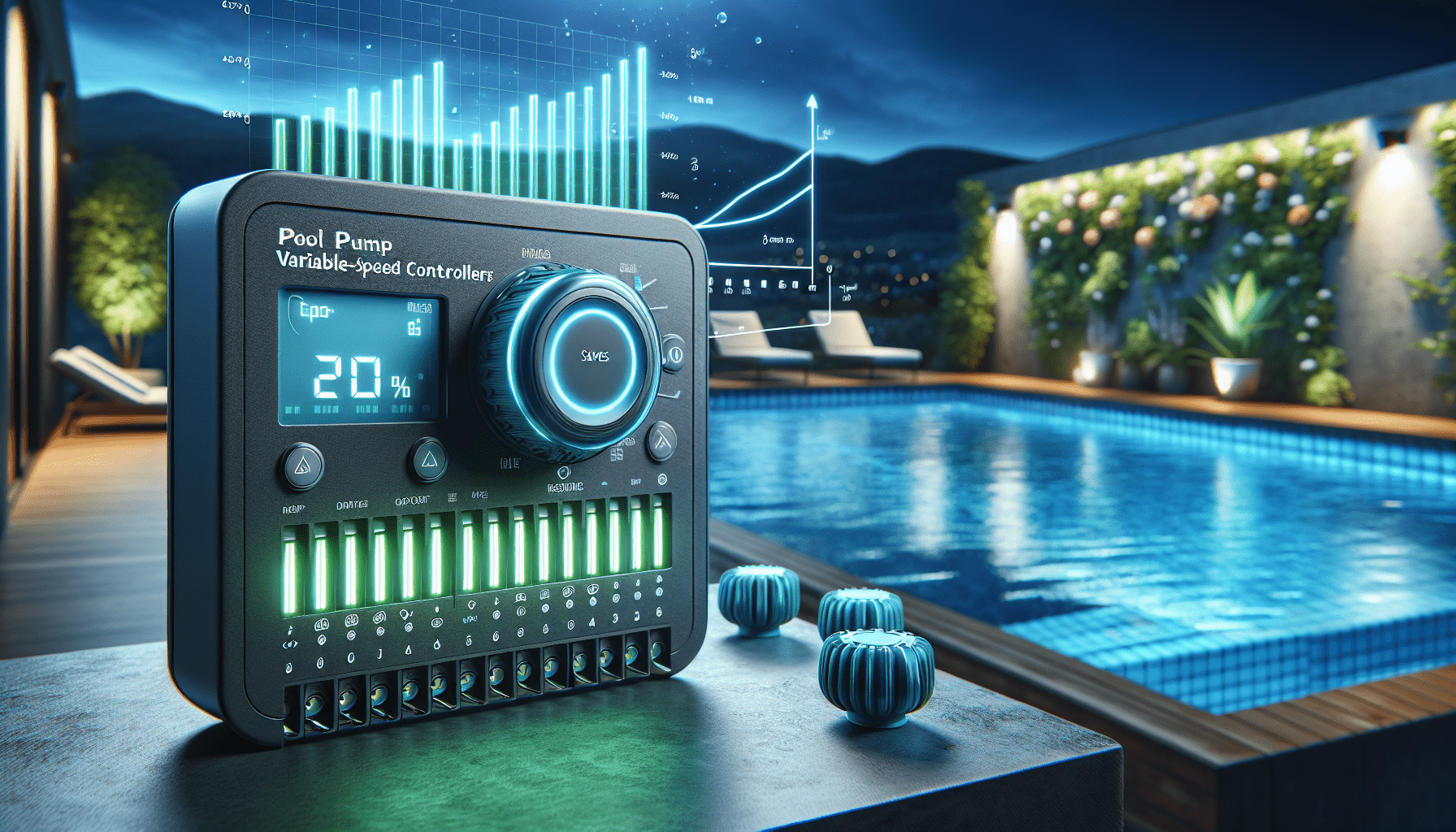
Pool pump variable-speed controllers are devices that allow you to adjust the speed and flow rate of your pool pump, providing greater control and flexibility. These controllers are typically installed in conjunction with existing pool pumps and offer several benefits for pool owners. They enhance energy efficiency, reduce noise, and can lead to significant cost savings over time.
Definition
A pool pump variable-speed controller is an electronic device that regulates the speed of a pool pump’s motor. It allows you to control the flow rate of water through your pool’s filtration system, ensuring optimal performance while minimizing energy consumption. By varying the pump’s speed, these controllers offer greater efficiency compared to traditional single-speed pumps.
Benefits
Pool pump variable-speed controllers offer a range of benefits for pool owners. The key advantages include energy efficiency, cost savings, and reduced noise and wear.
Importance of variable-speed controllers for pool pumps
Energy efficiency
One of the key reasons to invest in a variable-speed controller for your pool pump is the enhanced energy efficiency it provides. Unlike traditional single-speed pumps that run at a constant speed, variable-speed controllers allow you to adjust the pump speed according to your pool’s needs. By matching the pump’s performance to the required flow rate, you can significantly reduce energy consumption.
Cost savings
The energy savings associated with variable-speed controllers can lead to substantial cost reductions over time. According to industry studies, using a variable-speed pool pump can result in energy savings of up to 70% compared to single-speed pumps. These savings can translate into lower utility bills and a faster return on investment for the controller.
Reduced noise and wear
Variable-speed controllers also contribute to a quieter and longer-lasting pool pump. By allowing the pump to run at lower speeds, the noise generated by the motor is significantly reduced. Additionally, the reduced wear and tear on the pump motor can extend its lifespan. This means fewer maintenance and repair costs for pool owners.
Factors to consider when choosing a pool pump variable-speed controller
Compatibility with existing pool pump
When selecting a variable-speed controller, it’s crucial to consider compatibility with your existing pool pump. Ensure that the controller is compatible with the make and model of your pump to ensure seamless integration and optimal performance.
Ease of installation
Another important factor to consider is the ease of installation. Look for controllers that come with clear installation instructions and require minimal technical expertise. It’s also beneficial to choose controllers that are designed for straightforward retrofitting onto existing pumps, minimizing the need for costly and time-consuming modifications.
Programmability and automation features
Consider whether the variable-speed controller offers programmability and automation features. Some controllers allow you to set specific schedules and operating modes, enabling you to automate the pump’s operation based on your pool’s needs. This can save you time and effort in manually adjusting the pump speed.

Types of pool pump variable-speed controllers
Single-speed to variable-speed conversion kits
One type of variable-speed controller is the single-speed to variable-speed conversion kit. These kits include a controller that can be installed on existing single-speed pool pumps. By retrofitting your pump with a conversion kit, you can enjoy the benefits of variable-speed control without having to replace your entire pump system.
Factory-installed variable-speed pumps
Another option is to opt for a factory-installed variable-speed pump. These pumps come equipped with a built-in variable-speed controller, eliminating the need for additional installation. While this option may require a higher upfront investment, it offers the advantage of a seamless and integrated solution.
Retrofit variable-speed controllers
Retrofit variable-speed controllers are standalone devices that can be installed alongside your existing pool pump. They are designed to work with a wide range of pump models and offer flexibility in terms of placement and installation. Retrofit controllers are a popular choice for pool owners looking to upgrade their pump system without replacing the entire unit.
Installation and setup process
Necessary tools and equipment
Before starting the installation process, gather the necessary tools and equipment. These may include a screwdriver, pliers, wire cutters, a voltage tester, and sealant. It’s important to consult the specific installation instructions provided with your chosen variable-speed controller to ensure you have all the required tools.
Step-by-step installation guide
- Turn off power: Before working on your pool pump, make sure to turn off the power supply at the circuit breaker.
- Remove pump cover: Open the pump housing by removing the screws or clips securing the cover.
- Disconnect wiring: Identify the electrical connections to the pump motor and disconnect them, taking note of their configuration.
- Install variable-speed controller: Mount the variable-speed controller in a suitable location near the pump, following the manufacturer’s instructions.
- Connect wiring: Connect the controller to the pump motor using the provided wiring harnesses, ensuring the correct connections according to the manufacturer’s guide.
- Verify connections: Double-check all electrical connections to ensure they are secure and properly connected.
- Replace pump cover: Place the pump cover back on, securing it with the screws or clips.
- Restore power: Turn the power supply back on at the circuit breaker.
- Test the pump: Test the pump to ensure it is running smoothly and the variable-speed controller is functioning correctly.
Programming the controller
Once the variable-speed controller is installed, it may require programming to optimize its operation. Follow the manufacturer’s instructions to set the desired speed settings, timers, and any additional automation features. Take the time to familiarize yourself with the controller’s interface and menu options to make the most of its capabilities.
Maintenance and troubleshooting
Regular cleaning and inspection
To keep your pool pump variable-speed controller operating efficiently, it’s important to perform regular cleaning and inspection. Keep the controller and surrounding area clean and free from debris. Inspect the controller for any signs of damage or wear, and address any issues promptly.
Monitoring energy usage
Monitoring your pool pump’s energy usage is a valuable maintenance practice. Most variable-speed controllers provide energy monitoring features, allowing you to track and analyze energy consumption. By keeping an eye on energy usage, you can identify any inefficiencies or anomalies and take appropriate action.
Common issues and troubleshooting tips
Some common issues that can arise with pool pump variable-speed controllers include motor failure, error codes, or difficulty adjusting settings. To address these issues, consult the manufacturer’s troubleshooting guide provided with your controller. It’s also helpful to reach out to customer support if you require further assistance. Regular maintenance and prompt troubleshooting can help prevent more significant problems down the line.
Comparison of popular pool pump variable-speed controllers
Brand A vs. Brand B
When comparing popular pool pump variable-speed controllers, it’s important to consider factors such as brand reputation, reliability, features, and customer reviews. Conducting a thorough comparison between different brands, such as Brand A and Brand B, can help you make an informed decision based on your specific needs and requirements.
Features and specifications
Carefully review the features and specifications of each pool pump variable-speed controller you are considering. Some features to look for include adjustable speed settings, programmability options, energy monitoring capabilities, and compatibility with other pool automation systems. Consider whether the controller offers the functionality you desire and aligns with your pool’s requirements.
Customer reviews and ratings
Customer reviews and ratings can provide valuable insights into the performance and reliability of pool pump variable-speed controllers. Read both positive and negative reviews to gain a comprehensive understanding of the product’s strengths and weaknesses. Pay attention to feedback related to ease of installation, user-friendliness, and overall satisfaction.
Regulations and incentives for variable-speed pump installations
Local building codes
Before installing a variable-speed pump or controller, familiarize yourself with local building codes and regulations governing pool pump installations. Ensure that your chosen equipment meets the required standards and obtain any necessary permits. Compliance with regulations is crucial to ensure the safety and legality of your pool pump system.
Energy efficiency certifications
Look for pool pump variable-speed controllers that carry energy efficiency certifications. These certifications, such as ENERGY STAR, indicate that the controller has met certain efficiency and performance standards. Choosing an energy-efficient controller not only benefits the environment but may also make you eligible for utility rebates or incentives.
Utility rebates and incentives
Many utility companies offer rebates or incentives for homeowners who install energy-efficient pool pumps or controllers. Check with your local utility provider to determine if any such programs are available in your area. These incentives can significantly offset the initial investment and shorten the payback period for your variable-speed controller.
Cost analysis and return on investment
Initial investment
When calculating the cost of a pool pump variable-speed controller, consider both the upfront cost of the controller itself and any installation expenses. Variable-speed controllers can range in price depending on their features and brand. It’s important to view the initial investment as a long-term investment, considering the potential energy savings and cost reductions over time.
Energy savings calculations
To estimate energy savings, compare the energy consumption of a single-speed pump to that of a variable-speed pump. Calculate the difference in energy usage given your pool’s specific requirements, and multiply this by your local electricity rate. This calculation will give you an idea of the potential savings you can expect to achieve with a variable-speed controller.
Payback period estimation
The payback period for a pool pump variable-speed controller depends on several factors, including the initial investment, energy savings, and local utility rates. Divide the initial investment by the annual energy savings to determine the payback period. Generally, variable-speed controllers have a relatively short payback period, making them a worthwhile investment.
Conclusion
In conclusion, pool pump variable-speed controllers offer numerous benefits for pool owners, including energy efficiency, cost savings, and reduced noise and wear. When choosing a variable-speed controller, consider compatibility with your existing pump, ease of installation, and programmability features. Explore different types of controllers, such as conversion kits or factory-installed pumps, based on your specific needs. The installation process requires following the provided instructions and performing necessary programming to optimize performance. Regular maintenance, troubleshooting, and monitoring of energy usage are essential for long-term efficiency. When comparing controllers, evaluate brand reputation, features, and customer reviews to make an informed decision. Be aware of local regulations, energy efficiency certifications, and potential rebates or incentives for installations. Finally, perform a cost analysis to determine the initial investment, energy savings, and payback period. With the benefits and importance of variable-speed controllers in mind, consider upgrading your pool pump system to enhance efficiency, save costs, and enjoy a more enjoyable pool experience.