Maintaining a clear and sparkling pool is on every pool owner’s wishlist, and one crucial factor in achieving this is running the pool pump for the right amount of time. Determining the ideal number of hours to operate the pool pump can often feel like a daunting task, but fear not! In this article, we’ll demystify the process and provide you with practical tips to ensure your pool stays clean and inviting without breaking the bank on energy bills. So, let’s dive in and discover how many hours per day you should run your pool pump to maintain a healthy and pristine swimming environment.

Benefits of Running a Pool Pump
Improved Water Circulation
Running a pool pump regularly is essential for maintaining proper water circulation. When the pump is turned on, it creates a flow that helps distribute chemicals and heat evenly throughout the pool. This circulation prevents stagnant water and ensures that all areas of the pool receive adequate filtration and treatment.
Enhanced Filtration
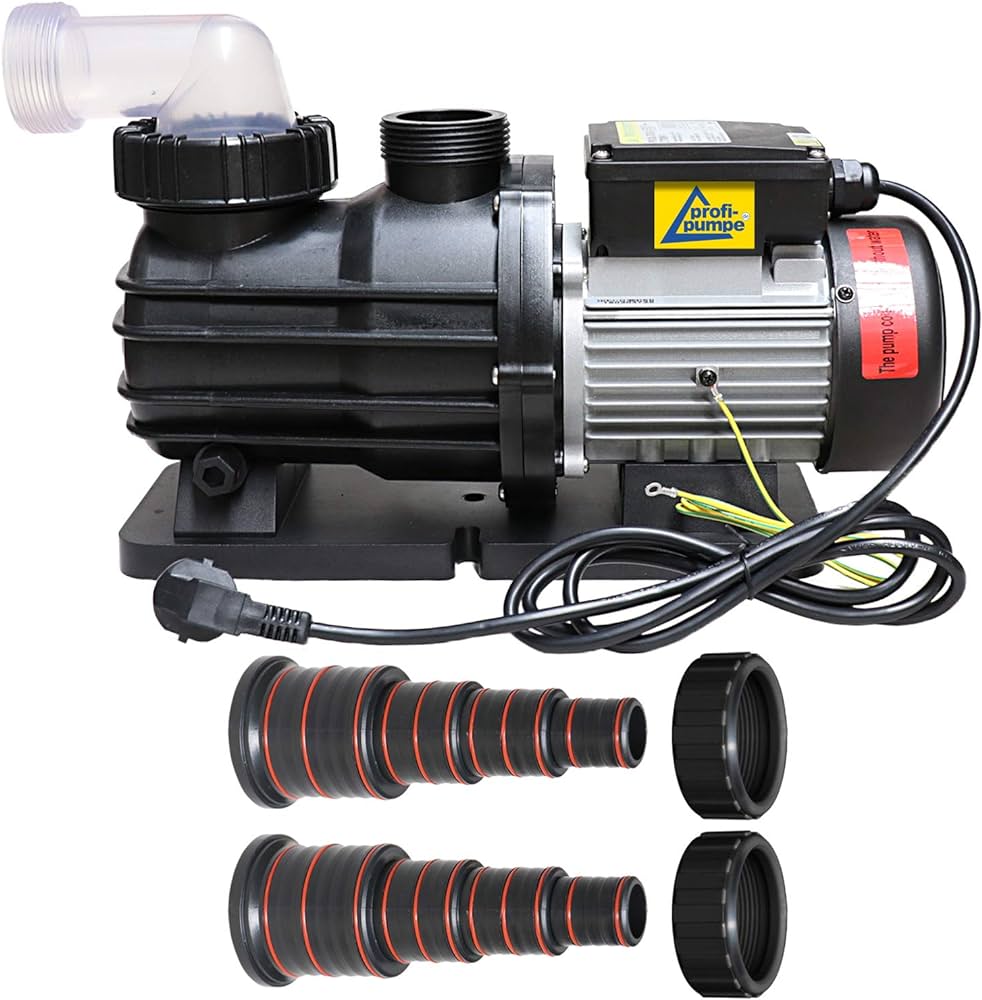
A pool pump plays a crucial role in the filtration process. It pulls water from the pool through the skimmer and main drain, then pushes it through the filter system to remove impurities and particles. By running the pump consistently, you can effectively trap debris, dirt, and contaminants, resulting in clearer and cleaner water.
Prevent Algae Growth
Algae growth is a common problem for pool owners, and it can quickly turn your sparkling oasis into a green and murky mess. Regularly running the pool pump helps to prevent algae growth by circulating the water and distributing pool chemicals evenly. This constant movement inhibits the growth of algae and ensures that any spores or bacteria are continuously exposed to the sanitizing effects of chlorine or other disinfectants.
Factors to Consider
Pool Size
The size of your pool is an important factor to consider when determining how long to run your pool pump. Larger pools generally require longer pump run times to ensure proper filtration and circulation. Smaller pools, on the other hand, may need less time to achieve the same results. It’s crucial to consider the volume of water in your pool when figuring out the optimal pump run time.
Location and Climate
The location of your pool and the climate in your area can also impact the pump run time. If you live in a region with high temperatures and excessive sunlight, you may need to run your pool pump for longer periods to combat evaporation and maintain water quality. Additionally, if your pool is surrounded by trees or foliage, more debris may enter the pool, necessitating increased filtration and circulation time.
Usage Frequency
The frequency at which you use your pool is another important factor to consider. If you have a busy household where the pool is regularly occupied, you’ll likely need to run the pump for longer durations to ensure proper filtration and sanitation. On the other hand, if your pool sees limited use, you may be able to adjust the pump run time accordingly.
Typical Pump Run Times
Hot Summer Months
During the hot summer months, when pool usage tends to be at its highest, it’s recommended to run the pool pump for around 8-10 hours per day. The increased usage and higher temperatures during this season make it crucial to maintain consistent filtration and circulation.
Mild Weather
In milder weather conditions, where pool usage may decrease and water temperature is lower, running the pump for 6-8 hours a day is usually sufficient to maintain water quality.
Winter Season
In colder regions or during the winter season when the pool is not in use, it’s generally recommended to run the pump for 4-6 hours daily. This shorter duration is necessary to prevent freezing and potential damage to the pool’s plumbing and equipment.
Time of Day
Peak Electricity Usage
Determining the best time of day to run your pool pump can also impact energy consumption and costs. If your electricity provider charges higher rates during peak demand hours, it’s advisable to run the pump during off-peak times to save on electricity costs.
Off-Peak Electricity Usage
Running the pool pump during off-peak hours not only helps save money but can also benefit the overall performance of the pool. By running the pump at night or during non-peak hours, you reduce the strain on the electrical grid and ensure consistent water circulation and filtration without competing with other household appliances for electricity.
Energy Saving Tips
Install a Variable Speed Pump
One of the most effective ways to save energy and reduce costs is by installing a variable speed pump. Unlike traditional single-speed pumps, variable speed pumps allow you to adjust the flow rate and runtime of the pump based on your pool’s specific needs. This flexibility allows for optimal energy efficiency and can significantly reduce electricity consumption.
Reduce Filtration Time
Periodically assessing your pool’s filtration needs can help determine if your current pump run time is too long. By conducting regular water tests and monitoring the pool’s overall cleanliness, you can adjust the filtration time accordingly. Reducing the pump run time while maintaining water quality can result in substantial energy savings.
Optimize Filtration System
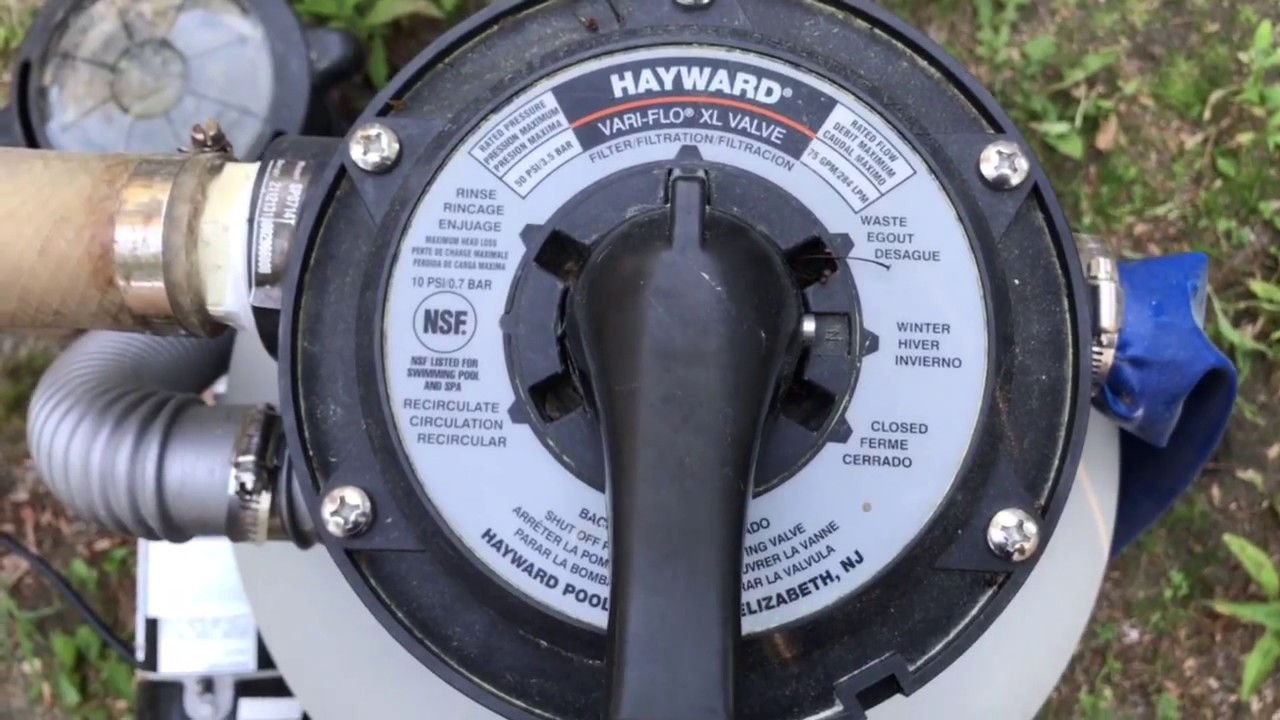
Ensuring that your pool’s filtration system is clean and well-maintained can also contribute to energy savings. Regularly cleaning or replacing the pool filter and checking for any blockages or obstructions will improve the system’s efficiency, allowing the pump to operate optimally with less energy consumption.
Importance of Consistency
Maintaining Water Balance
Consistency is key when it comes to running a pool pump. Regular and consistent operation of the pump helps maintain proper water balance by preventing stagnation, which can lead to the growth of bacteria and algae. By continuously circulating and filtering the water, you can ensure that chemicals are evenly distributed and effectively sanitize the pool.
Preventing Equipment Damage
Running the pool pump consistently is not only beneficial for the water but also for the pool equipment. Without proper circulation, debris and particles can accumulate in the plumbing and filtration system, leading to clogs and potential damage. The constant flow of water helps prevent blockages and prolongs the life of your pool equipment.
Maximizing Efficiency
Consistently running the pool pump optimizes its efficiency and effectiveness. By following a regular schedule and adhering to recommended run times, you can maintain the proper water flow, filtration, and circulation needed for a clean and healthy pool. This efficiency ensures that your pool remains in peak condition and minimizes the need for costly repairs or interventions.
Monitoring and Adjusting Run Times
Observing Water Clarity and Quality
Regularly monitoring the clarity and quality of your pool water is essential for determining if your pump run time needs adjustment. If you notice cloudy water, excessive debris, or an unusual smell, it may indicate that the pump run time is insufficient. By observing these signs and making necessary adjustments, you can ensure optimal water quality and avoid potential issues.
Checking Filtration System
Periodically checking your pool’s filtration system is another important step in monitoring and adjusting pump run times. Inspecting the pool filter for accumulated debris, cleaning or replacing it as needed, and ensuring that there are no obstructions in the filter or plumbing will enhance the pump’s efficiency. This maintenance can help determine if any changes to the pump run time are necessary.
Professional Advice
Consulting a Pool Service Technician
For personalized and expert advice on running a pool pump, it’s recommended to consult a pool service technician. They have the knowledge and experience to assess your pool’s specific needs and can provide guidance on the optimal pump run time based on factors such as pool size, usage frequency, and local climate conditions.
Seeking Experts’ Recommendations
Experts in the pool industry, such as manufacturers or organizations specializing in pool care, can also provide recommendations for pump run times. These recommendations are generally based on extensive research and experience, ensuring that you receive the most accurate and up-to-date information to help you maintain a clean and well-functioning pool.
Conclusion
Running a pool pump is essential for maintaining the cleanliness and integrity of your pool. By ensuring improved water circulation, enhanced filtration, and the prevention of algae growth, you can enjoy a sparkling pool year-round. Consider factors such as pool size, location, and climate when determining the optimal pump run time. Additionally, energy-saving tips such as installing a variable speed pump, reducing filtration time, and optimizing the filtration system can help minimize energy consumption and costs. Remember to be consistent with pump run times to maintain water balance, prevent equipment damage, and maximize efficiency. Regular monitoring and adjustments, as well as seeking professional advice, will contribute to a well-maintained pool that you can enjoy with confidence.