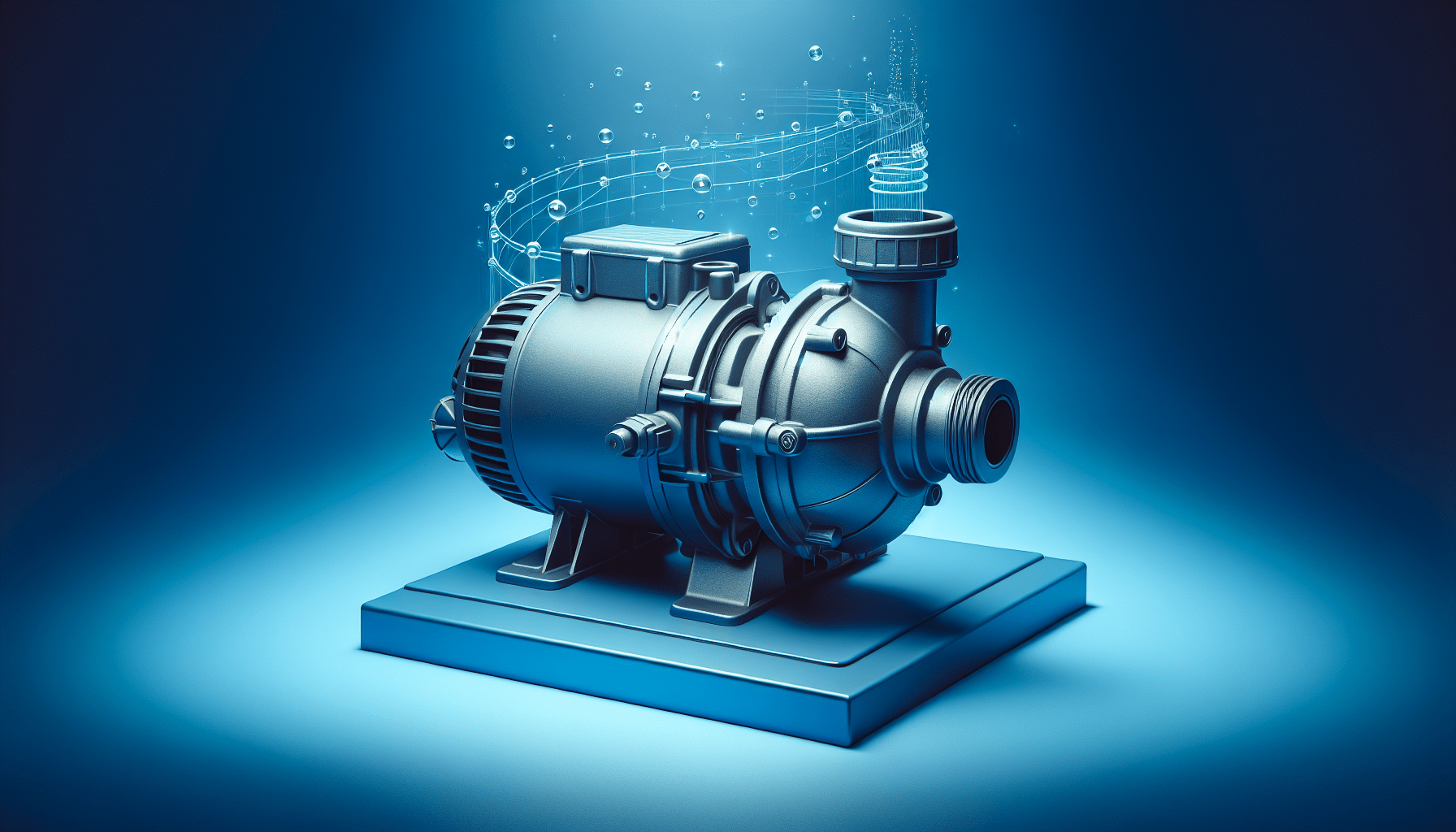
Are you tired of the incessant noise from your pool pump disrupting your peace and tranquility? Look no further, as this article will explore various pool pump soundproofing techniques that can help you enjoy a peaceful oasis in your backyard. Whether you’re a avid swimmer or simply enjoy lounging by the pool, the constant buzzing and whirring of a pool pump can be quite bothersome. Luckily, we have compiled a range of effective techniques that will significantly reduce the noise produced by your pool pump, allowing you to relax and unwind without any disturbances. Let’s dive into the world of pool pump soundproofing and discover the solutions that will bring serenity to your poolside paradise.
1. Understanding the Importance of Pool Pump Soundproofing
Why is pool pump soundproofing necessary?
When it comes to enjoying your pool, peace and quiet are key. That’s where pool pump soundproofing comes in. Pool pumps can generate a significant amount of noise, which can be quite bothersome for you, your family, and your neighbors. Taking the time to soundproof your pool pump not only enhances your pool experience but also ensures a peaceful environment around your swimming area.
Effects of noisy pool pumps on the pool environment
A noisy pool pump can have several negative effects on your pool environment. Firstly, the constant noise can be irritating and detract from the overall enjoyment of your pool experience. The loud vibrations and humming can also disrupt your relaxation and make it difficult to have conversations or simply unwind by the water.
Additionally, if you have neighboring houses or close proximity to other outdoor spaces, the noise from your pool pump can disturb the peace and tranquility of those areas as well. This may lead to complaints, strained relationships, or even legal issues.
2. Identifying Common Causes of Pool Pump Noise
Vibration from the pump motor
One of the main culprits behind pool pump noise is the vibration generated by the pump motor. As the motor operates, it produces vibrations that can be transmitted through the pump housing and into the surrounding area, causing unwanted noise.
Air leaks and loose fittings
Air leaks and loose fittings in the pool pump system can contribute to the noise issue. When there are leaks or fittings that are not properly secured, air can escape or enter the system, resulting in a rattling or hissing sound.
Inadequate insulation of the pump housing
Insufficient insulation within the pump housing can also lead to excessive noise. If the pump housing is not properly insulated, the vibrations and sounds produced by the motor can easily escape and resonate in the surrounding environment.
Lack of proper maintenance
Regular maintenance of your pool pump is crucial for keeping noise levels to a minimum. Neglecting maintenance tasks such as lubricating moving parts, tightening fittings, and replacing worn-out components can contribute to increased noise levels.
3. DIY Soundproofing Techniques for Pool Pumps
Installing a pump mat or anti-vibration pad
One effective DIY solution for reducing pool pump noise is to install a pump mat or anti-vibration pad. These specialized mats or pads provide a buffer between the pump and its mounting surface, absorbing and dampening vibrations. This simple addition can significantly reduce noise levels.
Using acoustic foam or insulation to cover the pump housing
Another cost-effective DIY soundproofing technique is to cover the pump housing with acoustic foam or insulation. This helps to absorb and muffle the noise produced by the pump motor. Ensure that the foam or insulation is properly fitted and securely sealed to prevent noise leaks.
Creating a sound barrier with a wooden enclosure
If you’re looking for a more aesthetically pleasing solution, consider building a wooden enclosure around your pool pump. This acts as a sound barrier, blocking the noise from escaping into the surrounding area. Choose high-density wood and consider adding acoustic foam or insulation to the interior walls for enhanced soundproofing.
Ensuring proper sealing and caulking to minimize air leaks
To address the issue of air leaks and loose fittings, it’s important to inspect the pump system for any areas that require sealing or caulking. Use appropriate sealants or caulking materials to seal gaps and ensure a tight fit, preventing air from escaping or entering the system and reducing noise caused by air leaks.
Regular maintenance and repairs to reduce noise
A key aspect of DIY soundproofing is regular maintenance and repairs. Simple tasks such as tightening fittings, lubricating the motor, and replacing worn-out parts can go a long way in reducing noise levels. Establish a maintenance schedule and adhere to it to ensure continued noise reduction.
4. Professional Soundproofing Solutions for Pool Pumps
Consulting with a pool pump specialist or acoustic engineer
For more complex noise issues or if DIY techniques aren’t sufficient, it’s worth considering the expertise of a pool pump specialist or acoustic engineer. These professionals can assess your specific situation and provide tailored recommendations to effectively soundproof your pool pump.
Installing a soundproof pump enclosure or shed
One of the most effective professional soundproofing solutions is to install a soundproof pump enclosure or shed. These structures are specifically designed to minimize noise transmission from the pump motor. They are typically made of high-quality sound-absorbing materials and provide a dedicated space for your pump, isolating it from the surrounding environment.
Using noise-reducing fittings and accessories
Another professional solution for reducing pool pump noise is to use noise-reducing fittings and accessories. These specialized components are designed to minimize vibrations and sound transmission within the pump system. Examples include rubber fittings, flexible piping, and vibration dampeners.
Upgrading to a quieter pool pump model
If you’re experiencing persistent noise issues with your current pool pump, it may be worthwhile to consider upgrading to a quieter model. Newer pool pump models often incorporate advanced sound-dampening technology, reducing noise levels significantly. Consult with a pool pump specialist to find the best option for your pool.
5. Noise Reduction Techniques for In-Ground Pools
Separating the pump from the pool structure
A common technique for reducing noise in in-ground pools is to separate the pump from the pool structure. By installing the pump in a separate location away from the main pool area, you can minimize noise transfer. This can be achieved by utilizing a dedicated equipment room or installing the pump in an underground pit.
Installing flexible piping to minimize vibrations
To further reduce noise in in-ground pools, consider using flexible piping instead of rigid plumbing. Flexible piping helps to absorb vibrations and prevents them from traveling through the plumbing system. This can greatly reduce the noise produced by the pump.
Using underwater pump enclosures
An innovative solution for noise reduction in in-ground pools is the use of underwater pump enclosures. These enclosures are designed to be installed below the waterline, completely submerging the pump. By submerging the pump, water acts as a natural sound insulator, effectively reducing noise levels.
6. Noise Reduction Techniques for Above-Ground Pools
Creating a sound barrier around the pump
For above-ground pools, creating a sound barrier around the pump can significantly reduce noise levels. This can be accomplished by constructing a wall or fence around the pump area using materials that have soundproofing properties. Ensure that the barrier is properly sealed to prevent noise leakage.
Using water-filled fencing or barriers
Another effective technique for noise reduction in above-ground pools is the use of water-filled fencing or barriers. These barriers act as a buffer between the pump and the surrounding area, absorbing and dampening vibrations and noise. Water-filled barriers are particularly effective due to the sound-dampening properties of water.
Insulating the pool pump housing
Similar to in-ground pools, above-ground pool pump noise can be reduced by insulating the pump housing. Applying acoustic foam or insulation to the pump housing helps to absorb sound and prevent noise from escaping. Securely seal the insulation or foam to ensure optimal noise reduction.
7. Noise Control Measures during Pool Construction
Considering the pump placement during pool design
To optimize noise reduction during pool construction, it’s important to consider the pump placement from the onset. Work with your pool designer or contractor to strategically plan the pump location, taking into account factors such as distance from the pool, potential noise transfer, and accessibility for maintenance.
Incorporating noise-reducing features during pool construction
During pool construction, there are several features that can be incorporated to help reduce noise levels. These features include using sound-absorbing materials for pool walls and surrounding structures, designing pump housing with built-in insulation, and ensuring proper sealing of connections and joints within the pump system.
8. Maintenance Tips to Ensure Continued Noise Reduction
Regularly inspecting and tightening fittings
Maintaining reduced noise levels requires regular inspections of fittings and connections. It’s essential to regularly inspect and tighten any loose fittings to prevent noise-causing vibrations. Establish a maintenance routine and check fittings at regular intervals to ensure continued noise reduction.
Replacing worn-out insulation or anti-vibration materials
Over time, insulation and anti-vibration materials can wear out, compromising their effectiveness. It’s important to monitor the condition of these materials and replace them as needed. Worn-out or damaged insulation should be promptly replaced to maintain optimal noise reduction.
Cleaning and lubricating the pump motor
Proper maintenance of the pump motor is crucial for noise reduction. Regularly cleaning the motor and ensuring it is free from dirt and debris can help prevent unnecessary vibrations and noise. Additionally, lubricating moving parts with appropriate lubricants will minimize friction and reduce noise levels.
Monitoring for unusual noise or vibrations
To ensure continued noise reduction, it’s important to be vigilant and monitor for any unusual noise or vibrations coming from your pool pump. Unexplained changes in noise levels may indicate a maintenance or repair issue. Promptly addressing any abnormalities can help prevent further damage and maintain a quiet pool environment.
9. Understanding Pool Pump Noise Regulations
Local noise regulations and restrictions
Before implementing any soundproofing measures for your pool pump, it’s important to familiarize yourself with local noise regulations and restrictions. Different areas may have specific guidelines regarding acceptable noise levels. Ensure that your pool pump noise falls within the permissible limits to avoid potential fines or legal action.
Obtaining necessary permits for soundproofing
Depending on the complexity of your soundproofing project, you may need to obtain permits or approvals from local authorities. It’s crucial to understand and comply with any permit requirements or guidelines before proceeding with your soundproofing efforts. Failure to do so may result in delays or penalties.
10. Conclusion
In conclusion, pool pump soundproofing is essential for creating a peaceful and enjoyable pool environment. By understanding the common causes of pool pump noise and implementing various soundproofing techniques, you can significantly reduce noise levels and enhance your pool experience. Whether you opt for DIY solutions or seek professional assistance, taking steps to minimize pool pump noise is not only considerate to those around you but also ensures your own relaxation and tranquility. So don’t let the noise dampen your pool enjoyment – take action today and make your pool a quiet oasis!