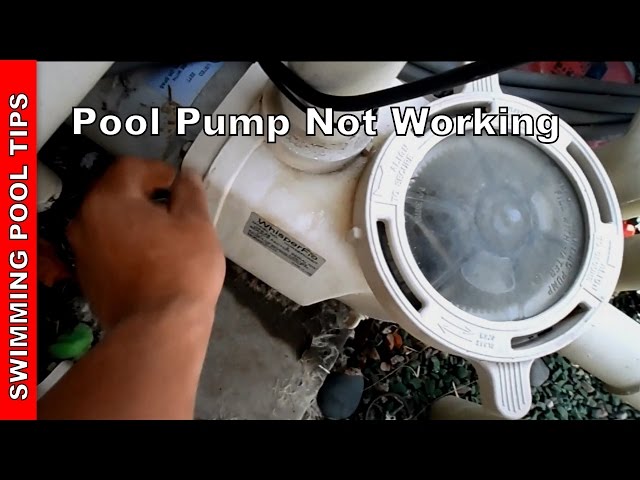
If you have a pool, you’ve probably wondered whether you should leave the pool pump on all the time. After all, what’s the harm in keeping it running constantly, right? Well, before you make a decision, it’s important to understand the potential benefits and drawbacks of leaving your pool pump on 24/7. In this article, we’ll explore the reasons why you might consider keeping your pool pump running continuously, as well as the factors that may sway you in the other direction. So, grab your favorite drink, sit back, and let’s dive into the world of pool pump maintenance!

Benefits of Leaving the Pool Pump On
Proper Circulation of Water
Leaving the pool pump on can greatly benefit your pool by ensuring proper circulation of water. When the pump is running, it helps to move the water around the pool, preventing stagnant areas and promoting even distribution of chemicals and heat. This is especially important in larger pools or those with complex shapes, where it can be challenging for the water to naturally circulate. With the pump running constantly, you can maintain healthy water quality throughout the pool.
Enhanced Filtration
One of the significant advantages of leaving the pool pump on is enhanced filtration. The pump pulls water through the pool’s filtration system, trapping debris, dirt, and other impurities. By continuously running the pump, you can ensure that the filtration process is continuous, effectively removing contaminants from the water. This is especially crucial in environments with high levels of dust, pollen, and other airborne particles that can find their way into the pool.
Chemical Distribution
The constant operation of the pool pump also helps with chemical distribution. When you add chemicals such as chlorine or pH balancers to your pool, the pump circulates them throughout the pool, ensuring that they are evenly distributed. Without proper distribution, certain areas of the pool may have inadequate chemical levels, leading to imbalanced water chemistry and potential health hazards. By leaving the pump on, you can help maintain a safe and clean swimming environment for you and your family.
Prevention of Algae Growth
Algae growth can be a persistent problem in swimming pools, especially in warmer climates or during periods of extended non-use. However, by leaving the pool pump on, you can significantly hinder algae growth. The continuous circulation of water prevents the algae from settling and multiplying in stagnant areas of the pool. Additionally, the flowing water helps distribute chemicals, such as algaecides, effectively combating and preventing algae formation. Leaving the pump on is a simple yet effective measure to keep your pool algae-free.
Drawbacks of Leaving the Pool Pump On
Increased Energy Consumption
Leaving the pool pump on all the time can lead to increased energy consumption. Pool pumps typically require a substantial amount of electricity to operate, and leaving them running continuously can significantly impact your energy bills. It is essential to consider the energy costs associated with running the pump constantly, especially if you have a large pool or frequently use additional pool equipment like heaters or water features that also consume energy.
Higher Operational Costs
Along with increased energy consumption, keeping the pool pump on at all times can lead to higher operational costs. The constant operation puts additional strain on the pump, potentially leading to more frequent repairs or even the need for a replacement. Over time, these costs can add up, affecting your overall budget for pool maintenance. It is crucial to weigh the benefits against the potential expenses when deciding whether to leave the pump running continuously.
Excessive Wear and Tear
Continuous operation of the pool pump can result in excessive wear and tear. The constant running of the motor, impeller, and other components can cause them to deteriorate more quickly, leading to a shorter lifespan for the pump. Additionally, the increased strain on the system due to constant operation can result in higher maintenance requirements and a higher likelihood of malfunctions. Regular inspections and servicing are necessary to mitigate the effects of wear and tear on the pump.
Noise Disturbance
Leaving the pool pump on all the time can also cause noise disturbance, especially if the pump is located near living or sleeping areas. The constant humming of the motor can be disruptive and annoying, affecting your peaceful enjoyment of your backyard. If noise is a concern, either consider relocating the pump to a more insulated area or opt for alternative strategies, such as utilizing a timer, to limit the pump’s operation during quiet hours.

Factors to Consider
Pool Size
The size of your pool plays a significant role in determining whether you should leave the pump on continuously. Larger pools often require more circulation and filtration to maintain water quality, making it more beneficial to have the pump running constantly. Smaller pools, on the other hand, may not require constant circulation and can suffice with shorter pump run times.
Climate Conditions
The climate in which your pool is located is another crucial factor to consider. Warmer climates or regions with higher humidity levels may require more frequent circulation and filtration to prevent the growth of algae and maintain water quality. In these cases, leaving the pump on all the time could be beneficial. However, in cooler climates or during periods of low pool usage, shorter pump run times may be sufficient.
Pool Usage
How often you use your pool also affects the pump’s operation. If you use your pool frequently, leaving the pump on all the time can ensure that the water remains clean and safe. However, if your pool sees minimal use, you can schedule the pump to run during specific periods, such as a few hours before and after each use, to maintain proper circulation and filtration without incurring excessive energy costs.
Filtration System Efficiency
The efficiency of your pool’s filtration system is an important aspect to consider. If you have an older or less efficient filtration system, leaving the pump on all the time can compensate for its limitations by providing continuous filtration. However, if you have a newer and highly efficient system, shorter pump run times may be sufficient to maintain water quality. Consult with a pool professional to evaluate the efficiency of your filtration system and determine the optimal pump operation.
Energy Costs
The cost of energy in your area should also be taken into consideration. Higher energy costs can make leaving the pump on all the time more financially burdensome. Evaluate your electricity rates and calculate the energy consumption of your pump to determine whether continuous operation is economically feasible for you. There may be alternative strategies that allow you to balance energy savings and pool maintenance effectively.
Best Practices for Pool Pump Operation
Determining Optimal Run Time
To find the optimal run time for your pool pump, start by considering factors such as pool size, filtration system efficiency, and climate conditions. Experiment with different durations while monitoring water quality and adjusting as necessary. In general, running the pump for 6 to 8 hours a day during peak usage and reducing it to 4 to 6 hours during periods of lighter usage can help strike a balance between water circulation and energy consumption.
Investing in Energy-Efficient Equipment
If you decide to leave the pool pump on for longer periods, consider investing in energy-efficient equipment. Energy Star-rated pool pumps, such as variable speed pumps, can significantly reduce energy consumption while maintaining proper water circulation. These pumps adjust their speed according to your pool’s needs, allowing for optimal filtration with minimal energy usage. Although they may have a higher upfront cost, the long-term energy savings can offset the investment.
Regular Maintenance and Cleaning
Proper maintenance and cleaning of your pool’s filtration system are essential for its efficient operation. Regularly clean the pump basket, skimmer baskets, and pool filters to remove any debris that could impact water flow. Inspect the system for leaks or any signs of damage. Additionally, consider hiring a professional for routine servicing to maximize the lifespan and performance of your pool pump.

Alternative Strategies
Using a Timer
Using a timer is an effective way to control the operation of your pool pump without the need for constant monitoring. Set the timer to turn the pump on and off at specific intervals, taking into account factors such as pool size and usage patterns. This allows you to maintain proper water circulation and filtration while limiting energy consumption to specific periods.
Utilizing Variable Speed Pumps
Variable speed pumps offer a versatile option for pool owners. These pumps can operate at different speeds, allowing you to adjust the flow rate based on your pool’s needs. By utilizing lower speeds during periods of lighter usage, you can save on energy costs while still maintaining adequate water circulation. Variable speed pumps also provide the advantage of quieter operation compared to traditional single-speed pumps.
Implementing Pool Covers
Pool covers provide an additional layer of protection and can help reduce the need for constant pump operation. By covering your pool when it is not in use, you can minimize evaporation, heat loss, and debris accumulation. This means that the pool pump may not need to run as often to maintain water quality. Pool covers are particularly beneficial for periods of extended non-use, such as vacations or colder months when pool activity is minimal.
Conclusion
The decision of whether to leave your pool pump on all the time depends on various factors, including proper circulation of water, enhanced filtration, chemical distribution, prevention of algae growth, increased energy consumption, higher operational costs, excessive wear and tear, and noise disturbance. It is important to consider the size of the pool, climate conditions, pool usage, filtration system efficiency, and energy costs when making this decision.
To get the most out of your pool pump operation, it is recommended to determine the optimal run time based on your specific circumstances. Additionally, investing in energy-efficient equipment, conducting regular maintenance and cleaning, and exploring alternative strategies like using timers, variable speed pumps, and pool covers can help you strike a balance between pool maintenance and energy conservation.
Ultimately, maintaining a clean and safe swimming environment is essential for your enjoyment and the longevity of your pool. By considering the benefits, drawbacks, and factors involved, you can make an informed decision on whether leaving the pool pump on all the time is the right choice for you.