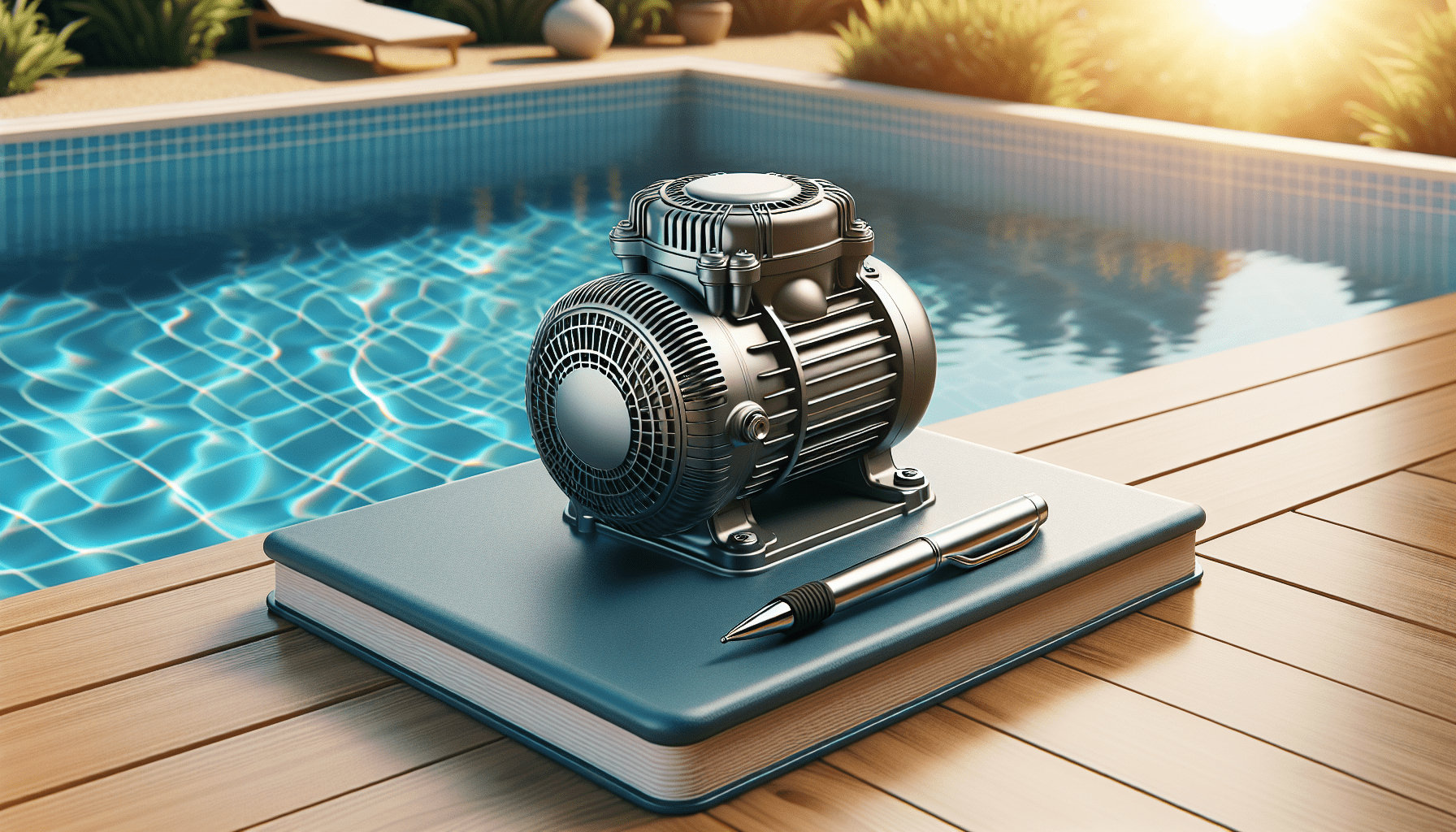
Looking to maximize the efficiency of your pool pump? In this article, you’ll discover some valuable insights and practical tips on how to make your pool pump more efficient. By making small adjustments and understanding the key factors that affect its efficiency, you can save both energy and money while still enjoying a clean and sparkling pool. Whether you’re a seasoned pool owner or just starting out, these simple yet effective strategies will help you get the most out of your pool pump without compromising on performance. So, let’s dive right in and explore the world of pool pump efficiency!

What is Pool Pump Efficiency
Pool pump efficiency refers to the ability of a pool pump to perform its function of circulating and filtering water while using the least amount of energy. A more efficient pool pump can effectively maintain water clarity and cleanliness while minimizing energy consumption. By operating at a higher efficiency, pool pumps can help reduce energy costs and promote sustainable practices in pool maintenance.
Efficiency Definition
Efficiency is the ratio of the useful work or energy output to the amount of energy input. In the context of pool pumps, efficiency is typically measured as the pump’s flow rate in relation to the amount of power it consumes. The higher the flow rate per unit of power, the more efficient the pump is considered to be. Efficiency is usually expressed as a percentage, with higher percentages indicating better performance.
Importance of Pool Pump Efficiency
The efficiency of a pool pump is crucial for several reasons. Firstly, an inefficient pump can significantly increase energy costs, as it requires more electricity to operate. By improving efficiency, pool owners can save money on their energy bills. Additionally, energy-efficient pool pumps contribute to sustainability efforts by reducing overall energy consumption, which in turn helps to minimize their environmental impact.
Furthermore, an efficient pool pump plays a vital role in maintaining water quality. The pump’s ability to circulate and filter water properly ensures that impurities, such as dirt, leaves, and bacteria, are effectively removed. This promotes healthier and safer swimming conditions for pool users. By maintaining optimal filtration and circulation, a efficient pool pump can also extend the lifespan of other pool equipment, such as the filter and heater.
Factors Affecting Pool Pump Efficiency
Several factors can impact the overall efficiency of a pool pump. Understanding these factors is essential for choosing the right pump and maximizing its performance.
Pump Size and Horsepower
The size and horsepower of a pool pump directly affect its energy consumption and efficiency. An oversized pump may result in unnecessary energy usage, while an undersized pump may not effectively circulate and filter the water. It is crucial to select a pump with the appropriate size and horsepower for the specific needs of your pool.
Optimal Flow Rate
The flow rate of a pool pump refers to the amount of water it can circulate in a given time period. Finding the optimal flow rate for your pool is crucial for achieving the best filtration and circulation. A flow rate that is too high can strain the system and waste energy, while a flow rate that is too low may result in inadequate filtration. Striking the right balance is essential for efficiency.
Filter Condition
The condition of the pool filter can significantly impact the efficiency of the pump. A dirty or clogged filter can restrict water flow, forcing the pump to work harder and consume more energy. Regular cleaning and maintenance of the filter are necessary to maintain optimal pump efficiency.
Pipe Diameter and Length
The diameter and length of the plumbing pipes can also affect pump efficiency. Narrow and long pipes create more resistance, which increases energy consumption. Proper pipe sizing and layout can help minimize resistance and maximize efficiency.
Resistance in Plumbing System
The plumbing system itself can introduce resistance to the pump’s operation. This resistance is caused by various factors, including the type and length of pipes, bends, fittings, and pool accessories. Minimizing resistance in the plumbing system is crucial for improving pump efficiency.
Choosing the Right Pool Pump
Selecting the right pool pump is essential for maximizing efficiency and achieving optimal performance. Consider the following factors when choosing a pump for your pool:
Determining Pump Size and Horsepower
To determine the appropriate pump size and horsepower for your pool, consider factors such as the pool volume, turnover rate, and any additional features or accessories that may require additional pumping power. Consulting with a pool professional can help ensure accurate sizing and selection.
Matching Pump Flow Rate with Pool Size
The flow rate of the pump should be matched with the size of the pool. A larger pool requires a higher flow rate to ensure proper water circulation and filtration. However, it is essential to find the right balance to avoid unnecessary energy consumption.
Considering Energy Efficiency
When selecting a pool pump, prioritize energy efficiency ratings. Look for pumps that are ENERGY STAR certified or meet other energy efficiency standards. These pumps are designed to operate using less energy while still maintaining optimal performance.
Variable Speed vs Single Speed Pumps
Consider choosing a variable speed pump instead of a traditional single-speed pump. Variable speed pumps allow you to adjust the flow rate based on your pool’s specific requirements, resulting in better energy efficiency. These pumps can operate at lower speeds for routine filtration and circulation tasks, then ramp up to higher speeds when needed.
Maintaining Pool Pump Efficiency
Efficiency is not a one-time achievement but requires ongoing effort and maintenance. By following these practices, you can maximize the efficiency and longevity of your pool pump:
Regular Cleaning and Maintenance
Regularly inspect and clean the pump strainer basket and the pool filter. Remove any debris or clogs that can restrict water flow. Keeping these components clean and well-maintained allows the pump to work more efficiently and reduces the risk of damage.
Properly Managing Water Chemistry
Maintaining balanced water chemistry can help prevent the accumulation of contaminants and reduce the strain on the pump. By regularly testing and adjusting the water chemistry, you can ensure optimal pump performance and minimize energy consumption.
Using a Pool Cover
One effective way to minimize energy consumption and maximize efficiency is by using a pool cover. A pool cover prevents heat loss and reduces evaporation, which can result in significant energy savings. Additionally, covering the pool when it’s not in use helps prevent debris from entering the water, reducing the strain on the pump and filter.
Utilizing Timers and Automation
Installing timers and automation systems can help optimize pump efficiency by controlling the operating hours. Set timers to run the pump during off-peak hours when electricity rates are typically lower. Automation systems can also regulate pump speed and duration based on pre-programmed schedules or water quality parameters, further enhancing efficiency.
Benefits of Pool Pump Efficiency
Investing in an efficient pool pump yields several benefits beyond just energy savings. These include:
Energy Savings
One of the most significant benefits of pool pump efficiency is reduced energy consumption, leading to lower utility bills. By selecting an energy-efficient pump and implementing best practices, you can achieve substantial energy savings over time.
Extended Pump Lifespan
Efficient pumps experience less strain and operate more smoothly, leading to a longer lifespan. By taking steps to optimize pump efficiency and reduce wear and tear, you can extend the life of your pump, minimizing the need for premature replacement.
Improved Water Circulation and Filtration
Efficient pumps ensure that the entire pool volume is adequately circulated and filtered, resulting in cleaner and clearer water. This not only promotes a more enjoyable swimming experience but also contributes to the overall health and safety of the pool environment.
Reduced Chemical Usage
Proper circulation and filtration provided by an efficient pump can reduce the reliance on chemical treatments to maintain water quality. By ensuring that the water is adequately circulated and filtered, you may be able to reduce the amount of chemicals required, resulting in cost savings and reduced chemical exposure for swimmers.
Government Regulations and Incentives
Recognizing the importance of pool pump efficiency, governments and utility companies have implemented regulations and incentive programs to encourage energy-efficient pool pump usage.
Energy Efficiency Standards
Many countries have established energy efficiency standards for pool pumps. These standards set criteria for minimum pump efficiency levels, ensuring that only efficient pumps can be sold and installed. These regulations help promote the use of energy-saving technologies in swimming pool maintenance.
Utility Rebates and Incentive Programs
Utility companies may offer rebates or incentives to encourage pool owners to upgrade to more efficient pumps. These programs aim to reduce overall energy consumption and reward individuals who prioritize energy efficiency. Check with your local utility company to see if any incentives are available in your area.
Case Study: Pool Pump Efficiency Results
To better understand the impact of pool pump efficiency, let’s consider a before and after scenario of pump replacement.
Before and After Pump Replacement
In this case study, a pool owner initially had an older, single-speed pump that consumed a considerable amount of energy. After upgrading to a variable speed pump, the pool owner experienced significant improvements in efficiency and performance. The new pump allowed for more precise control of flow rates, resulting in optimized filtration and circulation.
Energy Consumption Comparison
By comparing the energy consumption before and after pump replacement, the pool owner noticed a substantial reduction in energy usage. The variable speed pump operated at lower speeds for routine filtration, resulting in energy savings of up to 80% compared to the previous single-speed pump.
Cost Savings Analysis
The reduced energy consumption led to substantial cost savings for the pool owner. The lower energy bills, combined with potential utility rebates or incentives, allowed for a shorter payback period for the investment in the new pump. Over time, the cost savings continued to accumulate, providing a positive return on investment.
Conclusion
Pool pump efficiency is a crucial aspect of pool maintenance that offers numerous benefits. By selecting the right pump, maintaining its efficiency through regular cleaning and maintenance, and implementing energy-saving practices, pool owners can enjoy significant cost savings, prolonged pump lifespan, improved water circulation and filtration, and reduced chemical usage. Government regulations and incentive programs further support the adoption of efficient pool pump technologies, making it easier for pool owners to make environmentally friendly choices. By prioritizing pool pump efficiency, you can save money, reduce your environmental footprint, and enhance your overall swimming experience. Remember, maintaining efficiency is an ongoing process, so stay proactive in optimizing your pool pump’s performance and longevity.