Looking to keep your pool sparkling clean all summer long? Look no further than Pool Diatomaceous Earth (DE) Filters. These filters, known for their incredible filtration capabilities, are a must-have for any pool owner. With Pool DE Filters, you can say goodbye to cloudy and dirty water, and enjoy crystal clear pool water that everyone will love. Dive into the world of Pool DE Filters and discover how they can revolutionize your pool maintenance routine.
What is a Diatomaceous Earth (DE) Filter?
Definition
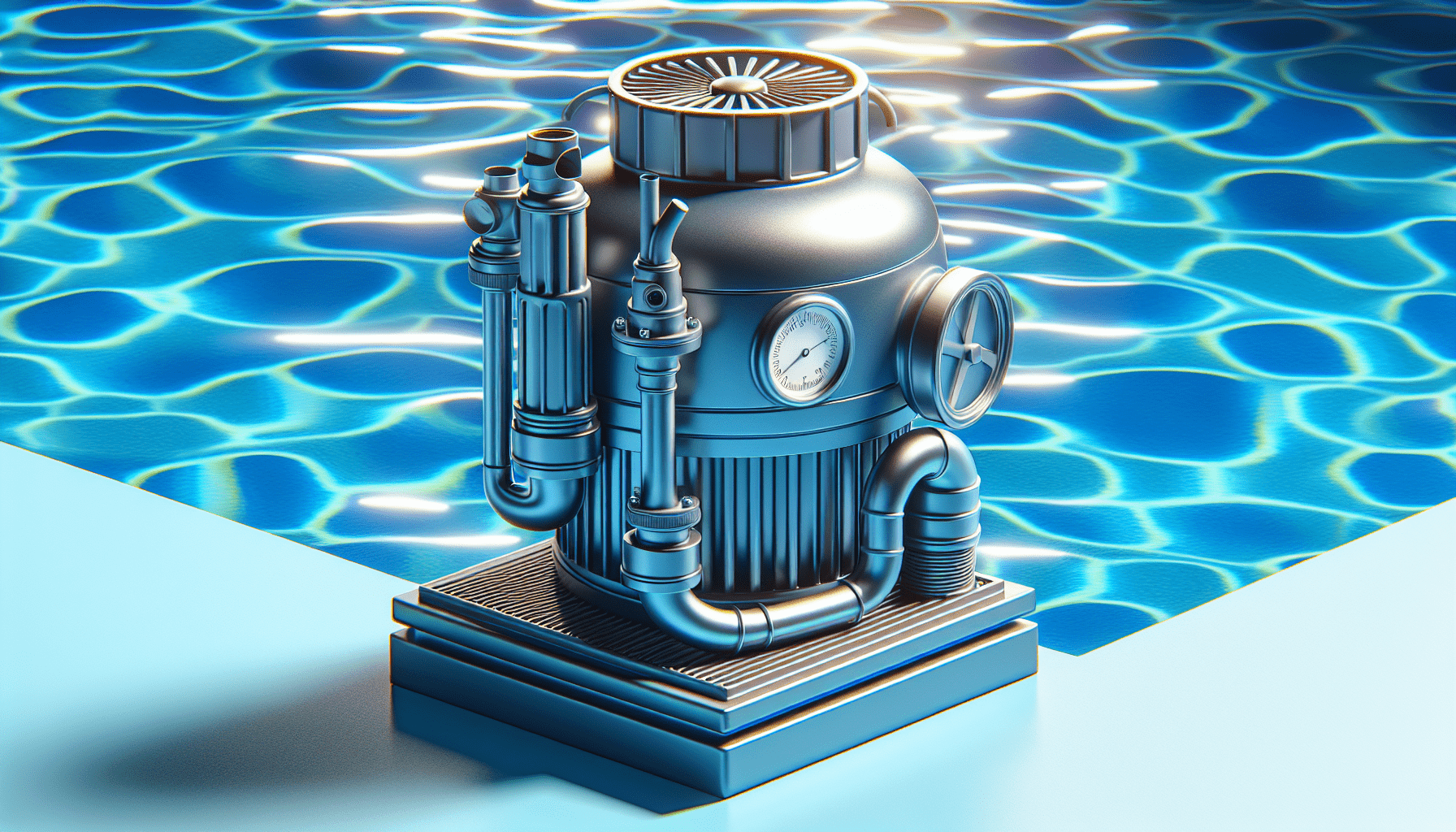
A Diatomaceous Earth (DE) filter is a type of pool filter that uses a fine powder made from the fossilized remains of diatoms, which are microscopic algae commonly found in oceans and freshwater habitats. The DE powder forms a layer on a filter grid or disk, trapping and removing particles and contaminants from the pool water.
Function
The main function of a DE filter is to remove impurities and particles from pool water through a process called filtration. It can remove debris as small as 2 to 5 microns, which is significantly smaller than what most other filters can achieve. DE filters are known for their superior filtration capabilities, making them highly effective in maintaining clean and clear pool water.
Advantages
There are several advantages to using a DE filter in your pool. Firstly, it provides superior filtration compared to other types of filters, ensuring that even the smallest particles are removed from the water. This results in cleaner and clearer pool water, providing a more enjoyable swimming experience. Additionally, DE filters are more energy-efficient than sand filters, which can save you money on electricity costs. Furthermore, DE filters require less frequent backwashing compared to sand filters, reducing water usage. Overall, the use of a DE filter can be highly advantageous in terms of water clarity, energy efficiency, and maintenance savings.
How Does a DE Filter Work?
Filter Media
The filter media used in a DE filter is a fine powder made from the fossilized remains of diatoms. These diatoms have a unique skeletal structure with tiny pores, giving DE its exceptional filtration properties. When the DE powder is added to the filter, it forms a layer on the filter grid or disk, creating a porous surface that captures and traps particles as the pool water passes through it.
Filtration Process
The filtration process of a DE filter involves several steps. First, the pool water enters the filter through the inlet pipe. The water then passes through the DE powder layer, where the particles and impurities get trapped. Clean, filtered water is then collected and returned to the pool through the outlet pipe. The DE powder acts as a sieve, effectively removing even the smallest dirt particles, debris, and contaminants from the water.
Cleaning and Maintenance
To maintain the efficiency of a DE filter, regular cleaning and maintenance are essential. Periodically, the filter will need to go through a process called backwashing, which involves reversing the flow of water through the filter to remove accumulated debris and flush out the used DE powder. After backwashing, new DE powder should be added to the filter to replace the layer that was washed away. Additionally, the filter itself should be inspected for any damage or wear and tear, ensuring that it functions optimally.
Benefits of Using a DE Filter in Pools
Superior Filtration
One of the primary benefits of using a DE filter in pools is its superior filtration properties. DE filters can remove particles as small as 2 to 5 microns, which is significantly smaller than what sand or cartridge filters can handle. This level of filtration ensures that even the tiniest impurities, such as fine dust, pollen, and algae, are effectively captured and removed from the pool water. As a result, the water remains exceptionally clean and free from visible debris.
Water Clarity
The superior filtration provided by DE filters directly contributes to water clarity. With the removal of microscopic particles and impurities, the pool water appears crystal clear and sparkling. This not only enhances the aesthetic appeal of the pool but also improves the overall swimming experience. Swimmers can enjoy a visually pleasing and inviting pool environment, making their time in the water more enjoyable.
Energy Efficiency
DE filters are known for their energy efficiency compared to other filter types, such as sand filters. The use of DE powder allows for higher flow rates, which means the filter can deliver the same filtration performance with less resistance to the water flow. This results in lower energy consumption by the pool pump, reducing electricity costs in the long run. By choosing a DE filter, pool owners can enjoy efficient filtration without compromising on performance.
Choosing the Right DE Filter for Your Pool
Size
When selecting a DE filter for your pool, it is essential to consider the size of the filter in relation to the pool’s volume. The size of the DE filter is typically measured in square feet, indicating the surface area of the filter grid or disk. As a general guideline, pool experts recommend choosing a filter size that is at least 1.5 times the square footage of your pool. This ensures adequate filtration capacity and allows for efficient water circulation and debris removal.
Flow Rate
The flow rate is another crucial factor to consider when choosing a DE filter. It refers to the volume of water that can pass through the filter in a given time period, typically measured in gallons per minute (GPM). To determine the appropriate flow rate, you should consider the turnover rate of your pool, which is the time it takes for the entire pool volume to circulate through the filter. Aim for a DE filter with a flow rate that can provide complete turnover within 6 to 8 hours for optimal water filtration.
Pressure
Pressure is an indicator of the efficiency and cleanliness of a DE filter. It is measured in pounds per square inch (PSI) and reflects the resistance to water flow caused by the accumulated debris on the filter media. When choosing a DE filter, consider the recommended pressure range specified by the manufacturer. A filter operating within the optimal pressure range ensures proper filtration and minimizes strain on the pool pump. Regular monitoring and maintenance of the filter’s pressure are essential for optimal performance.
Installation and Setup
Preparation
Before installing a DE filter, proper preparation is necessary. Start by choosing a suitable location for the filter adjacent to the pool equipment. Ensure that there is ample space for maintenance and access to the filter. Check the local regulations or consult with a professional to ensure compliance with any safety or installation requirements. Additionally, gather all the necessary tools and materials, such as PVC pipes, connectors, and fittings, to facilitate a smooth installation process.
Plumbing Connections
The next step in the installation process is establishing plumbing connections. Connect the filter to the pool’s circulation system using PVC pipes and fittings. Pay attention to the correct alignment and orientation of the pipes to ensure smooth water flow. Use appropriate sealants or Teflon tape to prevent leaks at the connections. It is advisable to consult with a professional or refer to the manufacturer’s instructions for specific plumbing requirements and best practices.
Valve Settings
Once the plumbing connections are established, it is important to set the valves correctly for proper filter operation. The most common valve settings for a DE filter include Filter, Backwash, Rinse, and Closed. The Filter mode allows water to flow through the DE powder layer for regular filtration. The Backwash mode reverses the flow to clean the filter and remove accumulated debris. The Rinse mode is used to flush out any remaining debris after backwashing. The Closed mode isolates the filter and prevents water from entering or exiting during maintenance or winterization.
Regular Maintenance and Cleaning
Backwashing
Regular backwashing is an integral part of maintaining a DE filter. Backwashing involves reversing the flow of water through the filter to dislodge and flush out the accumulated debris and used DE powder. The frequency of backwashing depends on the size of the pool, bather load, and water conditions. As a general guideline, it is recommended to backwash the filter when the pressure gauge reaches 8 to 10 PSI above the clean pressure. This ensures optimal filter performance and extends the lifespan of the DE powder.
DE Powder Replacement
After backwashing, it is crucial to replenish the DE powder in the filter. Remove the filter cap or valve to access the filter grids or disk. Add the appropriate amount of DE powder to the filter, following the manufacturer’s instructions regarding the correct dosage. Distribute the DE powder evenly to form a new layer on the grid or disk. This replacement ensures effective filtration and helps maintain water clarity. The frequency of DE powder replacement depends on various factors, including filter size, pool usage, and water quality.
Filter Inspection
Regular inspection of the DE filter is necessary to identify any damage or wear and tear that may affect its performance. Check the filter housing, grid or disk, and associated connections for signs of leaks, cracks, or deterioration. Tighten loose fittings or replace damaged components as needed. Additionally, inspect the pressure gauge and ensure it is functioning accurately. By conducting regular inspections, you can catch potential issues early and address them promptly, prolonging the lifespan of your DE filter.
Troubleshooting Common DE Filter Issues
Low Filter Pressure
Low filter pressure is a common issue that can occur with DE filters. It is often caused by factors such as a clogged impeller, a dirty or damaged filter grid, or a malfunctioning pump. To troubleshoot low filter pressure, start by checking and cleaning the impeller and pump strainer basket. If the pressure does not improve, backwash the filter and inspect the filter grid for clogs or damage. In some cases, a faulty pump or impeller may require professional repair or replacement.
Leaks
Leaks can occur in various parts of a DE filter system, including the plumbing connections, filter housing, or valves. To identify and repair leaks, visually inspect the entire system for any signs of water leakage. Tighten loose fittings or replace damaged seals or O-rings. Apply sealant or Teflon tape to the threaded connections to ensure a watertight seal. If the leak persists, consult with a professional to diagnose and resolve the issue promptly.
Cloudy Water
Cloudy water is a common issue that can result from inadequate filtration or improper DE powder distribution. When experiencing cloudy water, first, check the pressure gauge to ensure it falls within the recommended range. If the pressure is too high or low, adjust the valve settings accordingly. Additionally, verify that the DE powder layer on the filter grid or disk is even and properly distributed. Uneven DE distribution can lead to poor filtration performance. If the issue persists, consider consulting a pool professional for further diagnosis and treatment.
Extending the Lifespan of Your DE Filter
Proper Chemical Balance
Maintaining proper chemical balance in your pool water is crucial for the longevity of your DE filter. Imbalanced water chemistry can lead to scale formation, corrosion, or algae growth, which can negatively impact the filter’s performance. Regularly test and adjust the pH, total alkalinity, and sanitizer levels of the pool water. Ensure the levels fall within the recommended ranges to prevent any potential damage to the DE filter and other pool equipment.
Timely Filter Cleaning
Proper and timely cleaning of your DE filter is essential for prolonging its lifespan. Regular backwashing and DE powder replacement help prevent the build-up of debris and contaminants that can clog the filter and reduce its efficiency. Additionally, periodic inspections and maintenance, such as cleaning the filter grids or disk, remove any accumulated residue or deposits. By establishing a regular cleaning routine and adhering to it, you can ensure the optimal performance and longevity of your DE filter.
Protection against Sunlight
Exposing your DE filter to direct sunlight for extended periods can cause premature degradation of the filter grids or disk. The UV rays from the sun can break down the material and weaken its structure, leading to reduced filtration effectiveness and potential damage. To protect your DE filter from sunlight, consider installing it in a shaded area or using a filter cover or enclosure. These measures help to shield the filter from harmful UV rays, extending its lifespan.
Safety Considerations when Using DE Filters
Avoiding Inhalation of DE Powder
When handling DE powder during filter maintenance, it is important to avoid inhaling the powder. DE powder can be harmful if inhaled in excessive quantities and may irritate the respiratory system. To protect yourself, wear a dust mask or respiratory protection when working with DE powder. Follow the proper handling procedures and work in a well-ventilated area to minimize the risk of inhalation.
Protective Equipment
Using appropriate protective equipment is essential for personal safety when working with DE filters. Wear gloves to protect your hands from any sharp edges or debris during maintenance. Safety goggles or glasses should be worn to shield your eyes from potential splashes or airborne particles. Additionally, consider wearing appropriate footwear and clothing to protect yourself from slips, falls, or chemical exposure.
Handling and Storage
When handling and storing DE powder, it is important to follow proper procedures to ensure safety. Keep DE powder in its original container or a properly sealed and labeled container to prevent accidental spillage or contamination. Store the powder in a dry and cool area away from direct sunlight and sources of heat or open flames. Additionally, keep DE powder out of the reach of children and pets to avoid ingestion or accidental exposure.
Alternatives to DE Filters
Sand Filters
Sand filters are a common alternative to DE filters. They use a bed of fine sand to trap and remove particles from the pool water. While sand filters are generally less expensive than DE filters, they have lower filtration capabilities and require more frequent backwashing. Sand filters are suitable for pools with lower bather loads or where fine filtration is not a priority.
Cartridge Filters
Cartridge filters use a replaceable cartridge as the filter media. They provide similar filtration capabilities to DE filters, capturing particles as small as 10 to 20 microns. Cartridge filters are known for their low maintenance requirements and easy installation. However, compared to DE filters, cartridge filters have a smaller surface area and, therefore, may need more frequent cleaning or replacement.
Hybrid Filters
Hybrid filters combine the advantages of DE, sand, and cartridge filters. They use multiple filtering media to provide excellent filtration efficiency and minimal maintenance. Hybrid filters are suitable for pools that require high filtration performance and have varying filtration needs. However, the complexity and cost of hybrid filters may be higher compared to other filter types.
In conclusion, a Diatomaceous Earth (DE) filter is a highly effective filtration system for pools, providing superior water clarity and energy efficiency. With proper installation, regular maintenance, and adherence to safety guidelines, a DE filter can be a reliable and long-lasting solution for maintaining clean and clear pool water. Consider the size, flow rate, and pressure requirements of your pool when choosing a DE filter, and explore alternative filter options based on your specific needs and budget. With the right DE filter and proper care, you can enjoy a pristine and inviting pool all season long.