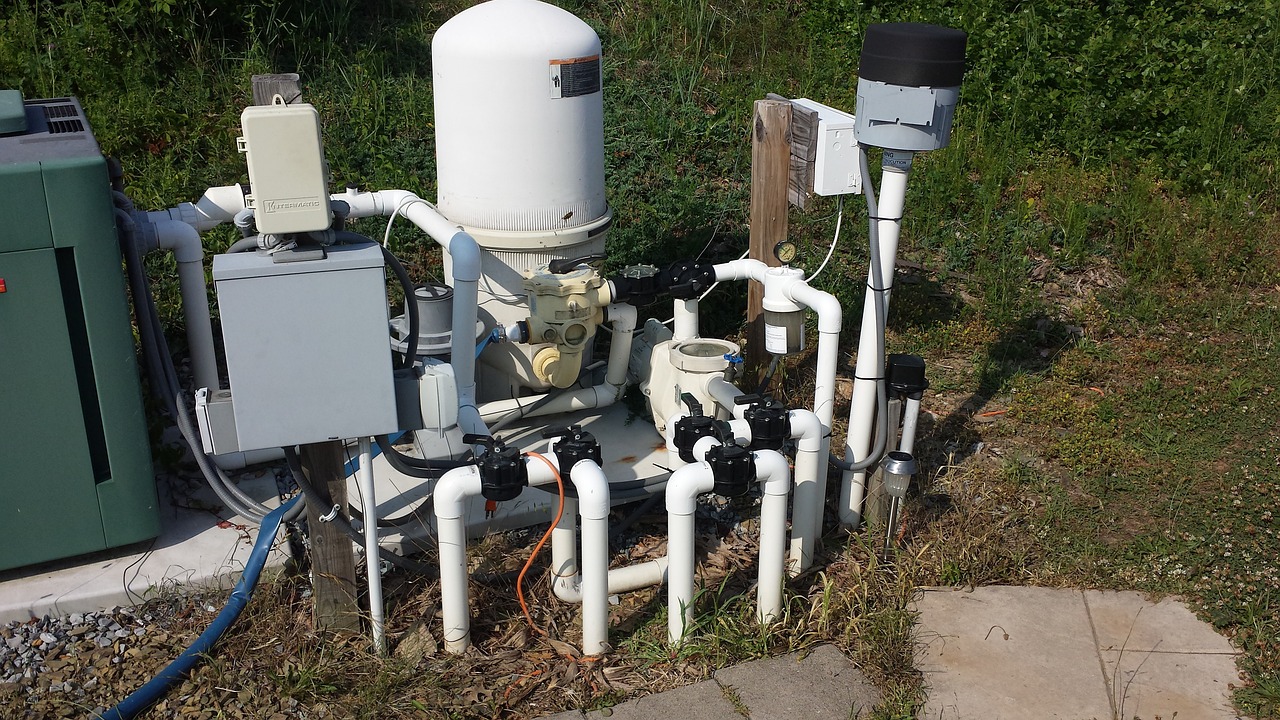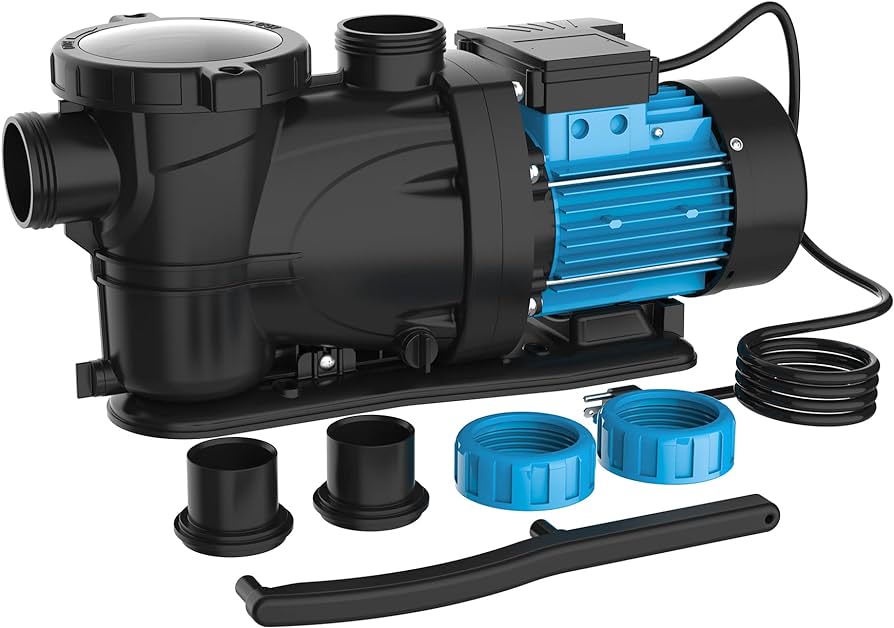
Are you considering getting a pool pump, but not sure what it entails? Look no further! In this article, we will break down the different components of a pool pump, giving you a solid understanding of the inner workings. From the motor to the impeller, we’ve got you covered. So, sit back, relax, and get ready to become an expert on all things pool pumps.

Motor
Types of pool pump motors
There are two main types of pool pump motors commonly used in pool pump systems: single-speed motors and variable-speed motors.
Single-speed motors are the traditional type of motor that runs at a constant speed. They are typically less expensive upfront but can be less energy-efficient since they operate at a fixed speed, regardless of the needs of the pool.
On the other hand, variable-speed motors are more advanced and can adjust their speed according to the pool’s requirements. They offer greater energy efficiency, quieter operation, and longer lifespan. Although variable-speed motors may have a higher initial cost, they can result in significant energy savings over time.
Importance of motor in pool pump
The motor is one of the most crucial components of a pool pump. It provides the power needed to circulate water, operate the impeller, and maintain the overall functionality of the pump system. Without a properly functioning motor, the pool pump would be unable to effectively filter and circulate water, resulting in poor water quality and potential damage to the pool equipment.
Having a reliable motor is essential for the overall performance and efficiency of the pool pump. Choosing the right type of motor, such as a variable-speed motor, can help optimize energy consumption, reduce noise, and extend the lifespan of the pump system.
Impeller
Function of impeller in pool pump
The impeller is a vital part of the pool pump that facilitates the movement of water. It is a rotating component with curved blades or vanes, which creates a centrifugal force that pushes the water through the pump and into the filtration system.
When the motor turns the impeller, the blades generate a swirling motion that creates a pressure difference, causing water to be drawn into the pump through the intake port and then expelled through the discharge port. This continuous flow of water ensures proper filtration, circulation, and the removal of debris from the pool.
Different types of impellers
There are various types of impellers used in pool pumps, each designed to suit specific needs and applications. The most common types include:
-
Closed-face impeller: This type of impeller has a solid front and is known for its high flow rates and efficiency. It can handle larger debris without clogging and is commonly found in heavy-duty pool pumps.
-
Semi-open impeller: The semi-open impeller has vanes on one side and an open front. It is ideal for handling smaller debris and is often used in medium-sized pumps.
-
Vortex impeller: With a unique design that creates a vortex or whirlpool effect, this impeller is highly effective in handling solid waste and debris. It is commonly used in pumps specifically designed for wastewater or heavily contaminated water.
Choosing the right impeller for your pool pump is essential to ensure efficient water circulation, effective filtration, and optimal performance based on your pool’s specific requirements.
Housing
Materials used for pump housing
The pump housing, also known as the pump body or casing, provides support and protection for the motor, impeller, and other internal components. It is typically made from durable materials that can withstand the demanding conditions of pool environments, including exposure to water, chemicals, and varying temperatures.
Common materials used for pump housing include:
-
Thermoplastic: This lightweight and corrosion-resistant material are commonly used in entry-level and residential pool pumps. It offers good durability and is resistant to chemical damage.
-
Cast iron: Known for its strength and longevity, cast iron is often used in commercial or heavy-duty pool pumps. It provides excellent durability and can withstand high pressure and mechanical stress.
-
Stainless steel: This material is highly resistant to rust and corrosion, making it ideal for outdoor pool pump installations. Stainless steel housing offers superior durability and can handle harsh environments and aggressive chemicals.
Importance of housing in pump performance
The pump housing plays a critical role in maintaining the overall performance and efficiency of the pool pump. It not only protects the internal components from damage but also helps to ensure proper alignment and sealing of the pump assembly.
A well-designed and durable housing can prevent water leaks, minimize vibration, and reduce noise levels. It also helps to dissipate heat generated by the motor, ensuring optimal operating conditions and preventing overheating.
Choosing the right housing material and maintaining it properly can significantly extend the lifespan of the pump and improve its overall performance, leading to cleaner and healthier pool water.
Seal
Types of pump seals
Pump seals are essential components that create a watertight barrier between the pump’s rotating shaft and the stationary pump housing. They prevent water from leaking out of the pump and maintain the pressure required for efficient operation.
There are two main types of pump seals commonly used in pool pumps:
-
Mechanical seals: Mechanical seals consist of two main parts – a stationary seal face and a rotating seal face, which come together to form a seal. They are widely used in pool pumps due to their effectiveness in preventing leaks. Mechanical seals require proper lubrication and occasional replacement to ensure their longevity and functionality.
-
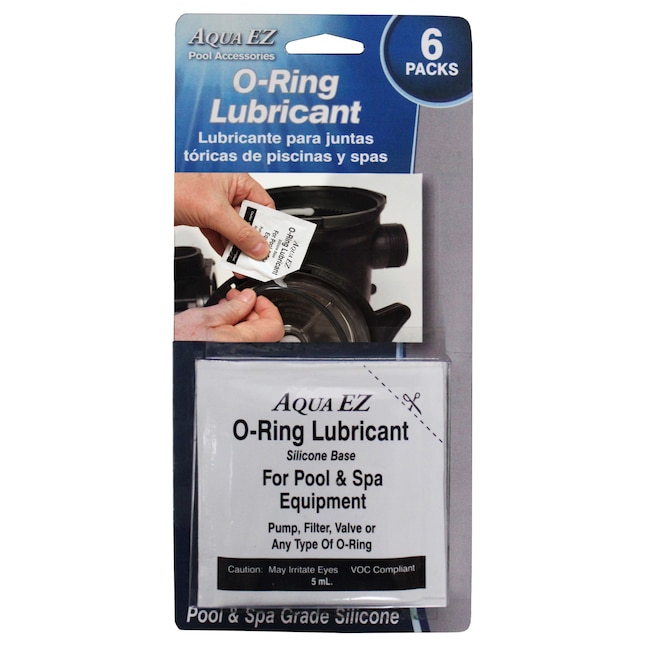
Lip seals: Lip seals, also known as shaft seals or O-rings, are made of flexible materials such as rubber or silicone. They create a seal by using the pressure of the water against the seal to maintain the closure. Lip seals are commonly found in smaller pool pumps and require regular inspection and replacement to prevent leaks.
Importance of seal in preventing leaks
The seal is a crucial component in ensuring the integrity of the pool pump system. A faulty or worn-out seal can result in water leakage, leading to loss of pressure, reduced efficiency, and potentially costly damage to the motor and other parts of the pump.
Regular inspection and maintenance of the pump seal are vital to prevent leaks. Lubrication, cleaning, and replacement of seals when necessary can help maintain a watertight seal, prolong the life of the pump, and ensure its optimal performance.

Strainer Basket
Function of strainer basket in pool pump
The strainer basket, also known as the pump basket or pre-filter basket, is an essential component of a pool pump. Its main function is to trap and collect debris, leaves, hair, and other large particles before they enter the pump and impeller.
When water is drawn into the pump, it passes through the strainer basket first. The basket’s fine mesh or perforated design allows water to flow through while capturing debris. This prevents clogging and damage to the impeller, ensuring smooth water circulation and efficient filtration.
Cleaning and maintenance of strainer basket
Regular cleaning and maintenance of the strainer basket are crucial to ensure its proper functioning and prevent blockages. Here are some simple steps to clean the strainer basket effectively:
-
Turn off the pool pump and shut off the power supply to the pump system.
-
Locate the strainer basket housing, typically found near the intake port of the pump.
-
Remove the lid or cover of the strainer basket housing by twisting it counterclockwise or releasing the locking mechanism.
-
Lift out the strainer basket carefully and empty its contents into a trash bag or compost bin.
-
Rinse the strainer basket with a garden hose to remove any remaining debris or residue.
-
Inspect the basket for any signs of damage or wear. If necessary, replace the basket to ensure optimal filtration.
-
Reassemble the strainer basket by placing it back into the housing and securing the lid or cover.
-
Turn on the pool pump and check for proper water flow and pressure.
Regular maintenance and cleaning of the strainer basket will help maintain the efficiency of the pool pump, prevent clogging, and extend the lifespan of the filtration system.
Check Valve
Role of check valve in pool pump
A check valve, also known as a one-way valve or non-return valve, is an essential component in a pool pump system. Its primary function is to prevent water from flowing back into the pool or the plumbing system when the pump is turned off.
Located near the outlet or discharge port of the pump, the check valve contains a flap or spring mechanism that allows water to flow in one direction only, typically from the pump to the pool.
By preventing backflow, the check valve helps maintain the prime of the pump and prevents the loss of water, air entrainment, and potential damage to the pump or plumbing system.
Types of check valves
There are different types of check valves commonly used in pool pump systems. The most common types include:
-
Swing check valve: This type of check valve has a hinged flap that swings open when water flows in the correct direction. It swings closed when the flow stops, preventing water from flowing back. Swing check valves are reliable and suitable for larger pool pump systems.
-
Spring check valve: Spring check valves use a spring-loaded mechanism to open and close a valve. The spring exerts pressure on a disc or ball, allowing water to flow in one direction and preventing backflow. These valves are suitable for both large and small pool pump systems.
-
Dual-flap check valve: Dual-flap check valves have two flaps, offering increased reliability and preventing the possibility of backflow even further. They are commonly used in high-flow pool pump systems or where extra protection against backflow is required.
Choosing the appropriate check valve for your pool pump system is essential to maintaining the prime of the pump and preventing water loss and potential damage.
Diverter Valve
Purpose of diverter valve in pool pump system
A diverter valve, also known as a three-way valve or multiport valve, is a vital component in a pool pump system. Its primary purpose is to control the flow of water and redirect it to different paths within the system.
Diverter valves are often used in pool systems with multiple water outlets or features, such as spa jets, waterfalls, or fountains. By turning the handle or lever on the diverter valve, you can select which outlet or feature receives the water flow.
This flexibility allows you to adjust the water flow to different areas of your pool or spa, depending on your preferences and needs. It enables you to control the pressure and optimize the flow rate for each outlet, enhancing the overall functionality and enjoyment of your pool or spa.
Different types of diverter valves
There are various types of diverter valves available for pool pump systems, including:
-
Multiport valve: This type of diverter valve is commonly used in sand filters or multiport valve filter systems. It allows you to divert the water flow to different filter functions, such as filtering, backwashing, rinsing, or draining.
-
Ball valve: Ball valves have a rotating ball inside the valve body with a hole or port that allows water to flow through when aligned properly. They provide a simple and efficient way to redirect water flow and are commonly used in pool and spa plumbing systems.
-
Slide valve: Slide valves, also known as gate valves, consist of a sliding gate or disk that can be moved to control the water flow. They are often used in large pool systems or where a high flow rate is required.
Choosing the right type of diverter valve for your pool pump system depends on the specific needs of your pool or spa and the desired control over water flow distribution.
Pressure Gauge
Importance of pressure gauge in monitoring pump performance
A pressure gauge is a valuable tool in monitoring and maintaining the performance of a pool pump. It measures the pressure or force exerted by the water within the pump system, providing valuable information about its efficiency and functionality.
By reading the pressure gauge, you can determine if the pump is operating within the optimal pressure range. Abnormal pressure readings may indicate issues such as clogged filters, a malfunctioning impeller, or low water levels, which can affect the pump’s overall performance and efficiency.
Regular monitoring of the pressure gauge allows you to identify potential problems early on, preventing further damage to the pump system and ensuring that water is circulating properly.
How to read and interpret pressure gauge readings
Pressure gauges typically have a dial with markings or numerical values that indicate the pressure in pounds per square inch (PSI) or other units of measurement. To read and interpret the pressure gauge:
-
Ensure the pool pump is running and circulating water normally.
-
Locate and observe the pressure gauge, which is usually located near the pump or on top of the filter.
-
Read the pressure indicated on the gauge’s dial. The pressure may fluctuate slightly as the pump operates, so it is important to take an average reading.
-
Compare the reading to the manufacturer’s recommended pressure range for your specific pool pump. This range is usually provided in the pump’s user manual or on the manufacturer’s website.
-
If the pressure reading falls within the recommended range, the pump is operating correctly. If the reading is consistently above or below the recommended range, it may indicate a problem that requires further investigation or maintenance.
Understanding and regularly monitoring the pressure gauge readings can help you maintain the optimal performance of your pool pump, maximize energy efficiency, and avoid potential issues.
Control Panel
Features of a pool pump control panel
A pool pump control panel is a centralized interface that allows you to regulate and adjust various settings of your pool pump system. It typically consists of buttons, switches, and display screens that provide easy access to control and monitor the pump’s operation.
Some common features found in pool pump control panels include:
-
Power switch: Allows you to turn the pool pump on or off.
-
Speed control: For variable-speed pump systems, a control panel typically includes options to adjust and set the desired pump speed.
-
Timer settings: Many control panels offer timers that allow you to program the pump to turn on and off automatically at specific times. This feature helps optimize energy usage and ensures consistent circulation and filtration.
-
Diagnostic display: Advanced control panels may have a diagnostic screen that provides real-time information about the pump’s performance, including pressure readings, flow rates, and any error codes or alerts.
-
Safety features: Control panels often include safety features such as load protection, overheating detection, and automatic shut-off mechanisms to prevent potential damage to the pump or electrical system.
How to operate and adjust control panel settings
Operating and adjusting the settings of a pool pump control panel is generally straightforward. Here are some general steps to follow:
-
Familiarize yourself with the layout and functions of the control panel by referring to the manufacturer’s user manual or instructions.
-
Ensure the power supply to the pool pump system is turned on.
-
Use the power switch or button to turn on the pump. Some control panels may have separate buttons for starting and stopping the pump.
-
If your pump has variable-speed control, adjust the speed settings according to your needs and preferences. Lower speeds are generally more energy-efficient for normal filtration, while higher speeds may be required for specific tasks such as vacuuming or water features.
-
If your control panel has timer settings, program the desired start and stop times according to your pool usage and filtration requirements.
-
Monitor the diagnostic display, if available, for any alerts or error messages. Consult the user manual or contact the manufacturer for troubleshooting steps if necessary.
It is important to remember that control panels may vary depending on the manufacturer and model of your pool pump system. Always refer to the specific instructions and guidelines provided by the manufacturer for accurate operation and adjustment of the control panel settings.
Pipe Fittings
Types of pipe fittings used in pool pump system
Pipe fittings are essential components in a pool pump system that connect various pipes, valves, and other equipment, ensuring proper water flow and functionality. There are different types of pipe fittings commonly used in pool pump systems, including:
-
Couplings: Couplings are used to connect two pipes of the same size. They can be rigid (hard) or flexible, depending on the specific application and installation requirements.
-
Elbows: Elbows are fittings that change the direction of the pipe by 90 degrees or other angles. They are available in different degrees of bend, allowing for smooth turns and adjustments in the pipe layout.
-
Tees: Tees are fittings that create a T-shaped connection, allowing water to flow in three different directions. They are commonly used when branching off pipes to other equipment or connecting multiple lines.
-
Unions: Unions enable easy disconnection and reconnection of pipes. They consist of two halves with a threaded or compression fitting that can be joined or separated without the need for cutting or soldering.
-
Valves: Although not referred to as pipe fittings, valves play a vital role in controlling water flow within the pump system. Different types of valves, such as ball valves, gate valves, or check valves, are used in conjunction with pipe fittings to regulate water flow.
Importance of proper pipe fittings for efficiency
Using the proper pipe fittings in a pool pump system is crucial for ensuring efficient water flow, minimizing pressure loss, and reducing the risk of leaks or pipe damage.
Choosing the correct size and type of fittings for your specific installation needs is essential to maintain optimal pump performance and overall system efficiency. Properly installed fittings minimize restrictions and friction within the system, allowing the pump to operate more effectively and with less strain.
Regular inspection and maintenance of pipe fittings can help identify and address any potential leaks, damage, or blockages, ensuring that the pool pump system functions efficiently and provides clean and healthy water for your pool.