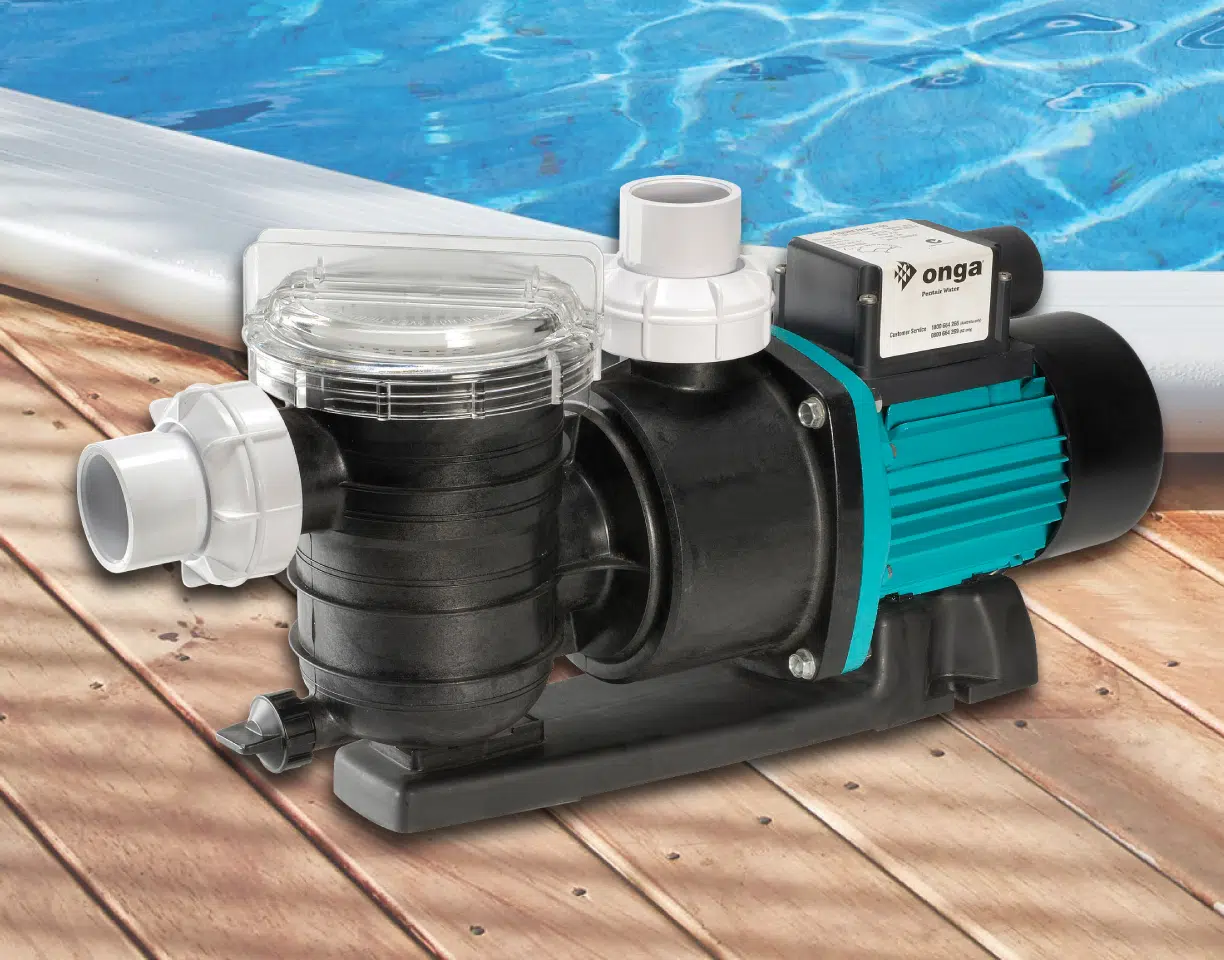
Imagine this scenario: you’re eagerly anticipating a refreshing dip in your backyard pool on a hot summer day, but when you turn on the pump, you notice something’s not quite right. Before you panic, let’s talk about pool pump seals and O-rings. These small yet crucial components are responsible for keeping your pool pump running smoothly and preventing leaks. In this article, we’ll explore the importance of pool pump seals and O-rings, how they work, and why regular maintenance is essential to ensure your pool remains a haven of relaxation all season long.
Overview
What are pool pump seals and O-rings?
Pool pump seals and O-rings are essential components in a pool pump system that help prevent water leaks, maintain pump efficiency, and protect against debris. Seals are mechanical devices that create a tight seal between moving parts, while O-rings are round rubber gaskets that provide a watertight seal between stationary and moving parts of the pump.
Importance of pool pump seals and O-rings
Pool pump seals and O-rings play a crucial role in the overall performance and longevity of a pool pump. They help prevent water leaks, which can lead to costly damage and potential safety hazards. By maintaining pump efficiency, they ensure optimal water circulation and filtration, which is essential for clean and healthy pool water. Additionally, they protect the pump from debris, minimizing the risk of clogs and mechanical failures.
Common issues with pool pump seals and O-rings
Despite their importance, pool pump seals and O-rings can experience various issues over time. The most common problems include water leaks, strange noises coming from the pump, and reduced water flow. These issues can stem from worn-out or damaged seals and O-rings, improper installation, lack of maintenance, or exposure to harsh chemicals. Recognizing the signs of seal and O-ring problems is crucial for prompt resolution and preventing further damage to the pool pump.
Types of Pool Pump Seals and O-rings
Mechanical seals
Mechanical seals are widely used in pool pumps to create a watertight barrier between the shaft and the impeller. They consist of rotating and stationary components, pressed together by springs, and sealed with an elastomer material. Mechanical seals are designed to withstand high pressure and temperature, ensuring a reliable seal to prevent water leaks.
O-rings
O-rings are round rubber gaskets that are commonly used in pool pumps to create a watertight seal between different components. They are available in various sizes and materials, such as EPDM, Buna-N, and Viton, to accommodate different pump designs and chemical environments. O-rings are typically placed in sealing grooves or recesses to create a secure and leak-free connection.
Function of Pool Pump Seals and O-rings
Preventing water leaks
One of the primary functions of pool pump seals and O-rings is to prevent water leaks. They create a tight seal between the different parts of the pump, ensuring that water remains contained within the system. By preventing leaks, they help maintain the water level in the pool, prevent water damage to surrounding structures, and minimize the risk of electrical hazards.
Maintaining pump efficiency
Pool pump seals and O-rings play a crucial role in maintaining pump efficiency. By creating a seal between moving parts, they prevent water from leaking out and air from entering the system. This ensures that the pump can operate at its optimal performance, effectively circulating and filtering the pool water. An efficient pump not only saves energy but also ensures proper water circulation, which is essential for maintaining water clarity and preventing the growth of algae and bacteria.
Protecting against debris
Seals and O-rings also serve as a barrier against debris and contaminants that can enter the pump system. They help prevent debris, such as leaves, twigs, and dirt, from clogging the pump impeller or causing damage to other components. By keeping the pump clean and debris-free, seals and O-rings contribute to the overall longevity and reliable operation of the pool pump.
Signs of Seal and O-ring Problems
Water leaks
One of the most noticeable signs of seal and O-ring problems is water leaks around the pump area. If you observe water pooling or dripping from the pump, it’s likely that the seals or O-rings are worn out or damaged. It’s crucial to address this issue promptly to prevent further damage and potential safety hazards.
Strange noises
Unusual noises coming from the pump, such as grinding, squeaking, or rattling sounds, can indicate problems with the seals or O-rings. These noises may occur due to misalignment or the presence of foreign objects in the pump system. Ignoring these sounds can lead to more significant issues down the line, so it’s essential to investigate and resolve the problem promptly.
Reduced water flow
If you notice a decrease in water flow from your pool jets or skimmer, it could be a sign of seal or O-ring problems. A faulty seal or O-ring can disrupt proper water circulation, resulting in reduced water flow or decreased pressure. This can impact the overall performance of your pool pump and filtration system, leading to compromised water clarity and quality.
Installation and Maintenance
Proper installation techniques
Proper installation of pool pump seals and O-rings is crucial for their effective performance. When installing new seals or O-rings, it’s essential to clean the mating surfaces thoroughly and ensure they are free from debris, dirt, or residue. Proper alignment and positioning of the seals or O-rings are necessary to create a reliable and watertight seal. Following the manufacturer’s instructions and using the correct tools during installation is essential for achieving optimal results.
Regular inspection and replacement
Regular inspection of pool pump seals and O-rings is crucial for detecting any signs of wear or damage. It’s recommended to visually inspect the seals and O-rings at least once a year or more frequently if the pump is heavily used or exposed to harsh chemicals. If any signs of wear, cracking, or deterioration are found, prompt replacement is necessary to prevent potential problems.
Lubrication and cleaning
Proper lubrication is essential to ensure smooth operation and extend the lifespan of pool pump seals and O-rings. Using a compatible lubricant specifically designed for seals and O-rings can minimize friction and help create an effective seal. Additionally, regular cleaning of the pump and seals is necessary to remove any accumulated dirt, debris, or chemical residues that can compromise their performance.
Replacing Pool Pump Seals and O-rings
Identifying the correct seal or O-ring
Before replacing pool pump seals and O-rings, it’s crucial to identify the correct size and type. Different pump models and manufacturers may require specific seals or O-rings, so referring to the pump’s manual or consulting a professional can ensure the right replacement parts are obtained.
Tools and materials needed
Replacing pool pump seals and O-rings typically requires basic hand tools such as a screwdriver, pliers, and a seal puller or pick. Additionally, having the correct replacement seals or O-rings and a compatible lubricant is necessary to ensure a successful replacement process.
Step-by-step replacement process
- Turn off the pool pump and disconnect the power supply to ensure safety.
- Remove the housing cover or access panel to gain access to the old seals or O-rings.
- Carefully remove the old seals or O-rings using a seal puller or pick, taking care not to damage any surrounding components.
- Clean the mating surfaces and grooves thoroughly, ensuring they are free from debris, dirt, or residue.
- Apply a small amount of lubricant to the seals or O-rings to facilitate their installation and prevent friction.
- Install the new seals or O-rings, ensuring proper alignment and positioning as per the manufacturer’s instructions.
- Reassemble the pump housing, ensuring all components are securely fastened.
- Restore power to the pump and carefully monitor for any signs of leakage or abnormal operation.
Tips for Extending Seal and O-ring Lifespan
Good water chemistry maintenance
Maintaining proper water chemistry in your pool is essential for prolonging the lifespan of pool pump seals and O-rings. Imbalanced water chemistry, especially high or low pH levels and excessive levels of chlorine or other chemicals, can degrade the materials used in seals and O-rings. Regularly testing and balancing the pool water’s pH, alkalinity, and sanitizer levels can help prevent premature seal and O-ring deterioration.
Avoiding excessive pressure
Excessive pressure within the pump system can put unnecessary strain on the seals and O-rings, leading to premature wear and failure. Avoiding excessive pressure can be achieved by ensuring the pump is appropriately sized for your pool’s needs and maintaining proper filter and backwash settings. Additionally, following the manufacturer’s recommended flow rate and avoiding blockages or restrictions in the plumbing system can help prevent excessive pressure.
Keeping the pump clean and debris-free
Regularly cleaning the pump and ensuring it remains free from debris is another essential step in extending the lifespan of pool pump seals and O-rings. Removing leaves, twigs, and other debris from the pump basket and skimmer basket helps prevent clogs and reduces the risk of damage to the seals and O-rings. Additionally, inspecting the pump regularly for any signs of debris accumulation and promptly removing any foreign objects can help maintain optimal pump performance.
Common Mistakes to Avoid
Using incorrect seals or O-rings
Using incorrect seals or O-rings can lead to ineffective seals, water leaks, and premature failure. It’s essential to identify the correct size and type of seals or O-rings recommended by the pump manufacturer. Consulting the pump’s manual or seeking professional advice can help ensure the right replacement parts are used.
Improper lubrication
Improper lubrication, such as using the wrong type of lubricant or applying too much or too little, can disrupt the performance of pool pump seals and O-rings. It’s crucial to use a compatible lubricant specifically designed for seals and O-rings and follow the manufacturer’s recommendations for proper application. Over-lubricating can cause the seals or O-rings to slip or create excess friction, while under-lubricating can lead to increased wear and potential leakage.
Skipping regular maintenance
Neglecting regular maintenance and inspection of pool pump seals and O-rings can lead to avoidable issues and costly repairs. Regularly checking for signs of wear, cleaning the pump, and performing necessary lubrication can help identify and address potential problems before they escalate. Establishing a maintenance schedule and sticking to it is crucial for maximizing the lifespan and performance of pool pump seals and O-rings.
Hiring a Professional vs. DIY
Benefits of hiring a professional
Hiring a professional for pool pump seal and O-ring replacement offers several benefits. Professionals have the expertise and experience to correctly identify the specific replacement parts required for your pump model. They also have the necessary tools and knowledge to ensure proper installation and minimize the risk of errors or damage. Additionally, professionals can provide valuable advice on maintenance techniques and preventive measures to extend the lifespan of your pool pump system.
When DIY is feasible
While hiring a professional is recommended for more complex pump repairs or installations, some individuals may opt for a DIY approach for simpler seal and O-ring replacements. DIY can be feasible if you have the necessary tools, access to the correct replacement parts, and a good understanding of the pump system. However, it’s crucial to thoroughly research and follow manufacturer guidelines to ensure a successful and safe DIY replacement.
Cost considerations
The cost of hiring a professional for pool pump seal and O-ring replacement can vary depending on factors such as location, complexity of the job, and the professional’s experience. DIY replacement can be more cost-effective in terms of labor expenses, but it’s essential to factor in the cost of tools, replacement parts, and the potential risks of making errors that could lead to more significant damage and costly repairs in the long run.
Conclusion
In conclusion, pool pump seals and O-rings are crucial components that play a vital role in maintaining the performance and longevity of a pool pump. They prevent water leaks, maintain pump efficiency, and protect against debris. Regular inspection, proper installation, lubrication, and timely replacement are essential for preserving the integrity of the seals and O-rings. By following maintenance best practices and addressing seal and O-ring issues promptly, pool owners can ensure optimal pump performance and enjoy clean and healthy pool water for years to come.