Imagine sitting by your sparkling pool, enjoying the refreshing water on a hot summer day. Have you ever wondered about the inner workings of your pool pump that make it all possible? Well, one crucial component that ensures proper water circulation is the impeller. The impeller in a pool pump acts as a vital force, pushing water through the system and keeping your pool clean and clear. In this article, we will explore the essential role of the impeller and how it contributes to the efficiency and performance of your pool pump. So, let’s dive in and discover the fascinating world of the impeller in a pool pump!
What is an Impeller in a Pool Pump
Definition
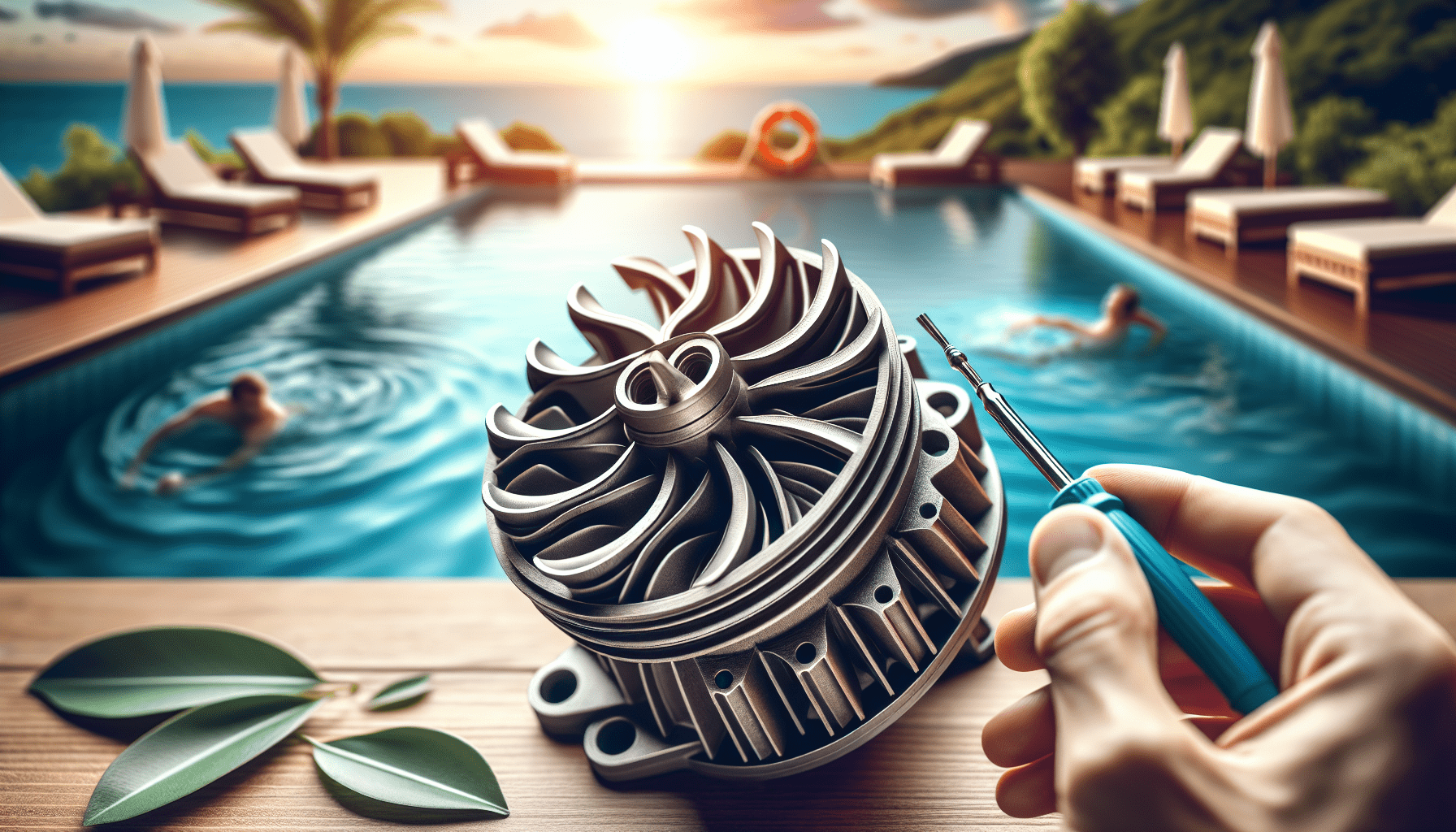
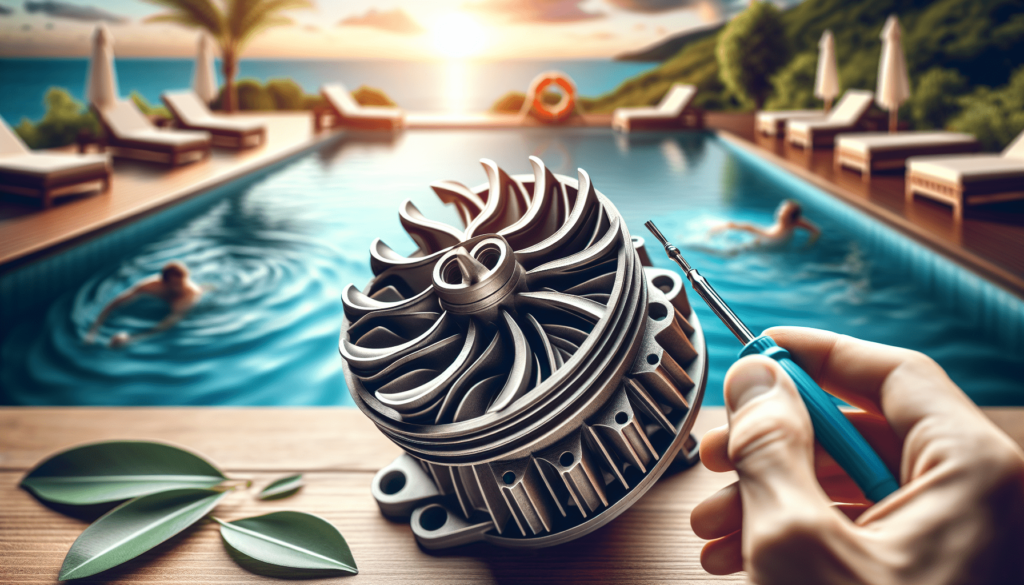
An impeller in a pool pump is a crucial component that is responsible for creating the necessary water flow in a swimming pool filtration system. It is essentially a rotating device with curved blades or vanes, which are strategically designed to push water through the pump and into the pool’s filter.
Function and Importance
The primary function of an impeller is to generate centrifugal force, acting as the driving force behind the water circulation in the pool. As the impeller spins, it creates a high-pressure zone at its center, causing water to be drawn into the pump through an inlet or suction port. The water is then propelled by the impeller’s blades and discharged through the pump’s outlet, circulating and filtering the pool water.
The impeller plays a vital role in maintaining the cleanliness and hygiene of the pool water. Without an efficient impeller, the filtration system would be unable to remove debris, dirt, and other pollutants effectively, resulting in poor water quality. Additionally, a well-functioning impeller ensures proper distribution of chemicals and prevents stagnant water, which can lead to algae growth and other issues. Therefore, the role and importance of the impeller in maintaining a clean and healthy pool cannot be overstated.
Types of Impellers
Closed Impeller
A closed impeller is a type of impeller that is fully shrouded, meaning that the curved blades are entirely encased within the impeller housing. This design offers several advantages, including better efficiency and higher resistance to wear and tear. The enclosed nature of the blades helps to guide water through the pump with minimal leakage, resulting in improved flow rates and increased pressure. Closed impellers are commonly used in high-pressure applications and are known for their robustness and durability.
Semi-Closed Impeller
A semi-closed impeller is a variant that combines characteristics of both closed and open impellers. It features partially shrouded blades, with a small gap between the impeller housing and the blades. This design allows for a balance between efficiency and the ability to handle small debris. Semi-closed impellers are often used in pool pumps where moderate to high efficiency is required, along with the ability to handle some solid particles without causing clogs.
Open Impeller
An open impeller is a type of impeller that has exposed blades without any shrouding. Unlike closed impellers, open impellers are susceptible to wear and tear, as there is no protective housing. However, they are advantageous in situations where the pump needs to handle large solid particles or fibrous materials. Open impellers are commonly used in pool pumps for applications where debris and leaves are frequently encountered, as they are less prone to clogging.
Materials Used for Impellers
Stainless Steel
Stainless steel impellers are highly regarded for their durability and resistance to corrosion. They are primarily used in pool pumps that handle large volumes of water or pumps that are subject to harsh chemical environments. Stainless steel impellers ensure longevity and reliable performance, making them suitable for commercial pools or pool systems that require high flow rates and extended periods of operation.
Bronze
Bronze impellers are known for their excellent resistance to erosion and wear. They are commonly used in pool pumps that operate in saltwater or seawater environments. The corrosion-resistant properties of bronze make it an ideal material choice for pools located near the ocean or for those that rely on saltwater chlorination systems. Bronze impellers offer longevity and reliability, making them a popular choice for both residential and commercial pools.
Plastic
Plastic impellers are frequently used in smaller residential pool pumps due to their lightweight nature and cost-effectiveness. They are typically made from durable thermoplastics such as polypropylene or ABS (acrylonitrile butadiene styrene). Plastic impellers are resistant to corrosion and are suitable for pools that do not require heavy-duty or continuous operation. While they may not be as robust as metallic impellers, plastic impellers provide an economical option for maintaining water flow in smaller pool systems.
Impeller Design and Construction
Blade Number and Shape
The design of the impeller blades significantly impacts the pump’s performance. The number and shape of the blades determine the flow rate, efficiency, and the impeller’s ability to handle debris. Impellers can have various blade configurations, including curved, radial, or axial designs. Higher blade numbers generally result in higher efficiency, while specific blade shapes can enhance the pump’s ability to maintain a consistent flow rate and reduce turbulence.
Impeller Diameter and Width
The diameter and width of the impeller also play a crucial role in determining the pump’s flow rate and pressure capabilities. Larger impeller diameters generally allow for higher flow rates but at lower pressures, while smaller diameters can produce higher pressures but with reduced flow rates. The impeller width, on the other hand, affects the passage capacity and determines the amount of water that can be moved by the impeller at a given time. The selection of the impeller diameter and width depends on the desired performance requirements for a specific pool system.
Volute Design
In addition to the impeller, the design of the volute housing or casing is equally important. The volute is responsible for converting the high-speed, low-pressure discharge from the impeller into a lower-speed, high-pressure flow that is directed towards the pool’s filter. The shape and design of the volute can significantly impact the pump’s efficiency by minimizing energy losses due to turbulence and friction. Well-designed volutes also assist in reducing noise levels and ensuring smooth water flow.

How an Impeller Works
Centrifugal Force
The impeller utilizes centrifugal force to move water through the pump. As the impeller rotates, the curved blades exert a force on the water, causing it to move radially outward and away from the center of rotation. This centrifugal force generates pressure and pushes the water towards the pump’s outlet. It is this force that propels the water through the pool system, ensuring proper circulation and filtration.
Suction
To initiate the flow of water, the impeller requires suction. This suction is created when the impeller rotates, creating a pressure difference between the center of the impeller and the inlet or suction port. The lower pressure at the center draws water into the pump, which is then pushed outward by the impeller’s blades. Without suction, the impeller would not be able to create the necessary water flow, resulting in a stagnant or non-functional pool system.
Impeller Rotation
The rotation of the impeller is facilitated by an electric motor connected to the pump assembly. The motor provides the torque necessary to spin the impeller at the desired speed. By controlling the speed of the impeller rotation, the flow rate and pressure of the water can be adjusted to meet the specific requirements of the pool system. The impeller’s rotation is a key factor in maintaining efficient water circulation and filtration.
Maintaining and Replacing the Impeller
Regular Cleaning
To ensure optimal performance and longevity, regular cleaning of the impeller is necessary. Over time, debris, leaves, and other particles can accumulate on the impeller blades, causing reduced flow rates and potential clogs. It is important to periodically remove the impeller and clean it thoroughly using a soft brush or cloth. This will help maintain the impeller’s efficiency and prevent any obstruction that may hinder water flow.
Inspecting for Damage
Regular inspection of the impeller is essential to identify any signs of damage. Check for cracks, erosion, or wear on the impeller blades. Any noticeable damage should be addressed promptly to prevent further deterioration or potential failure of the impeller. Inspecting the impeller during routine maintenance allows for early detection of problems and ensures that the impeller is in good working condition.
Replacing the Impeller
If the impeller is damaged and cannot be repaired, it may be necessary to replace it. Replacement impellers should match the specifications of the original impeller to maintain compatibility and optimal performance. When replacing the impeller, be sure to follow the manufacturer’s instructions and guidelines. Proper installation will ensure that the impeller functions correctly and effectively.
Troubleshooting Impeller Issues
Low Pump Flow
If you notice a significant decrease in the pump’s flow rate, it could indicate an issue with the impeller. Check for any clogs or obstructions in the pump system, including the impeller itself. Debris or dirt buildup on the impeller blades can hinder water flow and reduce overall pump performance. Cleaning the impeller or replacing it, if necessary, can help resolve low pump flow issues.
Strange Noises
Unusual noises coming from the pool pump may be a sign of an impeller problem. If the impeller is worn down or damaged, it can cause vibrations or grinding sounds. Inspect the impeller for any signs of wear or breakage, and replace it if necessary. Strange noises should be addressed promptly to prevent further damage to the impeller or other pump components.
Impeller Clogs
Clogs in the impeller can occur due to the accumulation of debris, leaves, or other particles. These clogs can severely impact the pump’s performance, resulting in reduced flow rates and increased strain on the motor. Regularly inspect and clean the impeller to prevent clogs, as well as other components of the pool system, such as the skimmer and filter, to minimize the introduction of debris into the pump.
Choosing the Right Impeller
Pool Size and Flow Requirements
Before selecting an impeller, it is essential to consider the pool size and the required flow rates. Larger pools typically require impellers with larger diameters and higher flow capacities to maintain proper water circulation. Smaller pools may benefit from impellers with smaller diameters, as they can provide higher pressure if needed. Understanding the specific flow requirements of your pool will help ensure that the chosen impeller is well-suited for the desired performance.
Energy Efficiency
Energy efficiency is an important consideration when choosing an impeller. Opting for an impeller that offers high efficiency can help reduce energy consumption and lower operational costs. Look for impellers that are designed to maximize hydraulic performance while minimizing energy losses due to friction or turbulence. Energy-efficient impellers not only benefit the environment but also contribute to long-term cost savings.
Durability and Cost
The durability and cost of an impeller are significant factors to consider. Assess the material composition of the impeller blades and housing to ensure they can withstand the conditions of your pool environment. Impellers made from stainless steel or bronze are generally more durable, while plastic impellers offer a more economical option. Balancing durability with cost considerations will help determine the best impeller choice for your pool system.
Impeller Installation Process
Preparation Steps
Before installing a new impeller, it is crucial to turn off the pool pump and disconnect the power supply. This ensures safety during the installation process. Additionally, inspect the impeller housing and surrounding components for any damage or wear. Cleaning the impeller housing thoroughly can help remove any debris or sediment that may hinder the impeller’s performance.
Removing the Old Impeller
To remove the old impeller, locate the impeller housing and carefully unscrew the bolts or fasteners securing it in place. Gently lift the impeller out of the housing, taking care not to damage the blades or other components. Inspect the impeller for any signs of wear or damage, and clean it if necessary. Properly dispose of the old impeller according to local regulations.
Installing the New Impeller
Before installing the new impeller, check that it matches the specifications of the old impeller. Carefully position the impeller in the housing, ensuring that it sits securely and the blades are properly aligned. Reattach the bolts or fasteners, tightening them to the manufacturer’s recommended torque settings. Once the new impeller is securely installed, reassemble any other removed components, and reconnect the power supply.
Conclusion
Importance of a Well-Maintained Impeller
The impeller is a vital component of a pool pump, responsible for circulating and filtering the pool water. Ensuring that the impeller is well-maintained is crucial for maintaining water cleanliness, hygiene, and overall pool performance. Regular cleaning, inspection for damage, and prompt replacement when necessary contribute to the longevity and efficiency of the impeller and the entire pool system.
Tips for Optimal Performance
To optimize the performance of your pool pump’s impeller, there are several tips to follow. Regularly clean the impeller to remove any debris or buildup that may hinder water flow. Inspect the impeller for signs of wear or damage, and address any issues promptly. Choose an impeller that is appropriate for your pool size, flow requirements, and desired efficiency. Finally, follow the manufacturer’s instructions for installation and maintenance to maximize the impeller’s performance and extend its lifespan. By incorporating these tips into your pool maintenance routine, you can ensure that your impeller operates at its best, providing clean, clear, and refreshing pool water all season long.