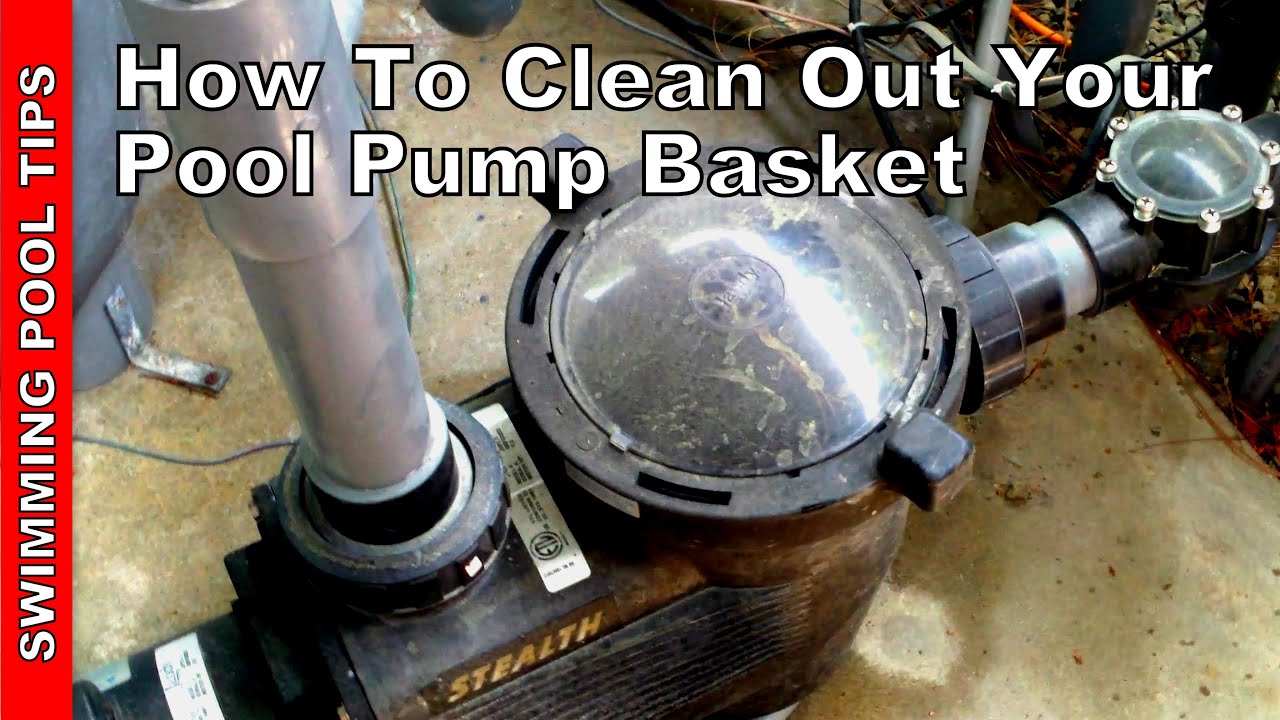
Have you ever noticed your pool pump acting up or not functioning as efficiently as it should? If so, it may be time to check for leaks. In this article, you will learn about the importance of regularly inspecting your pool pump for leaks and how to identify and fix any potential issues. By taking the necessary steps to keep your pool pump leak-free, you can ensure optimal performance and extend the lifespan of your equipment. So let’s dive into the world of pool pump maintenance and keep your pool crystal clear all summer long.

Importance of Checking for Leaks
Maintaining Pool Efficiency
Regularly checking for leaks in your pool pump is crucial for maintaining the efficiency of your pool system. A leak can significantly impact the performance of your pool pump, causing it to work harder and consume more energy. By identifying and fixing leaks promptly, you can ensure that your pool pump operates at its optimal level, saving you money on energy costs in the long run.
Preventing Water Loss
A leak in your pool pump can lead to significant water loss. Every drop counts, and even a small leak can result in thousands of gallons of water wasted over time. Apart from the environmental impact, water loss can also lead to increased water bills. By checking for leaks regularly and fixing them promptly, you can prevent unnecessary water loss and conserve this precious resource.
Extending the Lifespan of the Pool Pump
A leaky pool pump can cause excessive wear and tear on its components, leading to premature failure. By checking for and addressing leaks early on, you can prevent further damage to the pump and prolong its lifespan. Regular maintenance and leak checks can help you avoid costly repairs or even the need to replace the entire pump.
Signs of a Pool Pump Leak
Decreased Water Pressure
One of the primary indicators of a pool pump leak is a noticeable decrease in water pressure. If you notice that your pool’s circulation system isn’t working as efficiently as before, it could be due to a leak in the pump. You may also observe weaker water flow from the return jets or reduced suction at the skimmers.
Visible Water Puddles
Another telltale sign of a pool pump leak is the presence of visible water puddles near the pump or equipment area. If you notice any standing water in these areas, it is important to investigate further to identify the source of the leak. Keep in mind that the leak may not always be directly below the puddle, so a thorough inspection is necessary.
Unusual Pump Noises
A leaking pool pump can produce unusual noises that indicate a problem. If you hear gurgling sounds or air bubbles in the pump, it could be a sign of a leak in the suction line. Additionally, a whining or grinding noise might suggest a damaged or faulty pump impeller, which can be caused by a leak. If you notice any unusual pump noises, it is advisable to inspect for leaks promptly.
Pool Water Level Drop
If you find that the water level in your pool is consistently dropping, despite normal evaporation rates, it is likely due to a leak. A leak in the pool pump or associated plumbing can cause water to escape, resulting in a noticeable decrease in the water level. Monitoring the pool’s water level regularly can help you detect leaks early and take appropriate action.
Tools Required for Leak Check
Safety Gloves
Before you begin checking for leaks in your pool pump, make sure to wear safety gloves to protect your hands from any sharp or rough surfaces. This will help prevent injuries while handling different parts of the pump or equipment.
Safety Goggles
To ensure your safety during the leak check, it is important to wear safety goggles. These will protect your eyes from any debris or chemicals that may splash while inspecting the pump or working with the plumbing.
Flashlight
A flashlight is an essential tool for checking for leaks, as it allows you to illuminate hard-to-reach areas around the pool pump. This will help you spot even the smallest of leaks, ensuring a thorough inspection.
Leak Detection Dye
A leak detection dye is a useful tool for identifying leaks in your pool pump system. By adding a small amount of dye to the water near potential leak areas, you can easily spot any leaks as the dye is drawn towards them. This can save you valuable time in locating the source of the problem.
Pool Patch Kit
In case you discover minor leaks during your inspection, having a pool patch kit on hand can be incredibly helpful. The kit typically includes materials and instructions for repairing small leaks on surfaces such as PVC pipes or pool liners. Having this kit readily available will enable you to address minor leaks efficiently.
Precautions Before Checking for Leaks
Turning off the Pool Pump
Before you start checking for leaks, it is essential to turn off the pool pump to ensure your safety. This will prevent any accidents or injuries while inspecting and working on the pump. Make sure to follow the manufacturer’s instructions for properly shutting down the pump.
Isolating the Pump
To prevent any water from flowing back into the pool or other parts of the plumbing system, isolate the pump. This can typically be achieved by closing the necessary valves or using the pump’s isolation feature. By isolating the pump, you can focus your leak check specifically on the pump and its associated components.
Ensuring Proper Ventilation
Ensure that the area around the pool pump is well-ventilated before you begin checking for leaks. This will help dissipate any chemical fumes or odors that might be present. If necessary, open windows or use fans to improve ventilation and maintain a safe working environment.
Steps to Check for Leaks
Visual Inspection
Start by visually inspecting the pool pump and its connections for any signs of visible leaks or damage. Look for any dripping water, wet spots, or rusted components that may indicate a problem. Pay close attention to the pump housing, pipes, valves, and fittings.
Using Leak Detection Dye
If you don’t notice any visible leaks during the visual inspection, consider using leak detection dye. Follow the manufacturer’s instructions to add a small amount of dye to the water near the suspected leak areas. Observe the movement of the dye, which will help you pinpoint the location of any hidden leaks.
Assessing the Pump Connections
Carefully inspect all the connections on the pool pump, including the intake and discharge pipes, valves, and fittings. Look for any signs of loose or worn-out connections that might be causing leaks. Tighten or replace any problematic connections to ensure a secure and leak-free system.
Checking the Pump Housing
Examine the pump housing for any cracks, corrosion, or other signs of damage. These can be potential points of leakage that compromise the efficiency and integrity of the pump. If you identify any issues, consider repairing or replacing the affected parts as necessary.
Examining the Pressure Gauge
Inspect the pressure gauge on the pump to ensure it is functioning correctly. Look for any fluctuations or inconsistencies in the pressure readings, as this could indicate a leak. If you notice any issues with the pressure gauge, consult the pump’s manual or contact a professional for further assistance.
Inspecting the Pool Filter
The pool filter is an integral part of the pool pump system, and a leak in the filter can affect the overall performance. Inspect the filter housing and connections for any signs of leaks or damage. Replace any worn-out seals or gaskets in the filter to prevent future leaks and ensure optimal filtration.
Repairing Pool Pump Leaks
Repairing Minor Leaks with Pool Patch Kit
If you find minor leaks during your inspection, you can often repair them using a pool patch kit. Follow the instructions provided with the kit to fix the leaks securely. Ensure that the affected area is clean and dry before applying the patch to promote proper adhesion.
Replacing Faulty Gaskets or O-rings
Faulty gaskets or O-rings can often be the cause of leaks in a pool pump. If you identify any worn-out or damaged gaskets or O-rings, replace them promptly. This will help restore the seal and prevent further leakage. Make sure to use the appropriate replacement parts recommended by the manufacturer.
Fixing Cracked Pump Housings
If you discover cracks in the pump housing, it is essential to address them immediately. Cracked pump housings can lead to significant leaks and impact the pump’s overall performance. Depending on the severity of the cracks, you may need to repair or replace the housing. Consult a professional if you are unsure about the best course of action.
Calling a Professional for Complex Leaks
While minor leaks can often be repaired by homeowners, complex leaks or extensive damage may require professional assistance. If you are unable to locate the source of the leak, or if the repair seems beyond your capabilities, don’t hesitate to contact a qualified pool pump technician. They have the expertise and tools to identify and fix complex leaks efficiently.
Maintaining the Pool Pump
Regular Cleaning and Inspection
To ensure the longevity and optimal performance of your pool pump, it is crucial to clean and inspect it regularly. Remove any debris, leaves, or other obstructions from the pump and its housing. Inspect the pump for any signs of wear, damage, or leaks. By practicing these routine maintenance tasks, you can catch potential issues early and prevent major problems from arising.
Lubricating Moving Parts
Lubricating the moving parts of your pool pump is an essential maintenance task that can help prolong its lifespan and prevent leaks. Apply a small amount of lubricant to the bearings, shaft, and other movable components as specified in the pump’s manual. Regular lubrication will reduce friction and ensure smooth operation, minimizing the risk of leaks and other mechanical issues.
Periodically Changing Seals and Gaskets
Seals and gaskets play a crucial role in preventing leaks in a pool pump. Over time, these components can deteriorate or lose their effectiveness. It is important to periodically check and replace seals and gaskets as needed. Regularly changing these parts will maintain the integrity of the pump’s seal and reduce the risk of leaks.
Preventive Measures for Future Leaks
Using a Pool Cover
Using a pool cover when the pool is not in use is an effective way to prevent water evaporation and potential leaks. By covering your pool, you will reduce the exposure to environmental elements that can contribute to leaks and other issues. Additionally, a pool cover can help keep debris out of the water, reducing the load on the pump and prolonging its lifespan.
Regularly Monitoring Water Levels
Frequently monitoring your pool’s water level is an essential preventive measure against leaks. If you notice a significant drop in water level or an abnormal fluctuation, investigate the cause promptly. Timely detection and repair of leaks can prevent further damage and maintain the efficiency of your pool pump.
Checking for Pump Vibrations
Unusual vibrations from your pool pump can indicate a problem that may lead to leaks. Regularly check for any excessive vibrations or unusual movement in the pump. If you notice any issues, it is best to consult a professional to diagnose and resolve the underlying causes, preventing potential leaks and other damage.
Conducting Routine Maintenance
Routine maintenance is key to preventing future leaks in your pool pump. Follow the manufacturer’s guidelines for regular maintenance tasks such as cleaning, lubricating, and inspecting the pump. By staying proactive and addressing maintenance needs promptly, you can minimize the risk of leaks and ensure the smooth operation of your pool pump.
Hiring a Professional
When to Seek Professional Assistance
While many pool pump leaks can be addressed by homeowners, certain situations may require professional assistance. If you are unable to locate the source of the leak, if you are unsure about the appropriate repairs, or if the leak appears complex or severe, it is best to contact a qualified pool pump technician. They have the expertise and experience to diagnose and fix the issue effectively.
Selecting a Qualified Pool Pump Technician
When hiring a professional for pool pump repairs, it is important to choose a qualified and reliable technician. Look for a licensed and insured technician who specializes in pool pump maintenance and repairs. Consider asking for referrals from friends or neighbors who have previously used their services. Additionally, research potential technicians online and read reviews to ensure you select a reputable professional for the job.
Conclusion
Importance of Regularly Checking for Pool Pump Leaks
Regularly checking for leaks in your pool pump is essential for maintaining its efficiency, preventing water loss, and extending its lifespan. By promptly identifying and fixing leaks, you can ensure optimal performance and save energy and money in the long run.
Maintaining a Well-Functioning and Efficient Pool Pump
By following the steps outlined in this article, performing routine maintenance, and adopting preventive measures, you can maintain a well-functioning and efficient pool pump. Regular inspections, timely repairs, and adherence to proper maintenance practices will help you prevent leaks, extend the lifespan of your pump, and enjoy a clean and sparkling pool for years to come.