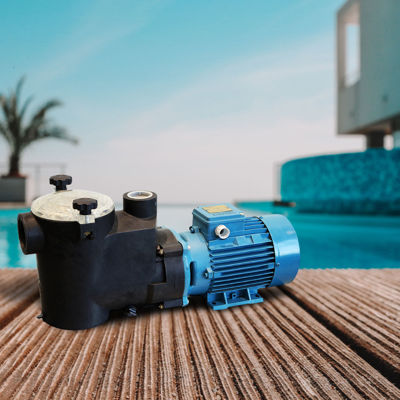
If you’re in the market for a pool filter but feeling overwhelmed by the options, this article is here to help! We’ll take a closer look at the various types of pool filters available, including sand filters, cartridge filters, and DE filters. By understanding the pros and cons of each type, you’ll be better equipped to choose the right filter for your pool and ensure crystal-clear water all season long. So, let’s dive in and explore the different types of pool filters in detail.
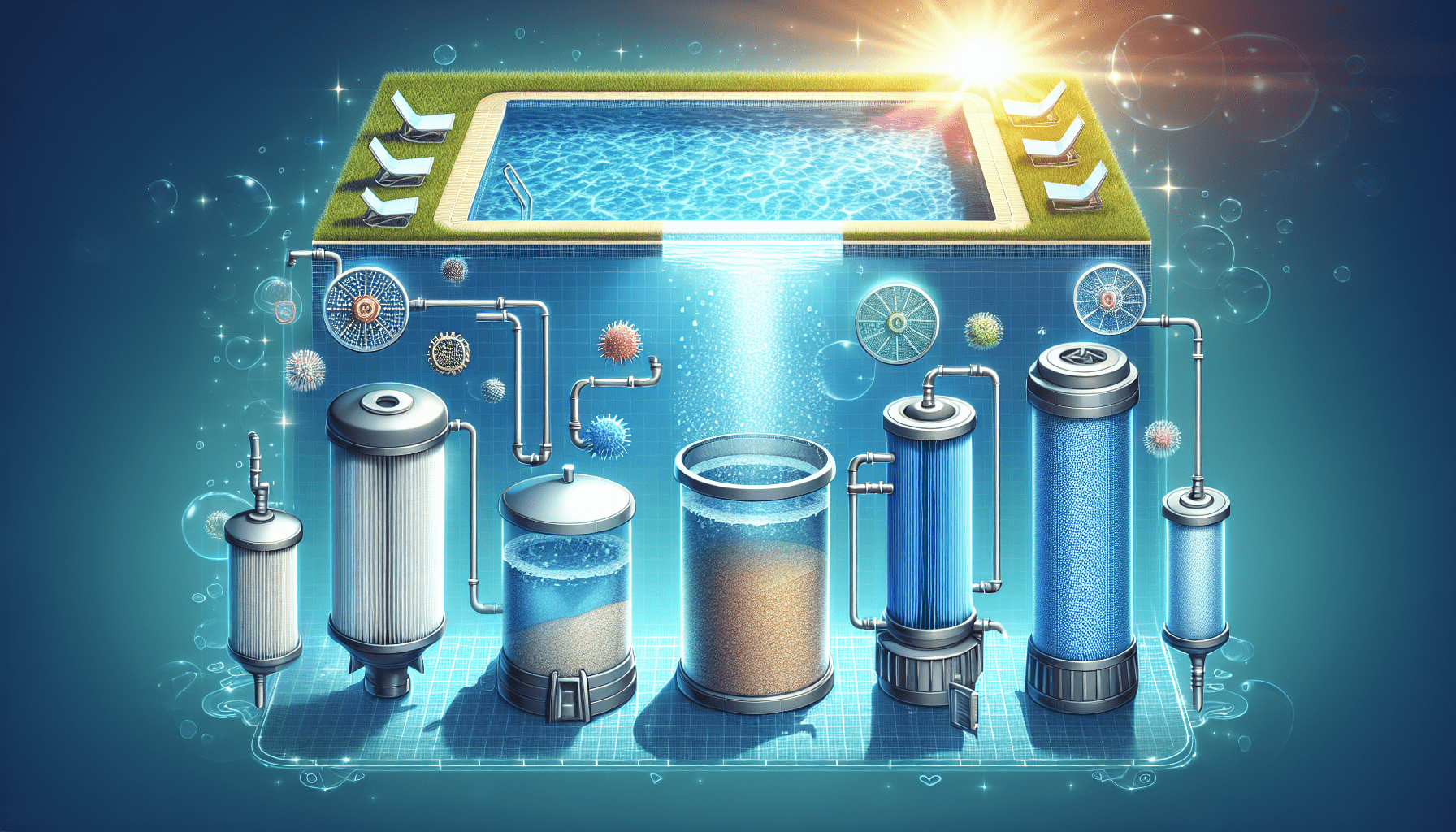
Sand Filters
How Sand Filters Work
Sand filters are one of the most common and popular types of pool filters. These filters use a special type of sand, called silica sand, which acts as the filtering media.
As the pool water passes through the filter tank, the debris, dirt, and other impurities get trapped in the tiny spaces between the sand particles. The clean water then flows back into the pool through the return jets.
Benefits of Sand Filters
There are several benefits to using sand filters for your pool. Firstly, they are highly efficient in removing large debris like leaves, twigs, and insects from the pool water. This helps to maintain a clean and debris-free swimming experience.
Secondly, sand filters are known for their long lifespan and durability. With proper maintenance, a sand filter can last for many years. Additionally, these filters require minimal backwashing, which helps to conserve water.
Furthermore, sand filters are relatively easy to operate and maintain. They have simple control valves that allow you to control the flow rate and backwash when needed. Sand replacement is typically required every 5-7 years, depending on usage.
Maintenance of Sand Filters
To keep your sand filter in optimal working condition, regular maintenance is key. Backwashing the filter is an important maintenance step that should be done when the pressure gauge indicates a high pressure build-up. Backwashing involves reversing the water flow to flush out the trapped debris from the filter.
In addition to backwashing, it is recommended to chemically clean the sand filter at least once a year. This helps to remove oils, greases, and other organic materials that may accumulate in the filter over time. Consult the manufacturer’s instructions for the appropriate cleaning procedures and chemicals to use.
Lastly, periodic inspection of the sand filter for any leaks or cracks is essential. Address any issues promptly to avoid further damage and potential water contamination.
Cartridge Filters
How Cartridge Filters Work
Cartridge filters are another popular choice for pool owners. These filters utilize a pleated filtration material, typically made of polyester, to trap debris and impurities from the pool water.
The pool water passes through the cartridge element, and the fine pleats catch particles as small as 10-20 microns. The filtered water is then returned to the pool through the outlet.
Benefits of Cartridge Filters
Cartridge filters offer several advantages that make them a preferred choice for many pool owners. One of the main benefits is their superior filtration capability. Cartridges can trap smaller particles compared to sand filters, providing clearer and cleaner water.
Moreover, cartridge filters operate at a lower pressure, which reduces strain on the pool pump and saves energy. This can result in cost savings over time. Additionally, cartridge filters require less frequent maintenance and backwashing compared to sand filters.
Furthermore, cartridge filters are compact and lightweight, making installation and handling easier. They also have a larger surface area for filtration, allowing for greater water flow and less frequent clogging.
Maintenance of Cartridge Filters
Proper maintenance is crucial to preserve the efficiency and longevity of cartridge filters. Regular cleaning of the cartridges is necessary to prevent clogging and optimize filtration.
To clean the cartridges, remove them from the filter housing and rinse off any debris using a hose or a pressure washer. For more thorough cleaning, a cartridge filter cleaner solution can be used. Follow the manufacturer’s instructions for the recommended cleaning procedure.
It is also essential to inspect the cartridges for any signs of wear or damage. Replace worn-out or damaged cartridges to maintain the filter’s effectiveness. Additionally, periodically check the pressure gauge and clean or replace the filter media if the pressure rises significantly.
Diatomaceous Earth (DE) Filters
How DE Filters Work
Diatomaceous Earth (DE) filters are highly effective in removing even the smallest particles from pool water. These filters use a fine, powder-like substance called diatomaceous earth as the filtering media.
DE filters consist of a series of grids coated with DE powder. As the pool water flows through the filter, the DE powder captures particles as small as 2-5 microns, including algae, dust, and other contaminants. The clean water then returns to the pool.
Benefits of DE Filters
DE filters offer exceptional filtration performance, providing crystal-clear water for an enjoyable swimming experience. They are capable of removing even the finest particles, ensuring a visually appealing pool.
Furthermore, DE filters have a large filtration area, allowing for high flow rates and efficient filtration. They are also known for their longevity and durability, making them a reliable choice for pool owners.
DE filters are highly efficient in terms of energy consumption. They operate at lower pressure compared to sand filters, resulting in energy savings and reduced strain on the pool equipment.
Maintenance of DE Filters
Regular maintenance is essential to keep DE filters functioning optimally. Backwashing is the primary maintenance task for DE filters, which involves reversing the water flow to remove trapped debris and rejuvenate the DE powder.
After backwashing, a process called “recharging” is necessary to replenish the DE powder. This involves adding the DE powder directly into the skimmer or filter tank. Follow the manufacturer’s guidelines for the recommended amount of DE powder.
Occasionally, DE grids may need to be cleaned manually to remove stubborn debris. Carefully remove them from the filter tank and rinse with water or use a filter cleaning solution if needed. Replace any damaged or worn-out DE grids to ensure proper filtration.
Gravity Drain Filters
How Gravity Drain Filters Work
Gravity drain filters, also known as natural swimming pool filters, utilize the forces of gravity and natural materials to filter the pool water. These filters create an ecosystem where plants and microorganisms remove impurities from the water.
The pool water flows through a series of layers, including gravel, sand, and aquatic plants. Each layer plays a role in the filtration process, with the roots of the plants actively absorbing nutrients and contaminants.
Benefits of Gravity Drain Filters
One of the main benefits of gravity drain filters is their eco-friendly nature. These filters mimic natural ecosystems, promoting sustainability and reducing the need for chemicals or artificial filtration media.
Additionally, gravity drain filters provide a visually appealing swimming environment. The presence of aquatic plants adds natural beauty to the pool, creating a tranquil and serene atmosphere.
Furthermore, gravity drain filters help to maintain healthy water conditions by actively promoting the growth of beneficial bacteria. These bacteria aid in breaking down organic matter and maintaining water clarity.
Maintenance of Gravity Drain Filters
Maintenance of gravity drain filters primarily focuses on the care and maintenance of the aquatic plants. Regular pruning and removal of any dead or decaying vegetation are necessary to prevent clogging and maintain optimal filtration.
It is also important to periodically inspect the filter layers and remove any accumulated debris or sediments. Skimming the surface of the pool to remove leaves and debris is recommended to prevent excessive build-up in the filter system.
Water quality testing is crucial for maintaining a balanced ecosystem in gravity drain filters. Regularly test the pH, alkalinity, and other chemical levels to ensure proper water chemistry. Adjustments may be needed to maintain a healthy environment for the plants and microorganisms.
Pressure Side Filters
How Pressure Side Filters Work
Pressure side filters, also known as pool circulation filters, are connected to the return side of the pool pump. These filters use a combination of mechanical filtration and pressure to effectively remove debris from the pool water.
As the pool water passes through the filter, it encounters a filtering media, such as sand or cartridges. The debris and impurities are trapped in the media, while the clean water flows back into the pool.
Benefits of Pressure Side Filters
One of the key benefits of pressure side filters is their ability to handle a large volume of pool water. These filters are designed to accommodate high flow rates, making them suitable for larger pools or pools with heavy usage.
Pressure side filters also offer versatility in terms of filtering media options. Depending on the specific model, they can use sand or cartridges, allowing pool owners to choose the most suitable filtration method for their needs.
Additionally, pressure side filters can be used in conjunction with other pool equipment, such as automatic pool cleaners. This combination enhances the overall cleaning efficiency and saves time and effort in pool maintenance.
Maintenance of Pressure Side Filters
Regular maintenance is vital to ensure the optimal performance of pressure side filters. Backwashing is a necessary maintenance step, especially for sand filters. This process involves reversing the flow of water to remove trapped debris and prevent clogging.
For cartridge-based pressure side filters, regular cleaning and inspection of the cartridges are essential. Follow the manufacturer’s instructions on how to remove, clean, and reinsert the cartridges properly.
In addition to routine maintenance, regularly check the filter tank for any signs of leakage or damage. Address any issues promptly to prevent further damage and ensure the longevity of the filter.
Suction Side Filters
How Suction Side Filters Work
Suction side filters, also known as skimmer filters, are connected to the suction side of the pool pump. These filters utilize the vacuum created by the pool pump to pull water through the filter and remove debris.
The pool water is drawn into the skimmer basket and passes through a filter media, such as a cartridge or mesh. The filtering media captures debris and prevents it from entering the pool’s circulation system, while the clean water is returned to the pool.
Benefits of Suction Side Filters
Suction side filters offer several advantages that make them a popular choice for pool owners. Firstly, they are cost-effective and easy to install. These filters utilize the existing pool pump and plumbing, requiring no additional equipment or complex installation.
Secondly, suction side filters tend to be low-maintenance compared to other filter types. The filter media, whether a cartridge or mesh, can typically be easily removed and cleaned. This simplifies the routine maintenance process.
Furthermore, suction side filters are effective in capturing larger debris, such as leaves and insects, which helps to keep the pool clean and free from visible debris. This contributes to a more enjoyable swimming experience.
Maintenance of Suction Side Filters
Regular maintenance is essential to keep suction side filters operating efficiently. Cleaning the filter media, whether a cartridge or mesh, is a routine maintenance task. Remove the filter media according to the manufacturer’s instructions and rinse it thoroughly with water or use a cleaning solution if necessary.
In addition to cleaning the filter media, it is important to regularly inspect the skimmer basket and remove any debris or blockages. This prevents clogging and ensures proper water flow through the filter.
Occasionally, check the suction side plumbing system for any leaks or blockages. If any issues are detected, address them promptly to maintain the effectiveness of the filtration system.
Saltwater Pool Filters
How Saltwater Pool Filters Work
Saltwater pool filters are designed specifically for pools that use saltwater chlorination systems. These filters function similarly to traditional pool filters but are adapted to handle the specific needs of saltwater pools.
The saltwater flows through the filter, and the filtering media, whether sand, cartridges, or DE powder, captures debris and contaminants. The clean water is then returned to the pool, maintaining the desired water quality.
Benefits of Saltwater Pool Filters
One of the significant advantages of saltwater pool filters is that they are designed to handle the unique characteristics of saltwater. The filtering media used is compatible with saltwater, ensuring optimal filtration performance.
Additionally, saltwater pool filters contribute to maintaining the chlorine levels in the pool. By effectively removing debris and contaminants, these filters help to prevent the excessive consumption of chlorine, reducing the need for additional chemical treatments.
Saltwater pool filters also offer the same benefits as their traditional counterparts, depending on the type of filter used. Regardless of the filtration method, a properly functioning saltwater pool filter provides clean and clear pool water.
Maintenance of Saltwater Pool Filters
Maintaining saltwater pool filters involves similar steps as maintaining traditional pool filters. Regular backwashing or cleaning of the filter media, depending on the filter type, is crucial to prevent clogging and maintain optimal filtration.
In addition to routine filter maintenance, it is important to monitor and maintain the appropriate salt levels in the pool. Follow the manufacturer’s guidelines for adding salt to the pool to maintain the desired concentration. Regular testing of the water chemistry is necessary to ensure proper salt levels.
Keep an eye on the salt cell, which is responsible for converting salt into chlorine. Regular cleaning and inspection of the salt cell are recommended to prevent scaling and maximize its efficiency.
UV Filters
How UV Filters Work
UV filters, also known as ultraviolet sterilizers, use ultraviolet light to deactivate and kill microorganisms, including bacteria, viruses, and algae, in the pool water. This type of filtration offers an alternative method to traditional filtration systems.
The pool water passes through a UV chamber, where it is exposed to UV light. The UV light disrupts the DNA of microorganisms, rendering them unable to reproduce and eliminating their ability to cause waterborne illnesses or algae blooms.
Benefits of UV Filters
UV filters provide an additional layer of protection against harmful microorganisms in the pool water. This can help to improve overall water quality and reduce the risk of waterborne illnesses.
Furthermore, UV filters can reduce the chemical requirements for maintaining water quality. By effectively targeting microorganisms, the need for large amounts of chlorine or other sanitizing chemicals may be reduced.
UV filters also offer a more environmentally-friendly approach to pool filtration. They do not introduce any additional chemicals into the pool water, minimizing the potential for chemical imbalances and reducing the environmental impact.
Maintenance of UV Filters
Maintenance of UV filters primarily involves monitoring the UV lamp and replacing it when necessary. UV lamps have a limited lifespan and degrade over time, reducing their effectiveness.
Follow the manufacturer’s guidelines for the recommended replacement schedule for the UV lamps. Regularly inspect the lamp for any signs of discoloration or breakage. Replace the lamp if any abnormalities are detected to ensure optimal filtration.
It is important to note that UV filters should be used in conjunction with traditional filtration systems. While UV light can effectively deactivate microorganisms, it does not remove debris or particles from the water. Therefore, routine filtration and maintenance of the primary filter system are still necessary.
Ozone Filters
How Ozone Filters Work
Ozone filters, also known as ozone generators, employ ozone gas to remove impurities from the pool water. Ozone is a powerful oxidizer that effectively kills bacteria, viruses, and other microorganisms.
The ozone generator produces ozone gas, which is injected into the pool water. As the ozone gas reacts with the impurities in the water, they are oxidized and destroyed. The clean water is then returned to the pool.
Benefits of Ozone Filters
Ozone filters offer several benefits that make them an attractive choice for pool owners. Firstly, ozone is a strong disinfectant and oxidizer, surpassing the capabilities of traditional chemical sanitizers. This results in superior water quality and reduces the risk of waterborne illnesses.
Secondly, ozone filters can help to reduce the reliance on chlorine or other chemical sanitizers. By effectively oxidizing contaminants, the demand for chemical additives may be reduced, resulting in potential cost savings.
Furthermore, ozone filters provide an environmentally-friendly filtration option. Unlike traditional chlorination methods, ozone does not produce harmful by-products or chloramines, which can cause eye and skin irritation.
Maintenance of Ozone Filters
Maintaining ozone filters involves regular inspection and maintenance of the ozone generator. The ozone generator may require cleaning to remove any accumulated debris or scale build-up. Consult the manufacturer’s guidelines for the recommended cleaning procedures.
Replacement of ozone generator components, such as the ozone lamp or corona discharge cell, may be necessary over time. Follow the manufacturer’s recommendations for the lifespan of these components and replace them accordingly.
It is important to note that while ozone filters can reduce the reliance on chemical sanitizers, they are not a complete substitute. Routine maintenance of the pool water chemistry, including testing and adjustments, is still necessary to maintain a balanced and healthy swimming environment.
Combination Filters
How Combination Filters Work
Combination filters, also known as hybrid filters, combine multiple filtration methods to provide comprehensive purification of the pool water. These filters utilize the strengths of different filtration media to achieve optimal results.
Depending on the specific combination, the filter may incorporate elements of sand, cartridge, or DE filtration. Multiple filter chambers are used to pass the pool water through different media, effectively removing various sizes of debris and impurities.
Benefits of Combination Filters
One of the main benefits of combination filters is their ability to tackle a wide range of debris sizes and types. By combining different filtration methods, these filters offer superior water clarity and cleanliness.
Additionally, combination filters can provide a more efficient and thorough filtration process compared to single-method filters. Each filtration media targets different types of impurities, resulting in cleaner and clearer water.
Furthermore, combination filters offer versatility in terms of customization. Pool owners can choose the specific combination of filtration media that best suits their individual needs and pool requirements.
Maintenance of Combination Filters
Maintenance of combination filters involves keeping each filtration chamber in optimal working condition. This includes routine backwashing, cleaning, or replacement of the filter media used in each chamber.
Depending on the filtration media used, follow the manufacturer’s instructions for the recommended maintenance procedures. Regular inspection and cleaning of the filter chambers are essential to prevent clogging and maintain efficient filtration.
It is important to note that while combination filters offer comprehensive filtration, they may require more significant maintenance efforts compared to single-method filters. Regular monitoring and maintenance of each individual filtration chamber are crucial for optimal performance.
In conclusion, there are various types of pool filters available, each with its own unique features and benefits. Understanding how each filter works, its advantages, and the maintenance requirements associated with it can help you make an informed decision when choosing a pool filter for your needs. Whether you opt for a sand filter, cartridge filter, DE filter, gravity drain filter, pressure side filter, suction side filter, saltwater pool filter, UV filter, ozone filter, or combination filter, proper maintenance and regular inspections are essential to ensure clean and healthy pool water. Consider the size of your pool, the specific filtration needs, and your maintenance preferences when selecting the most suitable filter for an enjoyable and refreshing swimming experience.