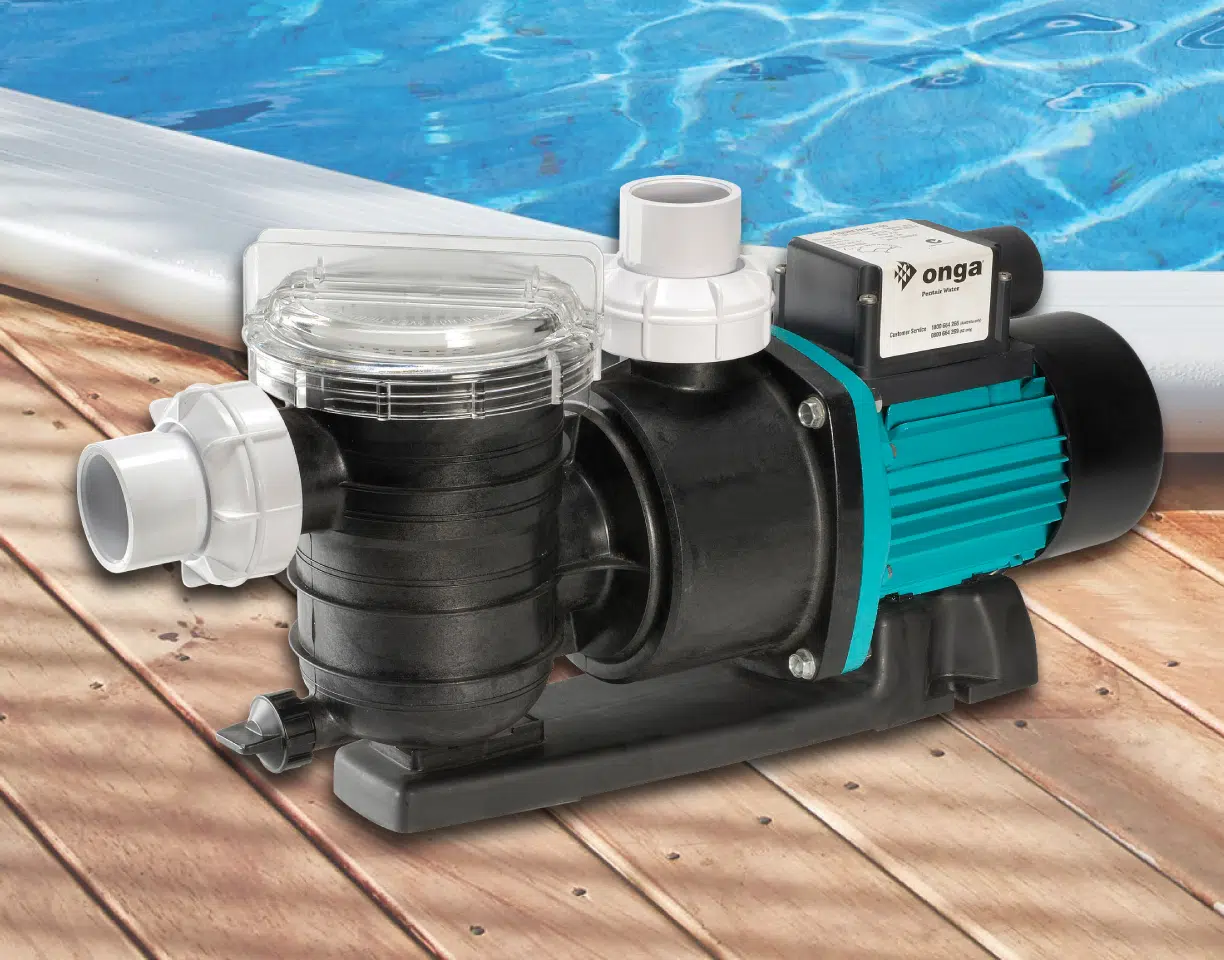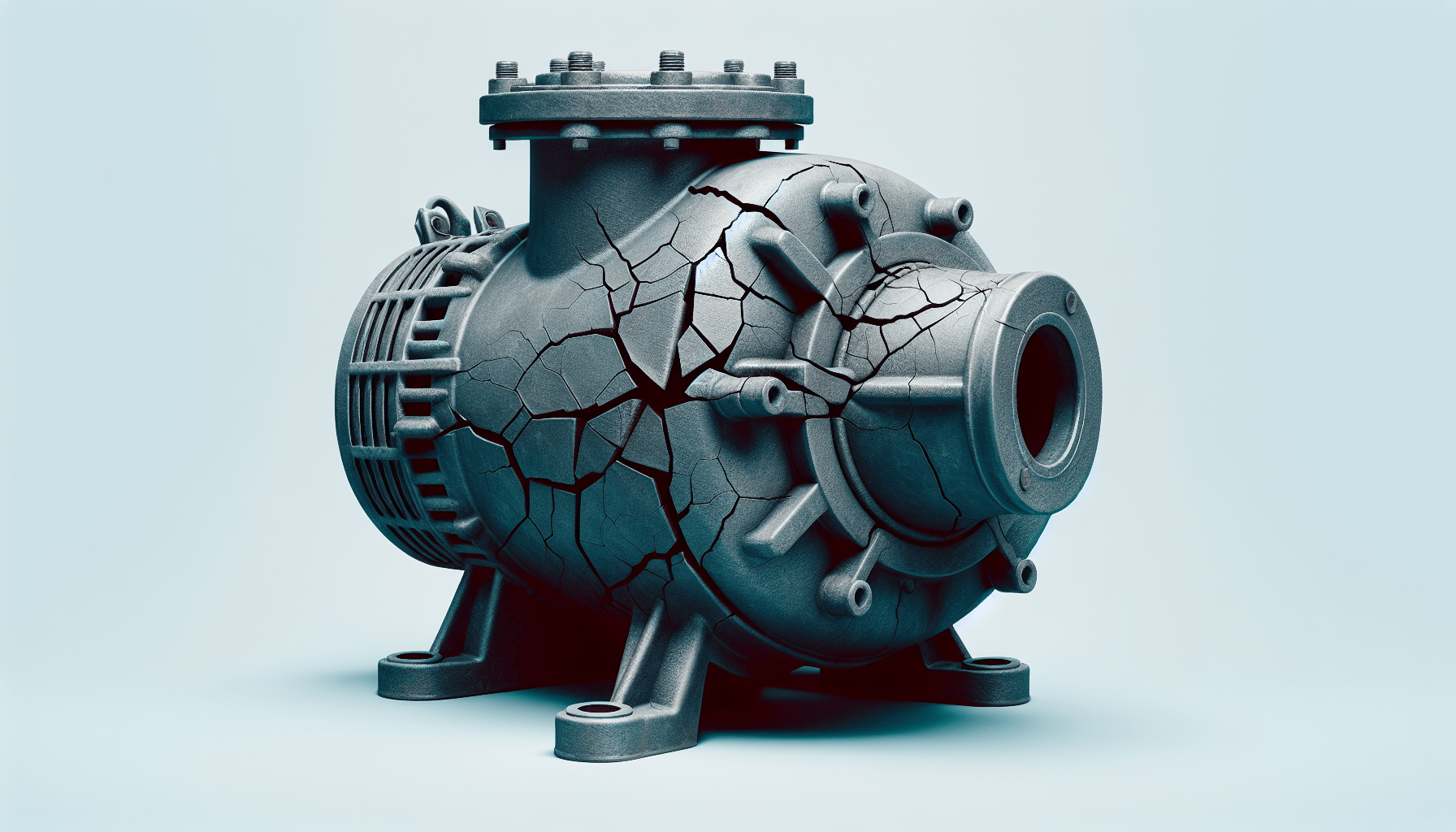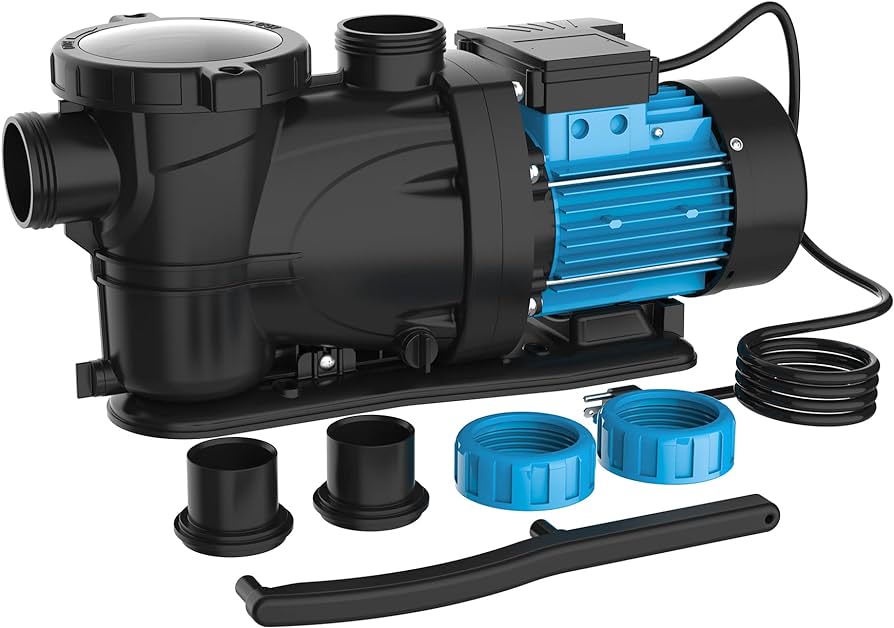
Have you ever wondered how long your pool pump will last? The life expectancy of a pool pump can vary depending on a few factors, such as the quality of the pump, the amount of usage, and maintenance. In general, a well-maintained and high-quality pool pump can last anywhere from 8 to 15 years. However, it’s important to note that improper use and neglect can significantly shorten its lifespan. In this article, we will explore the factors that influence the life expectancy of a pool pump and provide some tips on how to extend its longevity. So, if you want to make the most out of your pool pump and avoid costly replacements, keep reading.
Factors Affecting the Life Expectancy of a Pool Pump
When it comes to the life expectancy of a pool pump, several factors play a crucial role in determining how long it will last. From the quality of materials used in its construction to its usage patterns, each aspect has a direct impact on the pump’s longevity. In this article, we will explore these factors in detail, helping you understand what goes into determining the lifespan of your pool pump and how you can improve its durability.
Quality of Materials
The quality of materials used in the construction of a pool pump is one of the most significant factors influencing its life expectancy. Each component, such as the motor, pump housing, impeller, seals, gaskets, and electrical components, must be made from durable and reliable materials. High-quality materials not only ensure the pump’s overall structural integrity but also contribute to its longevity.
Frequency of Use
Another factor that affects the life expectancy of a pool pump is the frequency of its use. Pumps that are used daily may experience more wear and tear than those used only on weekends or occasionally. The more frequently a pump operates, the more strain it will endure, potentially leading to a shorter lifespan. Understanding your pool usage patterns and selecting a pump that matches your needs can help in maximizing its lifespan.
Maintenance
Proper maintenance is essential for prolonging the life of your pool pump. Regular cleaning of the pump, including the housing and impeller, helps prevent the accumulation of debris and ensures smooth operation. Lubrication of moving parts, such as bearings and seals, reduces friction and extends their lifespan. Regular filter maintenance, such as backwashing or replacing filter media, is also crucial. Additionally, promptly repairing or replacing any faulty parts can prevent further damage and extend the overall longevity of the pump.

Environmental Factors
The environment in which your pool pump operates can have a significant impact on its life expectancy. Factors such as climate, exposure to sunlight, humidity levels, and the presence of dust or debris can all affect the pump’s performance and longevity. For example, pumps operating in hot and humid climates may experience more strain, leading to a shorter lifespan. Similarly, prolonged exposure to direct sunlight can cause damage to certain components. Regular cleaning and providing adequate shade can help mitigate these environmental factors.
Proper Sizing
Choosing the right-sized pump for your pool is crucial for its long-term performance and durability. Matching the pump to the pool’s capacity ensures that it can effectively circulate water without excessive strain. An undersized pump may have to work harder, leading to premature wear and a shorter lifespan. On the other hand, an oversized pump can also cause problems, such as inefficient hydraulic performance. By considering the pool capacity and hydraulic efficiency, you can select a pump that is optimally sized for your specific needs.
Installation
Proper installation is paramount in maximizing the life expectancy of your pool pump. Opting for professional installation ensures that the pump is correctly installed and connected. Professionals can also ensure proper wiring, reducing the risk of electrical issues. Moreover, they can guide you in choosing the right placement for the pump, considering factors such as noise reduction, accessibility for maintenance, and avoiding potential obstructions.
Operating Conditions
The operating conditions under which a pool pump runs can greatly impact its lifespan. Continuous operation, where the pump operates consistently for extended periods, can lead to increased wear and eventually shorten its lifespan. On the other hand, intermittent operation, where the pump operates in cycles, can help reduce strain and prolong its life. Additionally, considering a variable speed pump instead of a single-speed pump can contribute to better energy efficiency and potentially extend the pump’s lifespan.
Water Chemistry
Maintaining proper water chemistry is essential for both water quality and the longevity of your pool pump. Balanced pH levels are crucial as extreme pH levels can corrode the pump’s components. Likewise, maintaining proper chlorine and sanitizer levels helps prevent the growth of harmful bacteria, reducing the strain on the pump. Regular water testing and maintenance allow you to identify and correct any imbalances or issues promptly, ensuring the longevity of your pool pump.
Manufacturer’s Specifications
Adhering to the manufacturer’s specifications is vital for maximizing the life expectancy of your pool pump. These specifications provide guidelines on installation, operation, maintenance, and other important aspects to ensure the pump’s optimal performance and durability. By following these instructions, you can avoid unintended strain or damage and keep your pool pump functioning for its intended lifespan.
Usage Patterns
The final factor we will discuss is the usage pattern of your pool pump. Whether your pool is residential, commercial, or a public pool can have an impact on the pump’s lifespan. Commercial and public pools typically experience more frequent use and may require a more robust pump to withstand heavy demand. Residential pools, depending on the level of usage, may have different requirements. Choosing a pump that aligns with your pool’s usage pattern is crucial in maximizing its lifespan.
In conclusion, several factors influence the life expectancy of a pool pump. Ranging from the quality of materials used to environmental factors, proper sizing, installation, and maintenance, each aspect plays a crucial role. By understanding these factors and taking appropriate measures, such as selecting a high-quality pump, regular maintenance, and adhering to manufacturer’s specifications, you can ensure a longer lifespan for your pool pump, saving you both time and money in the long run. Remember, a well-maintained pool pump not only improves the overall efficiency of your pool system but also enhances your swimming experience.