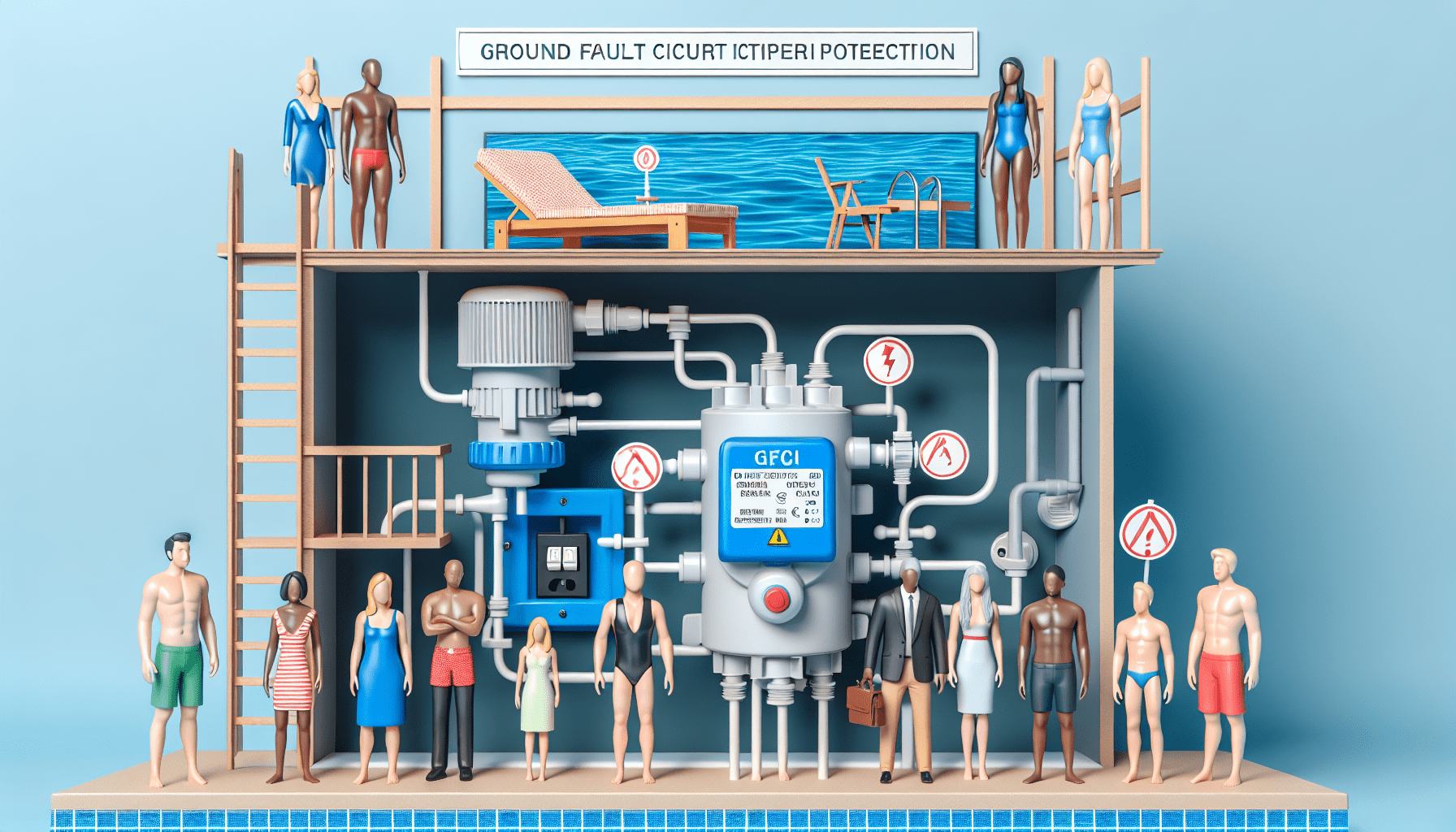
Are you a proud pool owner looking to ensure the safety and functionality of your pool pump? Look no further! In this article, we will explore the importance of pool pump proper grounding. Grounding your pool pump is essential for several reasons, including preventing electrical shocks, protecting your equipment, and complying with safety regulations. So, let’s jump right in and uncover the key information you need to know about pool pump proper grounding.
What is Pool Pump Grounding?
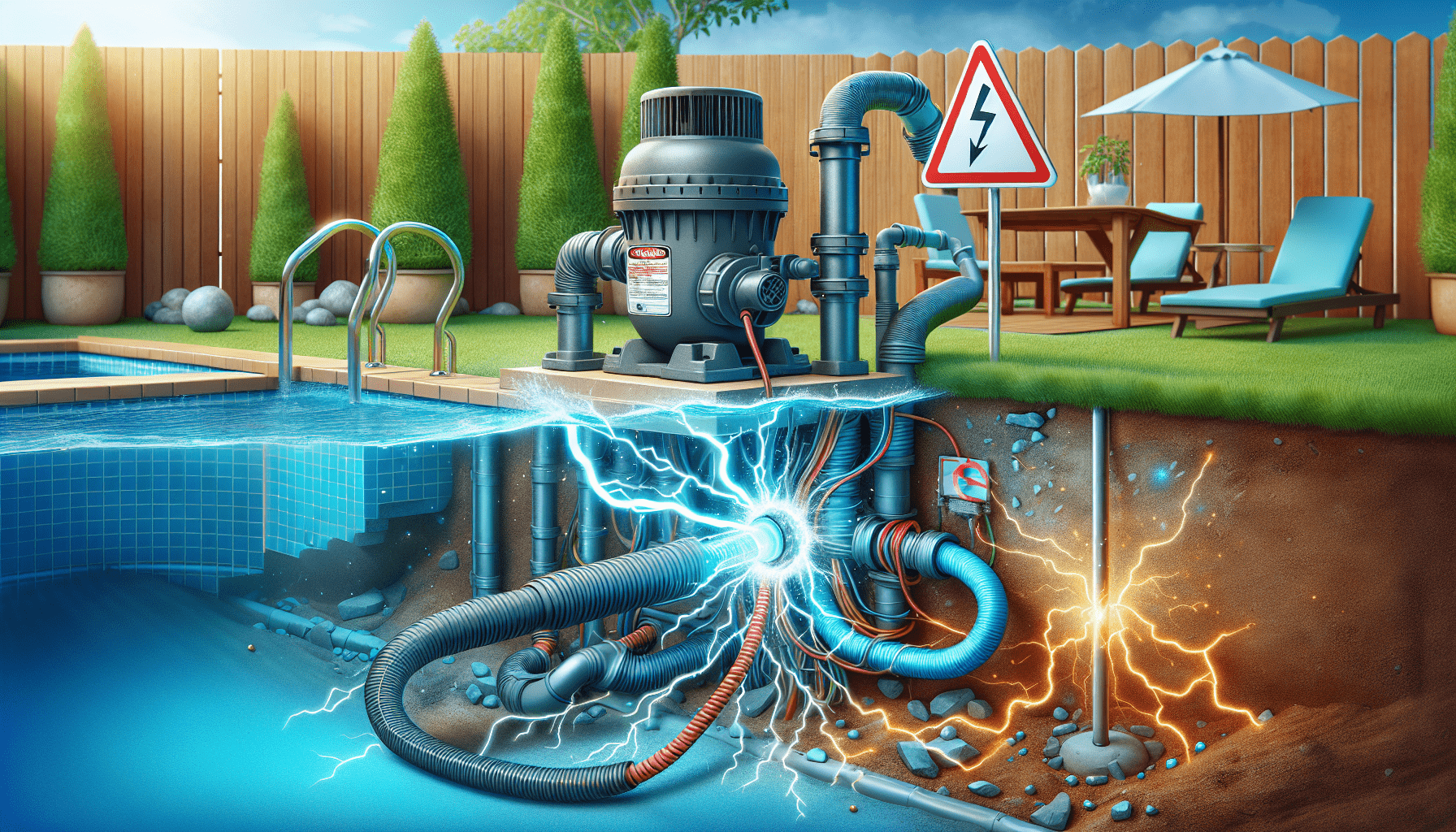
When it comes to ensuring the safety of your pool pump, proper grounding is a critical aspect that cannot be overlooked. Pool pump grounding refers to the process of creating an electrical connection between the pump and the earth. This connection plays a crucial role in diverting electrical currents away from the pump and preventing any potential hazards that may arise from electrical faults.
Definition
In simple terms, pool pump grounding is the practice of connecting the metal parts of a pool pump to the ground in order to provide a safe pathway for electrical currents to flow and prevent electrical shock hazards. This connection is typically established through a system of wires and grounding rods that allow any electrical faults to be safely dissipated into the earth.
Importance of Proper Grounding
Proper grounding of your pool pump is of utmost importance for several reasons. First and foremost, it ensures the safety of swimmers and individuals around the pool by minimizing the risk of electrical shocks. Additionally, it protects the pool pump and other equipment from damage caused by electrical faults. Lastly, proper grounding is essential for complying with electrical codes and regulations, ensuring that your pool is up to the required safety standards.
Understanding Pool Pump Electrical Safety
To fully grasp the importance of proper grounding, it’s crucial to be aware of the potential hazards that can arise from improper grounding. Without adequate grounding, your pool pump is susceptible to a multitude of electrical safety risks.
Potential Hazards of Improper Grounding
One of the most significant hazards of improper grounding is the risk of electrical shock. Swimming pools contain water, which is an excellent conductor of electricity. If the pool pump is not properly grounded and an electrical fault occurs, the electrical current may flow through the water and pose a danger to anyone in or around the pool.
Improper grounding can also lead to damage to the pool pump and other electrical equipment. Without a proper pathway for electrical faults, excessive electrical currents may build up and damage the motor, impeller, or other components of the pool pump. This can result in costly repairs or even the need to replace the pump altogether.
Electrical Codes and Regulations
Electrical codes and regulations exist to ensure the safety of individuals using pool facilities. These codes dictate the proper installation and grounding of pool pumps to mitigate electrical hazards. It is essential to comply with these codes to avoid penalties and, more importantly, keep everyone safe.
Components of a Pool Pump
To understand how grounding works in a pool pump, it is essential to have a basic understanding of the various components involved.
Motor
The motor is the heart of the pool pump and is responsible for driving the impeller to circulate water. It typically consists of copper windings wrapped around a magnetic core and is powered by electricity.
Impeller
The impeller is a rotating component within the pool pump that creates the necessary pressure to circulate water. It works in tandem with the motor to generate the required force to move water through the filtration system.
Seal
The seal is a crucial component that prevents water from leaking into the motor, protecting it from damage. It ensures a tight and watertight connection between the impeller and motor, allowing the pump to operate efficiently and safely.
Electrical Connections
The electrical connections of a pool pump include the wiring that enables the motor to receive the necessary power to function. These connections must be properly insulated and secured to prevent the risk of electrical faults or heat damage.
Grounding System
The grounding system of a pool pump consists of wires and grounding rods that provide a direct pathway for electrical currents to flow into the earth. It is designed to divert any excessive electrical charge away from the pump, ensuring the safety of the users and the longevity of the equipment.

Principles of Pool Pump Grounding
To achieve proper grounding for your pool pump, certain principles need to be followed.
Path to Ground
A proper grounding system must establish a direct pathway for electrical currents to flow into the earth. This path should offer the least resistance and provide a safe route for any electrical faults to be dissipated.
Low Impedance
An ideal grounding system should have low impedance, meaning it offers minimal resistance to the flow of electrical current. Low impedance helps ensure that excessive electrical currents can be effectively diverted away from the pump, offering maximum safety.
Proper Bonding
In addition to grounding, proper bonding is crucial for pool pump safety. Bonding involves establishing an electrical connection between various metal components of the pool, such as the pump, the ladder, and the handrails. This ensures that all metal parts are at the same electrical potential, reducing the risk of electrical shocks.
Importance of Proper Grounding
Understanding the importance of proper grounding is essential for every pool owner. Here are some key reasons why it should never be overlooked:
Electrical Shock Prevention
Proper grounding significantly reduces the risk of electrical shocks, ensuring the safety of swimmers and everyone around the pool. By providing a safe pathway for electrical currents, grounding minimizes the chances of current flowing through the water, which can have disastrous consequences.
Protection against Equipment Damage
A well-grounded pool pump protects the motor and other electrical components from damage caused by electrical faults. By promptly diverting excessive electrical currents away from the pump, grounding prevents overheating, short circuits, and potential burnouts.
Compliance with Electrical Codes
Adhering to electrical codes and regulations is not only a legal requirement but also a matter of safety. Proper grounding ensures that your pool is compliant with the set standards, allowing you to enjoy your pool with peace of mind and avoid costly penalties.
Steps to Properly Ground a Pool Pump
Properly grounding a pool pump is a task that should be carried out by a professional electrician. Here are the general steps involved in the process:
Consulting a Professional Electrician
Before attempting any grounding work, it is crucial to consult with a professional electrician who specializes in pool pump installations. They have the knowledge and expertise to ensure that your pool pump is grounded safely and effectively.
Inspecting Wiring and Connections
The electrician will conduct a thorough inspection of the pool pump’s wiring and connections. This includes checking for any loose or damaged wires, ensuring correct insulation, and assessing the suitability of the existing electrical setup.
Ensuring Direct Bonding
In addition to grounding, the electrician will also check and ensure that proper bonding is established between all metal components of the pool system. This includes bonding the pump, ladder, handrails, and any other metal parts to eliminate the risk of electrical shocks.
Verifying Low Impedance
The electrician will test the grounding system to ensure that it offers low impedance. This may involve measuring the resistance of the grounding system to ensure that it meets the required standards.
Common Grounding Mistakes to Avoid
While proper grounding is crucial, it’s equally important to avoid common grounding mistakes that can compromise the safety of your pool pump.
Using Incorrect Wire Size
Using the incorrect wire size for your pool pump’s grounding can lead to inadequate grounding and increased resistance. It is essential to consult with a professional electrician to determine the appropriate wire size based on the specific requirements of your pool pump.
Neglecting Regular Grounding Checks
Grounding should not be a one-time task. Regular checks and maintenance are necessary to ensure that the grounding system remains in good condition. Neglecting these checks can result in deterioration of the grounding system over time, potentially leading to safety hazards.
Improper Location of Grounding System
The location of the grounding system is critical for its effectiveness. It should be positioned in an area with good soil conductivity and proper drainage. Placing the grounding system in an unsuitable location, such as areas with high water tables or rocky soil, can hinder its performance.
Signs of Improper Grounding
If your pool pump is not properly grounded, there are several signs that may indicate an issue. It’s important to be aware of these signs and take appropriate action if you notice any of them.
Tripping Circuit Breakers
If your pool pump repeatedly trips circuit breakers or causes fuses to blow, it may be a sign of improper grounding. Excessive electrical currents due to a faulty grounding system can overload the electrical circuit, leading to tripping or blowing of protective devices.
Electrical Shocks
Experiencing electrical shocks when touching metal components of the pool pump or the pool water itself is a clear indication of improper grounding. This is a severe safety hazard and should be addressed immediately to prevent any further harm or damage.
Motor Malfunctioning
If your pool pump’s motor is experiencing frequent malfunctions, such as overheating or randomly shutting off, it could be due to improper grounding. Faulty grounding can lead to increased electrical resistance, which puts excessive strain on the motor and can cause it to malfunction.
Importance of Professional Assistance
When it comes to pool pump grounding, seeking professional assistance is highly recommended. Here’s why:
Ensuring Safety and Compliance
Professional electricians have the necessary expertise to ensure that your pool pump is grounded safely and in compliance with electrical codes and regulations. They understand the potential risks and have the knowledge to address them effectively, ensuring the safety of everyone around the pool.
Expertise in Electrical Work
Electricians specializing in pool pump installations have extensive experience and knowledge in this specific field. They are well-versed in the best practices and guidelines for grounding pool pumps, and they possess the skills necessary for proper installation and maintenance.
Avoiding Costly Mistakes
Improper grounding can have costly consequences, both in terms of potential damage and potential fines for non-compliance with electrical codes. By entrusting the job to a professional electrician, you can avoid making costly mistakes and ensure that the grounding is done correctly the first time.
Conclusion
Proper grounding is crucial for the safety and functionality of your pool pump. By establishing a direct pathway for electrical currents to flow into the earth, grounding helps prevent electrical shocks, protects your pool equipment, and ensures compliance with electrical codes. It is always recommended to consult with a professional electrician to properly ground your pool pump, ensuring the safety of everyone and prolonging the lifespan of your equipment. Regular maintenance and periodic checks of the grounding system are also essential to maintain its effectiveness and keep your pool environment safe.