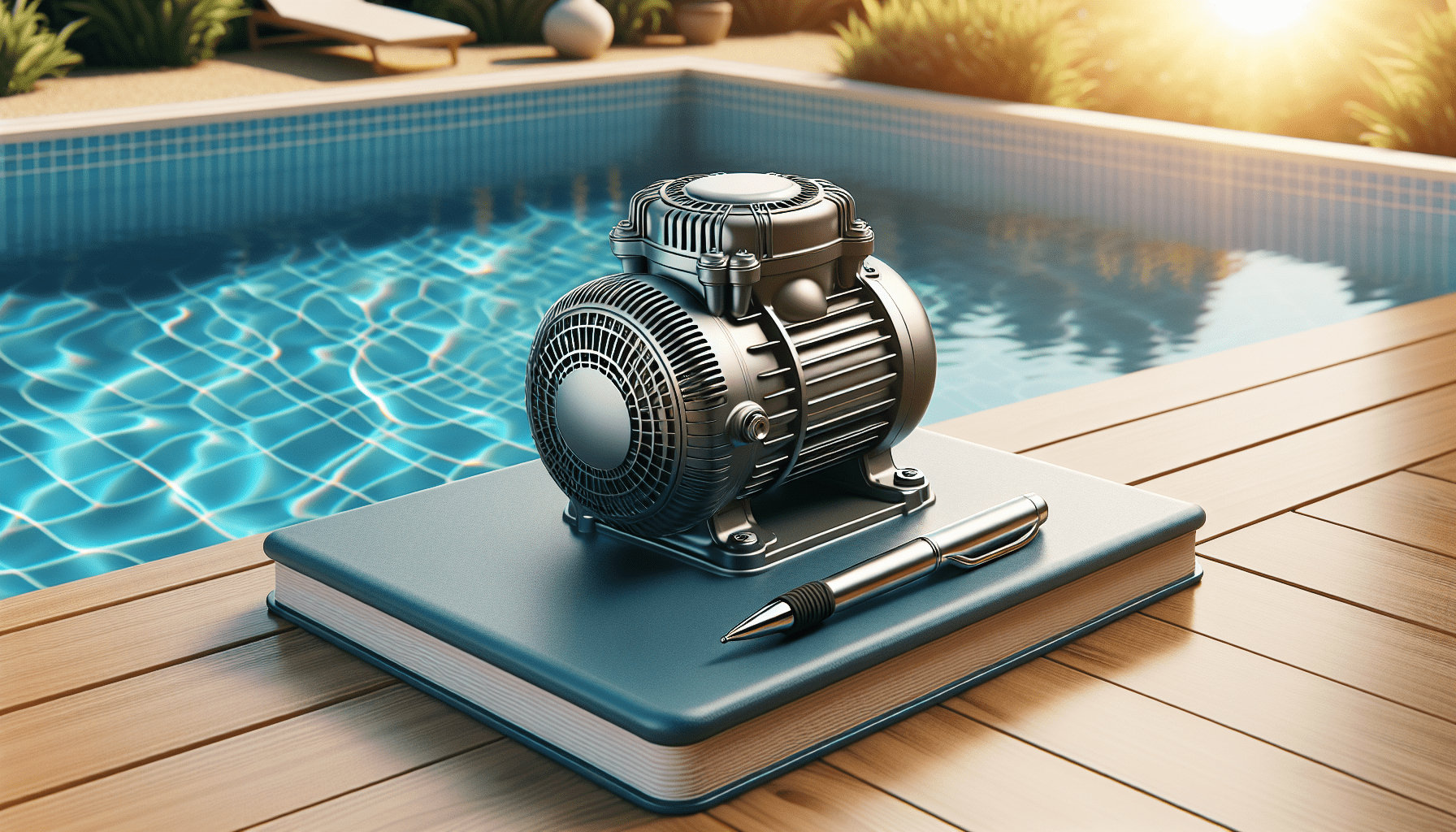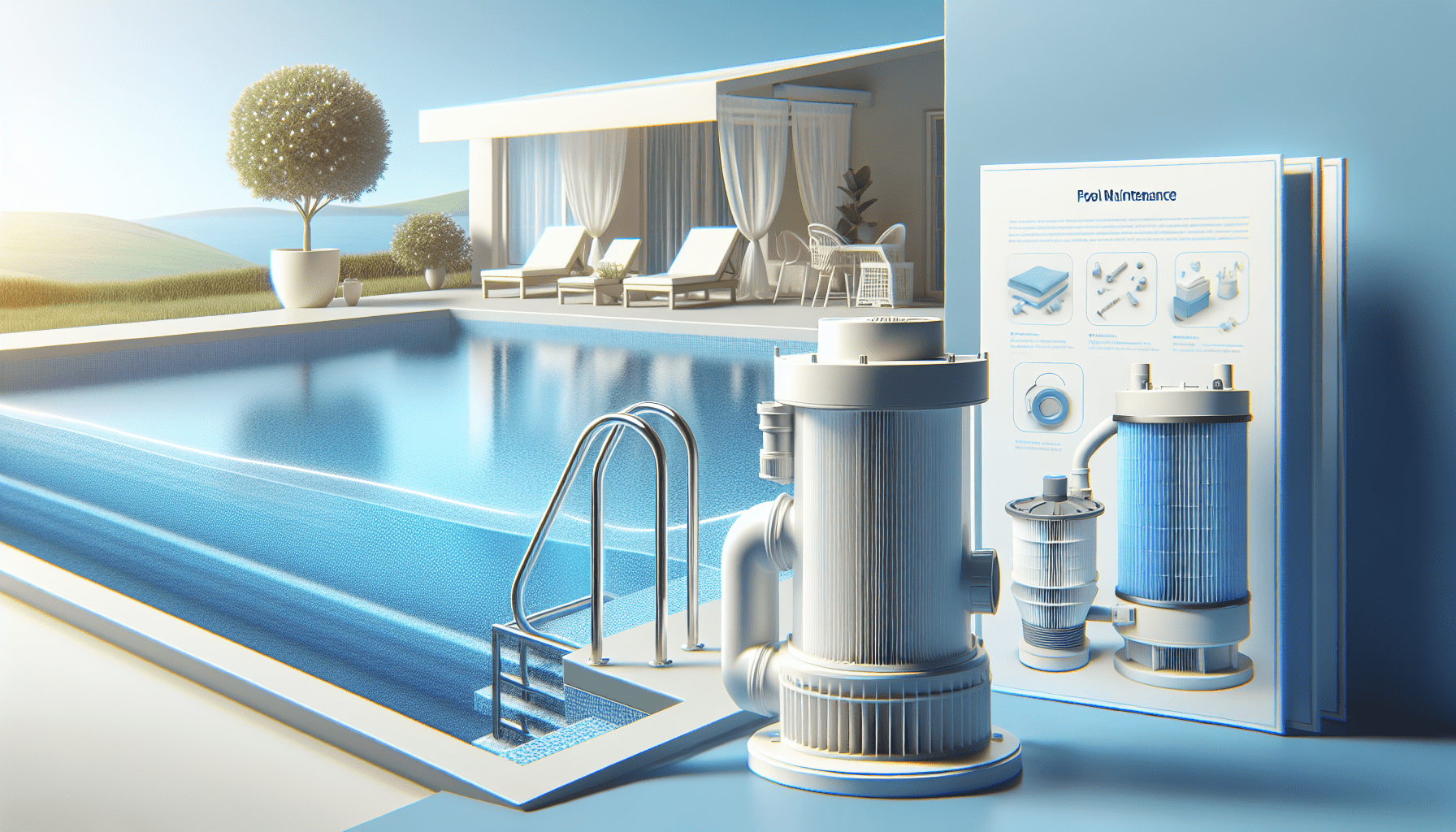
Are you wondering what size pool pump is right for your swimming pool? If so, you’re in luck! This article will guide you through the process of calculating the perfect size pool pump for your needs. Whether you have a small backyard pool or a large Olympic-sized one, understanding the correct pump size is essential for maintaining optimal water circulation and filtration. So, let’s get started on discovering the ideal fit for your pool and ensuring crystal clear water all summer long.
Factors to Consider
When choosing a pool pump, there are several factors that need to be taken into consideration. These factors include pool volume, turnover rate, pipe size, and resistance. Each of these factors plays a crucial role in determining the appropriate size of the pool pump for your specific needs.
Calculating Pool Volume
The first step in determining the right pool pump size is to calculate the volume of your pool. The pool volume is the amount of water that your pool can hold. The calculation of pool volume will vary depending on the shape of your pool.
Rectangular/Square Pools
If you have a rectangular or square-shaped pool, calculating the pool volume is relatively simple. You will need to measure the length, width, and average depth of your pool. Multiply these measurements together to get the volume in cubic feet. To convert the volume to gallons, multiply the cubic feet by 7.48.
Circular/Round Pools
For circular or round-shaped pools, you will need to measure the diameter and average depth. Use the formula π times the radius squared, multiplied by the average depth, to calculate the volume in cubic feet. To convert the volume to gallons, multiply the cubic feet by 7.48.
Irregular/Shaped Pools
Calculating the volume of irregularly shaped pools can be a bit more complex. In these cases, it is recommended to consult a pool professional who can assist with accurate measurements and calculations to determine the pool volume.
Determining Turnover Rate
The turnover rate refers to the number of times that the entire pool volume is circulated and filtered in a given time period. It is an important factor to consider when selecting a pool pump as it affects the overall cleanliness and maintenance of the pool.
Minimum Turnover Rate
The minimum turnover rate is the lowest rate at which the pool water should be circulated and filtered. The industry standard for residential pools is typically around 8 hours. This means that the entire pool volume should be filtered within an 8-hour period. However, it is worth noting that certain factors such as pool usage and location may require a higher minimum turnover rate.
Optimal Turnover Rate
The optimal turnover rate is the rate at which the pool water should ideally be circulated and filtered. This rate may vary based on factors such as pool usage, climatic conditions, and additional water features. It is recommended to consult with a pool professional to determine the optimal turnover rate for your specific pool.
Calculating Turnover Rate
To calculate the turnover rate, divide the pool volume by the desired turnover time (in hours). For example, if you have a pool volume of 20,000 gallons and want to achieve a turnover rate of 8 hours, divide 20,000 by 8. The result is 2,500 gallons per hour, which is the required flow rate for your pool pump.
Evaluating Pipe Size
The size of the pipes used in your pool’s circulation system also plays a role in determining the appropriate pump size. The pipe size affects the flow rate and head loss, both of which impact the pump’s performance and efficiency.
Head Loss Calculation
Head loss refers to the loss of pressure that occurs as water flows through the pipes and other system components. It is important to consider head loss when sizing your pool pump to ensure that it can overcome the pressure drop caused by the pipes and maintain adequate flow rate.
Pipe Diameter Considerations
The diameter of the pipes used in your pool’s circulation system affects the flow rate and head loss. Larger pipe diameters allow for higher flow rates with less head loss, while smaller diameters can restrict flow and result in higher head loss. It is important to choose the right pipe size based on your pool’s specific requirements and to consult with a pool professional if needed.
Pipe Friction
Friction within the pipes also affects the efficiency of the pool pump. Friction results in additional head loss and requires the pump to work harder to maintain the desired flow rate. Choosing the right pipe size, minimizing bends and obstructions, and using smooth pipe materials can help reduce friction and enhance the pump’s performance.

Considering Resistance Factors
Resistance factors, such as the type of filter used, the elevation of the pool, and additional water features, can impact the pump’s performance and efficiency. These factors should be taken into account when selecting the size of your pool pump.
Filter Type
Different types of filters, such as sand, cartridge, or DE (diatomaceous earth) filters, have varying degrees of resistance. It is important to consider the resistance of your chosen filter and ensure that the pool pump can adequately overcome this resistance to maintain the desired flow rate and turnover rate.
Elevation
The elevation of the pool relative to the pump can also affect the pump’s performance. If you have a pool located at a higher elevation than the pump, it may require a more powerful pump to overcome the additional resistance caused by the increased height.
Additional Features
If your pool has additional water features, such as waterfalls, slide sprayers, or fountains, these features will introduce additional resistance to the pool pump. It is crucial to consider these features when sizing your pool pump to ensure that it can handle the extra load and maintain the desired flow rate.
Choosing the Right Pump Size
Now that you have calculated the pool volume, determined the desired turnover rate, evaluated the pipe size and resistance factors, it is time to choose the right pump size. Here are some guidelines to assist you in making an informed decision:
Consulting Manufacturer Guidelines
Most reputable pump manufacturers provide guidelines and charts that recommend pump sizes based on pool volume, turnover rate, and other factors. These guidelines can serve as a helpful starting point in selecting the appropriate pump size for your pool.
Matching Turnover Rate and Pool Volume
Ensure that the selected pump can achieve the desired turnover rate based on the pool volume. It is important to choose a pump that can efficiently circulate and filter the entire pool volume within the desired time frame.
Considering Pool Usage
If your pool experiences heavy usage or is frequently used for activities such as water sports or hosting gatherings, it may require a more powerful pump to handle the increased debris and maintain optimal water quality.
Professional Pool Assessment
For complex pool setups or if you are uncertain about the appropriate pump size, it is recommended to consult with a pool professional. They can assess your pool’s specific needs, take into account all relevant factors, and provide expert advice on choosing the right pump size.
Sizing Examples
To provide a practical understanding, let’s consider a few sizing examples for different pool shapes:
Example 1: Rectangular Pool
Suppose you have a rectangular pool with dimensions of 18 feet in length, 10 feet in width, and an average depth of 4 feet. Using the calculation method mentioned earlier, the pool volume would be 720 cubic feet or approximately 5,386 gallons. Based on a desired turnover rate of 8 hours, the required flow rate would be 673.25 gallons per hour.
Example 2: Circular Pool
If you have a circular pool with a diameter of 15 feet and an average depth of 5 feet, the pool volume would be approximately 3,534 gallons. With a desired turnover rate of 8 hours, the required flow rate would be 441.75 gallons per hour.
Example 3: Irregular Pool
For irregularly shaped pools, it is best to consult with a pool professional or use advanced modeling software that can accurately calculate the volume and turnover rate based on detailed measurements.
Avoiding Oversizing or Undersizing
Both oversizing and undersizing your pool pump can lead to various issues and inefficiencies. It is important to choose the right pump size to ensure optimal performance and longevity of your pool system.
Issues with Oversizing
Overly powerful pumps can cause excessive flow rates, leading to increased energy consumption, higher operating costs, and potential damage to the pool’s plumbing system. Additionally, high flow rates can result in poor filtration and less effective water circulation.
Issues with Undersizing
Undersized pumps may struggle to maintain the desired flow rate, compromising the turnover rate and overall water quality. Inefficient filtration and inadequate water circulation can result in algae growth, increased chemical usage, and potential damage to the pool equipment.
Importance of Proper Sizing
Selecting the right pump size is crucial for efficient pool operation, maintaining water clarity, and reducing maintenance requirements. Proper sizing ensures that the pump can effectively circulate and filter the pool volume within the desired time frame, resulting in clean and healthy water for swimming.
Other Considerations
While determining the appropriate pump size is essential, there are other factors worth considering when selecting a pool pump:
Energy Efficiency
Choosing an energy-efficient pool pump can significantly reduce operating costs and help conserve energy. Look for pumps with variable speed or energy-saving features that allow you to adjust the flow rate based on your pool’s specific needs.
Noise Levels
Some pool pumps can be quite noisy, especially if they are located close to living spaces or outdoor seating areas. Consider models that offer noise reduction features or opt for pump enclosures to minimize noise disturbance.
Cost Considerations
Alongside the initial investment in a pool pump, it is important to factor in ongoing maintenance costs, such as filter cleaning and pump maintenance. Evaluate the long-term cost implications of different pump models before making a final decision.
Conclusion
Choosing the right size pool pump involves careful consideration of various factors including pool volume, turnover rate, pipe size, and resistance factors. Calculating pool volume, determining turnover rate, evaluating pipe size, and considering resistance factors are integral parts of the sizing process. Additionally, it’s important to consult manufacturer guidelines, match turnover rate with pool volume, consider pool usage, and if needed, seek professional assistance. Avoiding oversizing or undersizing is crucial to ensure optimal performance and efficiency. Energy efficiency, noise levels, and cost considerations should also be taken into account. By following these guidelines and considerations, you can select a pool pump that meets your needs, maintains water clarity, and provides an enjoyable swimming experience.