Choosing the right speed for your pool pump is essential to ensure optimal efficiency and performance. With so many options available, it can be overwhelming to determine the best speed for your pool. In this article, we will explore the different speeds and their benefits, providing you with the knowledge you need to make an informed decision and keep your pool crystal clear and refreshing all summer long. So, let’s dive in and discover the best speed to run your pool pump!
Determining the Best Speed
When it comes to running a pool pump, determining the best speed is crucial for ensuring optimal pool performance and energy efficiency. Numerous factors need to be considered when deciding on the speed at which your pool pump should operate. By carefully evaluating these factors and calculating the optimal speed, you can achieve the perfect balance for your pool system.
Factors to Consider
Several factors come into play when determining the best speed for your pool pump. First and foremost, you need to consider the pool size and the plumbing system. Larger pools may require higher flow rates to adequately circulate the water, while smaller pools may not need as much flow. The plumbing layout also affects the water flow, as more complex plumbing systems may result in higher resistance and require a higher pump speed.
Additionally, the presence of water features such as waterfalls or fountains can impact the required pump speed. These features often need higher flow rates to create the desired visual effect, and the pump speed should be adjusted accordingly.
Lastly, it is important to refer to the manufacturer’s recommendations for your specific pool pump model. Manufacturers often provide guidelines on the recommended flow rates and pump speeds for optimal performance and longevity. Considering these recommendations can help ensure that you are operating the pump within its intended parameters.
Calculating the Optimal Speed
To calculate the optimal speed for your pool pump, you can use a pool pump efficiency calculator or consult with a pool professional. These calculations take into account the factors mentioned above, such as pool size and plumbing layout, and provide a recommended speed at which to operate the pump.
By determining the optimal speed, you can maximize both the pool’s efficiency and energy savings. Running the pump too fast can result in excessive energy consumption, while running it too slow may compromise water circulation and filtration. Finding the right balance is crucial for maintaining a clean and safe pool while minimizing energy costs.
Effects of Different Speeds
The speed at which you run your pool pump can have various effects on your pool’s performance and overall maintenance. Understanding these effects can help you make an informed decision on the best speed for your specific pool setup.
Low Speed
Running the pool pump at a low speed offers several benefits. Firstly, it reduces energy consumption and lowers your utility costs. Since the pump runs at a slower pace, it consumes less power while still circulating the water effectively. This can result in significant energy savings over time.
Another advantage of running the pump at a low speed is its contribution to noise reduction. Slower pump speeds generate less noise, creating a more enjoyable and peaceful pool environment.
Moreover, running the pump at a low speed for extended periods helps to maintain a consistent water temperature. By circulating the water at a gradual pace, heat distribution is improved, ensuring that the water is evenly warmed throughout the pool.
Medium Speed
Medium-speed operation strikes a balance between energy efficiency and water circulation. This speed is often recommended for routine pool maintenance and normal daily use. At medium speeds, the pump can adequately filter the water, ensuring proper circulation and allowing the filtration system to remove debris effectively.
Medium-speed operation is also optimal for water features such as waterfalls or fountains. By running the pump at a slightly higher speed, you can achieve the desired visual effect while still maintaining efficient water circulation.
High Speed
Running the pool pump at high speeds is usually necessary for specific purposes, such as vacuuming the pool or performing intensive cleaning tasks. High speeds provide exceptional water circulation, allowing for effective debris removal and enhancing pool cleaning efficiency.
However, it is important to note that running the pump at high speeds on a daily basis can significantly increase energy consumption and utility costs. Therefore, it is recommended to use high speeds sparingly and only when needed for specific cleaning or maintenance tasks.
Energy Efficiency
Energy efficiency is a crucial aspect to consider when determining the best speed for your pool pump. By optimizing energy usage, you can reduce your pool’s environmental impact and save on utility costs.
The Role of Variable Speed Pumps
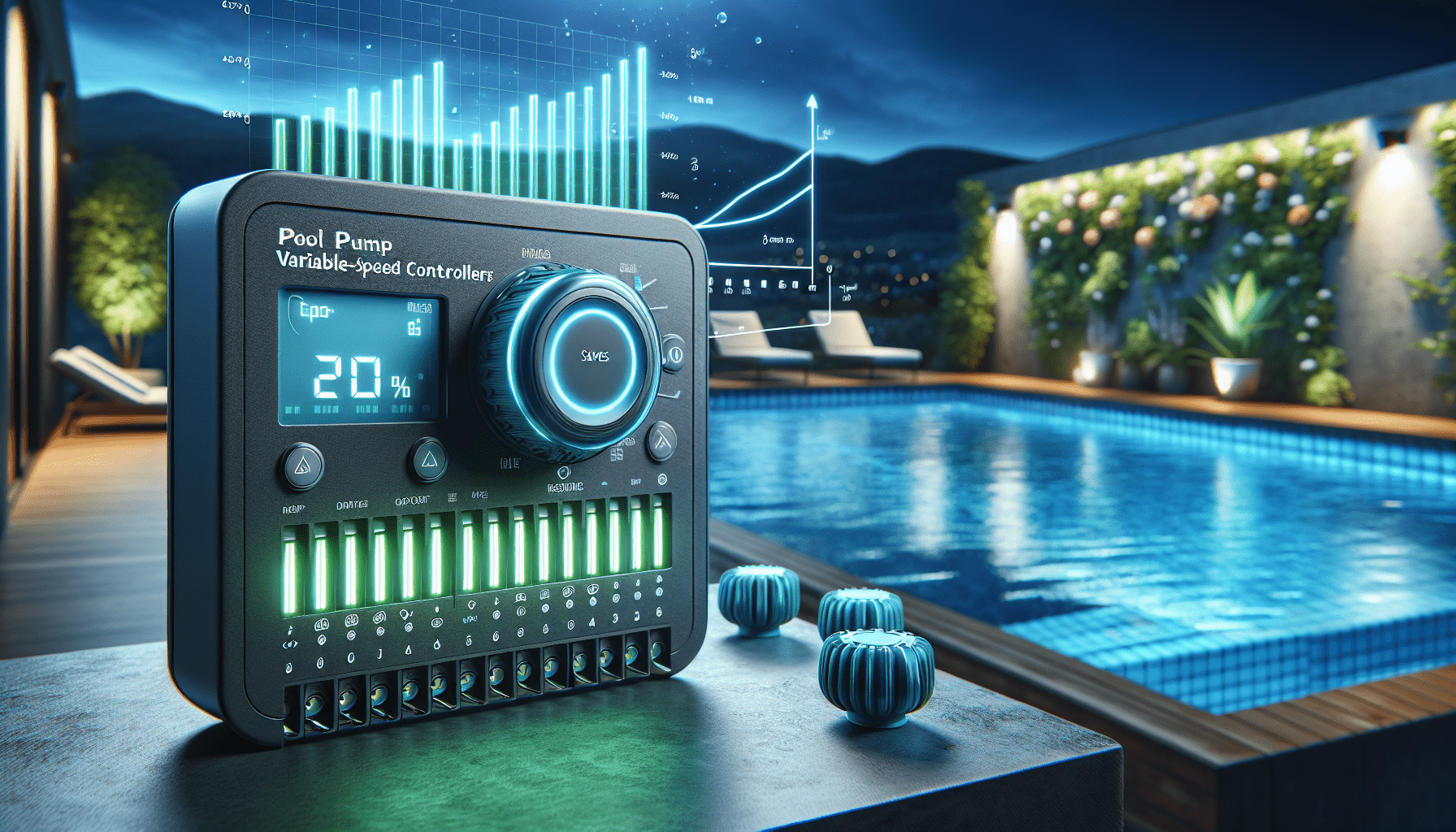
One of the most effective ways to achieve energy efficiency is by utilizing variable speed pumps. Unlike traditional single-speed pumps, variable speed pumps allow you to adjust the pump speed to match your specific pool’s needs. This flexibility enables you to operate the pump at different speeds throughout the day, optimizing energy usage.
Variable speed pumps offer several advantages in terms of energy efficiency. Firstly, they consume significantly less power compared to single-speed pumps. By running the pump at lower speeds during off-peak times, you can reduce energy consumption by up to 70%. This can result in substantial cost savings over the lifespan of the pump.
Additionally, variable speed pumps provide more precise control over water circulation, filtration, and chemical distribution. By adjusting the speed according to your pool’s specific requirements, you can ensure optimal performance in each aspect while minimizing energy waste.
Cost Savings
Utilizing the optimal speed for your pool pump not only benefits the environment but also saves you money in the long run. By operating the pump at the most efficient speed, you can reduce energy consumption and lower your monthly utility bills.
Variable speed pumps, in particular, offer significant cost savings. Although they may have a higher initial cost compared to single-speed pumps, their energy-efficient operation can result in substantial long-term savings. The reduced energy consumption and lower utility costs associated with variable speed pumps often outweigh the initial investment.
It is worth noting that the exact cost savings will vary depending on factors such as your pool size, location, and local utility rates. Consulting with a pool professional or using a pool pump efficiency calculator can help you estimate the potential savings specific to your pool setup.
Filtering and Circulation
Proper filtration and water circulation are essential for maintaining a clean and clear pool. The speed at which you run your pool pump plays a crucial role in achieving adequate filtration and circulation.
Adequate Filtration
Running the pool pump at the optimal speed ensures that the water is adequately filtered. The pump’s speed directly affects the flow rate, which determines how quickly the pool water passes through the filtration system.
Insufficient filtration can lead to several issues, including the accumulation of debris and particles in the pool. This not only affects the pool’s appearance but also compromises water quality and can result in the growth of algae and bacteria.
By running the pump at the optimal speed, you can achieve the desired flow rate for effective filtration. This ensures that the water continually passes through the filter, removing debris and maintaining water clarity.
Maintaining Water Clarity
Proper water circulation is essential for maintaining clear and healthy pool water. When the pump runs at the correct speed, it facilitates the movement of water throughout the pool, preventing stagnation and areas of poor circulation.
Adequate water circulation helps distribute chemicals evenly, which is crucial for maintaining balanced water chemistry. It also prevents the formation of stagnant areas where debris can accumulate. By keeping the water in motion, the pump helps prevent algae growth and ensures that all areas of the pool receive equal treatment.
To maintain water clarity, it is recommended to run the pump for an appropriate duration each day, ensuring that all the water has passed through the filtration system multiple times. The exact duration will vary depending on factors such as pool size, pump speed, and weather conditions. Consulting with a pool professional can help you determine the ideal circulation and filtration schedule for your specific pool.
Chemical Distribution
Proper chemical distribution is vital for maintaining balanced water chemistry and preventing issues such as algae growth and bacterial contamination. The speed at which your pool pump operates can significantly influence the effectiveness of chemical dispersion.
Even Chemical Dispersal
The pump’s speed affects the rate at which the water moves throughout the pool, which in turn determines how quickly chemicals disperse. Running the pump at an appropriate speed ensures that chemicals are evenly distributed, allowing them to work effectively.
Uneven chemical distribution can result in localized imbalances in water chemistry. Areas with poor circulation may not receive sufficient treatment, leading to the growth of algae or other water quality issues. By running the pump at the optimal speed, you can help prevent these imbalances and maintain consistently balanced water chemistry.
Balanced Water Chemistry
Proper chemical balance is essential for creating a safe and enjoyable swimming experience. When the chemicals in your pool are properly balanced, you can avoid issues such as eye and skin irritation, unpleasant odors, and water discoloration.
The pump’s speed, along with precise chemical dosing, plays a crucial role in achieving balanced water chemistry. The optimal pump speed ensures that the chemicals are thoroughly mixed and distributed throughout the pool, allowing them to effectively sanitize the water and maintain proper pH levels.
While maintaining balanced water chemistry requires more than just adjusting the pump speed, running the pump at the appropriate speed is an essential component of overall chemical management.
Reducing Wear and Tear
Proper pump operation can help reduce wear and tear on the pump itself and other pool equipment. By running the pump at the optimal speed, you can prolong the lifespan of your equipment and minimize the need for costly repairs or replacements.
Preventing Pump Damage
Running the pump at excessively high speeds can lead to increased wear and tear on the pump’s internal components. This can result in premature failure or the need for frequent repairs. Additionally, high speeds can increase the strain on the pump motor, potentially leading to overheating or motor burnout.
On the other hand, running the pump at excessively low speeds may cause inadequate lubrication to the pump’s internal components, leading to increased friction and wear. This can also result in premature damage or failure of the motor or other pump parts.
By operating the pump at the optimal speed, you can minimize unnecessary strain on the pump and reduce the risk of damage. Ensuring that the pump is running smoothly and within its intended parameters can help prolong its lifespan and avoid costly repairs or replacements.
Prolonging Equipment Lifespan
Proper pump operation not only preserves the lifespan of the pump itself but also extends the life of other pool equipment. When the pump runs at the optimal speed, it ensures efficient water circulation, which reduces the strain on other components such as filters, heaters, and chlorinators.
Efficient water circulation helps prevent debris buildup in the equipment, reducing the need for frequent cleaning and maintenance. Additionally, proper circulation ensures that all parts of the pool receive adequate treatment, preventing localized issues that can lead to equipment damage.
By operating the pump at the optimal speed and maintaining proper water circulation, you can prolong the lifespan of your pool equipment and avoid unnecessary replacements or repairs.
Controlling Noise Levels
Excessive pump noise can be a source of annoyance and detract from the enjoyment of your pool area. Running the pump at the right speed can help minimize noise levels, creating a quieter and more peaceful pool environment.
Minimizing Pump Noise
The speed at which the pump operates directly affects the amount of noise it produces. Higher pump speeds generally result in increased noise levels, as the moving parts and water flow create more vibrations and turbulence.
By running the pump at a lower speed, you can significantly reduce noise levels. Slower pump speeds generate less vibration, resulting in a quieter operation. This allows you to enjoy the tranquility of your pool area without being disturbed by excessive pump noise.
Enjoying a Quiet Pool Area
A quiet pool area enhances relaxation and creates a more inviting atmosphere for you and your guests. By optimizing the pump speed to minimize noise levels, you can create a serene environment where you can unwind, read a book, or have a conversation without being interrupted by loud pump sounds.
Additionally, a quieter pool area can be particularly beneficial during nighttime or early morning hours when noise disturbances can be more noticeable to surrounding neighbors. By running the pump at a lower speed, you can be considerate of those around you and maintain a peaceful environment.
Additional Considerations
Beyond the factors discussed earlier, there are several other considerations to keep in mind when determining the best speed for your pool pump.
Pool Size and Plumbing
The size of your pool plays a significant role in the required pump speed. Larger pools generally require higher flow rates to ensure adequate circulation and filtration. Smaller pools, on the other hand, may not need as much flow, and running the pump at lower speeds can be more efficient.
The plumbing layout also affects the pump speed. More complex plumbing systems may have higher resistance, requiring a higher pump speed to overcome the additional head pressure. Conversely, simpler plumbing designs with fewer turns and bends may allow for lower pump speeds.
Considering both the size of your pool and the complexity of your plumbing can help determine the optimal speed for your pump.
Water Features and Pumps
If your pool has water features such as waterfalls, fountains, or spas, their flow requirements should be taken into account when setting the pump speed. These features often require higher flow rates to achieve the desired visual effect. Adjusting the pump speed accordingly ensures that the water features function as intended while maintaining overall water circulation.
Additionally, if separate pumps power the water features, their operation should be considered in conjunction with the main pool pump. Balancing the speeds of both pumps ensures that the water features receive sufficient flow without compromising the overall pool circulation.
Manufacturer Recommendations
To ensure optimal pump performance and adhere to warranty requirements, it is essential to consult the manufacturer’s recommendations for your specific pool pump model. Manufacturers often provide guidelines on the recommended flow rates, pump speeds, and operating parameters.
These recommendations are based on the pump’s design, specifications, and intended usage. Following the manufacturer’s guidelines helps protect the pump and optimize its performance, ensuring efficient water circulation and filtration.
Maintenance and Monitoring
Proper maintenance and regular monitoring of your pool pump are essential for ensuring its longevity and performance. By inspecting, cleaning, and monitoring the pump, you can identify any issues early on and take necessary actions to rectify them.
Inspecting and Cleaning the Pump
Regular inspections of the pump allow you to identify any signs of wear and tear, leaks, or other potential problems. Inspecting the pump housing, motor, impeller, and seals can help you detect any issues that require attention.
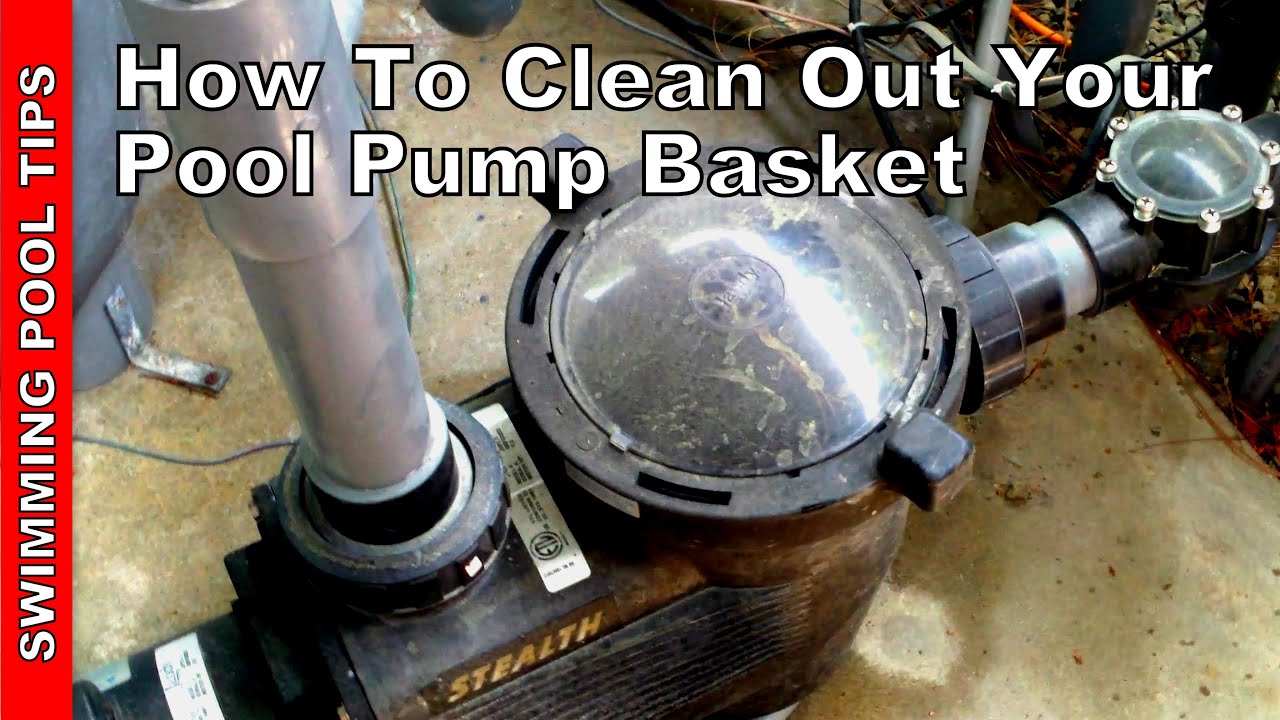
Cleaning the pump on a regular basis is also crucial for maintaining optimal performance. Removing debris, leaves, and other obstructions from the pump’s intake strainer and impeller helps prevent clogs and improves water flow.
Additionally, keeping the pump’s motor clean and free from dust or dirt buildup allows for better heat dissipation and extends the motor’s lifespan. Following the manufacturer’s instructions for cleaning and maintenance can help ensure that the pump operates smoothly and efficiently.
Monitoring Flow and Pressure
Monitoring the flow rate and pressure of your pool pump is another important aspect of pump maintenance. Both flow rate and pressure can indicate potential issues that need to be addressed.
Monitoring the flow rate allows you to ensure that the pump is circulating the water effectively. Using an appropriate flow meter or consulting with a pool professional can help you determine the optimal flow rate for your pool size and pump setup.
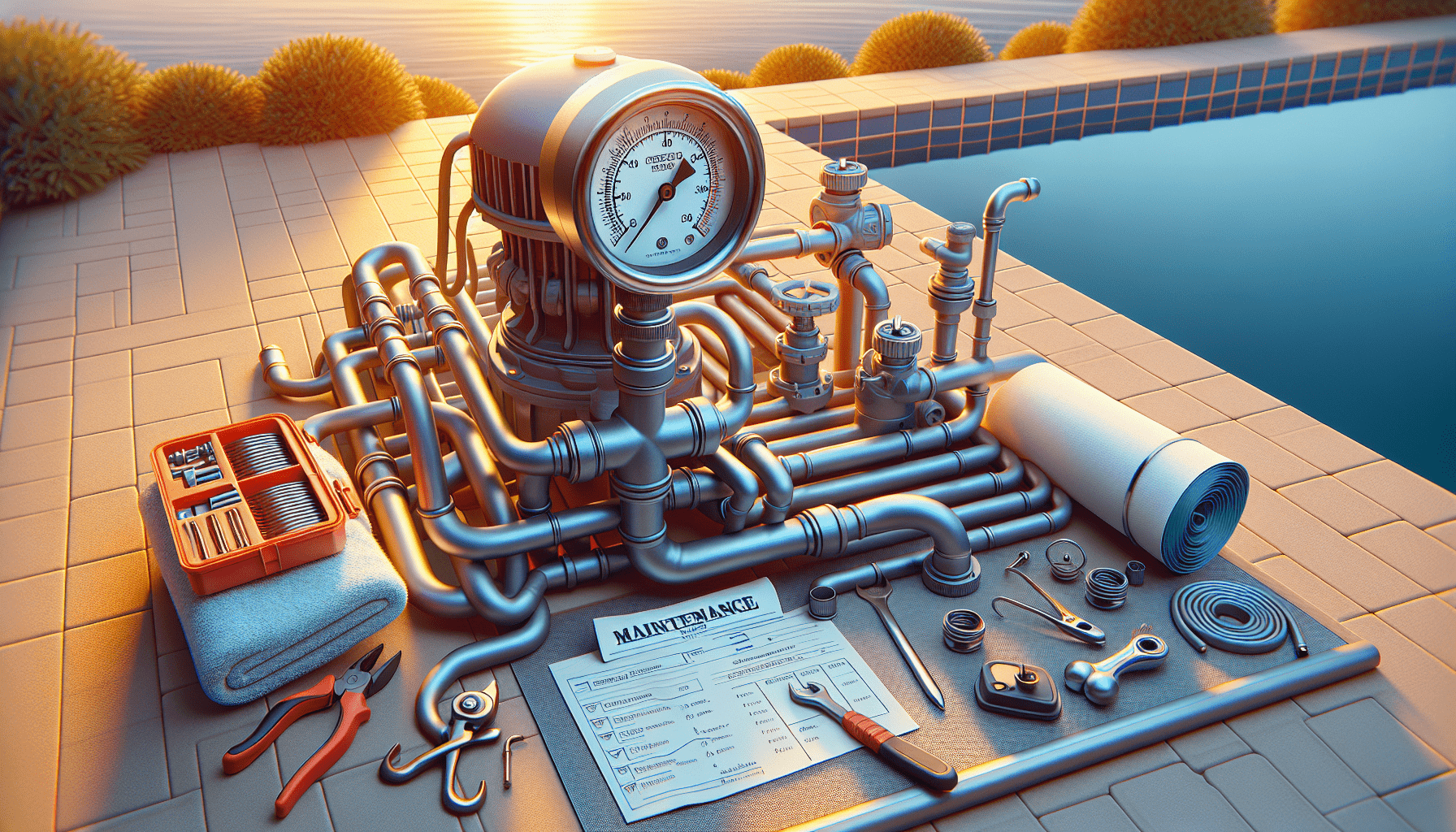
Pressure gauges are also useful tools for monitoring the pump’s performance. Abnormally high or low pressure readings can indicate clogs, air leaks, or other issues that require attention. Regularly checking the pressure gauges and comparing them to baseline readings can help identify any fluctuations or abnormalities.
Conclusion
Determining the best speed to run your pool pump is crucial for achieving optimal performance, energy efficiency, and overall pool maintenance. By considering factors such as pool size, plumbing layout, water features, and manufacturer recommendations, you can determine the optimal speed for your specific pool setup.
Running the pump at the right speed ensures adequate water circulation, proper filtration, and even chemical distribution. It also helps reduce wear and tear on the pump and other pool equipment, prolonging their lifespan and minimizing the need for costly repairs or replacements.
By optimizing energy usage through the use of variable speed pumps and considering factors such as noise levels and cost savings, you can create a more enjoyable and environmentally friendly pool environment.
Regular maintenance, inspection, and monitoring of the pump further contribute to its longevity and performance. By following these guidelines and considering all relevant factors, you can make an informed decision on the best speed to run your pool pump and enjoy a clean, clear, and efficient pool for years to come.