Imagine enjoying a refreshing dip in your pool on a scorching summer day, only to be interrupted by the loud and irritating hum of your pool pump motor. It’s a situation we’ve all experienced at least once, but do we really understand how this crucial component works? In this article, we’ll explore the inner workings of the motor in a pool pump, shedding light on its importance and providing valuable insights on how to maintain and troubleshoot this essential part of your pool system. So, grab your sunglasses and prepare to dive into the world of pool pump motors!
What is a Pool Pump Motor?
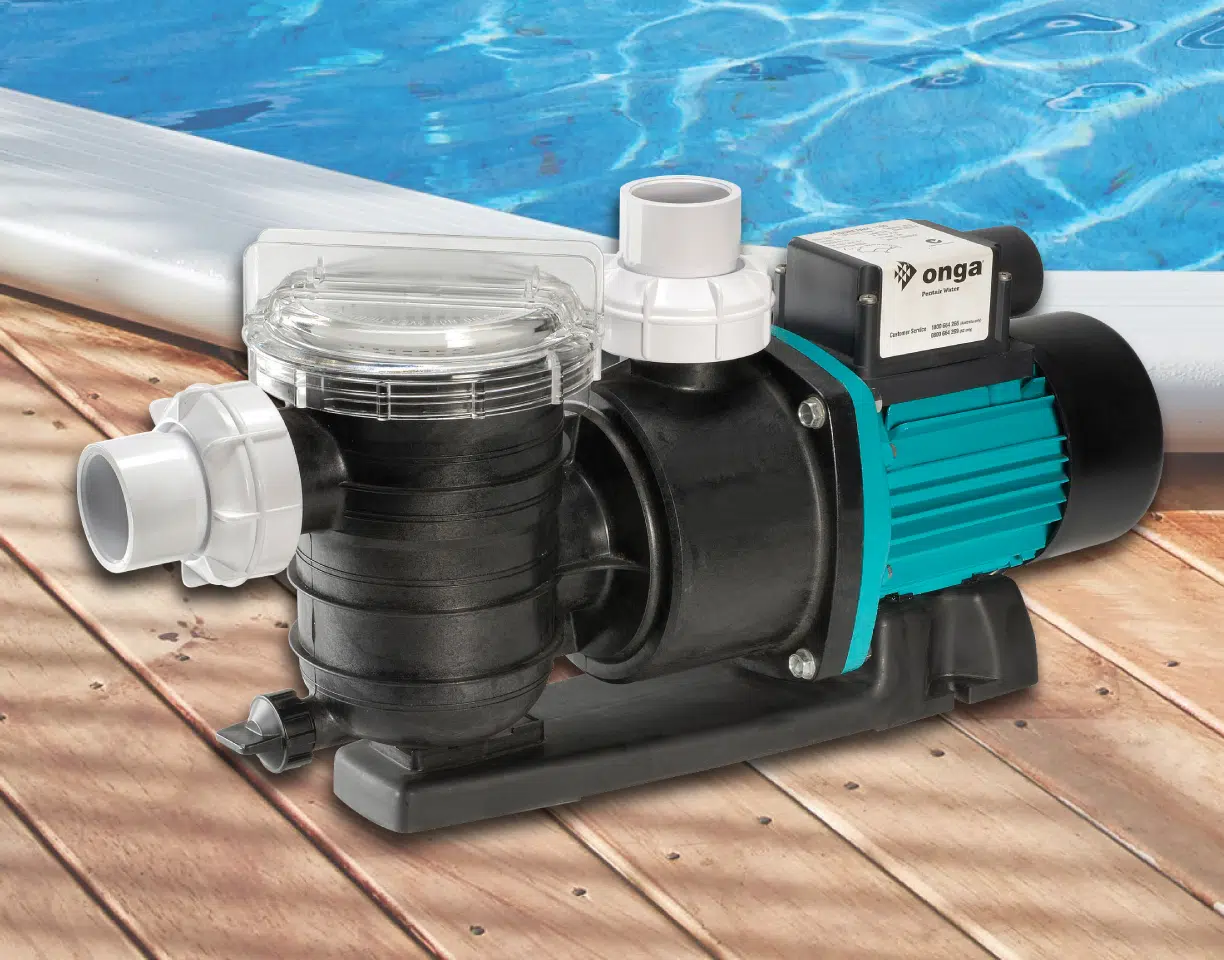
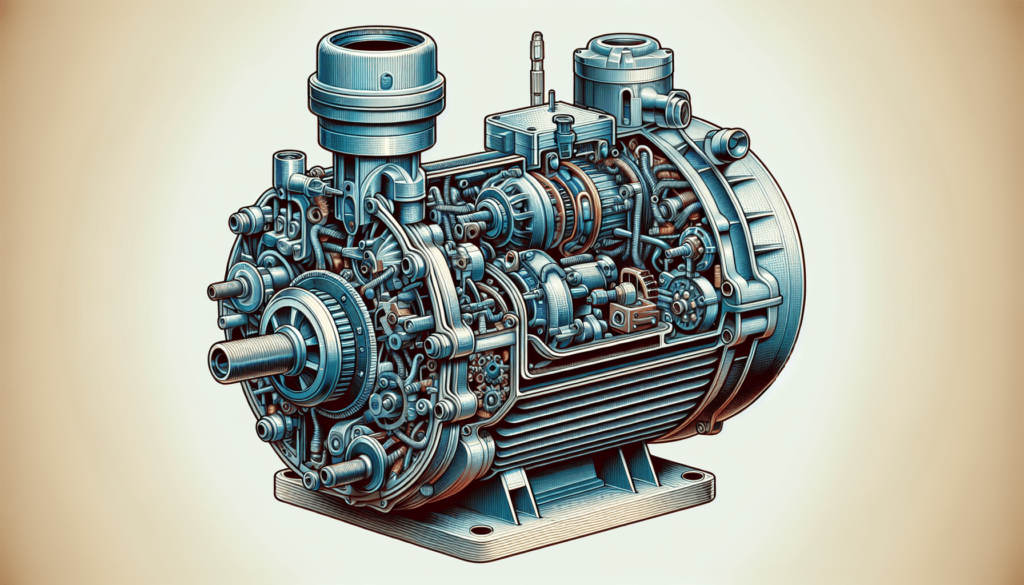
A pool pump motor is an essential component of a swimming pool’s filtration system. It is responsible for circulating water through the pool’s plumbing, ensuring proper filtration, sanitization, and maintenance of water circulation. The motor generates the power required to operate the pump, which in turn, moves water in and out of the pool.
Importance of a Pool Pump Motor
A pool pump motor plays a crucial role in maintaining the cleanliness and safety of a pool. It helps in the removal of debris, dirt, and other pollutants by forcing water through the pool filter. Without a functioning motor, the pool water would become stagnant, resulting in a breeding ground for bacteria, algae growth, and poor water quality.
Furthermore, the motor’s operation is vital for pool maintenance tasks such as chemical distribution, water heating, and circulation. It ensures that the pool’s chemical levels remain balanced, prevents the formation of algae, and helps in evenly distributing pool heat throughout.
Types of Pool Pump Motors
There are two common types of pool pump motors: single-speed and variable-speed motors.
-
Single-Speed Motors: As the name suggests, these motors operate at a fixed speed, providing a constant flow rate. They are the traditional, standard motors commonly used in pool pumps. While they are reliable and durable, they tend to consume more energy and offer limited control over water flow.
-
Variable-Speed Motors: These newer generation motors offer greater control and efficiency. They allow users to adjust the motor’s speed and flow rate according to their specific needs. Variable-speed motors can run at different speeds, which not only saves energy but also reduces operating costs in the long run. They are usually pricier than single-speed motors but prove to be more economical in terms of energy consumption.
Functioning of a Pool Pump Motor
To understand how a pool pump motor works, let’s delve into its working mechanism and explore its key components.
Working Mechanism
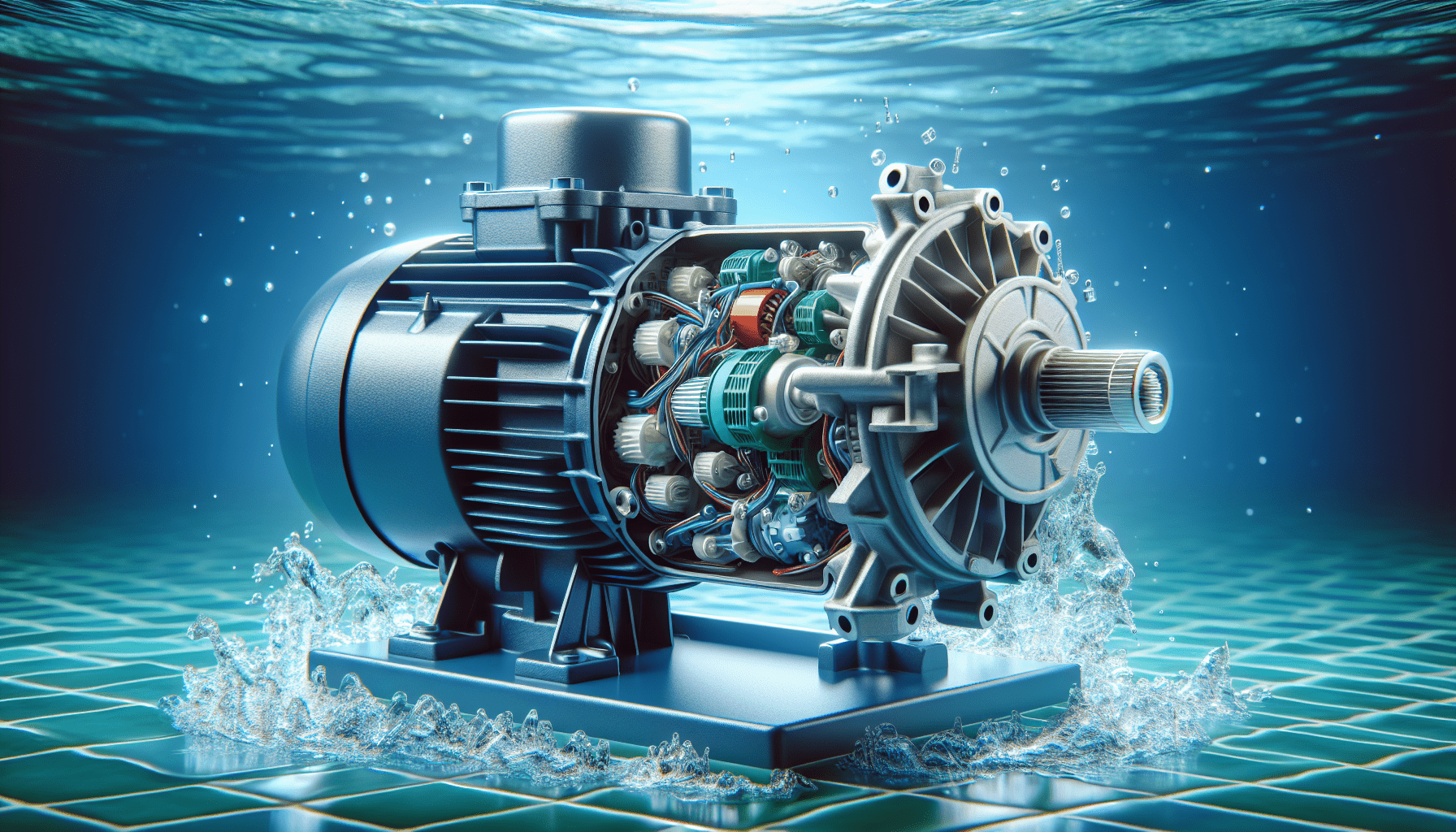
A pool pump motor operates on the principle of electromagnetism. It comprises an electric motor that converts electrical energy into mechanical energy, which powers the impeller, a part responsible for moving water.
When the motor is powered on, it generates an electric current that flows through a wire coil. This creates a magnetic field around the coil. The magnetic field interacts with the impeller, which is fixed on a rotating shaft. As the magnetic field and the impeller interact, it causes the impeller to spin rapidly, creating a centrifugal force that propels the water through the pump and into the pool’s plumbing system.
Components of a Pool Pump Motor
A pool pump motor is composed of several key components:
-
Stators: These are stationary parts that surround the rotor and house the wire coils. The stators are crucial for creating the magnetic fields necessary for the motor’s operation.
-
Rotors: These are rotating parts within the motor and are responsible for turning the impeller. They are typically made of copper or aluminum and contain conductive bars that help in the transfer of electrical energy.
-
Impellers: The impeller is a fan-like device that is directly connected to the rotor shaft. Its rapid rotation generates the centrifugal force required to move the water through the pump.
-
Housing: The housing is the protective casing of the motor and its components. It ensures the motor remains safe from external elements while also facilitating proper cooling and ventilation.
-
Capacitors: Capacitors are responsible for providing an initial boost of power to start the motor and overcome resistance. They store electrical energy and release it when required.
-
Bearings: Bearings help in reducing friction and enabling smooth rotation of the motor’s components. They are typically made of stainless steel or ceramic and require regular lubrication for optimal performance.

Choosing the Right Motor for Your Pool Pump
Selecting the appropriate motor for your pool pump is crucial for efficient operation, energy savings, and long-term performance. Consider the following factors when making your decision:
Considerations for Motor Selection
-
Energy Efficiency: Opting for an energy-efficient motor can help save on electricity costs. Variable-speed motors are known for their energy-saving capabilities, as they allow you to adjust the speed and flow rate according to your pool’s requirements.
-
Motor Size: Ensure that the motor you choose is compatible with your specific pool pump model. Consult the pump manufacturer’s guidelines or seek professional advice to determine the appropriate motor size.
-
Noise Level: If noise is a concern, look for motors that are engineered for quiet operation. Variable-speed motors, due to their ability to run at lower speeds, typically produce less noise compared to single-speed motors.
-
Durability and Warranty: Consider the longevity of the motor and the warranty offered by the manufacturer. Look for motors made from high-quality materials and ensure they come with a warranty that covers potential defects or malfunctions.
Matching Motor Power to Pool Size
The power or horsepower (HP) rating of the motor should be determined based on the size of your pool. Larger pools will require a higher HP motor to ensure sufficient water circulation and filtration. Consult with a pool professional or utilize online calculators to determine the recommended motor power based on your pool’s volume and specific requirements.
Maintenance and Care for Pool Pump Motors
Proper maintenance and care are essential to ensure the longevity and efficient performance of your pool pump motor. Follow these guidelines to keep your motor in top condition:
Regular Inspection
Periodically inspect the motor for any signs of wear, damage, or loose connections. Check for leaks, cracks, or corrosion on the motor housing. Examine the impeller for debris or clogs that may affect its performance. Regular inspection helps identify problems early on and prevents further damage.
Cleaning and Lubrication
Clean the motor housing regularly to remove any dirt or debris that may obstruct airflow. Ensure that cooling vents are free from obstruction and clean the impeller to prevent blockages. Additionally, lubricate the bearings as per the manufacturer’s recommendations to reduce friction and maintain smooth operation.
Replacing Motor Parts
If any components of the motor are damaged or worn out, it is important to replace them promptly. Faulty parts can compromise the motor’s efficiency and potentially lead to larger issues. Consult the manufacturer’s guidelines or seek professional assistance to ensure proper replacement of motor parts.

Signs of a Faulty Pool Pump Motor
Identifying signs of a faulty pool pump motor early on can prevent serious damage and costly repairs. Watch out for these indicators:
Unusual Noises
Excessive noise, grinding, or squealing sounds coming from the motor may indicate a mechanical issue. This could be caused by worn-out bearings, loose connections, or damage to motor components. Immediate attention is necessary to prevent further damage.
Decreased Water Flow
If you notice a significant decrease in water flow or weak water pressure in your pool, it may be due to a faulty motor. This can be caused by a clogged impeller, worn-out motor parts, or a decrease in motor performance. Inspect the motor and impeller for any blockages or damage.
Leaking or Overheating
Leaks in the motor housing, water dripping near the motor, or excessive heat emanating from the motor are signs of a problem. These issues could be caused by damaged seals, cracked housing, or overheating due to motor inefficiency. Prompt action is necessary to prevent further damage and potential hazards.
Installation of a Pool Pump Motor
Proper installation of a pool pump motor is crucial for its safe and efficient operation. Follow these steps to ensure a successful installation:
Pre-installation Preparation
Before installing the motor, ensure that you have the appropriate replacement motor based on your pool pump model. Read the manufacturer’s instructions thoroughly and gather all necessary tools. Turn off the power supply to the pool pump to prevent electrical accidents during installation. Drain and disconnect the old motor, and thoroughly clean the pump basket and impeller.
Installing the Motor
Carefully position the replacement motor in alignment with the pump housing. Attach the motor base to the pump using the provided screws or bolts. Ensure a secure fit and proper alignment. Connect the motor shaft to the impeller, ensuring it is tightly secured. Double-check all connections and ensure that no wires are pinched or damaged.
Electrical Connections
Consult a licensed electrician to handle the electrical connections of the pool pump motor. Ensure that the power supply is turned off before making any electrical connections. Always follow local electrical codes and regulations to ensure safe and compliant installation. If in doubt, seek professional assistance to avoid any risks or hazards.
Safety Measures while Working with Pool Pump Motors
Working with pool pump motors involves electrical components and potentially hazardous situations. Prioritize safety by following these precautions:
Disconnecting Power
Always turn off the power supply to the pool pump before performing any maintenance, repairs, or installations. This will prevent electrical shocks or accidents. If unsure about the power source, consult an electrician to ensure a safe working environment.
Protective Gear
When working with pool pump motors, wear appropriate protective gear, including safety goggles, gloves, and non-slip footwear. This will protect you from potential injury and provide an added layer of safety while handling tools or working in confined spaces.
Professional Assistance for Complex Repairs
For complex repairs or installations, it is recommended to seek the assistance of a qualified pool professional or technician. They have the expertise and knowledge to handle intricate motor repairs and ensure compliance with safety standards.
Troubleshooting Pool Pump Motor Issues
If you encounter any problems with your pool pump motor, troubleshooting can help identify and resolve the issue. Follow these steps to troubleshoot common pool pump motor problems:
Identifying Common Problems
Analyze the symptoms of the problem, such as unusual sounds, decreased water flow, or leaks. Consult the manufacturer’s manual or online resources to identify common issues associated with your specific motor model. This will help you narrow down the possible causes.
Steps to Troubleshoot
-
Check for Power Supply: Ensure that the motor is receiving power by checking the electrical connections and verifying that the circuit breaker is not tripped or the fuse is not blown.
-
Inspect Motor Connections: Examine all motor connections, including power supply wires, capacitor connections, and ground wires. Tighten any loose connections and ensure proper contact.
-
Clean and Inspect Impeller: Remove the pump basket and inspect the impeller for any debris, clogs, or damage. Clean the impeller thoroughly and ensure it rotates freely without any obstructions.
-
Test Capacitor: If the motor fails to start or struggles to maintain its speed, a faulty capacitor may be the culprit. Consult the manufacturer’s guidelines or seek professional assistance to test and replace the capacitor if necessary.
-
Seek Professional Assistance: If troubleshooting steps do not resolve the issue or if you are unsure about the problem, it is advisable to contact a pool professional or technician for further diagnosis and repair.
Upgrading Your Pool Pump Motor
Consider upgrading your pool pump motor to enjoy various benefits and enhance overall pool performance.
Benefits of Upgrading
-
Energy Efficiency: Upgrading to a variable-speed motor can significantly reduce energy consumption and lower electricity costs. Variable-speed motors allow for precise control over water flow and pump speed, optimizing efficiency.
-
Noise Reduction: Upgrading to a newer motor model can provide quieter operation. Variable-speed motors, in particular, operate at lower speeds, resulting in reduced noise levels compared to traditional single-speed motors.
-
Long-Term Savings: Although upgrading to a more energy-efficient motor may involve some upfront costs, the long-term savings in energy consumption make it a worthwhile investment. Reduced energy bills and potential rebates can offset the initial expenses.
Factors to Consider
When considering an upgrade, evaluate the current size, age, and efficiency of your pool pump motor. Research and compare different motor models, taking into account factors such as energy efficiency ratings, manufacturer warranties, and customer reviews.
Consult with a pool professional or technician for expert advice on motor selection and compatibility with your existing pool pump system. They can guide you through the upgrade process and ensure a seamless transition.
Conclusion
A pool pump motor is a vital component of any swimming pool’s filtration system. It ensures proper water circulation, filtration, and maintenance for optimal pool health and enjoyment. Selection of the right motor, regular maintenance, and prompt attention to signs of malfunction or damage are crucial for a fully functioning pool pump motor.
By understanding how a pool pump motor works, knowing the various types available, and following proper installation and safety measures, you can keep your pool pump motor running smoothly for years to come. Remember to consult professionals for complex repairs or upgrades and prioritize safety at all times. With proper care, your pool pump motor will continue to provide clean, sparkling water for a refreshing swimming experience.