If you own a pool, then you know that keeping it clean and well-maintained is crucial for an enjoyable swimming experience. However, it’s equally important to prioritize safety when it comes to your pool’s electrical system. In this article, you’ll discover some essential safety precautions to consider when operating your pool pump. By following these guidelines, you can ensure a safe and worry-free swimming season for both you and your loved ones. So, let’s dive right in and explore the world of pool pump electrical safety precautions!
Dangers Associated with Pool Pump Electrical Systems
When it comes to pool pump electrical systems, it is essential to be aware of the potential dangers that could arise. Electrical shock and the risk of fires and electrical hazards are just a few of the risks involved. By understanding these risks and taking necessary precautions, you can ensure a safe and enjoyable swimming pool experience.
Electric Shock
One of the primary dangers associated with pool pump electrical systems is the risk of electric shock. Electric shock can occur when you come into contact with faulty wiring or exposed electrical components. This can be extremely dangerous, potentially leading to serious injury or even death.
Fires and Electrical Hazards
Another danger to consider is the risk of fires and electrical hazards. If the electrical system of your pool pump is not installed or maintained properly, it can lead to overheating, short circuits, or electrical fires. These incidents can cause significant damage to your pool, property, and even pose a threat to your personal safety.
Understanding the Pool Pump Electrical System
To prevent accidents and ensure the safety of your pool pump electrical system, it’s crucial to understand its various components and how they work together. Familiarizing yourself with the system will enable you to recognize any potential issues and take appropriate action.
Components of a Pool Pump System
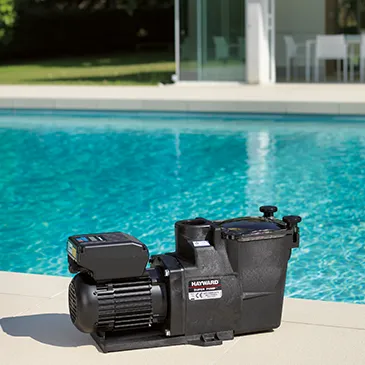
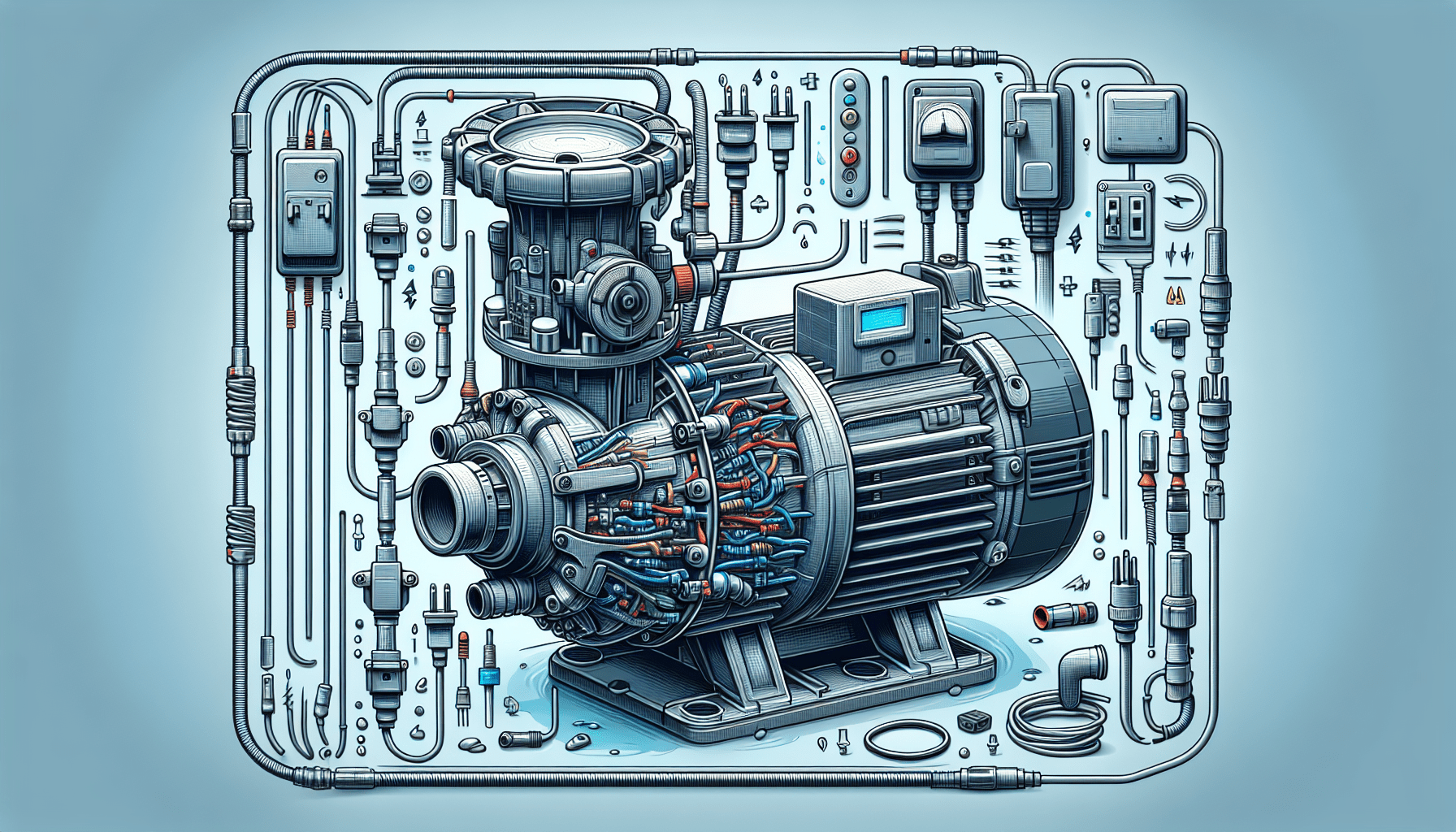
The pool pump electrical system consists of several key components. These include the pool pump itself, electrical wiring, circuit breakers or fuses, switches, timers, and other control devices. Understanding how each component functions and interacts with others can help you identify problems and ensure the system’s safe operation.
Electrical Wiring and Connections
Proper electrical wiring and connections are vital for the safe operation of your pool pump. It is important to ensure that the wiring is correctly installed, adequately insulated, and protected from moisture or physical damage. Faulty wiring or loose connections can increase the risk of electric shock or fires. Regular inspection and maintenance of the wiring are essential to detect any issues early on and address them promptly.
Preventing Electric Shock
To mitigate the risk of electric shock associated with pool pump electrical systems, there are several precautionary measures that you can take. By implementing these safety measures, you can ensure the safety of yourself, your family, and anyone using your pool.
Use GFCI Protection
One of the most effective ways to prevent electric shock is by installing ground fault circuit interrupters (GFCIs). GFCIs are designed to detect imbalances in electrical currents and shut off power to the circuit instantly if a fault is detected. It is essential to have GFCIs installed for all electrical outlets and devices in the vicinity of your pool pump.
Grounding and Bonding
Proper grounding and bonding of the pool pump electrical system is crucial for electrical safety. Grounding allows for the safe discharge of electrical currents, while bonding ensures that all metal components in and around the pool are at the same electrical potential. This helps prevent electric shock in the event of a fault and reduces the risk of electrical hazards.
Avoid Touching Electrical Parts
A simple but essential safety precaution is to avoid touching any electrical parts of the pool pump or its associated systems. Even if you are confident that the power is off, it is always best to err on the side of caution. Treat all electrical components as if they are live to minimize the risk of electric shock.
Ensuring Proper Installation and Maintenance
Proper installation and regular maintenance of your pool pump electrical system are crucial for its safe and reliable operation. By following these guidelines, you can minimize the risk of accidents and ensure that your pool pump operates optimally.
Hire a Qualified Electrician
To ensure the proper installation of your pool pump electrical system, it is advisable to hire a qualified electrician with experience in working with swimming pool electrical systems. A trained professional will have the knowledge and expertise necessary to install the system correctly, following all safety guidelines and local codes.
Regular Inspection and Maintenance
Regular inspection and maintenance of your pool pump electrical system are key to its safe operation. Schedule periodic inspections by a licensed electrician to check for any signs of wear, damage, or loose connections. It is also crucial to adhere to the manufacturer’s recommended maintenance schedule and conduct routine checks on the system’s components.
Keep the Area around the Pool Pump Clear
Maintaining a clear and unobstructed area around your pool pump is essential for safety reasons. Clear away any debris, vegetation, or other objects that could potentially come into contact with the electrical system. This will help prevent damage to the system and reduce the risk of accidental contact with electrical components.
Electrical Safety Tips for Pool Pump Operation
When operating your pool pump, there are certain electrical safety tips that you should keep in mind. By following these guidelines, you can minimize the risk of accidents and maintain a safe and enjoyable swimming pool environment.
Avoid Overloading Circuits
Ensure that your pool pump is on a dedicated circuit and avoid overloading it with other electrical devices. Overloading circuits can lead to overheating, tripped breakers, or blown fuses, posing a risk of electrical hazards or fires. Be mindful of the electrical load and distribute it appropriately to prevent circuit overload.
Never Operate the Pool Pump in Standing Water
Operating the pool pump in standing water or when the ground is wet increases the risk of electric shock. Ensure that the area around the pool pump is dry before turning it on or performing any maintenance tasks. Water and electricity do not mix, so exercise caution and prioritize safety at all times.
Keep Power Cords Away from the Pool
To prevent accidents, ensure that the power cords of your pool pump and any other electrical devices are kept away from the pool water. Avoid running cords across walkways or areas where they might be tripped over. Secure the cords safely out of reach to minimize the risk of electric shock or potential damage to the cords.
Avoid Pool Pump Operation during Storms
During thunderstorms or inclement weather, it is best to avoid operating your pool pump. Lightning strikes and power surges can cause significant damage to electrical systems and pose an increased risk of electric shock. Wait until the weather has cleared before operating or conducting any maintenance on your pool pump.
Signs of Pool Pump Electrical Malfunction
Knowing the signs of a potential electrical malfunction in your pool pump system can help you address issues promptly and prevent further damage. If you notice any of the following signs, it is essential to take action to ensure your own safety and prevent electrical hazards.
Tripped Breakers or Blown Fuses
Frequent tripping of the circuit breakers or blown fuses can indicate an electrical issue with your pool pump system. Do not ignore these signs and avoid repeatedly resetting the breaker or replacing the fuse without identifying and addressing the underlying cause. Consult with a licensed electrician to determine the cause of the problem and resolve it safely.
Strange Noises or Odors
Unusual noises or odors emanating from your pool pump could be indicative of an electrical malfunction. Pay attention to any buzzing, humming, or burning smells, as they could signal problems such as loose connections, faulty wiring, or overheating components. If you notice any of these signs, turn off the power to the pool pump and seek professional assistance.
Vibrations and Heating
Excessive vibrations or overheating of your pool pump can indicate an electrical issue. Vibrations may suggest loose connections or imbalances, while overheating could be a sign of electrical overload or a faulty motor. If your pump feels excessively hot or produces abnormal vibrations during operation, it is crucial to investigate and address the issue promptly.
What to Do in Case of Pool Pump Electrical Issue
In the event of a pool pump electrical issue, it is crucial to follow specific steps to ensure the safety of yourself and others. Taking immediate action and seeking professional assistance is vital to address the problem effectively.
Turn Off Power
If you encounter any signs of an electrical issue with your pool pump, the first step is to turn off its power. Locate the circuit breaker or switch that controls the pool pump and switch it off. This will eliminate the risk of electric shock and prevent further damage to the system.
Contact a Licensed Electrician
Once you have turned off the power, it is important to contact a licensed electrician for assistance. A professional electrician will have the expertise and equipment to diagnose and resolve the issue safely. Avoid attempting any repairs yourself, as this can further exacerbate the problem and potentially put you at risk.
Do Not Attempt Repairs on Your Own
Attempting to fix pool pump electrical issues without the necessary knowledge and experience can be dangerous. It is always best to leave electrical repairs to a qualified professional who understands the intricacies of the system. DIY repairs can not only lead to further damage but also pose a significant risk of electric shock or fires.
Educational Resources and Training
To ensure that you have a comprehensive understanding of pool pump electrical safety, there are various educational resources and training options available. By familiarizing yourself with these resources, you can further enhance your knowledge and promote a safer swimming pool environment.
Pool Pump Electrical Safety Courses
Many organizations offer specialized courses and training programs focused on pool pump electrical safety. These courses cover topics such as electrical systems, installation requirements, maintenance procedures, and troubleshooting techniques. Enrolling in these courses can provide you with valuable insights and skills to ensure the safe operation of your pool pump.
Online Tutorials and Guides
In addition to formal courses, there are numerous online tutorials and guides available that provide valuable information on pool pump electrical safety. These resources often cover topics such as proper installation techniques, maintenance tips, and safety precautions. Take advantage of these materials to educate yourself and stay up to date with the best practices in pool pump electrical safety.
Pool Pump Electrical Safety Standards and Codes
To ensure the adherence to safety guidelines and regulations, pool pump electrical systems are subject to specific standards and codes. Understanding these standards and codes is essential for maintaining a safe and compliant pool pump system.
National Electrical Code (NEC)
The National Electrical Code (NEC) provides a set of safety standards and guidelines for electrical installations, including those related to pool pump systems. The NEC covers various aspects, such as minimum wire sizes, grounding requirements, and equipment installation specifications. Familiarize yourself with these standards to ensure your pool pump system meets the necessary safety requirements.
Local Regulations and Permits
In addition to the NEC, it is important to be aware of and comply with any local regulations and permits governing pool pump electrical systems. Local authorities may have specific requirements regarding circuit protection, wiring methods, or installation procedures. Research and understand these regulations to ensure that your pool pump system is in full compliance with local safety standards.
Conclusion
Safety should always be a top priority when it comes to pool pump electrical systems. By understanding the potential dangers associated with these systems and implementing the necessary precautions, you can ensure a safe and enjoyable swimming pool experience for yourself, your family, and anyone using your pool. Remember to follow proper installation procedures, conduct regular maintenance, and seek professional assistance whenever needed. By prioritizing pool pump electrical safety, you can create a secure environment and peace of mind while enjoying your pool.