You’re ready to make a splash this summer with a sparkling clean pool, but first, you need to tackle the task of pool pump installation. Whether you’re a seasoned DIY enthusiast or a novice looking to take on a new challenge, this article will guide you through the process step by step. From choosing the right pump for your pool size to ensuring proper wiring and maintenance, we’ve got you covered every stroke of the way. So grab your tools and get ready to dive into the world of pool pump installation, where crystal clear waters await your arrival.
Choosing the Right Pool Pump
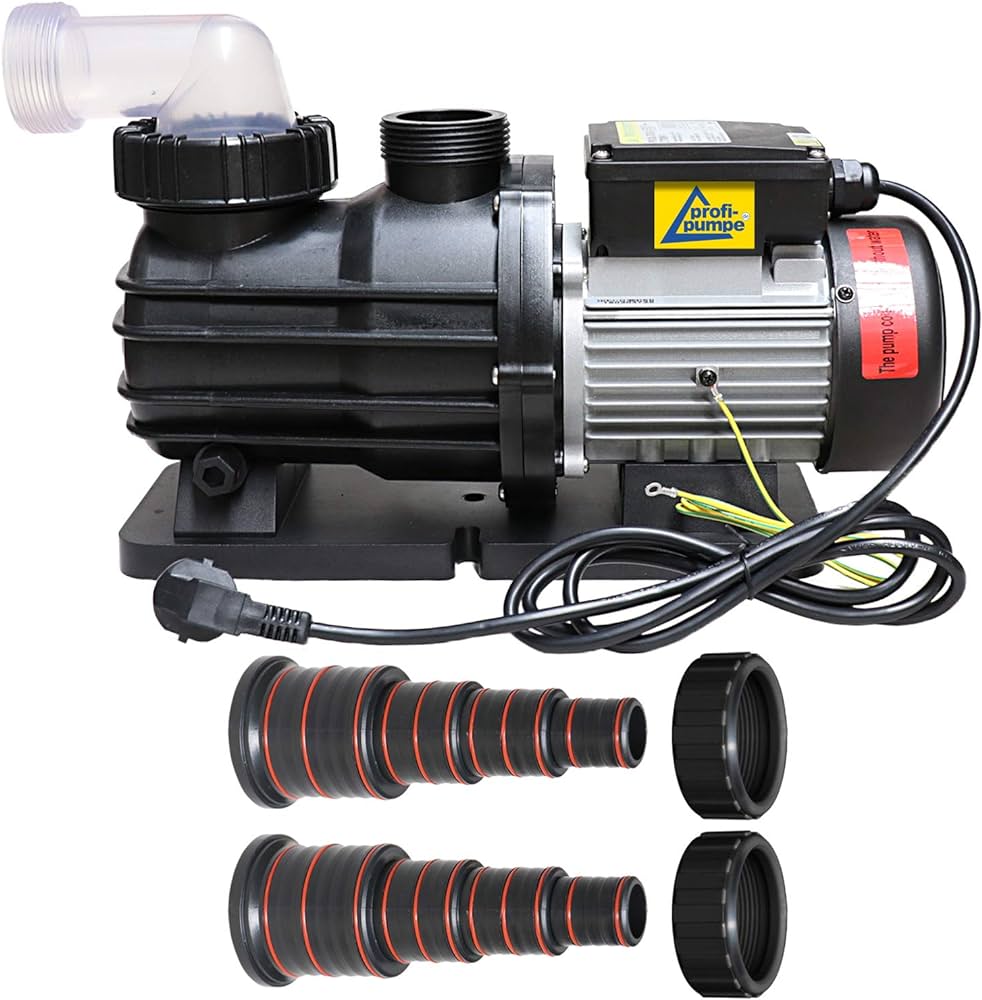
When it comes to choosing the right pool pump, there are several factors to consider. One of the first things you will need to understand is the different types of pool pumps available. The three most common types are single-speed, dual-speed, and variable-speed pumps.
A single-speed pump operates at a fixed speed and is the least expensive option. However, it can be less energy-efficient and may not be suitable for all pool sizes and types.
Dual-speed pumps have two preset speeds, allowing for more flexibility and energy efficiency. They can run at a lower speed for regular filtration and a higher speed for tasks such as cleaning or running water features.
Variable-speed pumps are the most energy-efficient option, as they can be programmed to operate at different speeds depending on the pool’s needs. While they may be a bit more expensive upfront, they can save you money in the long run.
Consider the size of your pool when calculating the required pump size. The pump needs to have enough power to circulate all the water in the pool within a reasonable amount of time. A good rule of thumb is to choose a pump with a flow rate that can circulate the pool’s volume in 8 hours or less.
Energy efficiency is another crucial factor to consider when selecting a pool pump. Look for pumps that are ENERGY STAR certified, as they meet strict efficiency standards. Energy-efficient pumps can save you money on your electricity bills and reduce your carbon footprint.
Lastly, evaluate the noise levels of different pool pump models. Some pumps can be quite noisy, which can be disruptive if your pool is located close to living spaces. Look for pumps with noise-reducing features or consider installing them in a pump house or enclosure to minimize noise.
Preparing for Installation
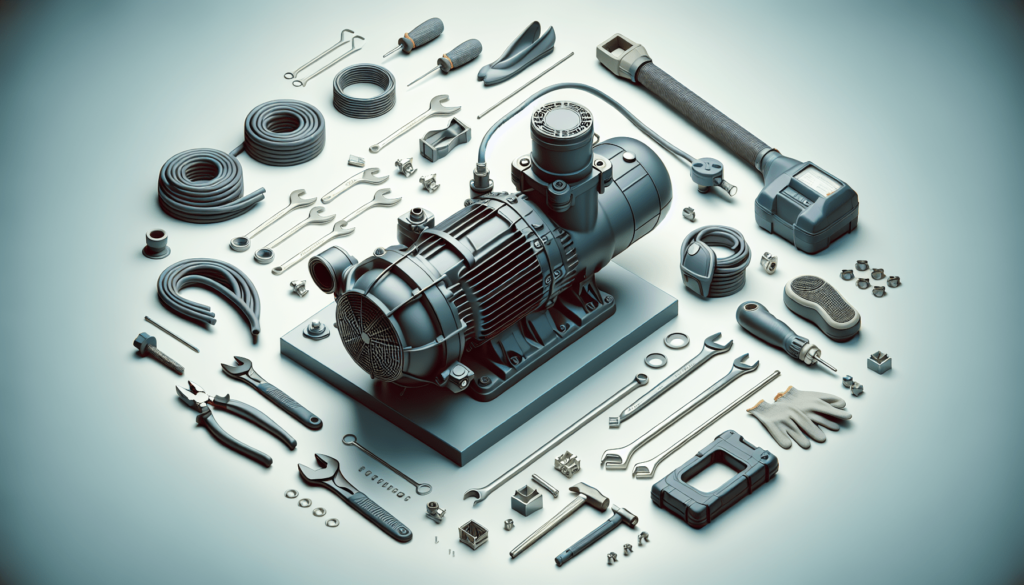
Before you begin the installation process, it is essential to gather all the necessary tools and equipment. This may include a screwdriver, wrenches, PVC cutter, pipe cement, Teflon tape, and a level. It’s always better to have everything on hand before you start to avoid delays or trips to the hardware store.
Ensuring proper safety measures is crucial when working with pool pumps. Make sure you have safety goggles, gloves, and a face mask to protect yourself from any potential hazards. Additionally, always follow the manufacturer’s instructions and consult with a professional if you are unsure about any aspect of the installation.
Before installing the pool pump, it is crucial to shut off the power to the pool pump system. This will prevent any potential electrical accidents or damage during the installation process. Locate the circuit breaker or switch that controls the pool pump and turn it off.
Draining and cleaning the pool is another necessary step before installing the pump. Remove any debris from the pool and vacuum the bottom to ensure a clean working environment. Additionally, lower the water level to below the skimmer to make it easier to connect the plumbing system.

Installing the Pool Pump
Determining the ideal location for the pump is essential for efficient operation. The pump should be installed somewhere easily accessible for maintenance and repair but also located away from living spaces to minimize noise. It should be positioned level and on a stable surface, preferably a pump base or platform.
Preparing the pump base involves making sure it is level and stable. Use a level to ensure that the pump will operate efficiently. If necessary, adjust the base or platform to achieve a level surface.
Connecting the pump to the plumbing system is a crucial step in the installation process. Use the appropriate pipe size and fittings to ensure a secure and leak-proof connection. Apply PVC primer and cement to the pipe ends before connecting them to ensure a tight fit.
Wiring the pump to the electrical supply should only be done by a qualified electrician. Electrical requirements may vary depending on the pump model and the local electrical codes. Improper wiring can be dangerous and may void any warranties on the pump.
Proper Plumbing for the Pool Pump
Choosing the correct pipe size is crucial for optimal pump performance. The pipe size should match the pump’s inlet and outlet sizes. Using pipes that are too small can restrict water flow, leading to reduced pump efficiency. Consult with a professional if you are unsure about the correct pipe size for your pool pump.
Installing valves and unions in the plumbing system allows for easy maintenance and repair. Valves can be used to control water flow and isolate the pump when necessary. Unions make it easier to remove the pump for repairs or replacement without having to cut and glue the pipes.
Connecting the pump to the filter is an important step in the plumbing process. This ensures that the water is properly filtered before it is returned to the pool. Follow the manufacturer’s instructions to ensure a secure and leak-free connection.
Testing for leaks is essential after completing the plumbing connections. Fill the system with water and run the pump to check for any signs of leakage. Fix any leaks immediately to prevent water damage or inefficiency in the system.

Electrical Wiring and Connections
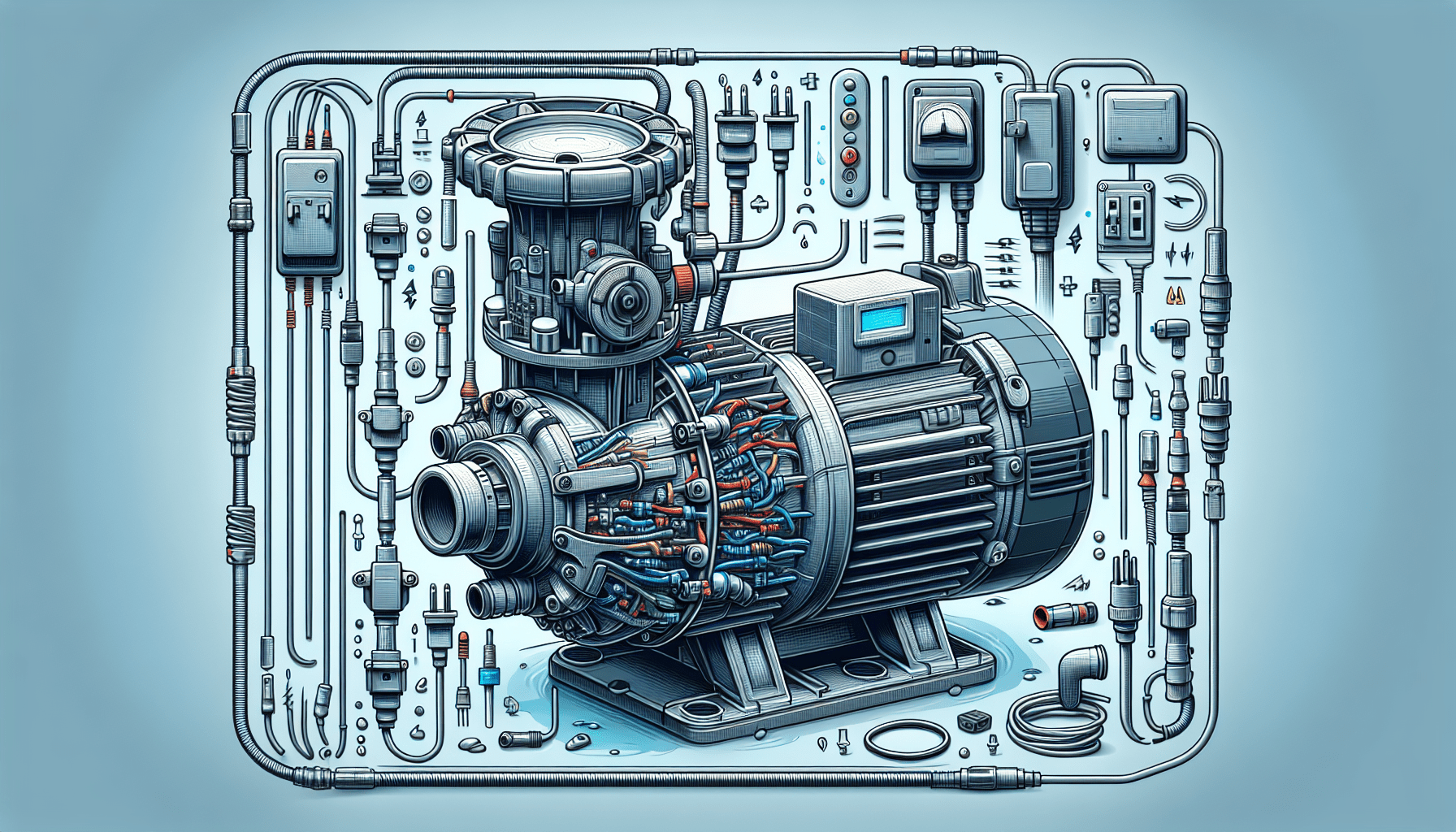
Understanding the electrical requirements of the pool pump is crucial to ensure safe and proper operation. Different pumps may have different voltage and amperage requirements. Make sure you have the correct electrical supply and consult with a qualified electrician if needed.
Selecting the correct wire size is important to prevent electrical issues and ensure efficient power delivery to the pump. Consult the manufacturer’s specifications to determine the appropriate wire size for your specific pump model. Undersized wires can lead to voltage drops and overheating.
Properly grounding the pool pump is necessary for safety reasons. It helps protect against electrical shock and ensures that any fault currents are directed to the ground. Follow local electrical codes and consult with a professional electrician to ensure proper grounding.
Connecting the pump to the control panel should only be done by a qualified electrician. The control panel allows you to operate and control the pump’s functions safely and conveniently. Make sure all connections are secure and follow the manufacturer’s instructions for proper wiring.
Priming the Pool Pump
Priming the pool pump is a necessary step before turning it on for the first time. This involves filling the pump with water to create a vacuum and prime the system. Proper priming ensures an efficient and effective operation.
Adding water to the pump can be done through the pump’s priming port or by using a garden hose. Slowly pour water into the pump until it is full. This will help prevent any damage to the pump caused by running it dry.
Bleeding air from the system is another crucial step in the priming process. Air bubbles can disrupt the pump’s operation and reduce its efficiency. Open the air relief valve on top of the filter to release any trapped air until only water comes out.
Ensuring proper priming is essential for efficient pump operation. After adding water and bleeding air, replace any plugs or covers on the pump and turn it on. The pump should start working smoothly, and you should see water circulating properly in the pool.
Testing and Troubleshooting
Conducting system tests is important to ensure that the pool pump is operating correctly. Check for proper flow and pressure by observing the water circulation and monitoring the system’s pressure gauge. If the flow or pressure is below the recommended levels, there may be an issue that needs troubleshooting.
Checking for proper flow and pressure can help identify any potential issues. Low flow or pressure could indicate clogged filters, leaks, or pump problems. High flow or pressure could suggest a blockage in the plumbing system. Take note of any irregularities for troubleshooting purposes.
Troubleshooting common issues is an essential skill for pool pump owners. Some common problems include motor failure, clogged impellers or filters, leaks, or electrical issues. Consult the manufacturer’s instructions and consider contacting a professional if you are unable to resolve any problems on your own.
If needed, do not hesitate to seek professional help. Pool pump systems can be complex, and professional assistance may be necessary for certain repairs or maintenance tasks. A professional can provide expert advice and ensure that any issues are addressed correctly and efficiently.
Maintenance and Care
Regular cleaning and inspection are vital for maintaining a well-functioning pool pump. Clean the pump and its components regularly to remove any debris or buildup that can affect performance. Inspect for any signs of wear or damage and replace any worn-out parts or seals.
Replacing filters and seals should be done as needed to maintain optimal pump performance. Clogged or dirty filters can reduce flow and pressure, while worn-out seals can cause leaks. Follow the manufacturer’s instructions for proper replacement and ensure that you use the correct parts for your specific pump model.
Checking and adjusting pump speed can help optimize performance and energy efficiency. Dual-speed and variable-speed pumps allow you to adjust the speed based on your pool’s needs. Lower speeds are suitable for regular filtration, while higher speeds can be used for cleaning or running water features.
Proper winterization procedures are necessary if you live in an area with freezing temperatures. Before winterizing the pool, make sure to drain the pump and plumbing lines to prevent any damage caused by freezing water. Follow the manufacturer’s instructions or consult with a professional for proper winterization procedures.
Optimizing Performance and Efficiency
Using a pool pump timer is a great way to optimize performance and save energy. Timers allow you to schedule the pump to run during off-peak hours or when the pool is not in use. This can help reduce energy consumption and lower your electricity bills.
Implementing variable-speed technology can significantly improve energy efficiency. Variable-speed pumps allow you to adjust the speed based on your pool’s specific needs, saving energy in the process. These pumps are quieter and provide more precise control over water circulation.
Utilizing energy-saving features, such as programmable controls or flow sensors, can further enhance efficiency. These features help regulate the pump’s speed and optimize energy usage based on real-time conditions. Consult with a professional to determine which features are suitable for your pool pump system.
Regularly monitoring and adjusting pump usage can help maintain optimal energy efficiency. Keep track of your energy bills and usage patterns to identify any anomalies or potential issues. Adjust the pump’s speed or run time as needed to maximize efficiency without sacrificing water quality.
Conclusion
Proper pool pump installation is crucial for enjoying a clean and well-maintained pool. By understanding the different types of pool pumps and selecting the right one for your needs, you can ensure efficient operation and energy savings. Following the correct installation procedures and conducting regular maintenance will help prolong the life of your pool pump and optimize its performance. By taking these steps, you can enjoy a sparkling pool while saving energy and costs in the long run.