Having a clean and well-maintained pool filter is crucial to ensure a sparkling and enjoyable swimming experience. From removing debris and particles to maintaining optimal water circulation, a properly maintained pool filter is essential for pristine water quality. In this article, you will discover some simple yet effective tips on how to keep your pool filter in top-notch condition. So, let’s dive right in and explore the world of pool filter maintenance together!
1. Types of Pool Filters
Sand Filters
Sand filters are one of the most common types of pool filters. They use a bed of fine sand as the filtration media. As water flows through the filter, the sand traps and removes dirt, debris, and other particles. Sand filters are easy to maintain and can effectively filter large amounts of water. However, they require regular backwashing to remove the trapped debris and maintain optimal filtration performance.
Cartridge Filters
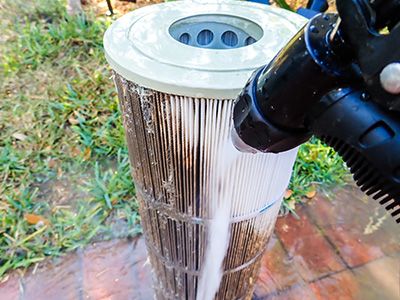
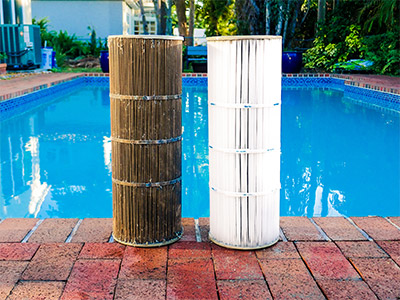
Cartridge filters consist of a pleated cartridge made of polyester fabric. As water passes through the cartridge, it captures debris and particles of various sizes. Cartridge filters provide excellent filtration and are easy to clean, as the cartridge can be removed and hosed off. They also offer better energy efficiency compared to sand filters.
Diatomaceous Earth (DE) Filters
DE filters use a filter grid coated with a fine powder called diatomaceous earth. This powder contains microscopic fossils that can trap even the smallest particles. The DE filter offers superior filtration and is ideal for pools with high levels of debris. However, cleaning DE filters can be more labor-intensive as they require disassembling the filter grids and cleaning them with a DE filter cleaner.
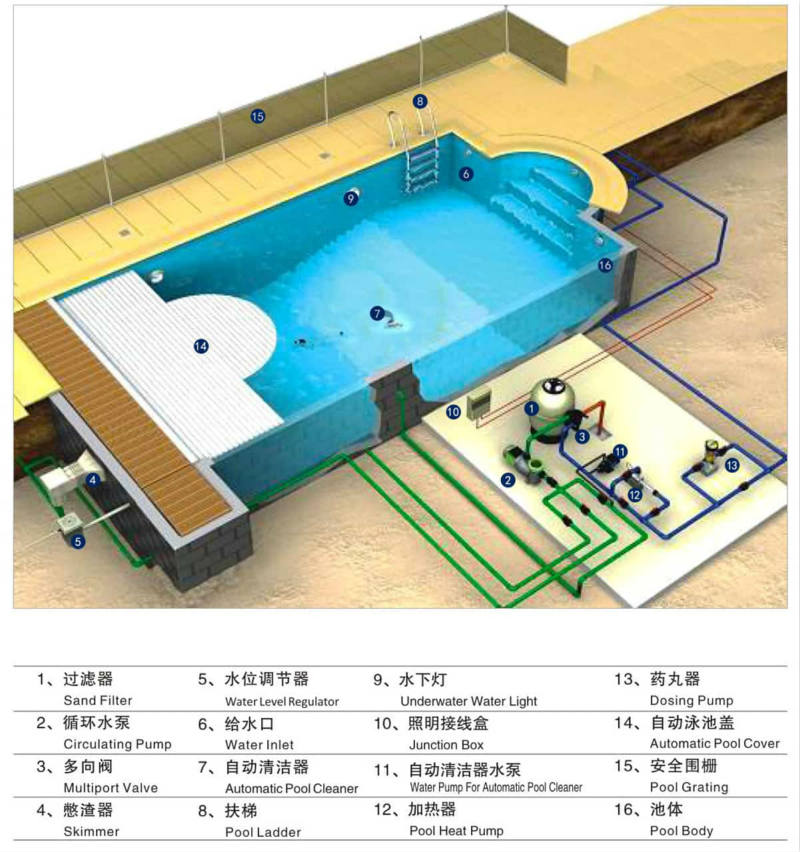
2. Understanding Pool Filtration System
Pump and Motor
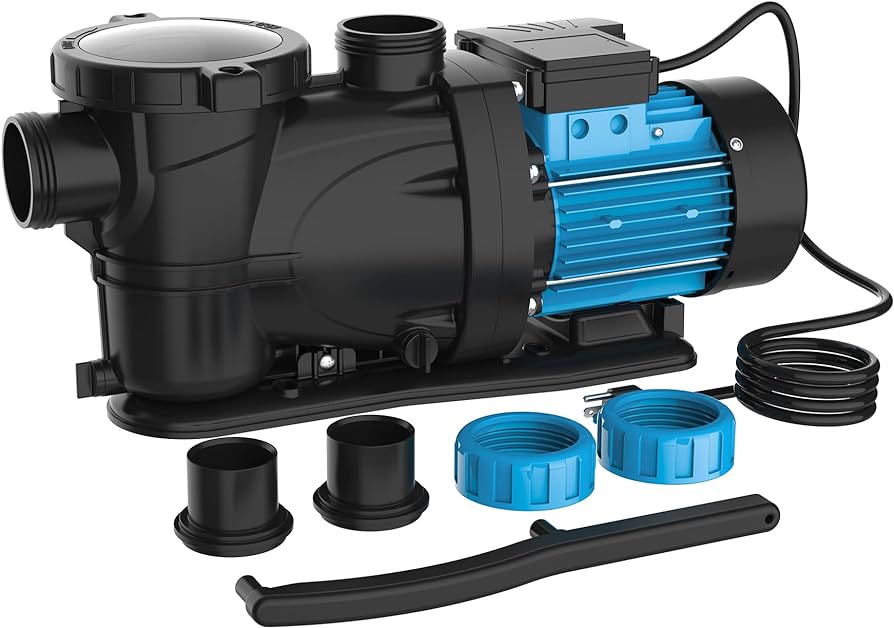
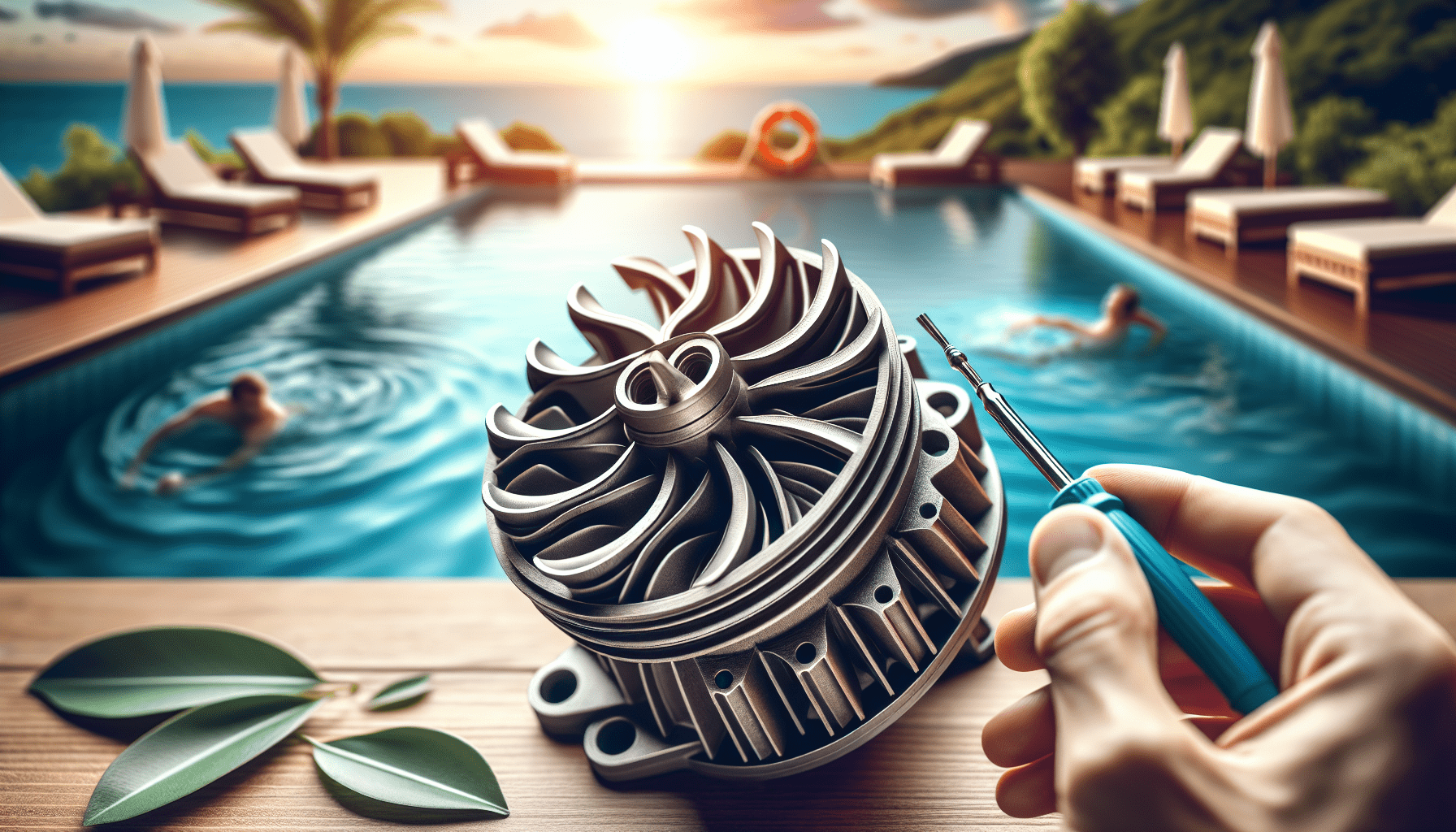
The pump and motor are essential components of the pool filtration system. The pump circulates water from the pool, through the filter, and back into the pool. The motor provides the power to drive the pump, ensuring a continuous flow of water. It is important to regularly check the pump and motor for any signs of damage or malfunction to maintain optimal filtration performance.
Filter Tank
The filter tank holds the filtration media and provides the space for water to flow through. It is crucial to choose the right size and type of filter tank for your pool to ensure efficient filtration. Regular inspection of the filter tank is necessary to identify any cracks or leaks that may occur over time.
Filter Media
The filter media is the material used to trap and remove impurities from the water. It varies depending on the type of filter. Sand filters use fine sand as the filter media, cartridge filters use a pleated fabric cartridge, and DE filters utilize a filter grid coated with diatomaceous earth. Regular cleaning and replacement of the filter media are essential to maintain optimal filtration efficiency.
Valves and Manifolds
Valves and manifolds control the flow of water between the pump, filter, and pool. They allow for easy maintenance and repair of the filtration system. Regular inspection and lubrication of valves and manifolds can help prevent leaks and ensure smooth operation.
3. Regular Maintenance Tasks
Cleaning the Skimmer Basket
The skimmer basket collects leaves, debris, and other floating objects before they reach the filter system. Regularly removing and cleaning the skimmer basket helps prevent blockages and ensures the efficient flow of water to the filter.
Backwashing the Filter System
Backwashing is the process of reversing the flow of water through the filter to flush out trapped debris. Regular backwashing is necessary to maintain the effectiveness of sand and DE filters. It is important to follow the manufacturer’s instructions for the recommended frequency and duration of backwashing.
Inspecting and Cleaning the Pump Strainer Basket
The pump strainer basket collects larger debris and protects the pump from damage. Inspecting and cleaning the pump strainer basket regularly prevents clogs and prolongs the life of the pump. Simply remove the basket, clean it of any debris, and reinstall it.
Checking and Adjusting Water Chemistry
Maintaining proper water chemistry is crucial for optimal filtration and healthy pool conditions. Regularly test the pool water using a test kit and adjust the pH, chlorine levels, and other chemical levels as needed. Balanced water chemistry not only improves filtration efficiency but also ensures safe swimming conditions.
4. Cleaning Sand Filters
Backwashing the Filter
To clean a sand filter, start by turning off the pump and changing the valve position to “Backwash.” Turn the pump back on and let it run for several minutes, allowing the water to flow backward through the filter and flush out the trapped debris. Monitor the water in the sight glass or waste pipe until it runs clear, indicating that the backwashing is complete.
Rinsing the Filter Tank
After backwashing, switch the valve to the “Rinse” position and run the pump for a few minutes. This step helps to settle the sand bed and remove any remaining debris or loose particles from the filter tank. Monitor the sight glass or waste pipe during the rinsing process.
Replacing or Cleaning Sand
Over time, the sand in a sand filter can become worn or clogged with debris. If the sand shows signs of deterioration or clogging, it may need to be replaced. To replace the sand, first, turn off the pump and close the main drain valve. Next, remove the top valve of the filter tank and carefully scoop out the old sand, being mindful not to damage the lateral assembly. Once the old sand is removed, thoroughly clean the tank and laterals before adding new sand following the manufacturer’s instructions.
5. Cleaning Cartridge Filters
Removing the Filter Element
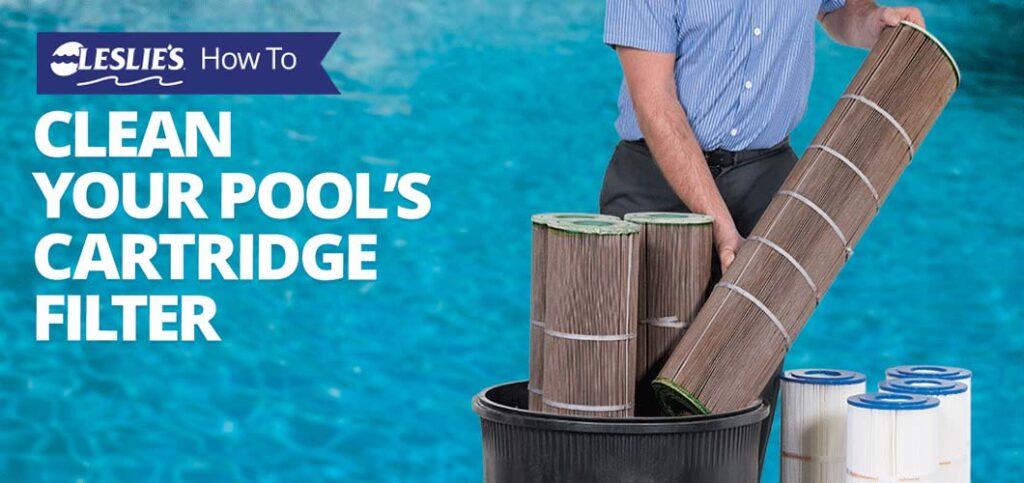
To clean a cartridge filter, first, turn off the pump and close the main drain valve. Then, loosen the clamp holding the filter tank together and remove the top section of the tank. Carefully remove the cartridge element from the tank, taking care not to damage the pleated fabric.
Hosing Off Loose Debris
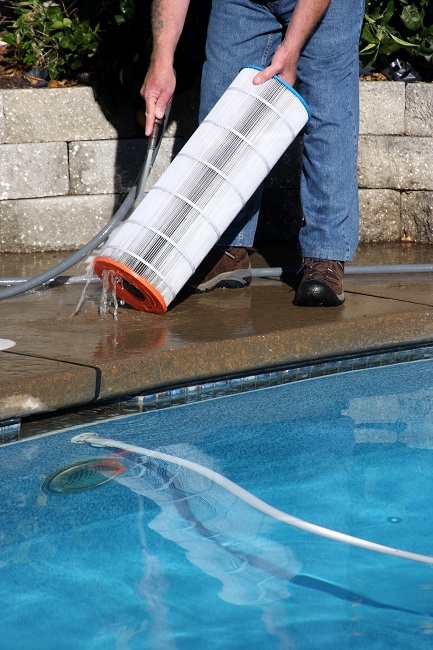
Using a garden hose, carefully spray water onto the cartridge element to remove any loose debris and dirt. Start from the top and work your way down, ensuring that all areas of the cartridge are thoroughly rinsed. Avoid using high-pressure sprays, as they can damage the fabric.
Soaking the Cartridge in Filter Cleaner
To deeply clean the cartridge, prepare a solution of filter cleaner and water in a bucket according to the manufacturer’s instructions. Place the cartridge in the solution and allow it to soak for the recommended time. After soaking, rinse the cartridge again with water to remove any remaining cleaner. Once the cartridge is clean and dry, reinstall it in the filter tank.
6. Cleaning DE Filters
Backwashing the Filter
First, turn off the pump and set the valve to “Backwash.” Turn the pump back on and let it run for a few minutes to flush out the excess DE powder and trapped debris. Monitor the sight glass or waste pipe until the water runs clear.
Disassembling the Filter Grids
After backwashing, turn off the pump and release the pressure from the filter tank by opening the air relief valve. Remove the filter tank cover and carefully lift out the filter grids. Inspect the grids for any damages or signs of wear.
Cleaning the Grids with DE Filter Cleaner
To clean the filter grids, prepare a solution of DE filter cleaner and water according to the manufacturer’s instructions. Use a soft brush or sponge to scrub the filter grids, paying attention to any areas with stubborn debris. Rinse the grids thoroughly with water to remove any cleaner residue before reinstalling them in the filter tank.
7. Troubleshooting Pool Filter Issues
Low Flow or Pressure Problems
If you notice a decrease in water flow or pressure, it may indicate a clogged filter or an issue with the pump. Start by checking the skimmer basket and pump strainer basket for any blockages. If these are clear, consider backwashing the filter and inspecting the filter media for clogs or damage. You may also need to consult a professional if the issue persists.
Leaks in the Filtration System
Leaks can occur in various parts of the filtration system, such as the filter tank, valves, or pipes. A visual inspection can help identify the source of the leak. If you notice any cracks or holes, it may be necessary to replace the damaged component or seek professional repairs.
Dirty Pool Water despite Filtration
If your pool water remains dirty despite proper filtration, it may indicate an issue with the filter media or inadequate filtration. Check the filter media for any clogs or damage and clean or replace it if necessary. Additionally, ensure that you are operating the pump and filter system for a sufficient amount of time each day to effectively filter the water.
Filter Media Replacement
Over time, the filter media will become worn, clogged, or damaged, impacting its filtration efficiency. Regularly inspect the filter media and follow the manufacturer’s recommendations for replacement intervals. By replacing the filter media as needed, you can ensure the longevity and effectiveness of your pool filtration system.
8. Winterizing the Pool Filter
Draining the Filter System
Before winterizing your pool filter, it is crucial to drain the entire filter system to prevent any damage from freezing temperatures. Turn off the pump and open all the drain plugs to allow the water to drain completely. Also, remove any remaining water from the filter tank.
Removing and Storing Filter Media
For sand and DE filters, remove the filter media according to the manufacturer’s instructions. Thoroughly clean and dry the media before storing it in a dry, protected area. Cartridge filters should have the cartridge element removed, cleaned, and stored in a clean and dry location.
Covering the Filter System
To protect the filter system from harsh winter conditions, cover it with a suitable filter cover or tarp. This cover helps to keep out debris, prevent damage from snow or ice, and maintain the integrity of the filter components.
9. Professional Maintenance and Servicing
Scheduling Regular Inspections
To ensure the longevity and optimal performance of your pool filter, it is recommended to schedule regular inspections by a professional. A trained technician can identify any hidden issues, perform maintenance tasks, and provide suggestions for improving the overall efficiency of your filtration system.
Filter System Check-ups
A professional check-up of your filter system involves a comprehensive examination of all its components, including the pump, filter tank, valves, and filter media. This thorough inspection helps to identify any potential problems or areas that may require attention.
Professional Cleaning and Repairs
If your pool filter requires extensive cleaning or repairs, it is best to leave it in the hands of a professional. They have the expertise and tools necessary to thoroughly clean the filter, repair any damage, and ensure its proper functioning. Additionally, professional cleaning and repairs can extend the lifespan of your pool filter and prevent major breakdowns.
10. Importance of Regular Filter Maintenance
Efficient Filtration for Clean Water
Regular maintenance of the pool filter ensures that it operates at its optimum level, effectively removing dirt, debris, and contaminants from the water. By keeping the filter clean and well-maintained, you can enjoy crystal-clear and safe swimming water all season long.
Extended Lifespan of Pool Equipment
Proper maintenance of the filter extends the lifespan of the entire pool filtration system. Regular cleaning, inspection, and preventive maintenance help prevent damage and increase the longevity of the pump, motor, filter tank, and other components. This saves you money on costly repairs or premature replacements.
Reduced Chemical Usage and Costs
A well-maintained pool filter allows for efficient water circulation and filtration, which helps reduce the need for excessive chemical treatments. When the filter is working optimally, it effectively removes debris and contaminants, reducing the dependence on chemicals to keep the water clean and balanced. This can lead to cost savings in chemical purchases and maintenance.