You’re about to dive into the world of pool pump filtration! This article will guide you through the fascinating process of how pool pump filtration works and the important role it plays in keeping your pool clean and inviting. From capturing debris to maintaining proper water flow, we’ll explore the inner workings of this essential component in maintaining a sparkling pool for you to enjoy all summer long. So, let’s jump right in and uncover the secrets of pool pump filtration!
Overview of Pool Pump Filtration
Pool pump filtration plays a vital role in maintaining the cleanliness and quality of your swimming pool water. By removing debris, contaminants, and impurities, it ensures that the water remains safe, clear, and healthy for swimming. A properly functioning pool pump filtration system is essential for the overall maintenance and longevity of your pool.
Importance of Pool Pump Filtration
The importance of pool pump filtration cannot be overstated. Without effective filtration, your pool water would quickly become dirty and unsafe to swim in. Filtration removes debris such as leaves, grass, insects, and even small particles that are invisible to the naked eye. It also helps to eliminate harmful bacteria, algae, and other microorganisms that can thrive in stagnant water. By keeping the water clean and free of impurities, pool pump filtration ensures a safe and enjoyable swimming experience for you and your family.
Components of a Pool Pump Filtration System
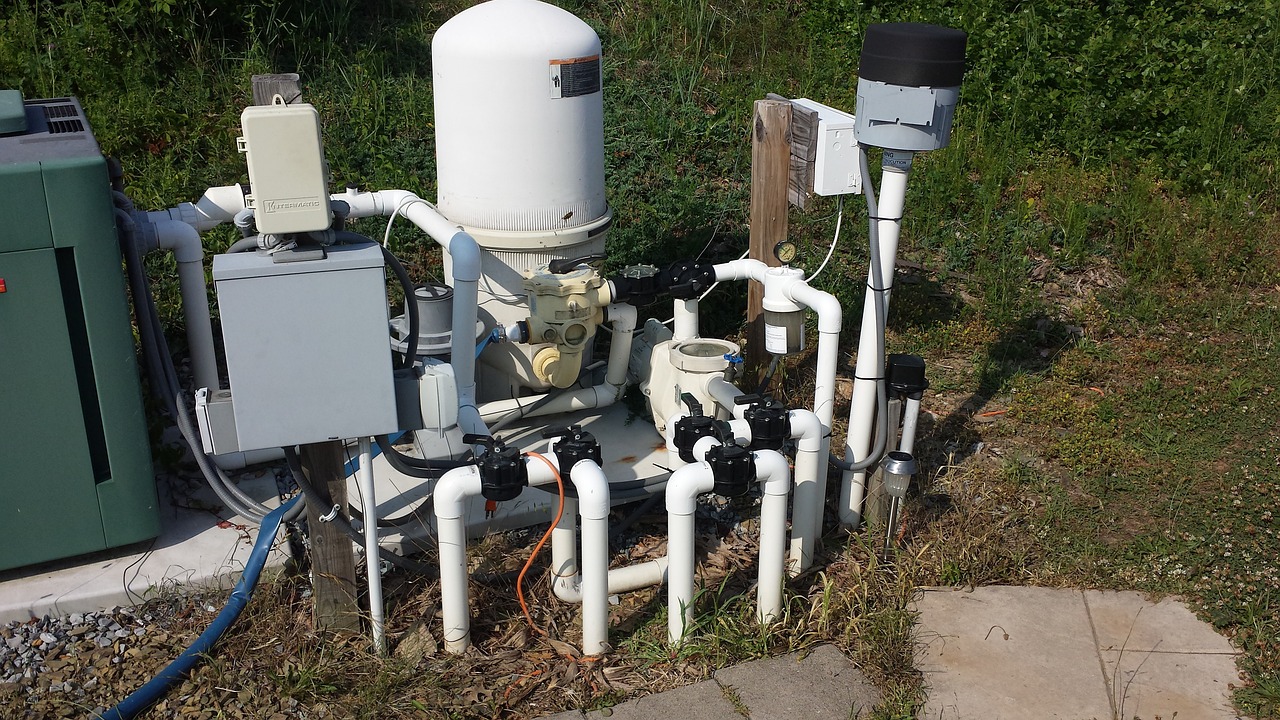
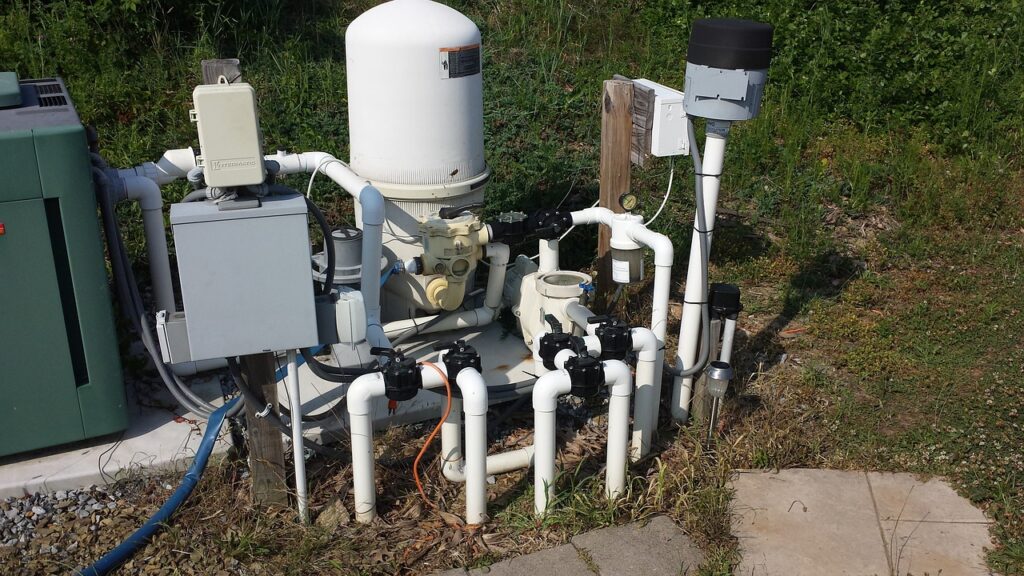
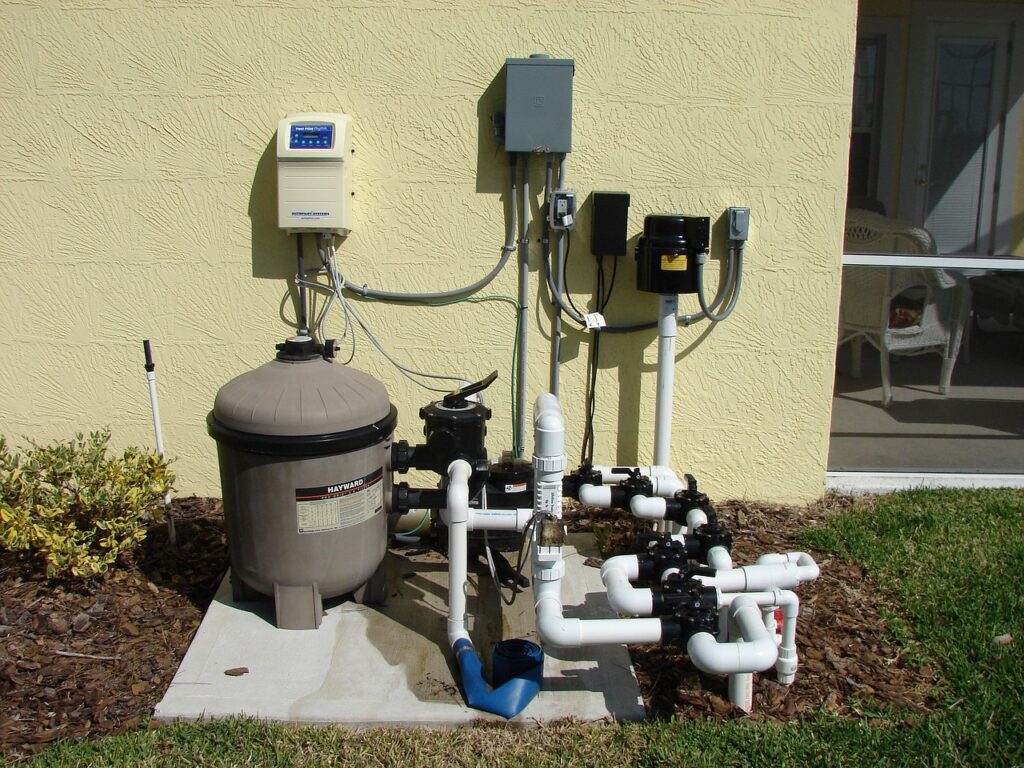
A typical pool pump filtration system consists of several key components that work together to clean and circulate the water. These components include the pool pump, skimmers, main drains, leaf traps, hair strainers, filters, and return jets. Each component has a specific role in the filtration process, ensuring that the water is adequately cleaned and recirculated.
Water Circulation
Water circulation is a crucial aspect of pool pump filtration. Proper circulation ensures that the entire volume of water in the pool passes through the filtration system, allowing for effective cleaning and removal of impurities. Without adequate circulation, stagnant areas can develop in the pool, promoting the growth of bacteria and algae.
Process of Water Circulation
The process of water circulation begins with the pool pump. The pump pulls water from the pool through the skimmers and main drains, directing it towards the filtration system. The water passes through the filters, where debris and contaminants are captured and removed. After filtration, the clean water is returned to the pool through the return jets, ensuring even distribution and proper mixing of chemicals.
Role of Pool Pump in Water Circulation
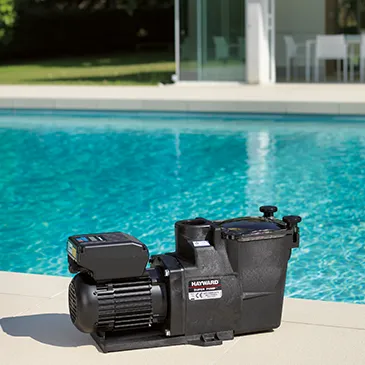
The pool pump plays a crucial role in maintaining water circulation. It acts as the heart of the filtration system, drawing in water and creating the necessary pressure to push it through the filters. The pump ensures that the water is continuously circulated, preventing stagnation and promoting optimal filtration. Choosing the right type of pool pump is important to ensure efficient water circulation and filtration.
Types of Pool Pump Filtration Systems
When it comes to pool pump filtration systems, there are three main types: single-speed pool pumps, dual-speed pool pumps, and variable-speed pool pumps. Each type has its own advantages and considerations, and it’s important to choose the one that best suits your pool’s needs.
Single-Speed Pool Pump
A single-speed pool pump operates at a fixed speed, typically at the highest horsepower available. While these pumps are robust and reliable, they tend to be less energy-efficient compared to other types. Single-speed pumps are ideal for smaller pools or those with less demanding filtration requirements.
Dual-Speed Pool Pump
A dual-speed pool pump offers the flexibility of operating at two different speeds. It can run at a higher speed for tasks that require more power, such as vacuuming or running water features. For regular filtration needs, it can be set to a lower speed, reducing energy consumption and resulting in cost savings over time. Dual-speed pumps strike a balance between performance and energy efficiency.
Variable-Speed Pool Pump
Variable-speed pool pumps are the most energy-efficient option available. They allow you to adjust the pump’s speed to different levels, providing precise control over water flow and energy consumption. Variable-speed pumps can significantly reduce energy costs and often qualify for energy efficiency rebates. While they may have a higher upfront cost, the long-term savings make them a worthwhile investment, especially for larger pools or those with high filtration demands.
Pool Pump Filtration Process
Understanding the pool pump filtration process is essential for maintaining optimal pool performance. It involves three distinct phases: suction, filtration, and return. Each phase plays a vital role in removing impurities, cleaning the water, and ensuring its safe circulation.
Suction
During the suction phase, the pool pump pulls water from the pool through the skimmers and main drains. Skimmers are designed to catch floating debris, while main drains help to draw water from the deeper parts of the pool. To prevent large debris from entering the pump, leaf traps and hair strainers are installed to capture and collect these materials.
Filtration
After the water is drawn through the skimmers and main drains, it passes through the pool’s filtration system. The filtration system consists of different types of filter media, such as sand, cartridge, or diatomaceous earth. These media effectively trap and remove particles as small as 5 microns, ensuring that the water is adequately cleaned. The choice of filter media depends on factors such as the size of the pool, filtration requirements, and personal preference.
Return
Once the water has been filtered, it is returned to the pool through the return jets. These jets are strategically positioned to facilitate proper distribution and mixing of chemicals. By evenly dispersing the filtered water, the return jets help maintain consistent water quality throughout the pool. This phase completes the cycle of water circulation, ensuring that the pool water remains clean and safe for swimming.
Cleaning and Maintenance
To keep your pool pump filtration system in optimal condition, regular cleaning and maintenance are necessary. This helps prevent issues and ensures that the system operates efficiently.
Backwashing the Filter
Periodically backwashing the filter is important to remove trapped debris and prevent clogs. Backwashing involves reversing water flow through the filter, dislodging and flushing out accumulated dirt. By following the manufacturer’s instructions, you can effectively clean the filter and maintain its filtering capabilities.
Cleaning or Replacing Filter Media
The filter media, whether sand, cartridge, or diatomaceous earth, will require cleaning or replacement over time. Cleaning methods may vary depending on the type of media used. Sand filters require backwashing and occasional sand replacement, while cartridge filters need rinsing and occasional replacement. Diatomaceous earth filters may require cleaning and recharging with fresh diatomaceous earth powder. Regular inspection and proper maintenance of the filter media are essential for optimal filtration performance.
Inspecting and Maintaining the Pool Pump
In addition to the filtration system, it is essential to inspect and maintain the pool pump itself. Check for any signs of damage, leaks, or unusual noises. Regularly clean out the leaf traps and hair strainers to prevent clogs and ensure smooth operation. Maintaining proper water chemistry and following a regular maintenance schedule will help prolong the lifespan of your pool pump.
Troubleshooting Common Issues
While pool pump filtration systems are designed to be reliable, occasional issues may arise. Here are some common problems you may encounter and their potential solutions:
Reduced Water Flow
If you notice a decrease in water flow, it could indicate a clogged skimmer basket, a dirty filter, or a blockage in the plumbing system. Check and clean the skimmer basket and filter. If the issue persists, it may require professional assistance to identify and resolve the underlying cause.
Leaking Pool Pump
Leaks in the pool pump can be caused by damaged seals, loose connections, or cracks in the pump housing. Inspect the pump carefully for any signs of leakage, and address the issue promptly. It is advisable to consult a professional if you are unsure how to fix the problem.
Noisy Operation
Unusual noises coming from the pool pump may be a sign of a worn-out motor, loose components, or debris trapped inside. Check for loose parts and clean out any debris. If the noise persists, it may indicate a more significant issue that requires professional attention.
Clogged Filters
A clogged filter can result in poor water quality and reduced water flow. Regularly clean or replace the filter media and inspect for any blockages. Backwashing the sand filter or rinsing the cartridge filter can help dislodge trapped debris. If the filtration system remains clogged, it may need to be inspected and serviced by a professional.
Conclusion
A well-functioning pool pump filtration system is essential for maintaining clean and safe swimming pool water. The process of water circulation, filtration, and return ensures that debris and contaminants are effectively removed, promoting healthy swimming conditions. Regular cleaning, maintenance, and troubleshooting of common issues are crucial to optimize the performance of your pool pump filtration system. By investing time and effort into proper maintenance and monitoring, you can enjoy a sparkling clean and refreshing pool all summer long.