Having trouble getting your pool pump to start? Don’t worry, we’ve got you covered! In this article, we’ll take a look at some common issues that could be preventing your pool pump from starting and provide you with troubleshooting tips to get it up and running again in no time. So, grab a refreshing beverage and let’s dive into the world of pool pump troubleshooting!
Check Power Supply
Verify Power Outlet
Start by checking if the power outlet that the pool pump is connected to is functioning properly. Plug in another device, such as a lamp or a phone charger, to ensure that the outlet is providing power. If the outlet is not working, try resetting the circuit breaker or contacting an electrician to fix the issue.
Check Circuit Breaker
If the power outlet is working fine, the next step is to check the circuit breaker that controls the pool pump. Locate the circuit breaker panel and find the breaker connected to the pump. Make sure it is in the “On” position. If it has tripped, switch it off and then back on again. If the breaker continues to trip repeatedly, there may be an underlying electrical problem that requires professional assistance.
Inspect Power Cord
Inspect the power cord for any signs of damage or wear. Make sure it is securely plugged into both the power outlet and the pool pump. If there are any visible issues with the cord, such as fraying or exposed wires, it will need to be replaced. A damaged power cord can prevent the pump from receiving the necessary power to start and operate effectively.
Examine Control Panel
Check Timer Settings
Take a look at the timer settings on the control panel. Ensure that the pump is scheduled to run during the desired times. If the timer settings are incorrect, adjust them accordingly. It’s also a good idea to check if the timer itself is functioning correctly. If the timer is not working, replacing it may be necessary.
Inspect Control Switches
Inspect the control switches on the control panel. Make sure they are set in the proper positions. Some pumps have different switches for different functions, such as “On,” “Off,” or “Auto.” Ensure that the switches are in the appropriate positions for the pump to start and operate as intended.
Test Control Panel Connections
Check the connections on the control panel to ensure that they are securely attached. If any of the connections appear loose or disconnected, reattach them properly. Loose connections can prevent the control panel from effectively communicating with the pump, resulting in a failure to start.
Inspect Motor
Check Motor Capacitor
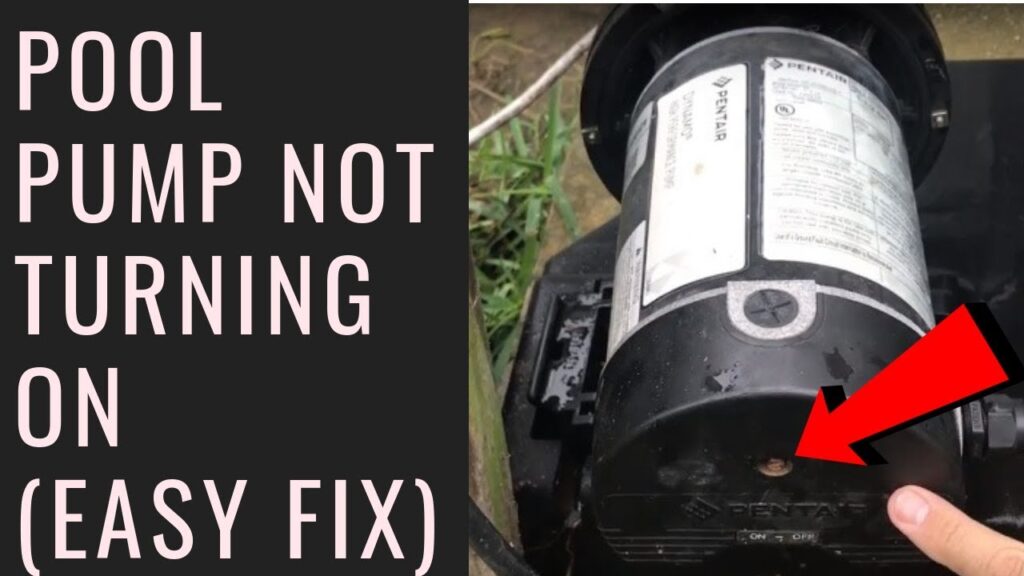
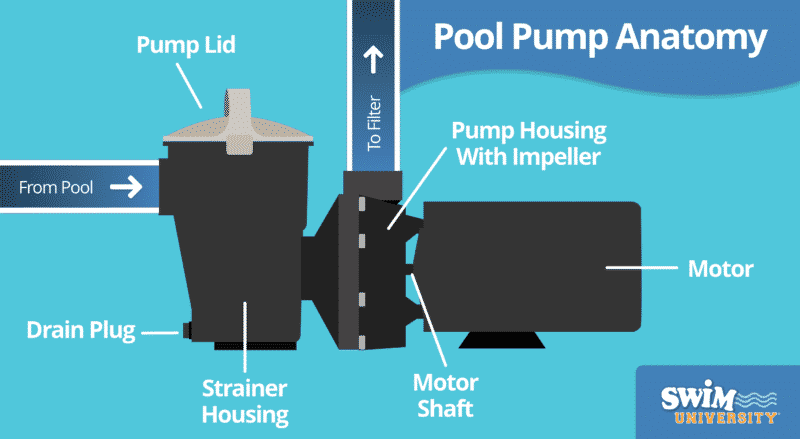
The motor capacitor plays a crucial role in starting the pump. It stores an electrical charge that helps kickstart the motor. Inspect the capacitor for any signs of damage, such as bulging or leaking. If the capacitor appears faulty, it will need to be replaced. It is advisable to seek professional assistance when dealing with motor capacitor replacement.
Test Motor Windings
Motor windings are coils of wire that generate the electromotive force needed to turn the motor. Check the motor windings for any signs of damage, such as discoloration or burnt marks. If the windings are damaged, the motor may not start. In such cases, it is best to consult a pool pump technician for repair or replacement.
Inspect Motor Bearings
Motor bearings help facilitate smooth rotation of the motor shaft. If the motor bearings are worn out or damaged, it can cause the motor to struggle or seize up entirely. To inspect the bearings, gently rotate the motor shaft and listen for any unusual grinding or squeaking sounds. If there are any issues with the bearings, it is recommended to seek professional assistance for repair or replacement.
Verify Impeller
Clear Debris from Impeller
The impeller is responsible for drawing water into the pump and generating the necessary flow. Over time, debris such as leaves, twigs, or dirt can clog the impeller, preventing it from spinning freely. Check the impeller for any obstructions and remove any debris that may be present. Cleaning the impeller can help resolve pump starting issues caused by blockages.
Inspect Impeller Functioning
After clearing the impeller of any debris, visually inspect its functioning. Spin the impeller manually to ensure it rotates smoothly without any resistance. If the impeller is not spinning freely or appears damaged, there could be an issue with the impeller itself or its connection to the motor shaft. In such cases, it is recommended to consult a pool pump technician for further assistance.
Examine Wiring
Check Wiring Connections
Inspect the wiring connections between the control panel, motor, and power supply. Ensure that all the wires are securely connected and free from any damage or corrosion. Loose or damaged wiring can prevent the pump from starting or operating correctly. If any issues are found, consult a pool pump technician for proper repairs or replacements.
Test Voltage at Pump
Using a multimeter, test the voltage at the pump to ensure that it is receiving the proper electrical supply. Follow the manufacturer’s instructions to measure the voltage accurately. If the voltage reading is significantly lower than the required voltage for the pump, there may be a problem with the electrical supply or wiring. It is recommended to seek professional assistance to resolve such issues.
Inspect Wiring for Damage
Thoroughly inspect the pump’s wiring for any signs of damage, such as frayed wires, exposed insulation, or chewed cables. Damaged wiring can lead to a variety of electrical issues, including the pump not starting. If any damage is found, it is essential to have a pool pump technician inspect and repair the wiring to ensure safe and proper operation.
Evaluate Pump Basket
Clean Pump Basket
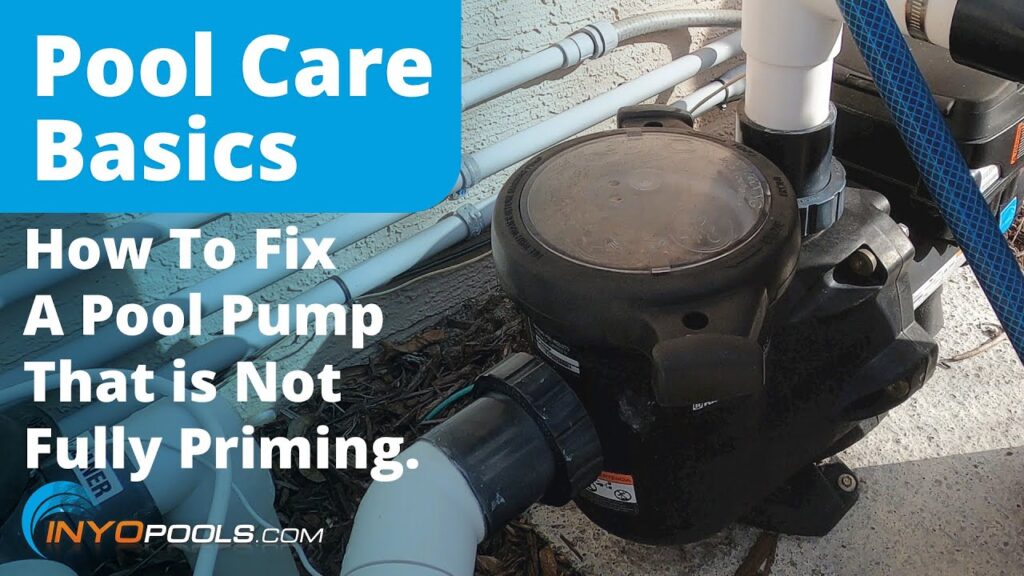
Check the pump basket for any debris or clogs. Remove the basket from the pump housing and empty its contents. Rinse the basket with water to ensure it is clean and free of any obstructions. A clogged pump basket can restrict water flow and prevent the pump from starting. Regularly cleaning the pump basket can help prevent issues and maintain optimal pump performance.
Ensure Proper Basket Placement
After cleaning the pump basket, make sure it is correctly installed back into the pump housing. The basket should fit securely in place, ensuring that it doesn’t obstruct the pump’s operation. Improper placement of the pump basket can affect water flow and cause starting problems, so double-check its positioning before starting the pump.
Check Basket Lid Seal
Inspect the seal on the pump basket lid to ensure it is intact and free of any cracks or damage. The seal provides a tight closure, preventing air from entering the pump and allowing it to prime properly. If the seal is compromised, it can result in air leaks, preventing the pump from starting. If the seal is damaged, it should be replaced to maintain pump efficiency.
Test Pressure Switch
Verify Pressure Switch Functioning
The pressure switch is responsible for sensing the water pressure and signaling the pump to start or stop accordingly. Check the pressure switch to ensure it is functioning correctly. You can do this by manually adjusting the pressure switch settings and observing the pump’s response. If the pressure switch is not detecting pressure changes or fails to activate the pump, it may need to be calibrated or replaced. Consult a pool pump technician for further assistance.
Adjust Pressure Switch Settings
If the pressure switch is functioning but the pump is not starting, you can try adjusting the pressure switch settings. Follow the manufacturer’s instructions to make precise adjustments. Changing the pressure switch settings can help ensure that the pump starts at the desired water pressure and resolves any issues with pump starting.
Evaluate Float Switch
Check Float Switch Position
A float switch is commonly found in some pool pumps and is responsible for triggering pump activation based on the water level. Verify the position of the float switch and ensure it is correctly installed. If the float switch is out of position or not properly aligned, it may not activate the pump when needed. Adjust the float switch as necessary to ensure proper functioning.
Test Float Switch Operation
To test the float switch operation, manually adjust the water level around the switch. Observe if the pump starts when the water reaches the appropriate level, as indicated by the float switch. If the float switch fails to activate the pump or does not function as intended, there might be a problem with the switch itself. In such cases, it is advisable to seek professional assistance for inspection and repair.
Inspect Strainer Pot
Check Strainer Pot Lid Seal
Inspect the seal on the strainer pot lid to ensure it is in good condition. The seal should be free of cracks or damage, providing a tight seal between the lid and the pot. If the seal is compromised, it can result in air leaks, affecting the pump’s ability to prime correctly and start. Replace the seal if any issues are found to maintain optimal pump performance.
Clear Debris from Strainer Pot
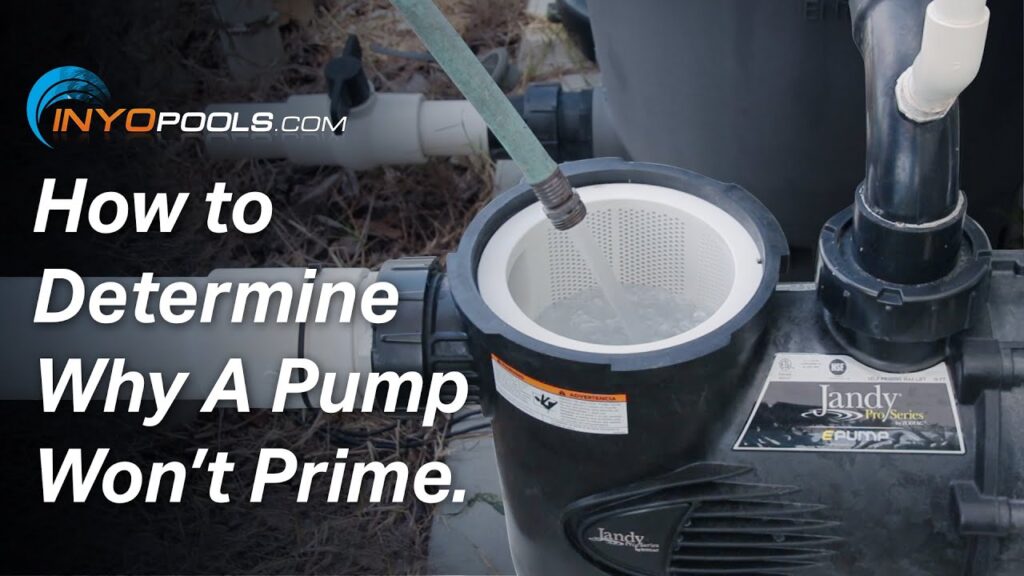
Open the strainer pot and check for any debris or clogs. Clear out any accumulated debris to ensure uninterrupted water flow. Debris in the strainer pot can restrict water flow, leading to pump starting issues. Regularly cleaning the strainer pot is essential for maintaining pump efficiency and preventing potential problems.
Call for Professional Assistance
Consult Pool Pump Technician
If you have gone through all the troubleshooting steps but the pump still fails to start, it may be time to seek professional assistance. Contact a pool pump technician who specializes in pool pump repair. They will be able to accurately diagnose the problem and provide the necessary repairs or replacements to get your pool pump up and running again.
Contact Manufacturer Support
If your pool pump is still under warranty, it’s a good idea to reach out to the manufacturer’s support team. They can guide you through additional troubleshooting steps specific to your pump model, or arrange for warranty repairs or replacements if necessary. Contacting the manufacturer support can provide you with expert advice and ensure that you utilize your warranty effectively.
Remember, pool pump troubleshooting and repair can be complex, and it’s always recommended to seek professional assistance whenever you’re unsure or uncomfortable with performing the tasks on your own. A qualified pool pump technician will have the expertise to identify and resolve the underlying issues, ensuring the proper functioning and longevity of your pool pump.