When it comes to pool maintenance, there’s one piece of equipment that often goes unnoticed but plays a crucial role in keeping your pool running smoothly – the pool pump priming pot. This essential component acts as a temporary reservoir for water, ensuring that your pool pump is properly primed before it begins circulating water through your pool’s filtration system. Without a well-functioning priming pot, you may encounter issues such as airlocks, inefficiency, and even damage to your pool pump. In this article, we’ll explore the importance of pool pump priming pots and how they can help you maintain a crystal-clear pool all summer long.
What is a Pool Pump Priming Pot?
Definition
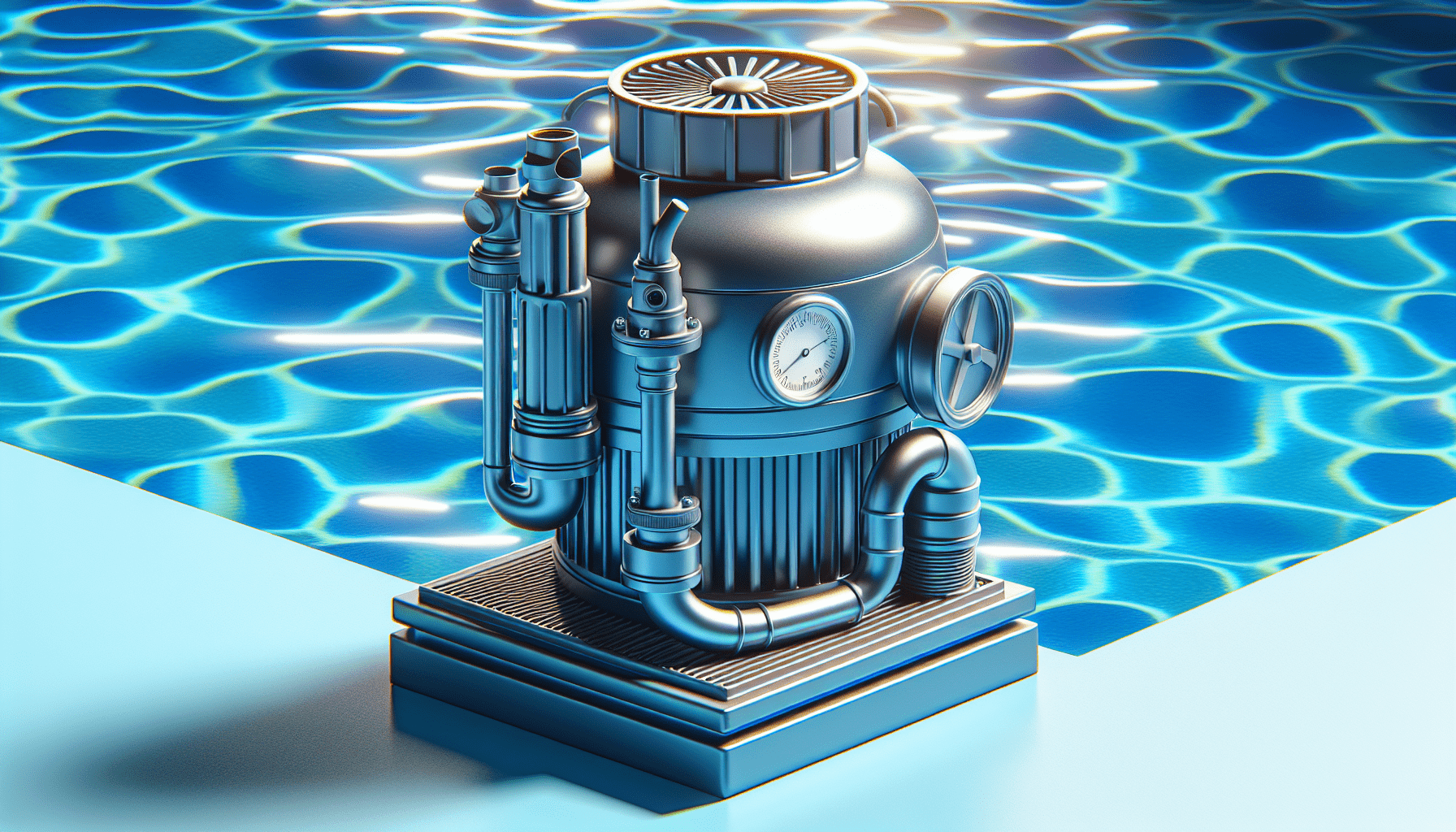
A pool pump priming pot is a device used in swimming pool filtration systems to help maintain the prime of the pump. It is essentially a strainer basket that collects debris and air from the water before it reaches the pump, preventing damage and improving efficiency. The priming pot is installed between the skimmer or main drain and the pump itself, ensuring that only clean, debris-free water is drawn into the pump.
Purpose
The primary purpose of a pool pump priming pot is to protect the pump from damage caused by debris and air. By capturing any debris or air bubbles before they reach the pump, the priming pot prevents clogging and ensures smooth operation. Additionally, the priming pot helps improve the efficiency of the pump by allowing it to pump clean water, resulting in better circulation and filtration.
Components
A typical pool pump priming pot consists of several components. These include the pot housing, usually made of plastic, stainless steel, or fiberglass; a removable strainer basket for collecting debris; a transparent lid for easy inspection; and O-rings or gaskets for creating a watertight seal. Some priming pots may also feature pressure gauges or drain plugs for added convenience.
How Does a Pool Pump Priming Pot Work?
Location
The pool pump priming pot is usually installed between the skimmer or main drain and the pump. Its placement depends on the specific pool system, but it is typically situated near the pump to ensure easy access for maintenance and inspection. The priming pot is connected to the plumbing system with pipes or hoses, allowing water to flow through it before reaching the pump.
Function
When the pool pump is turned on, water is drawn from the pool through the skimmer or main drain and into the priming pot. As the water flows through the strainer basket, any debris such as leaves, twigs, or insects are trapped inside, preventing them from reaching the pump. The pot also acts as a temporary storage area for any air bubbles present in the water, allowing them to escape before they can disrupt the pump’s performance.
Benefits
A pool pump priming pot offers various benefits for pool owners. Firstly, it helps prevent damage to the pump by filtering out debris that can clog or damage the impeller. By removing these obstructions, the pump can run smoothly and efficiently. Secondly, by capturing air bubbles, the priming pot aids in maintaining optimal water flow and pressure, ensuring consistent circulation and filtration. Lastly, using a priming pot can reduce maintenance needs by preventing clogs and prolonging the life of the pump.
Importance of a Pool Pump Priming Pot
Prevents Pump Damage
One of the main reasons why a pool pump priming pot is important is its ability to prevent damage to the pump. Debris such as leaves, twigs, and insects can easily find their way into the pool circulation system. If these particles reach the pump, they can clog the impeller, leading to decreased performance and potential damage. The priming pot acts as a barrier, capturing these debris before they can reach the pump and ensuring its longevity.
Improves Pump Efficiency
A pool pump that operates with optimal efficiency is essential for maintaining a clean and healthy swimming environment. By using a priming pot, the pump can draw in only clean water, free from large debris. This improves the pump’s performance and efficiency by reducing the strain on the impeller and allowing it to operate at its maximum capacity. As a result, the pool water is circulated more effectively, enhancing filtration and chemical distribution.
Reduces Maintenance
Regular maintenance is necessary for any pool system, but the use of a pool pump priming pot can help reduce the frequency and extent of maintenance tasks. By preventing debris from reaching the pump, the need for cleaning and unclogging is significantly reduced. This saves time and effort for pool owners, allowing them to spend more time enjoying their pool and less time on maintenance tasks.
Types of Pool Pump Priming Pots
Plastic Priming Pots
Plastic priming pots are the most common type of priming pots and are widely used in residential pool systems. They are lightweight, durable, and affordable, making them a popular choice among pool owners. Plastic priming pots can handle moderate levels of debris and are suitable for most pool sizes.
Stainless Steel Priming Pots
Stainless steel priming pots are known for their durability and resistance to corrosion. They are ideal for pools with heavy debris loads or in commercial settings where a more robust priming pot is required. Stainless steel pots are more expensive than plastic ones, but they offer enhanced longevity and reliability.
Fiberglass Priming Pots
Fiberglass priming pots are another option available to pool owners. They offer a balance between durability, cost-effectiveness, and resistance to corrosion. Fiberglass pots can handle moderate to heavy debris loads, making them suitable for a range of pool sizes and usage levels. They are often chosen for their aesthetic appeal, as they can be customized with different colors and finishes.
Factors to Consider When Choosing a Pool Pump Priming Pot
Size
The size of the pool pump priming pot should be chosen based on the flow rate and capacity requirements of the pool system. A larger pool with a high water flow rate will require a larger priming pot to handle the volume of water and debris. Conversely, a smaller pool with lower flow rates can utilize a smaller priming pot. It is important to consult with a pool professional to determine the appropriate size for your specific pool.
Material
The material of the priming pot is another crucial factor to consider. Plastic pots are lightweight and affordable but may not withstand heavy debris loads. Stainless steel pots offer superior durability and corrosion resistance but come at a higher cost. Fiberglass pots offer a balance between durability and affordability, with customizable options. Consider the specific needs of your pool system and the level of debris expected before choosing the material.
Installation Requirements
When selecting a pool pump priming pot, it is important to consider the installation requirements. Some priming pots may require additional plumbing modifications or fittings to connect properly to the existing system. Consult with a professional installer or read the manufacturer’s instructions to ensure that the chosen priming pot can be easily integrated into your pool system.
Maintenance and Care for Pool Pump Priming Pots
Regular Cleaning
To maintain the optimal performance of a pool pump priming pot, regular cleaning is necessary. The strainer basket should be emptied and rinsed regularly to remove any debris collected. Additionally, the pot housing and lid should be inspected for any buildup or blockage and cleaned as needed. Following a regular cleaning schedule will help prevent clogs and ensure the priming pot functions efficiently.
Inspecting for Leaks
Regular inspection for leaks is crucial in ensuring the proper functioning of a pool pump priming pot. Check the O-rings or gaskets for any signs of wear or damage and replace as needed. Inspect the pot housing and lid for any cracks or breaks that could lead to leaks. A leaky priming pot can reduce its effectiveness and compromise the overall performance of the pool system.
Replacing O-Rings
O-rings play a vital role in creating a watertight seal in a pool pump priming pot. Over time, they can wear out or become damaged, leading to leaks or decreased performance. Regularly inspect the O-rings and replace them as necessary to maintain a proper seal. Ensure that the new O-rings are the correct size and material specified by the manufacturer to ensure a secure fit.
Common Issues with Pool Pump Priming Pots
Clogged Strainer Basket
A clogged strainer basket is a common issue that can occur with pool pump priming pots. When the strainer basket becomes full of debris, it can impede water flow and reduce the effectiveness of the priming pot. Regularly emptying and cleaning the strainer basket will help prevent clogs and ensure proper filtration.
Air Leaks
Air leaks in a pool pump priming pot can disrupt water flow and decrease its efficiency. Inspect the O-rings, gaskets, and lid for any signs of wear or damage that could be causing air leaks. Replacing worn or damaged components and ensuring a proper seal is essential for resolving air leak issues.
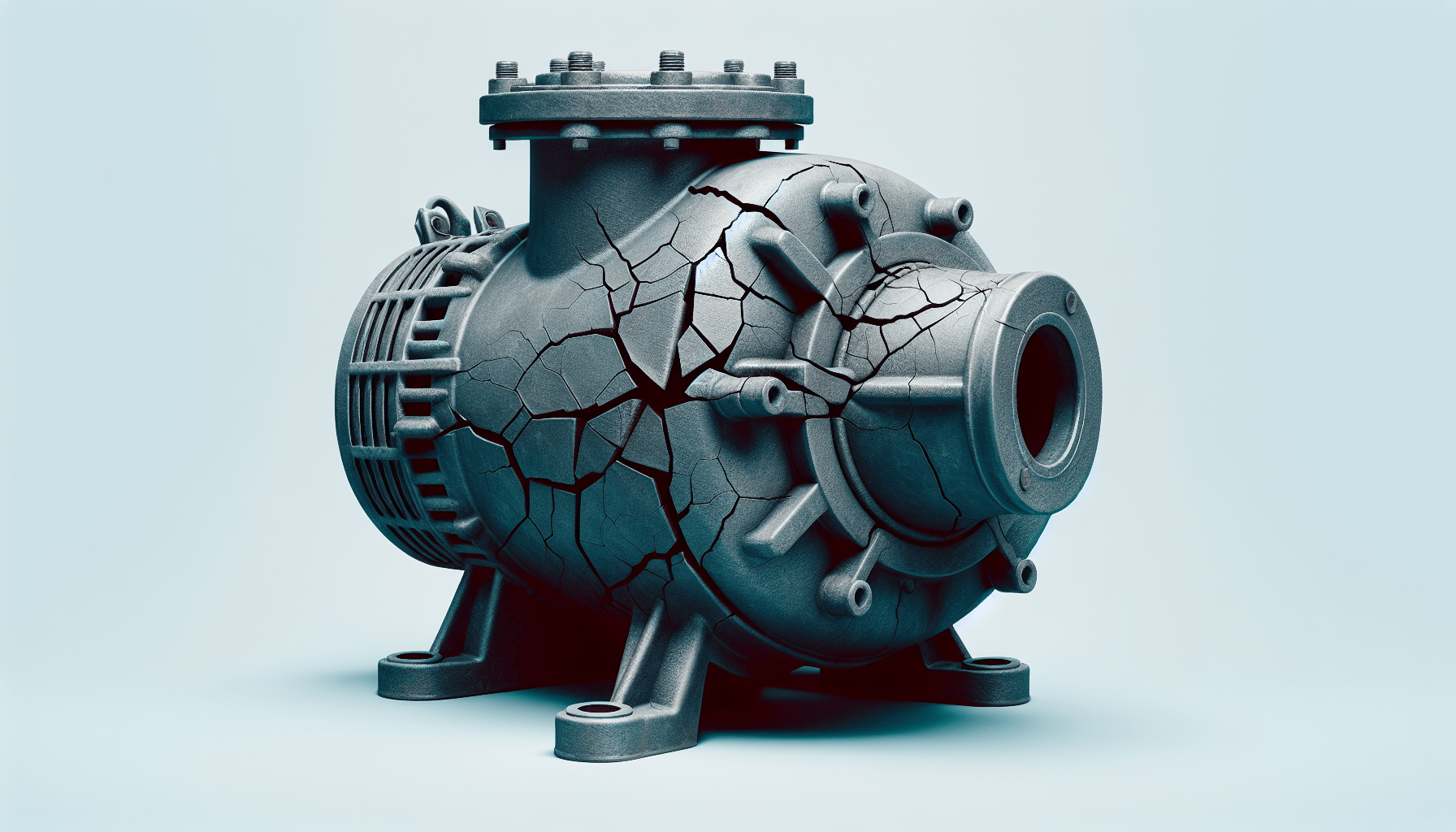
Cracked Housing
Cracks or breaks in the housing of a pool pump priming pot can lead to leaks and reduced performance. Inspect the housing regularly for any signs of damage and address any cracks or breaks immediately. Depending on the severity of the damage, the housing may need to be repaired or replaced to restore the proper functioning of the priming pot.
Tips for Troubleshooting Pool Pump Priming Pot Problems
Check for Blockages
If you are experiencing decreased water flow or poor performance with your pool pump priming pot, check for any blockages in the system. Ensure that the strainer basket is empty and clean, and check the plumbing lines for any clogs or obstructions. Clearing any blockages will help restore proper water flow and improve the performance of the priming pot.
Inspect Seals and Gaskets
Leaks can be a common problem with pool pump priming pots. Inspect all seals, gaskets, and O-rings for signs of wear, damage, or misalignment. Replace any worn or damaged components and ensure a proper seal to eliminate leaks and optimize the functioning of the priming pot.
Verify Proper Screw Tightness
Loose screws or fittings can cause leaks or air leaks in a pool pump priming pot. Regularly inspect and tighten all screws and fittings to ensure a secure and watertight connection. This will help prevent leaks and maintain the proper functioning of the priming pot.
Installing a Pool Pump Priming Pot
Shut Off Power to the Pump
Before installing a pool pump priming pot, it is essential to shut off the power to the pump. This can be done by turning off the circuit breaker or switch that controls the pump. Ensuring the power is off will prevent any accidents or electrical hazards during the installation process.
Prepare the Plumbing
Prepare the plumbing by measuring and cutting the necessary pipes or hoses to connect the priming pot to the existing system. Ensure that all fittings and connectors are properly aligned and securely fastened. It may be necessary to use PVC primer and cement for a PVC plumbing system to create a watertight seal.
Mount and Connect the Priming Pot
Once the plumbing is prepared, mount the priming pot in its designated location, typically near the pump for accessibility. Connect the pipes or hoses according to the manufacturer’s instructions, ensuring a secure connection. Once the connections are made, test for any leaks or issues before restoring power to the pump.
Cost of Pool Pump Priming Pots
Factors Affecting Price
The cost of a pool pump priming pot can vary depending on several factors. The material of the pot, with stainless steel being the most expensive option, can significantly impact the price. The size and capacity of the priming pot are also factors, with larger pots generally costing more than smaller ones. Additionally, brand reputation and any added features, such as pressure gauges or drain plugs, can affect the price.
Average Price Range
On average, pool pump priming pots can range in price from $50 to $300 or more. Plastic priming pots tend to be on the lower end of the price range, while stainless steel pots are at the higher end. Fiberglass pots typically fall somewhere in the middle. It is important to consider the specific needs of your pool system and budget when selecting a priming pot.
Additional Installation Costs
In addition to the cost of the priming pot itself, there may be additional installation costs to consider. If any modifications or fittings are required to connect the priming pot to the existing plumbing system, these may add to the overall installation cost. Consulting with a professional installer or pool technician can help provide a more accurate estimate of the total installation cost.