If you own a pool or are planning to get one, ensuring the safety of your pool pump is crucial. One effective way to do this is by installing a Ground Fault Circuit Interrupter (GFCI) protection for your pool pump. This simple yet powerful device aims to protect you and your loved ones from electrical hazards, providing a much-needed layer of safety when enjoying your pool. In this article, we will explore the importance of Pool Pump GFCI Protection and how it can help safeguard your pool and everyone around it.
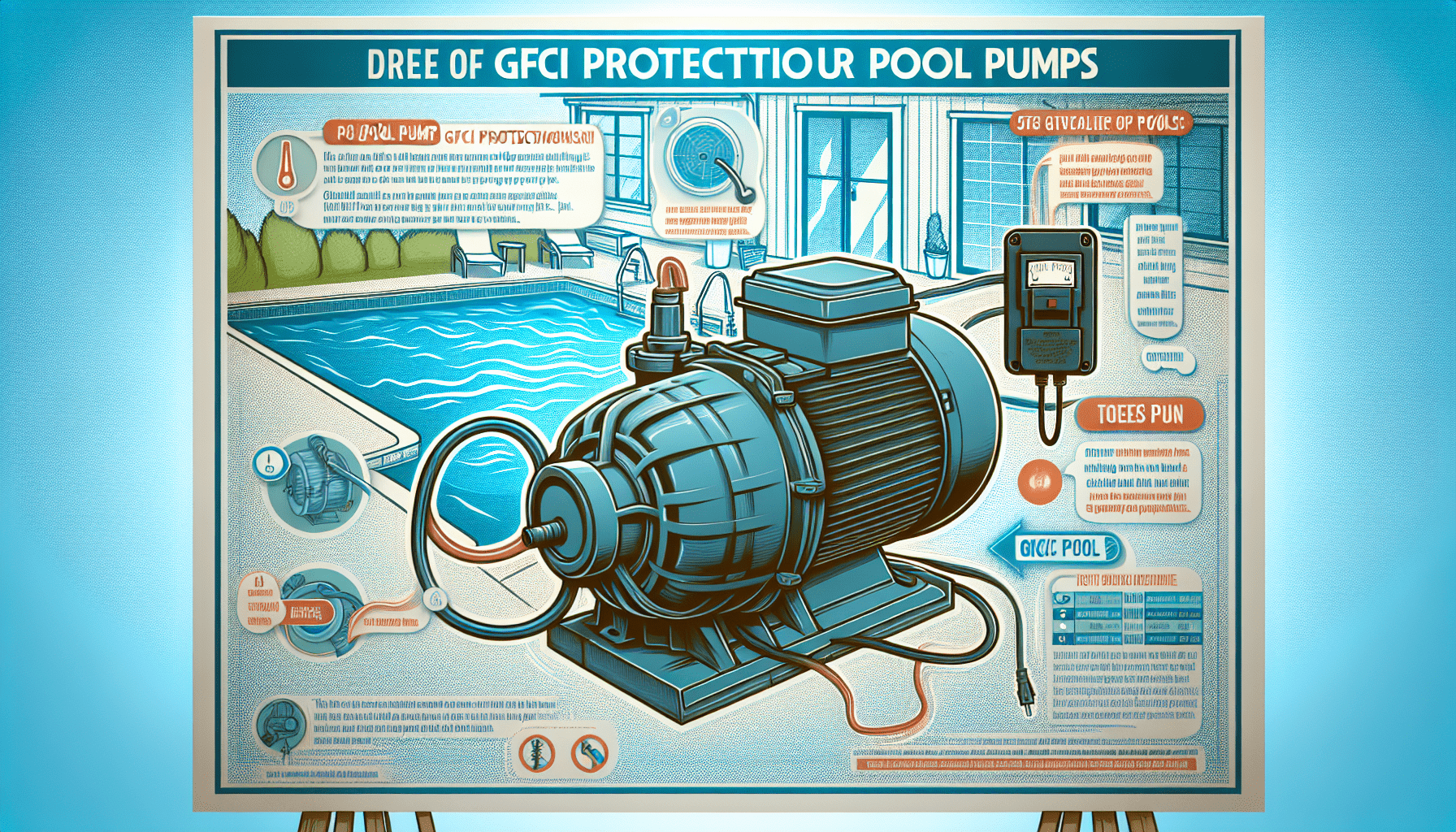
What is GFCI Protection?
Definition
GFCI, or Ground Fault Circuit Interrupter, protection is a safety feature designed to protect against electrical shock hazards. It is a device that constantly monitors the flow of electricity in a circuit and quickly shuts off power if it detects any imbalances or faults.
Importance and Purpose
The primary purpose of GFCI protection is to prevent electric shocks and potential electrocution. This is especially crucial in areas where water and electrical equipment are in close proximity, such as pool pumps. GFCI protection ensures that any electrical fault is detected and power is immediately shut off, minimizing the risk of electrical accidents.
Why is GFCI Protection Important for Pool Pumps?
Electrical Safety
Pool pumps are often exposed to moisture, making them susceptible to electrical hazards. Without proper GFCI protection, there is a higher risk of electric shock when handling or maintaining pool pump equipment. GFCI protection provides an extra layer of safety by cutting off power in the event of a ground fault, reducing the chances of electrical accidents.
Prevention of Shock Hazards
Since pool pumps are typically located outdoors, they can be easily affected by environmental factors like rain or splashing water. Without GFCI protection, the risk of electrical shock increases significantly. GFCI protection is essential in preventing shock hazards and ensuring the safety of individuals in the vicinity of pool pump equipment.
How Does GFCI Protection Work?
Electrical Circuit Monitoring
GFCI protection continuously monitors the electrical circuit, constantly checking for any imbalances in the flow of electricity. It measures the current entering and leaving the circuit, making sure that they are equal. If a discrepancy is detected, it indicates the presence of a ground fault.
Ground Fault Detection
When a ground fault occurs, it means that electricity is straying from its intended path and is potentially flowing through unintended paths, such as through water or an individual’s body. GFCI protection is designed to quickly detect these ground faults by comparing the current entering and exiting the circuit. If there is an imbalance, it determines that a ground fault has occurred.
Trip Mechanism
Once a ground fault is detected, the GFCI protection device triggers a trip mechanism, automatically shutting off power to the circuit within milliseconds. By cutting off the power supply, the risk of electrical shock or other accidents resulting from ground faults is minimized.
Types of GFCI Protection for Pool Pumps
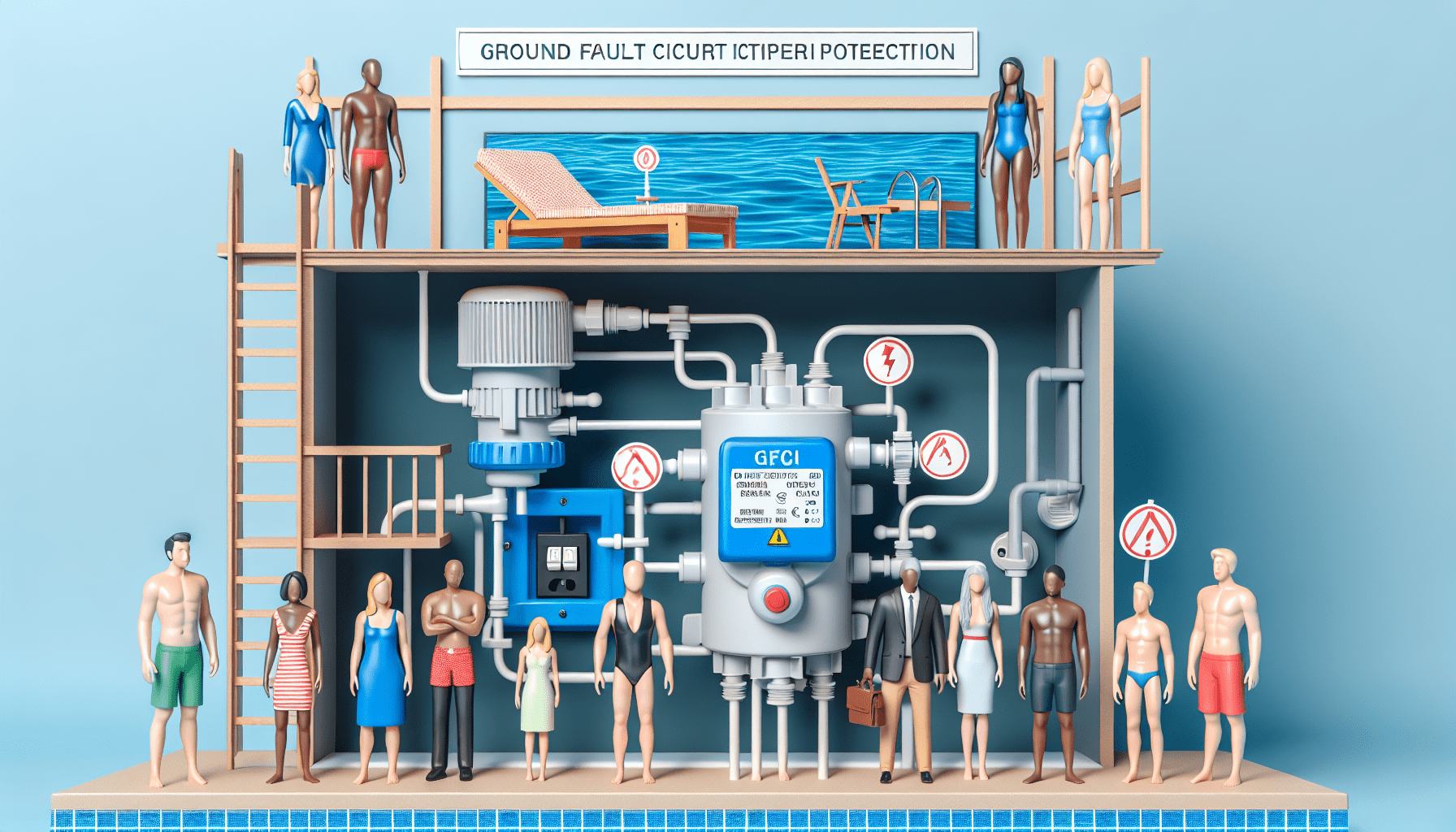
GFCI Outlets
GFCI outlets are a common and convenient option for providing GFCI protection for pool pumps. These outlets have built-in GFCI mechanisms, offering protection to any device plugged into them. GFCI outlets are easily recognizable by their test and reset buttons that allow users to manually test and reset the circuit.
GFCI Breakers
GFCI breakers offer protection for an entire circuit rather than a single outlet. These circuit breakers are installed in the electrical panel and provide GFCI protection to all outlets and appliances connected to that specific circuit. They are a more comprehensive and scalable solution for GFCI protection and are ideal for larger pool pump installations.
Installation of GFCI Protection for Pool Pumps
Electrical Requirements
Before installing GFCI protection for pool pumps, it is essential to ensure that the electrical system meets the necessary requirements. This includes the proper wiring, grounding, and voltage capacity to accommodate the GFCI device. It is recommended to consult with a qualified electrician to determine the specific electrical requirements and make any necessary updates.
Professional Installation
Since proper installation is crucial for the effectiveness of GFCI protection, it is recommended to have a professional electrician perform the installation. They have the expertise to ensure that all wiring and connections are correctly made, complying with electrical codes and safety standards. Professional installation also eliminates the risk of errors or improper connections that may compromise the effectiveness of GFCI protection.
Proximity to Pool Equipment
When installing GFCI protection for pool pumps, it is essential to consider the proximity to the pool equipment. The GFCI device should be located in a weatherproof enclosure to protect it from environmental factors like moisture or direct sunlight. Additionally, the device should be easily accessible for regular inspections and testing.
Maintenance and Testing of GFCI Protection
Regular Inspections
Regular inspections of GFCI protection for pool pumps are crucial to ensure its ongoing effectiveness. Visual inspections should be conducted to check for any signs of damage, such as cracks or exposed wiring. It is also important to verify that the GFCI device is properly installed and securely mounted. Any issues or damage should be addressed immediately by a qualified electrician.
Resetting and Testing
GFCI devices should be periodically tested to verify their functionality. This can be done by pressing the test button on the device, which should cause the power to shut off. After testing, the reset button should be pressed to restore power to the circuit. It is recommended to test GFCI devices at least once a month to ensure they are working correctly.
Replacement and Upgrades
Over time, GFCI devices may become less effective or wear out. If a GFCI device fails the test or does not reset properly, it should be replaced immediately. Additionally, advancements in GFCI technology may offer improved safety features or enhanced sensitivity. Considering upgrading to newer GFCI devices can provide added layers of protection and peace of mind.
Common Issues and Troubleshooting
Frequent Tripping
If a GFCI device trips frequently, it may indicate a ground fault in the circuit or an issue with the connected equipment. It is important to identify and address the source of the problem. This may involve checking the wiring connections, inspecting the pool pump for moisture or damage, or consulting with a qualified electrician to troubleshoot and resolve the issue.
Faulty Connections
Loose or faulty connections can affect the effectiveness of GFCI protection. Periodically checking the wiring connections and ensuring they are secure can help prevent issues with GFCI tripping or improper function. Any loose or damaged wiring should be repaired or replaced promptly by a professional electrician.
Water Damage
Water damage can compromise the functionality of GFCI devices, especially in pool pump installations. Moisture or exposure to water can lead to corrosion or short circuits, rendering the GFCI protection ineffective. Regular inspections should be conducted to check for any signs of water damage, and any issues should be addressed immediately by a qualified electrician.
Benefits of GFCI Protection for Pool Pumps
Enhanced Safety
GFCI protection significantly enhances safety by quickly detecting and preventing electrical accidents. It minimizes the risk of electric shocks and potential electrocution, protecting individuals who may come into contact with pool pump equipment.
Compliance with Electrical Codes
Many electrical codes and regulations require GFCI protection for specific applications, including pool pumps. By installing GFCI protection, pool owners can ensure compliance with these codes, avoiding potential fines or penalties.
Insurance Requirements
Insurance companies often require GFCI protection as a safety measure for pool pumps. By having proper GFCI protection in place, pool owners can meet the insurance requirements and maintain coverage. This can provide peace of mind knowing that potential liability risks are mitigated.
Cost Considerations
Initial Investment
The cost of GFCI protection for pool pumps can vary depending on the specific requirements and the type of protection chosen. GFCI outlets are generally more cost-effective, while GFCI breakers can be a larger investment. However, considering the safety benefits and potential savings in the long run, the initial investment is worthwhile.
Long-term Savings
While the initial investment in GFCI protection may seem significant, the long-term savings in terms of potential damage or liability costs are substantial. By preventing electrical accidents and complying with electrical codes, pool owners can avoid costly repairs, fines, or legal issues associated with inadequate electrical safety.
Conclusion
GFCI protection plays a vital role in ensuring the safety and compliance of pool pumps. By providing an extra layer of electrical safety, it minimizes the risk of electric shocks, electrocution, and other accidents associated with ground faults. Whether through GFCI outlets or GFCI breakers, proper installation by a professional electrician is crucial for effectiveness. Regular maintenance, testing, and inspections further contribute to the ongoing functionality and reliability of GFCI protection. The importance of GFCI protection for pool pumps cannot be overstated, as it not only ensures the safety of individuals but also helps meet electrical codes and insurance requirements. With the benefits of enhanced safety, compliance, and potential long-term savings, investing in GFCI protection for pool pumps is a wise decision.