Are you tired of having to manually turn on and off your pool pump every day? Look no further! Pool pump timers are here to make your life easier. These handy devices allow you to set a specific schedule for your pool pump, so you can effortlessly maintain your pool without lifting a finger. Whether you want your pump to run during the day or at night, pool pump timers give you the flexibility to customize the timing to suit your needs. Say goodbye to the hassle of remembering to turn on your pool pump and say hello to convenience and efficiency with pool pump timers.
What Are Pool Pump Timers?
Definition
Pool pump timers are devices used to control and automate the operation of pool pumps. They are designed to turn the pump on and off at pre-set intervals, allowing for efficient and effective pool circulation. By scheduling when the pump operates, pool pump timers help to optimize energy usage, reduce costs, and maintain water quality.
Function
The main function of a pool pump timer is to regulate the operation of the pool pump. The timer allows pool owners to set specific times for the pump to turn on and off, ensuring that the pool water is properly circulated. This circulation is crucial for maintaining water clarity and preventing the growth of algae and bacteria.
Types
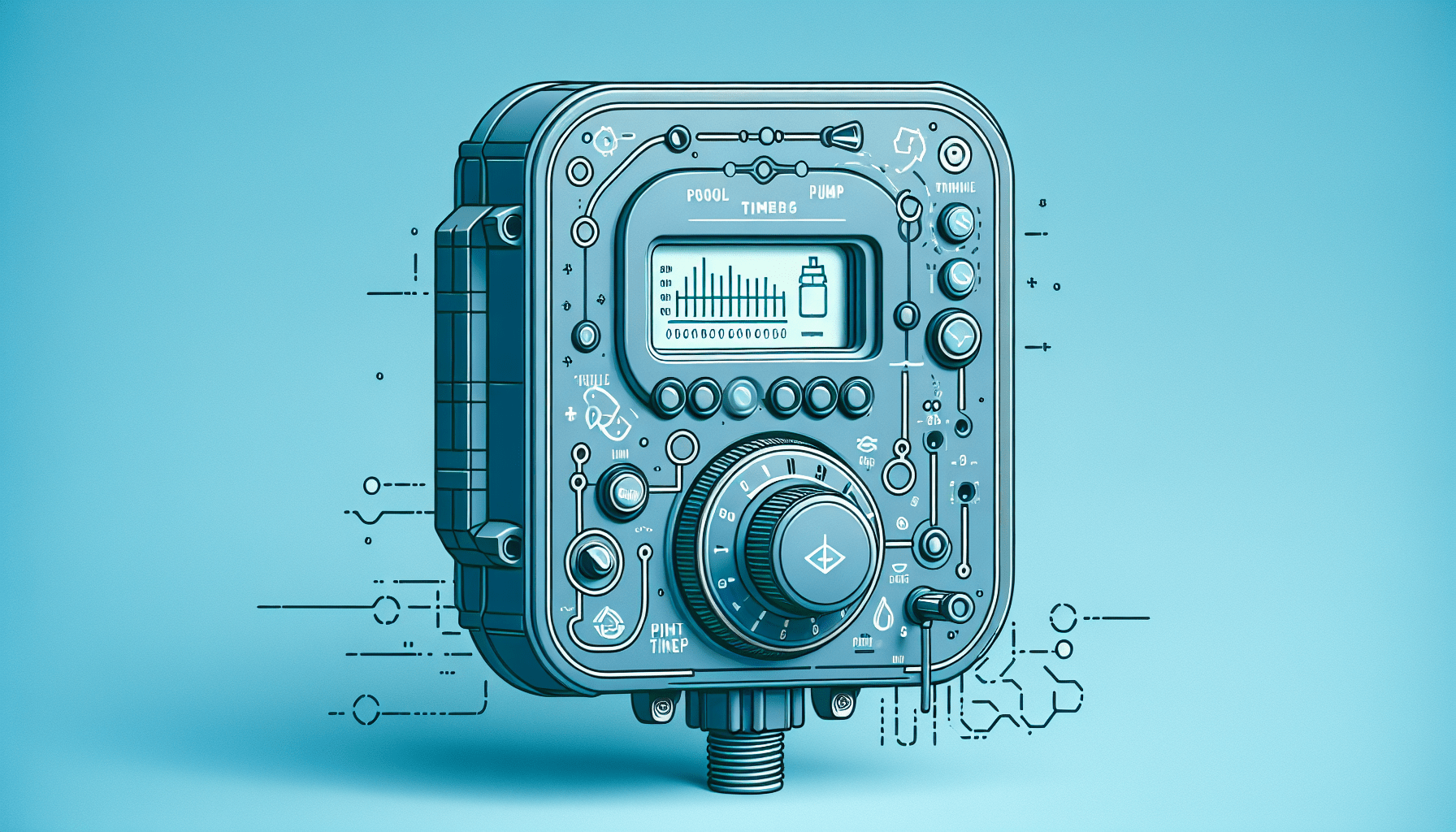
There are different types of pool pump timers available in the market, each designed to suit different pool setups and user preferences. Common types include mechanical timers, digital timers, and smart timers. Mechanical timers use dial or pin mechanisms to set the pump’s operating schedule, while digital timers allow for more precise time settings. Smart timers can be controlled remotely through smartphone apps and offer advanced features like programmable schedules and energy usage monitoring. Choosing the right type of pool pump timer depends on the specific needs and requirements of the pool owner.
Benefits of Using Pool Pump Timers
Energy Efficiency
One of the key benefits of using pool pump timers is improved energy efficiency. By scheduling the pump to run during off-peak hours or for shorter periods, pool pump timers help to reduce the overall energy consumption of the pool system. This can result in significant energy savings and lower utility bills, especially for pools that require extended pump runtime.
Cost Savings
In addition to energy efficiency, pool pump timers also contribute to cost savings. By using the pump only when necessary, pool owners can reduce the wear and tear on the pump motor, prolonging its lifespan and avoiding costly repairs or replacements. Moreover, efficient circulation and filtration provided by pump timers can prevent the need for excessive chemical treatments and water treatments, further reducing costs.
Reduced Maintenance
Proper pool circulation is essential for maintaining water quality and preventing the build-up of debris and sediments. Pool pump timers ensure that the pump operates regularly, preventing stagnant water and minimizing the accumulation of leaves, dirt, and other debris. As a result, pool owners can enjoy reduced maintenance efforts, such as manual cleaning and vacuuming, saving time and effort.
Improved Filtration
Effective filtration is crucial for removing impurities and keeping the pool water clean and clear. Pool pump timers play a vital role in maintaining consistent filtration by ensuring regular circulation. With regular and controlled operation, the pump can efficiently filter the water, removing particles, contaminants, and organic matter. This leads to improved water clarity and reduces the need for chemical treatments.
Factors to Consider When Choosing a Pool Pump Timer
Power Supply
Before purchasing a pool pump timer, it is important to consider the power supply requirements. Some timers operate on standard household electrical outlets, while others may require dedicated circuits or specific voltages. Understanding the power supply requirements will help ensure compatibility and avoid any electrical issues during installation.
Voltage Compatibility
Along with power supply considerations, it is crucial to check the voltage compatibility of the pool pump timer. Different pool pump systems may operate at different voltages, such as 120V or 240V. Choosing a timer that matches the voltage requirements of the pump system is essential to ensure proper operation and prevent any electrical damage.
Timer Settings
Consider the timer settings offered by different pool pump timer models. Some timers offer basic on/off scheduling, while others provide more advanced features like multiple on/off settings throughout the day or week. Think about your specific needs and preferences for scheduling and choose a timer that offers the desired flexibility.
Installation and Compatibility
Before purchasing a pool pump timer, make sure to check its compatibility with your existing pool pump system. Consider the timer’s physical dimensions, connection requirements, and mounting options to ensure a proper fit. Additionally, it is important to determine whether the installation can be done independently or if professional assistance is required.
How to Install a Pool Pump Timer
Gather Necessary Tools
To install a pool pump timer, you will need the following tools: a screwdriver, wire strippers, wire connectors, electrical tape, and a voltage tester. Make sure you have these tools readily available before starting the installation process.
Deactivate Power
Before working on any electrical components, always remember to turn off the power supply at the circuit breaker or main switch. This step is crucial to ensure personal safety and prevent any electrical accidents during the installation.
Disconnect Old Timer
If there is an existing timer in place, disconnect it from the power source and remove it carefully. Follow the manufacturer’s instructions or refer to the user manual for guidance on disconnecting the old timer and safely removing any wiring connections.
Install New Timer
Position the new timer in a suitable location near the pool pump. Ensure that the timer is securely mounted and aligned properly. Carefully follow the manufacturer’s instructions or user manual for the specific steps to install the new timer. Pay attention to any specific wiring or connection instructions provided.
Connect Wires
Using the wire strippers, remove a small portion of the insulation from the wires connected to the pool pump. Connect the corresponding wires from the pool pump to the appropriate terminals on the new timer. Make sure the connections are secure and properly tightened. Use wire connectors and electrical tape to insulate any exposed wires.
Set Timer Settings
Once the wiring is complete, refer to the user manual to set the desired timer settings. This may involve setting the current time, configuring the on/off schedule, and adjusting any additional settings or options offered by the timer. Carefully follow the instructions to ensure the timer is correctly programmed.
Test the Timer
Before completing the installation, it is crucial to test the timer to ensure proper functionality. Turn on the power supply and observe the timer as it activates the pool pump according to the set schedule. Check that the pump turns on and off as expected. If any issues arise, consult the user manual or seek professional assistance if necessary.
Common Features of Pool Pump Timers
Multiple On/Off Settings
Many pool pump timers offer the ability to set multiple on/off settings throughout the day or week. This feature allows for greater control over the pump’s operation and the ability to customize the schedule based on individual needs and preferences.
Override Switch
An override switch is a convenient feature that allows manual control of the pump without interrupting the pre-set schedule. This feature can be useful when unexpected pool maintenance or water treatment is required outside of the regular timer settings.
Digital Display
Digital displays provide easy-to-read information, such as the current time, scheduled on/off times, and any active timer settings. This feature enhances user convenience and makes it simple to monitor and adjust the timer settings as needed.
Battery Backup
Some pool pump timers come equipped with a battery backup feature. This ensures that the timer’s settings are retained even during power outages. Battery backup provides added convenience and eliminates the need to reprogram the timer after a power interruption.
Recommended Pool Pump Timers
Brands
When it comes to pool pump timers, some reputable brands to consider include Intermatic, Hayward, and Pentair. These brands are known for their reliable and durable products and offer a wide range of timer options to suit different pool setups and user preferences.
Models
Specific models to consider include the Intermatic T10604R and T104M, Hayward SPX3000T, and Pentair IntelliFlo. These models are popular choices among pool owners for their performance, features, and compatibility with various pool pump systems. However, it is important to research and compare different models to find the best fit for your specific pool requirements.
Troubleshooting Pool Pump Timers
Timer Not Turning On/Off
If the pool pump timer is not turning on or off as programmed, check the timer settings to ensure they are correctly configured. Ensure that the power supply is functioning properly and that there are no loose or damaged wiring connections. If the issue persists, consult the user manual or contact the manufacturer for troubleshooting assistance.
Malfunctioning Display
If the digital display of the pool pump timer is not functioning properly, first try checking the batteries if the timer has a battery backup feature. If the batteries are in good condition, check the power supply and the wiring connections to ensure there are no loose or damaged components. If the problem continues, reach out to the manufacturer for further guidance.
Power Supply Issues
If the pool pump timer is not receiving power or experiencing intermittent power supply, check the circuit breaker or main switch to ensure it is in the correct position. Verify that the power supply to the timer is properly connected and that there are no issues with the electrical connections. If needed, consult an electrician for professional assistance.
Maintenance Tips for Pool Pump Timers
Keep the Timer Clean
Regularly inspect and clean the pool pump timer to prevent dust, debris, or moisture from affecting its performance. Use a soft cloth or brush to gently remove any dirt or grime from the exterior of the timer. Avoid using harsh chemicals or abrasive materials that could damage the timer’s surface.
Check for Loose Connections
Periodically check the wiring connections of the pool pump timer to ensure they are secure and properly tightened. Loose connections can lead to malfunctioning or unreliable operation. If any loose connections are detected, use appropriate tools to re-tighten them or consult a professional for assistance.
Replace Worn-out Components
Over time, certain components of the pool pump timer, such as batteries or display screens, may wear out or become damaged. Regularly inspect these components and replace them as needed to maintain the timer’s functionality and performance. Refer to the manufacturer’s recommendations for the appropriate replacement parts.
Frequently Asked Questions (FAQs)
How long should I set my pool pump timer?
The recommended duration for running a pool pump varies depending on factors such as pool size, usage, and climate. As a general rule of thumb, running the pump for 6 to 8 hours per day is often sufficient for most residential pools. However, it is best to consult with a pool professional or follow the guidelines provided by the pump manufacturer for your specific pool setup.
Can I use any pool pump timer for my specific pool?
Not all pool pump timers are compatible with every pool pump system. It is important to consider factors such as power supply requirements, voltage compatibility, and installation compatibility to ensure the timer is suitable for your specific pool setup. Always consult the manufacturer’s recommendations and seek professional advice if needed.
Do pool pump timers require professional installation?
While some pool pump timers can be installed by homeowners with basic electrical knowledge, it is recommended to consult a professional for installation, especially if you are not familiar with electrical systems. Professional installation ensures proper wiring, connection, and integration with your pool pump system, minimizing the risk of electrical accidents or damage.
Can I install a pool pump timer if I don’t have electrical experience?
It is generally not recommended to install a pool pump timer without any electrical experience. Electrical work can be dangerous if not handled correctly, and it is important to prioritize personal safety. If you are unsure or uncomfortable with the installation process, it is best to consult a licensed electrician or pool professional for assistance.
Conclusion
Pool pump timers offer numerous benefits, including improved energy efficiency, cost savings, reduced maintenance, and improved filtration. When choosing a pool pump timer, consider factors such as power supply, voltage compatibility, timer settings, and installation compatibility. Proper installation and maintenance of pool pump timers are essential to ensure their efficient and reliable operation. By following the recommended installation steps, troubleshooting tips, and maintenance suggestions, pool owners can maximize the benefits of pool pump timers and enjoy a clean, well-maintained pool all season long.