Are you tired of spending hours trying to keep your pool water clean and free of debris? Look no further than pool pump backwash valves! These handy devices are designed to efficiently remove dirt, leaves, and other unwanted particles from your pool’s filter system. With a simple turn of a valve, you can send the debris directly to your waste line, saving you time and energy. In this article, we will explore the benefits of pool pump backwash valves and how they can revolutionize your pool maintenance routine. Get ready to say goodbye to clogged filters and hello to crystal-clear water!
What is a Pool Pump Backwash Valve?
A pool pump backwash valve is an essential component of a swimming pool’s filtration system. It is a valve that allows water to flow in reverse from the filter back into the pool, effectively cleaning and removing debris and contaminants from the filter media. This process, known as backwashing, helps maintain water clarity and optimize filter efficiency.
Definition
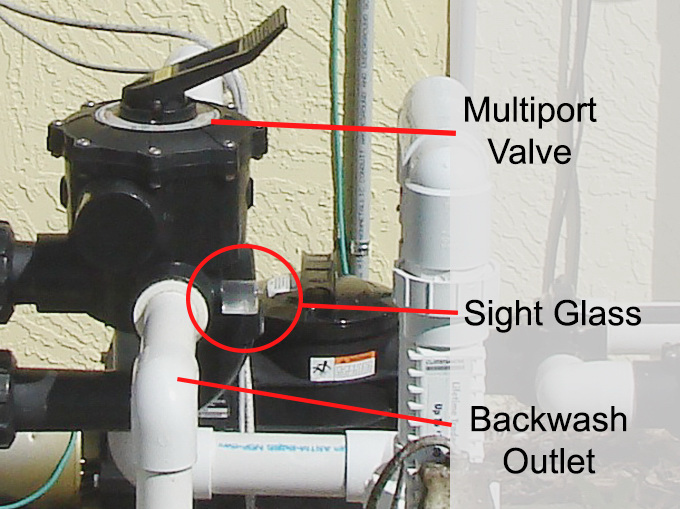
A pool pump backwash valve is a plumbing valve that controls the flow of water during the backwashing process. It is typically installed between the pool filter and the return line, allowing water to bypass the filter and be discharged to waste during backwashing.
Purpose
The purpose of a pool pump backwash valve is to facilitate the cleaning of the filter media by reversing the flow of water. By doing so, it dislodges trapped dirt, debris, and contaminants from the filter, which are then flushed out of the system. This helps maintain water clarity and ensures the filter operates at its maximum efficiency.
Types of Pool Pump Backwash Valves
There are several types of pool pump backwash valves available in the market, each with its own mechanism and design. The three most common types are slide valves, push-pull valves, and multiport valves.
Slide Valve
The slide valve, also known as a butterfly valve, is a simple yet effective design. It features a handle that slides back and forth to control water flow. When the handle is positioned towards the filter, water flows through the filter, and when it is positioned towards the waste outlet, water bypasses the filter and is discharged to waste.
Push-Pull Valve
The push-pull valve operates by pulling up or pushing down a handle to control water flow. Similar to the slide valve, pulling up on the handle directs water to the filter, while pushing it down routes water to waste.
Multiport Valve
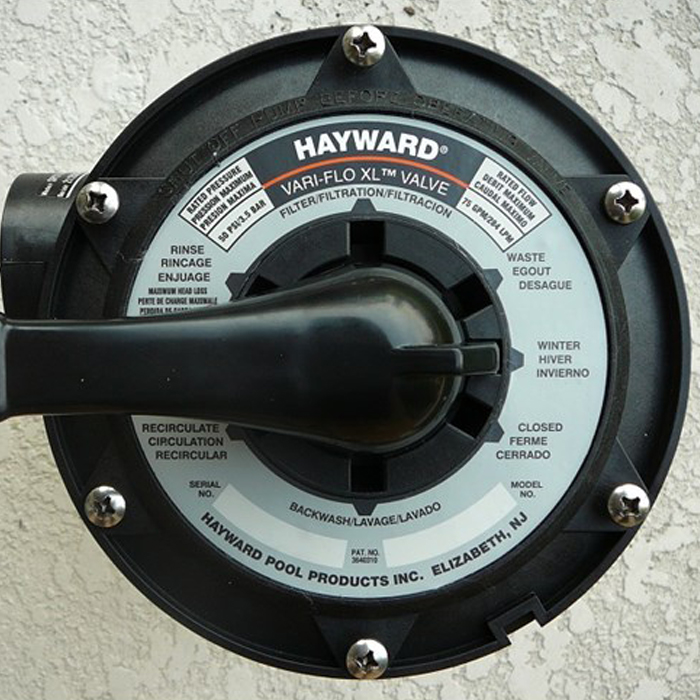
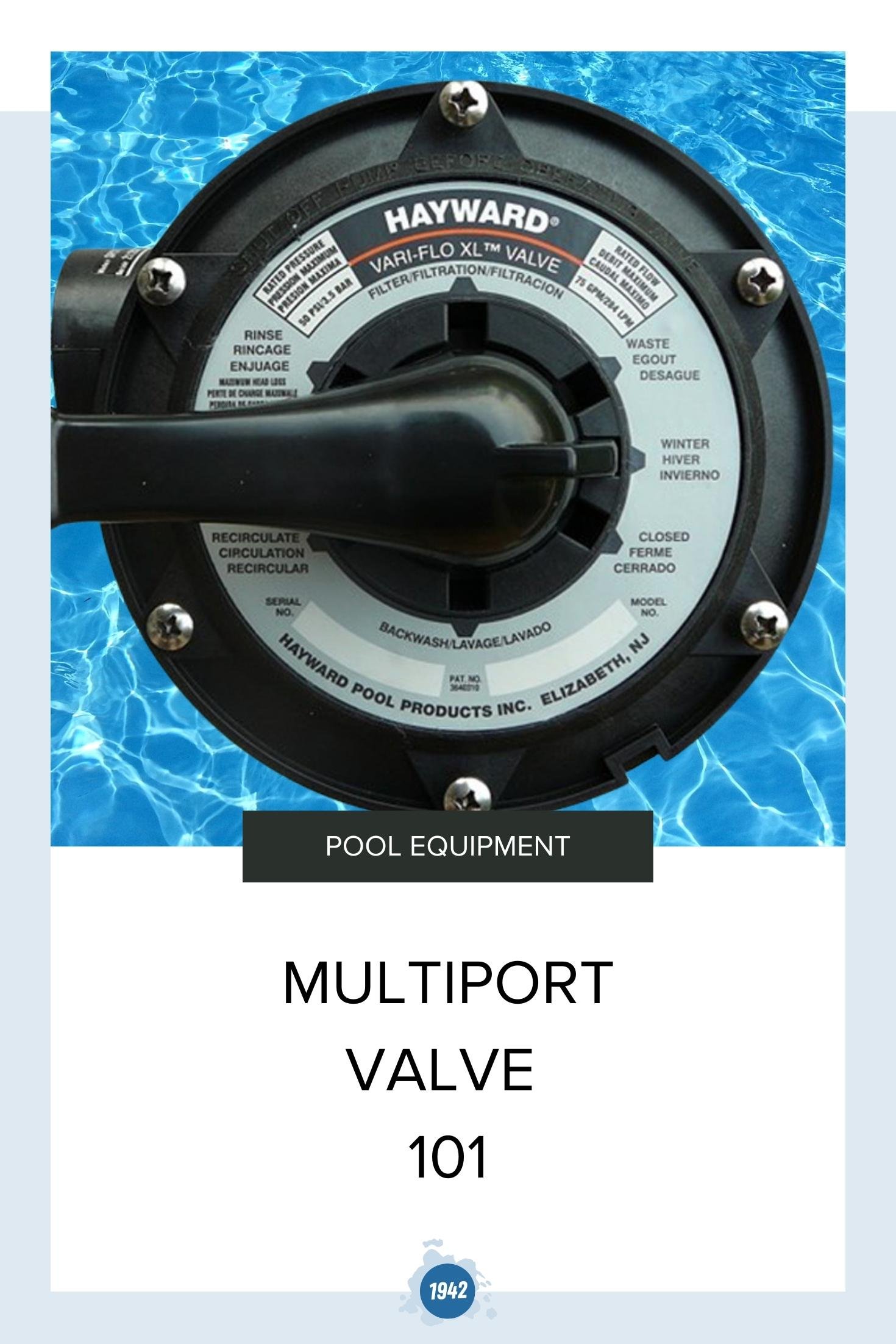
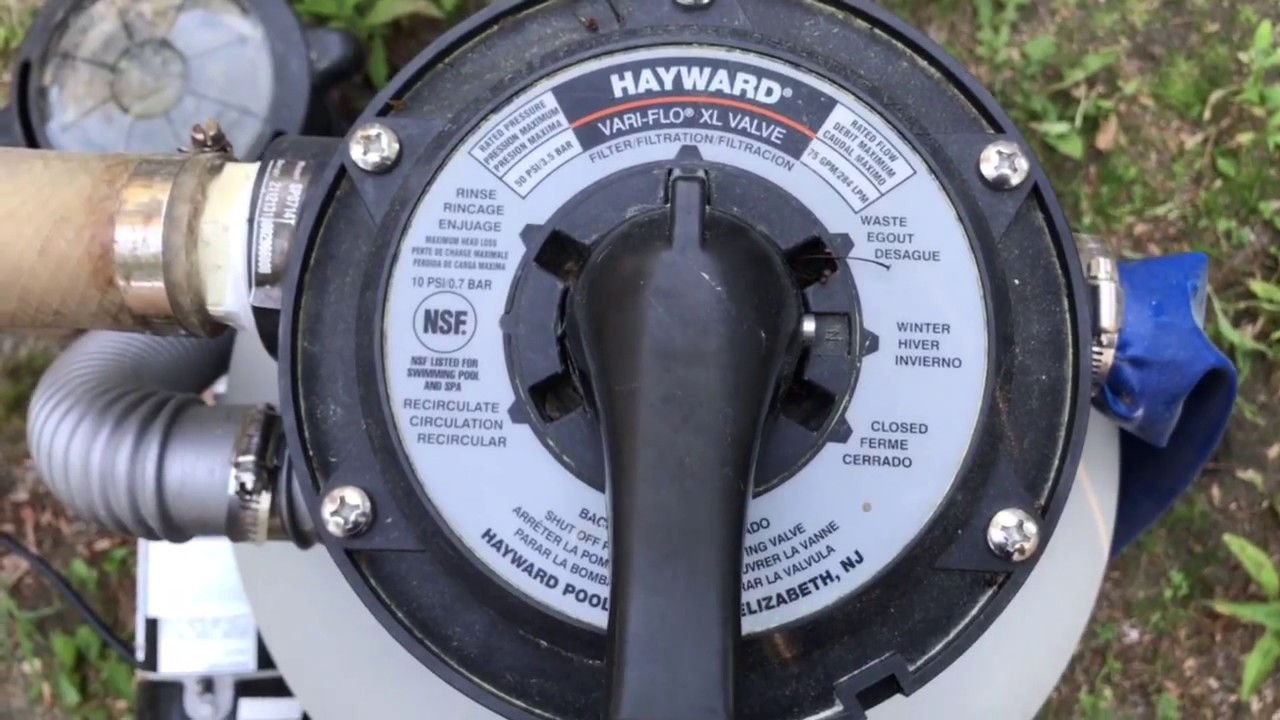
The multiport valve, also known as a multiport selector valve, is the most versatile option. It features multiple ports or positions, each serving a different function. The different positions include filter mode, backwash mode, rinse mode, waste mode, and recirculate mode. By rotating the handle to the desired position, the valve controls the flow of water accordingly.
Function of Pool Pump Backwash Valves
Cleaning the Filter Media
One of the primary functions of a pool pump backwash valve is to clean the filter media. Over time, dirt, debris, and contaminants accumulate in the filter, reducing its efficiency. By reversing the flow of water, the backwash valve dislodges and flushes out trapped particles and debris, effectively cleaning the filter media.
Removing Debris and Contaminants
In addition to cleaning the filter media, a pool pump backwash valve also serves to remove debris and contaminants from the pool. During the backwashing process, water bypasses the filter and is discharged to waste, carrying with it any large debris, leaves, or other unwanted particles that may have found their way into the pool.
Importance of Regular Backwashing
Regular backwashing is essential for the proper maintenance of a swimming pool’s filtration system. It plays a crucial role in maintaining water clarity and optimizing filter efficiency.
Maintaining Water Clarity
Backwashing helps maintain water clarity by removing trapped dirt, debris, and contaminants from the filter. Without regular backwashing, these particles can accumulate in the filter, leading to reduced water flow and increased pressure. This can result in cloudy or dirty water, negatively impacting the overall swimming experience.
Optimizing Filter Efficiency
Backwashing also optimizes the efficiency of the pool filter. As the filter media becomes clogged with debris, it restricts water flow and increases the pressure inside the filter. This not only reduces the filter’s performance but also puts a strain on the pool pump. By regularly backwashing, the filter operates at its maximum efficiency, reducing strain on the pump and prolonging the lifespan of the entire filtration system.
Tips for Using a Pool Pump Backwash Valve
To ensure the proper functioning of a pool pump backwash valve and maximize its effectiveness, it is important to follow a few key tips and guidelines.
Follow Manufacturer’s Instructions
Always refer to the manufacturer’s instructions when using a pool pump backwash valve. Different valves may have specific instructions or requirements, such as the optimum duration for backwashing or any additional steps that need to be taken. By following the manufacturer’s guidelines, you can ensure the valve is used correctly.
Avoid Overbackwashing
While regular backwashing is necessary, it is important to avoid overbackwashing. Backwashing too frequently can result in the loss of water and chemicals, leading to imbalanced pool chemistry and wasteful water consumption. It is recommended to backwash when the filter’s pressure gauge indicates a rise in pressure, typically around 7-10 psi above the clean pressure.
Monitor Filter Pressure
Regularly monitor the pressure gauge on your pool filter to determine when backwashing is required. As debris accumulates in the filter, it increases the pressure inside. By regularly checking the pressure gauge, you can identify when it is time to backwash and maintain optimal filter performance.
Common Problems with Pool Pump Backwash Valves
While pool pump backwash valves are generally reliable, they can encounter a few common problems that may require troubleshooting or maintenance.
Leaking Valves
One common problem is leaking valves. This can occur if the valve is not properly sealed or if the seals and gaskets are worn out. It is important to inspect the valve for any signs of leakage and replace any damaged components promptly to prevent further issues.
Sticky or Stuck Valves
Occasionally, pool pump backwash valves can become sticky or stuck, making it difficult to move the handle or switch between positions. This can be caused by debris or mineral deposits accumulating in the valve mechanism. Regular cleaning and maintenance can prevent this problem from occurring.
Improper Sealing
Improper sealing is another common problem that can lead to leaks or poor valve performance. It is important to ensure all seals, gaskets, and o-rings are in good condition and properly installed. If there are any signs of wear or damage, they should be replaced to maintain a proper seal.
Troubleshooting and Maintenance
To keep a pool pump backwash valve in optimal working condition, regular troubleshooting and maintenance are necessary. This ensures the valve functions effectively and prevents any potential issues from arising.
Inspecting and Cleaning the Valve
Regularly inspect the pool pump backwash valve for any signs of damage, leaks, or blockages. Clean the valve, removing any debris or mineral deposits that may have accumulated. This can be done using a soft brush and mild soap or a compatible cleaner recommended by the manufacturer.
Replacing Seals and Gaskets
If the valve is leaking or not sealing properly, it may be necessary to replace the seals and gaskets. Ensure that the replacement parts are compatible with your specific valve model and follow the manufacturer’s instructions for installation. Regularly check the condition of the seals and gaskets and replace them as needed.
Installation of Pool Pump Backwash Valves
Proper installation of a pool pump backwash valve is crucial to its functionality and performance. It involves positioning and mounting the valve correctly and connecting the plumbing lines.
Positioning and Mounting
The valve should be positioned after the pool filter and before the return line. Make sure it is easily accessible for operation and maintenance. Mount the valve securely using the provided hardware or following the manufacturer’s instructions.
Connecting Plumbing Lines
Connect the plumbing lines to the corresponding ports on the backwash valve. Ensure the connections are tight and properly sealed using appropriate fittings, clamps, or glue. It is important to follow the specific instructions provided by the valve manufacturer, as different valves may have different plumbing requirements.
Compatibility with Pool Filter Systems
When choosing a pool pump backwash valve, it is important to consider its compatibility with your pool filter system. Factors such as valve size and compatibility with different filter types should be taken into account.
Matching Valve Size with Filter Diameter
Make sure to select a valve that matches the diameter of your pool filter. Using a valve with the wrong size can result in poor flow control and reduced efficiency. Refer to the manufacturer’s guidelines or consult with a pool professional to ensure the correct valve size for your filter.
Compatibility with Sand, DE, and Cartridge Filters
Different types of pool filters, such as sand, diatomaceous earth (DE), and cartridge filters, may have different requirements for backwashing. Ensure that the backwash valve you choose is compatible with your specific filter type and can handle the flow rate and pressure requirements.
Choosing the Right Pool Pump Backwash Valve
When selecting a pool pump backwash valve, several considerations should be taken into account to ensure you choose the right valve for your pool’s needs.
Considerations for Valve Size
Choosing the correct valve size is crucial for optimal performance. Consider the diameter of your pool filter and choose a valve that matches. It is also important to consider the flow rate and pressure requirements of your pool system to ensure the valve can handle the load.
Budget and Brand Considerations
Take into account your budget and the reputation of the brand. While it is important to stay within your budget, investing in a reputable brand can ensure better quality and longevity. Research customer reviews and ratings to get an idea of the reliability and performance of different brands.
Valve Features and Durability
Consider the features offered by different backwash valves and choose based on your specific needs. Features such as ease of operation, durability, and ease of maintenance can greatly enhance the overall experience. Look for valves made of durable materials that can withstand harsh pool environments and provide long-lasting performance.
In conclusion, a pool pump backwash valve is an essential component of a swimming pool’s filtration system. It allows for the cleaning of the filter media, removing debris and contaminants, and maintaining water clarity. Regular backwashing is crucial for optimal filter efficiency. Following the manufacturer’s instructions, avoiding overbackwashing, and monitoring filter pressure can ensure effective use of the valve. Common problems such as leaking or sticking valves can be addressed through proper troubleshooting and maintenance. When choosing a pool pump backwash valve, consider factors such as compatibility with filter systems, valve size, budget, brand, and features. By selecting the right valve and following proper installation and maintenance procedures, you can ensure a clean and well-maintained swimming pool for your enjoyment.