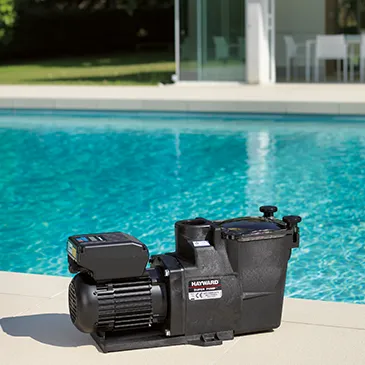
So, you’ve invested in a 2-speed pool pump, but now you’re faced with the burning question: how long should you actually run it for? Well, fret no more, because in this article, we’re going to explore the optimal running time for your 2-speed pool pump. By understanding the factors that come into play and considering the specific needs of your pool, you’ll be well-equipped to make the most of your pump’s efficiency and keep your pool sparkling all season long. So, let’s dive right in and find out exactly how long you should be running your 2-speed pool pump!
Factors to Consider
Pool Size
When determining how long to run your 2-speed pool pump, one of the key factors to consider is the size of your pool. The larger the pool, the more time it will take for the pump to properly circulate and filter the water. A general rule of thumb is to run the pump for at least one cycle, which typically takes around 8 to 12 hours, depending on the size of your pool. However, larger pools may require longer run times to adequately maintain water clarity and cleanliness.
Pool Usage
Another important factor to consider is how often and how intensively your pool is used. If you have a busy household with frequent pool use, it may be necessary to run the pump for longer periods of time to ensure proper water circulation and filtration. Similarly, if you frequently host pool parties or have a large number of swimmers, you may need to increase the pump run time to compensate for the increased debris and contaminants introduced to the water.
Water Temperature
The temperature of the water in your pool can also impact the recommended run time for your 2-speed pump. Warmer water tends to encourage the growth of algae and bacteria, so it is important to run the pump for longer periods of time to prevent these issues. Conversely, if you live in a cooler climate or use a pool cover to maintain water temperature, you may be able to reduce the run time without compromising water quality.
Filtration Efficiency
The efficiency of your pool pump’s filtration system is crucial in determining the appropriate run time. If your pump has a high-quality filtration system with excellent flow rate and filtration capabilities, you may be able to run the pump for shorter periods of time while still achieving optimal water quality. On the other hand, if your pump’s filtration system is not as efficient, you may need to run the pump for longer periods to compensate for any limitations.
Manufacturer Recommendations
Check the Owner’s Manual
It is always a good idea to consult the owner’s manual for your 2-speed pool pump to determine the manufacturer’s recommended run time. The manual will typically provide specific guidelines based on the pump’s specifications, including the pool size it is designed to accommodate and the recommended run time for optimal performance. Taking the time to review the manual will ensure that you are properly maintaining your pump and maximizing its efficiency.
Contact the Manufacturer
If you are uncertain about the recommended run time or have specific questions about your 2-speed pool pump, don’t hesitate to contact the manufacturer directly. They will have the most accurate and up-to-date information regarding their product and can provide personalized recommendations based on your pool’s unique characteristics. Getting in touch with the manufacturer will give you peace of mind and help you make informed decisions about your pool pump’s run time.
Minimum Recommended Run Time
Determining the Minimum Run Time
To determine the minimum run time for your 2-speed pool pump, it is important to consider several factors. First, calculate the total volume of water in your pool by multiplying the length, width, and average depth. Next, you need to determine the turnover rate, which is the number of times the entire volume of water should pass through the filter each day. The generally recommended turnover rate is around 2 to 3 times per day for residential pools, but this can vary depending on factors such as pool usage and water quality. Finally, divide the total run time for one day by the turnover rate to get the minimum run time per cycle.
Preventing Algae Growth
Algae growth is a common issue in pools, especially in warmer climates or during periods of high humidity. To prevent algae growth and maintain water clarity, it is important to ensure that your 2-speed pool pump runs for a sufficient amount of time. Algae thrive in stagnant water, so running the pump for at least one full cycle per day will disrupt their growth and keep your pool clean and clear. Consider increasing the run time during hot summer months or when experiencing heavy rain, as these conditions can promote algae growth.
Maintaining Water Clarity
In addition to preventing algae growth, running your 2-speed pool pump for an adequate amount of time is essential for maintaining water clarity. The pump’s filtration system removes dirt, debris, and other contaminants from the water, leaving it clean and safe for swimming. Insufficient run time can result in poor water circulation and compromised filtration, leading to cloudy or murky water. By ensuring that your pump runs for the recommended minimum time, you can enjoy sparkling clear water and a pristine swimming experience.
Energy Efficiency
Switching to Low-Speed
One of the key advantages of a 2-speed pool pump is its ability to operate at different speeds, including a lower energy-saving speed. Switching your pump to the low-speed setting can significantly reduce energy consumption while still maintaining proper water circulation. Running the pump on low speed for longer periods of time can be just as effective as running it on high speed for shorter periods, all while saving energy and reducing your electricity costs.
Calculating Energy Savings
If you are considering switching to low speed on your 2-speed pool pump, it is natural to wonder about the potential energy savings. To calculate the energy savings, you need to know the wattage of your pump at both high and low speeds, as well as the run time for each speed setting. The energy savings can then be determined by comparing the wattage used at high speed for a specific run time with the wattage used at low speed for the equivalent run time. This calculation will help you understand the potential energy efficiency benefits of running your pump on low speed.
Water Circulation
Ensuring Proper Water Circulation
Proper water circulation is crucial for maintaining a healthy and balanced pool environment. When your 2-speed pool pump is running, it creates a current that circulates the water, ensuring that all areas of the pool are reached and filtered. To ensure optimal water circulation, it is important to run the pump for a sufficient amount of time. A longer run time allows the water to be thoroughly circulated, reducing the risk of stagnant areas where bacteria and algae can thrive. Adequate water circulation also helps evenly distribute chemicals, ensuring effective disinfection and balancing of the pool water.
Reducing Chemical Imbalance
Insufficient water circulation can lead to stagnant areas in your pool, which can contribute to chemical imbalances. When chlorine and other sanitizers are not circulated properly, they may not reach all areas of the pool, resulting in uneven distribution and increased demand for chemicals. By running your 2-speed pool pump for the recommended amount of time, you can help prevent chemical imbalances and maintain consistent water quality throughout your pool.
Preventing Stagnant Water
Stagnant water can create an ideal breeding ground for harmful bacteria, algae, and other pathogens. By running your 2-speed pool pump for an adequate amount of time, you can effectively prevent stagnant water and reduce the risk of waterborne illnesses. The motion created by the pump’s circulation helps disturb and dislodge any potential contaminants, keeping your pool water fresh and safe for swimming. Regular and proper water circulation is essential for a clean and healthy pool environment.
Reducing Wear and Tear
Lowering Pump Speed
Running your 2-speed pool pump on low speed not only saves energy but also helps reduce wear and tear on the pump’s components. The lower speed puts less strain on the motor and can extend the lifespan of the pump, ultimately saving you money on repairs or replacements. By reducing the pump speed and running for longer periods of time, you can achieve the desired water circulation while minimizing stress on the pump’s mechanical parts.
Extending Equipment Lifespan
Proper maintenance and care play a significant role in extending the lifespan of your pool pump and other equipment. By following the manufacturer’s recommended run time for your 2-speed pump and ensuring regular maintenance, you can significantly prolong the life of your equipment. Running the pump for the appropriate amount of time helps reduce strain on its components, while regular maintenance checks ensure that any potential issues are addressed before they become major problems. By taking these measures, you can save money in the long run by avoiding costly repairs or premature replacements.
Consideration for Saltwater Pools
Saltwater Pool Requirements
If you have a saltwater pool, there are additional considerations to keep in mind when determining the run time for your 2-speed pump. Saltwater pools often require longer run times compared to traditional chlorine pools. Saltwater chlorinators generate chlorine by converting salt into hypochlorous acid, which requires continuous circulation for effective distribution. To maintain the appropriate chlorine levels and prevent issues such as algae growth, it may be necessary to run the pump for longer periods to ensure proper mixing and chlorine distribution.
Balancing Salt Chlorine Generator
In addition to running the pump for a longer period of time, ensuring the proper balance of chemicals in a saltwater pool is essential. This includes regularly testing and adjusting the salt and chlorine levels to ensure optimal performance of the salt chlorine generator. This generator relies on the right balance of salt and chlorine to effectively sanitize the water. By following the manufacturer’s guidelines and consulting with a pool professional, you can ensure that your saltwater pool operates efficiently and maintains the desired water quality.
Professional Advice
Consulting with a Pool Professional
If you are unsure about the recommended run time for your 2-speed pool pump or have any specific concerns about your pool, it is always a good idea to consult with a pool professional. They have the knowledge and expertise to evaluate your pool’s unique characteristics and provide personalized recommendations. A pool professional can help you determine the optimal run time based on factors such as pool size, usage, and water quality, ensuring that your pool remains clean, clear, and properly maintained.
Getting a Pool Pump Timer
Installing a pool pump timer can be a convenient and efficient way to manage the run time of your 2-speed pool pump. A timer allows you to automate the pump’s operation, ensuring that it runs for the desired period without requiring manual intervention. This eliminates the risk of forgetting to start or stop the pump and helps maintain a consistent schedule. A pool pump timer can also help save energy by allowing you to program the pump to run during off-peak hours, when electricity rates may be lower. By investing in a pool pump timer, you can take the guesswork out of managing your pump’s run time and enjoy a hassle-free pool maintenance experience.
Testing and Adjusting Run Time
Testing Initial Run Time
When determining the optimal run time for your 2-speed pool pump, it may be necessary to conduct some initial testing. Start by running the pump for the manufacturer-recommended minimum run time and observe the water quality and clarity. Conduct regular water tests to monitor the chlorine levels, pH, and other chemical parameters. If you notice any issues such as cloudy water or insufficient sanitizer levels, it may be an indication that the current run time is inadequate.
Adjusting Run Time According to Results
Based on the initial testing results, you can make adjustments to the run time of your 2-speed pool pump. If the water quality is satisfactory and chemical levels are well within the desired range, you may be able to reduce the run time slightly to achieve energy savings. On the other hand, if the water quality is not up to par, consider increasing the run time in increments of 1 to 2 hours until the desired results are achieved. Regular monitoring and adjustment of the run time based on the actual performance of your pool will help ensure optimal water quality and savings in the long run.
Pool Pump Maintenance
Regular Maintenance Schedule
Proper maintenance is vital for the longevity and efficient operation of your 2-speed pool pump. Establishing a regular maintenance schedule will help you stay on top of important tasks and ensure that your pump remains in peak condition. This schedule should include tasks such as regular inspection of the pump and its components, checking for leaks or unusual noises, cleaning or replacing filters as needed, and lubricating moving parts. Following the manufacturer’s guidelines for maintenance and adhering to the recommended schedule will help prevent issues and keep your pump running smoothly.
Cleaning the Pool Pump
Regular cleaning of your 2-speed pool pump is essential for optimal performance and longevity. This includes cleaning the pump basket, which collects debris and prevents it from entering the pump and its components. Remove any leaves, twigs, or other debris that may have accumulated in the basket, and rinse it with water to ensure proper flow. It is also important to regularly clear any debris from the impeller, which can impede water flow and reduce the pump’s efficiency. By keeping the pump clean and free from debris, you can maximize its effectiveness and minimize the risk of damage or clogs.
Checking and Replacing Parts
As with any mechanical equipment, the parts of your 2-speed pool pump can wear out over time and may need to be replaced. Regularly inspecting the pump’s components, such as seals, O-rings, and gaskets, will help identify any signs of wear or damage. If you notice leaks, unusual noises, or decreased pump performance, it may be necessary to replace these parts. It is important to use genuine manufacturer parts to ensure compatibility and maintain the pump’s warranty. By promptly addressing any issues and replacing worn parts, you can extend the life of your 2-speed pool pump and avoid more costly repairs in the future.
In conclusion, determining the appropriate run time for your 2-speed pool pump involves considering factors such as pool size, usage, water temperature, and filtration efficiency. It is important to consult the owner’s manual and contact the manufacturer for specific recommendations. Additionally, factors such as energy efficiency, water circulation, and maintenance should be taken into account to optimize the performance and lifespan of your pump. By following these guidelines and periodically testing and adjusting the run time based on the actual performance of your pool, you can enjoy clean, clear, and well-maintained water for all your swimming needs. Remember to consult with a pool professional for personalized advice and consider investing in a pool pump timer for convenient and efficient operation. With proper care and maintenance, your 2-speed pool pump will provide years of reliable service and keep your pool in top condition.