Imagine relaxing by your pool on a sunny day, enjoying the cool water and basking in the warmth. But suddenly, you notice something off with your pool’s performance. Your water circulation seems weaker, and there’s an odd noise coming from the pump. What could be the problem? The answer might lie in the often overlooked but crucial component of your pool system – the pool pump pressure gauge. In this article, we will explore the importance of pool pump pressure gauges and how they can help you maintain a healthy and efficient pool. Get ready to dive into the world of pool maintenance and discover the simple yet significant role these gauges play in keeping your pool water pristine.
What is a Pool Pump Pressure Gauge?
Definition
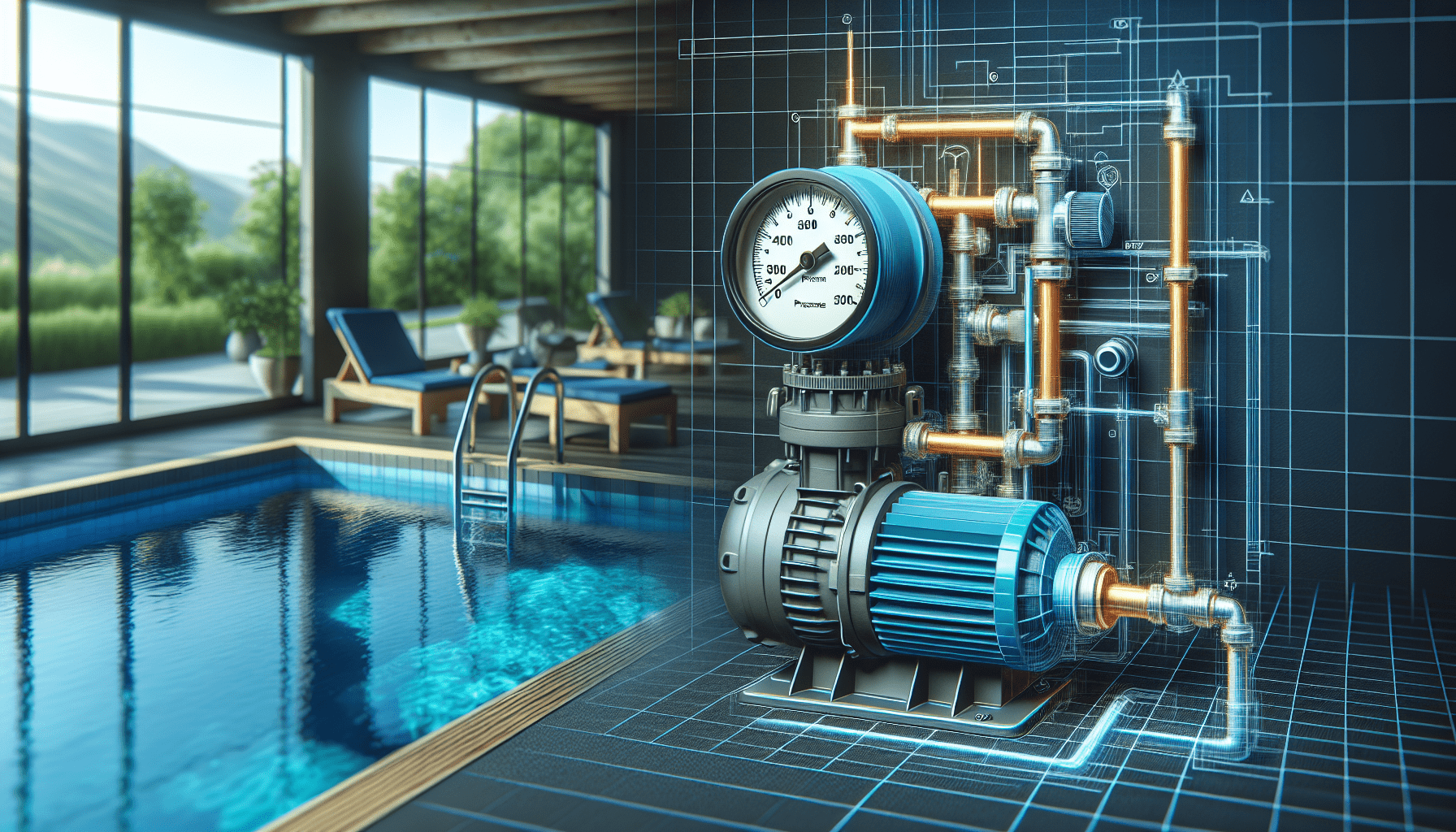
A pool pump pressure gauge is a device that measures the pressure within the pool pump system. It is typically installed on the filter tank or pump housing and provides important information about the functioning of the pool pump. The gauge consists of a dial or digital display that shows the pressure reading in pounds per square inch (PSI).
Function
The main function of a pool pump pressure gauge is to monitor the pressure within the pool pump system. It measures the force that water exerts on the filter media, indicating how effectively the pump is working. By monitoring the pressure, pool owners can ensure that the pump is operating at an optimal level and take necessary action if any issues arise.
Importance of a Pool Pump Pressure Gauge
Monitor and Maintain Optimal Pressure
A pool pump pressure gauge is crucial for monitoring and maintaining optimal pressure within the pool pump system. Too high or too low pressure can indicate problems with the pump or filter, which can lead to inefficient water circulation and inadequate filtration. By regularly checking the pressure gauge, pool owners can ensure that the pump is operating within the recommended pressure range and make adjustments if necessary.
Detect and Resolve Issues
A pool pump pressure gauge plays a significant role in detecting and resolving potential issues before they turn into major problems. Sudden changes in pressure can indicate clogged or dirty filters, air leaks, or pump malfunctions. By noticing these changes early on through the pressure gauge, pool owners can take prompt action to fix the issue, preventing further damage to the pump system and ensuring clean and clear pool water.
Extend Equipment Lifespan
Properly monitoring and maintaining the pressure in the pool pump system using a pressure gauge can significantly extend the lifespan of various pool equipment. When the pump operates at the optimal pressure range, it reduces the strain on the motor, prolonging its longevity. Additionally, efficient filtration due to accurate pressure readings prevents debris and particles from damaging other components such as the filter, heater, or automatic pool cleaner.
Types of Pool Pump Pressure Gauges
Analog Gauges
Analog pressure gauges are traditional dial gauges that use a needle to indicate the pressure reading. They are simple to read and commonly found in older pool pump systems. Analog gauges typically have a pressure range of 0-60 PSI and are suitable for most residential pools. They are known for their durability and reliability, as they do not rely on batteries or electronics.
Digital Gauges
Digital pressure gauges use electronic sensors to measure and display the pool pump pressure. They have a digital display that shows the pressure reading in PSI or bar units. Digital gauges offer precise readings, often with higher accuracy than analog gauges. Some digital gauges also have additional features, such as built-in alarms or the ability to store pressure history. While digital gauges may require batteries or a power source, they provide convenience and ease of use.
Factors to Consider when Choosing a Pool Pump Pressure Gauge
Pressure Range
When selecting a pool pump pressure gauge, it is essential to consider the pressure range of the gauge. The pressure range should be suitable for your specific pool pump system. Most residential pool pumps operate within the range of 0-30 PSI, while larger commercial systems may require gauges with higher pressure ranges.
Accuracy
Accurate pressure readings are crucial for proper monitoring and maintenance of the pool pump system. Look for a pressure gauge that offers high accuracy, preferably within a +/- 2 PSI range. Digital gauges generally provide more precise readings compared to analog gauges.
Durability
Since a pressure gauge is exposed to the elements and constant pressure changes, it is essential to choose a durable and long-lasting gauge. Look for gauges with a robust construction, such as stainless steel or high-quality plastic materials, which can withstand corrosion and physical impact.
Ease of Installation
Consider the ease of installation when choosing a pool pump pressure gauge. Opt for gauges that come with clear instructions and compatible fittings for easy installation. Some gauges may require additional tools or adapters, so ensure that you have the necessary equipment on hand.
Compatibility
Ensure that the pressure gauge you choose is compatible with your pool pump system. Check the thread size and type required for installation, as well as the overall compatibility with your specific pump model. If unsure, consult the manufacturer or a professional pool technician for guidance.
How to Install a Pool Pump Pressure Gauge
Gather Required Tools
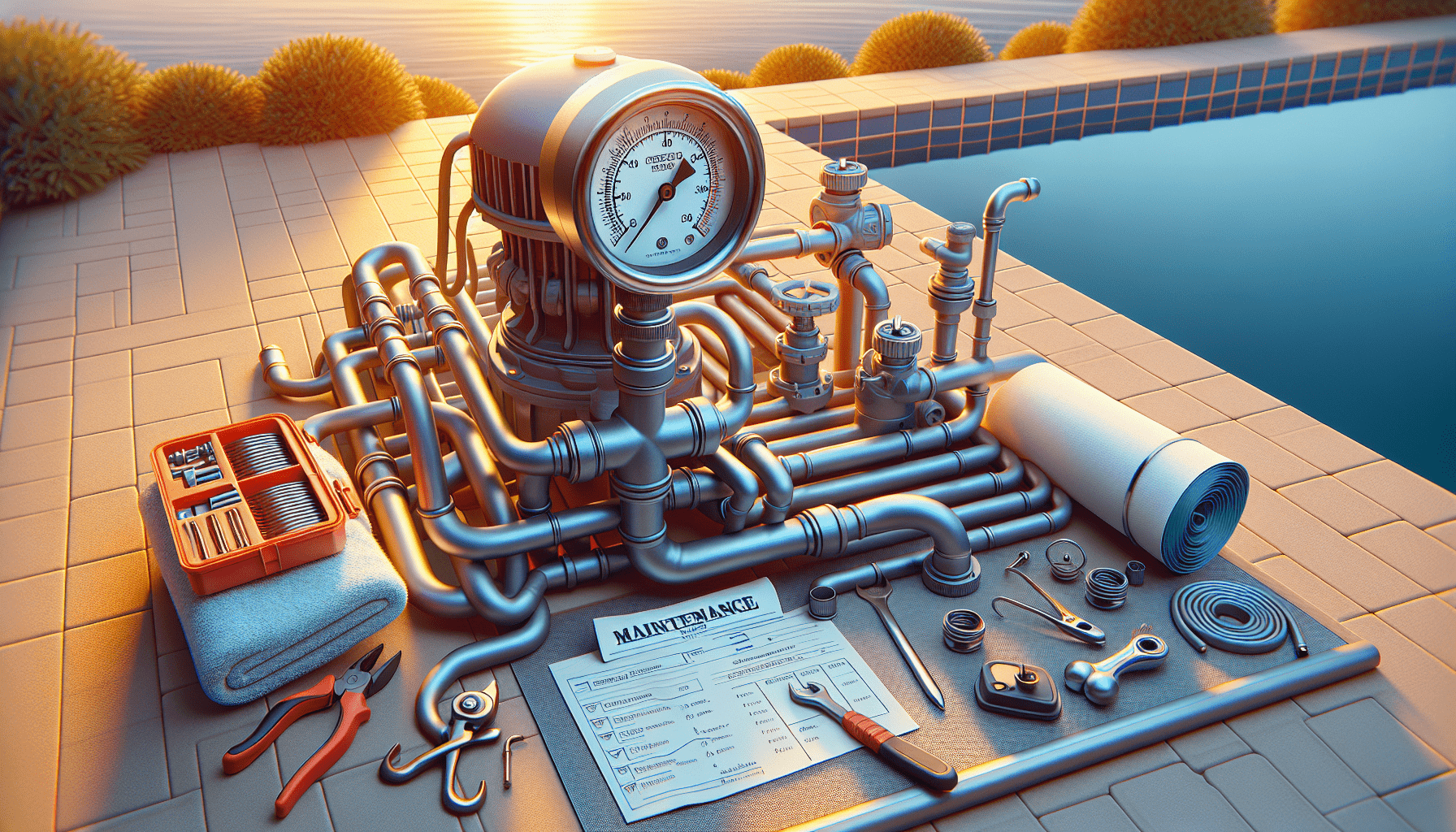
Before installing a pool pump pressure gauge, gather the necessary tools and equipment. You may need a wrench, plumber’s tape or Teflon tape, and a towel or rag.
Turn Off Power
Before working on any electrical equipment, turn off the power supply to the pool pump. This ensures safety during installation and prevents any accidental damage.
Release Pressure
To install a new pressure gauge, it is essential to release the pressure within the pool pump system. Locate the pressure release valve or air relief valve on the filter tank or pump housing and open it. Allow the air or water pressure to escape until there is no more pressure in the system.
Remove Old Gauge
Using a wrench, carefully loosen and remove the old pressure gauge from the pump or filter housing. Some gauges may have additional fittings or adapters that need to be removed. Be cautious not to damage any surrounding components while removing the old gauge.
Install New Gauge
Apply plumber’s tape or Teflon tape onto the threaded portion of the new pressure gauge. This helps create a watertight seal when installing the gauge. Carefully thread the new gauge into the appropriate opening on the pump or filter housing. Hand-tighten the gauge and ensure that it is properly aligned.
Tighten and Test
Using a wrench, gently tighten the pressure gauge until it is securely attached to the pump or filter housing. Take care not to overtighten, as it may damage the gauge or the housing. Once tightened, restore the power to the pool pump and observe the pressure reading on the gauge. Check for any leaks or abnormalities and ensure that the gauge is functioning correctly.
Common Issues with Pool Pump Pressure Gauges
Inaccurate Readings
Pool pump pressure gauges may sometimes provide inaccurate readings, which can lead to improper maintenance of the pump system. This issue is often caused by a faulty or damaged gauge. To resolve this problem, consider replacing the gauge with a new one that offers high accuracy and precision.
Leaking
Leaking around the pressure gauge can occur due to a loose connection between the gauge and the pump or filter housing. It can also be caused by a damaged or worn-out O-ring or gasket. To fix a leaking pressure gauge, ensure that the gauge is tightly secured and replace any faulty seals or gaskets.
Malfunctioning
Occasionally, pool pump pressure gauges may malfunction due to internal issues or electronic failures in digital gauges. If the gauge stops displaying the pressure accurately or stops functioning altogether, it may need to be replaced. Contact the manufacturer or consult a professional pool technician for proper diagnosis and replacement.
Maintenance Tips for Pool Pump Pressure Gauges
Regular Inspection
Perform regular visual inspections of the pressure gauge to ensure it is in good condition. Check for any signs of damage, such as cracks or corrosion, and make sure the display is clear and readable. Address any issues promptly to prevent further damage.
Cleaning
Clean the pressure gauge regularly to remove any dirt or debris that may accumulate on the dial or digital display. Use a damp cloth or sponge to wipe the surface of the gauge gently. Avoid using abrasive materials or harsh chemicals that could damage the gauge.
Calibration
To ensure accurate readings, consider calibrating the pressure gauge periodically. This is especially important for analog gauges, as they may become less accurate over time. Consult the manufacturer’s instructions or seek professional assistance for proper calibration procedures.
Troubleshooting Pool Pump Pressure Gauge Problems
Check for Loose Connections
If the pressure gauge is not displaying any reading or the reading is fluctuating, check for loose connections between the gauge and the pump or filter housing. Ensure that all fittings are tightly secured and properly aligned.
Verify Pressure Gauge Accuracy
If you suspect that the pressure gauge is providing inaccurate readings, verify its accuracy by comparing it to a known calibrated gauge. If there is a significant difference in the readings, consider replacing the gauge with a more reliable and accurate model.
Inspect for Damage or Blockages
If the pressure gauge is not functioning or showing abnormal readings, inspect for any physical damage or blockages. Check for cracks, water damage, or debris that may be obstructing the pressure sensor or the gauge mechanism. If necessary, clean or replace the gauge to resolve the issue.
Where to Buy Pool Pump Pressure Gauges
Local Pool Supply Stores
Local pool supply stores or pool equipment retailers are excellent places to purchase pool pump pressure gauges. They offer a wide selection of gauges, allowing you to choose the one that best suits your needs. Additionally, the staff at these stores can provide guidance and recommendations based on your specific pool pump system.
Online Retailers
Online retailers, such as e-commerce platforms or pool equipment websites, also offer a comprehensive range of pool pump pressure gauges. Online shopping provides the convenience of browsing various options, reading customer reviews, and comparing prices and features. However, ensure that you purchase from reputable sellers to guarantee the quality and authenticity of the product.
Conclusion
A pool pump pressure gauge is an essential tool for effectively monitoring and maintaining the pressure within the pool pump system. By choosing the right gauge, installing it correctly, and conducting regular maintenance, pool owners can ensure optimal pump performance, prolong equipment lifespan, and enjoy clean and clear pool water. Remember to consider factors such as pressure range, accuracy, durability, ease of installation, and compatibility when selecting a pressure gauge. With proper care and attention, a pool pump pressure gauge can contribute to the overall health and longevity of the pool’s filtration system.