Looking to upgrade your pool pump? Look no further than the efficient and cost-effective solution of single-speed pool pumps. Designed with simplicity in mind, these pumps offer a reliable and consistent flow of water, ensuring crystal clear pool water at all times. Whether you’re a pool enthusiast or a homeowner looking to create a backyard oasis, single-speed pool pumps are the perfect choice for keeping your pool water clean and refreshing. Say goodbye to complicated settings and hello to a pump that gets the job done effortlessly!

What are Single-Speed Pool Pumps?
Definition
A single-speed pool pump is a type of pump specifically designed to circulate water in swimming pools. It operates at a constant speed, typically at a single fixed horsepower, hence the name “single-speed.” These pumps have been widely used for many years and are the traditional choice for pool owners.
Function
The main function of a single-speed pool pump is to circulate water in the pool. It pulls water through the pool’s filtration system, which helps remove debris, contaminants, and other impurities. The pump then pushes the clean water back into the pool. By constantly circulating the water, single-speed pool pumps help maintain water quality and prevent stagnation.
Benefits
Single-speed pool pumps offer several benefits to pool owners. Firstly, they are generally more affordable compared to other pump options, making them a budget-friendly choice for those looking to save costs. Additionally, single-speed pumps are simple and straightforward to operate. Finally, they are known for their reliability and durability, ensuring that they can provide consistent performance for a long time.
How do Single-Speed Pool Pumps Work?
Working Principle
The working principle of a single-speed pool pump involves a motor and an impeller. When the pump is turned on, the motor drives the impeller, which creates a centrifugal force that propels the water through the pump. As the water passes through the pump, it goes through the filtration system, where dirt and debris are trapped, and clean water is returned to the pool.
Components
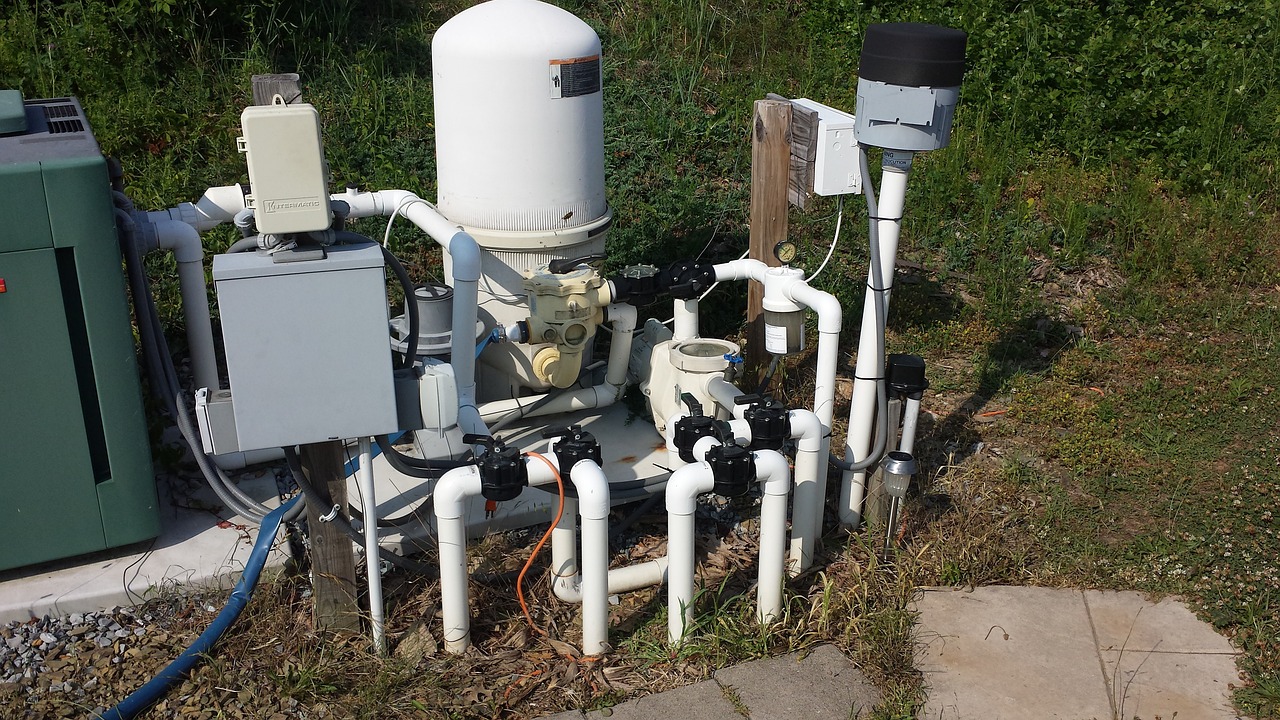
Single-speed pool pumps consist of several key components. These include the motor, impeller, strainer basket, housing, and control system. The motor is responsible for driving the impeller, while the strainer basket collects debris and prevents it from clogging the pump. The housing encloses all the components and provides protection. The control system allows users to turn the pump on and off easily.
Flow Rate
The flow rate of a single-speed pool pump refers to the amount of water it can circulate within a specific timeframe. The flow rate is determined by the pump’s horsepower (HP) and the resistance offered by the plumbing and filtration system. It is important to choose a pump with a flow rate that matches the size of the pool to ensure efficient circulation and optimal filtration.
Energy Consumption
Single-speed pool pumps are known for their high energy consumption. Since they operate at a fixed speed, they are always running at full power, even when the pool does not require maximum circulation. This constant use of energy can significantly contribute to high electricity bills. Pool owners should be aware of the energy consumption of single-speed pumps and consider alternatives if energy efficiency is a priority.

Advantages of Single-Speed Pool Pumps
Affordability
One significant advantage of single-speed pool pumps is their affordability. They are typically less expensive to purchase compared to other pump options, making them an attractive choice for pool owners on a budget. If cost is a primary consideration, a single-speed pump can provide adequate circulation at a lower upfront investment.
Simplicity
Another advantage of single-speed pool pumps is their simplicity. They have a straightforward design and operation, making them user-friendly for pool owners of all skill levels. With a simple on/off control system, they are easy to operate and require minimal maintenance. This simplicity can save pool owners both time and effort in managing their pool pump.
Reliability
Single-speed pool pumps have a reputation for their reliability and durability. These pumps have been used for many years and have stood the test of time. Their consistent performance and long lifespan make them a trusted choice for pool owners. With proper maintenance and care, a single-speed pump can provide reliable service for many pool seasons.
Disadvantages of Single-Speed Pool Pumps
High Energy Consumption
One major disadvantage of single-speed pool pumps is their high energy consumption. Since these pumps operate at a fixed speed, they are constantly running at full power, even when the pool may not require maximum circulation. This results in excessive energy usage and higher electricity bills. Pool owners looking for more energy-efficient options may consider alternatives to single-speed pumps.
Limited Control
Single-speed pool pumps offer limited control over the flow rate. With a single fixed speed, it is not possible to adjust the pump’s power according to the pool’s specific needs. This lack of control may lead to either overcirculation or undercirculation, potentially impacting water quality and pool maintenance. Pool owners who value precise control over water circulation may prefer other pump options.
Noise Levels
Another disadvantage of single-speed pool pumps is the noise they produce during operation. The constant high-speed operation of these pumps can generate noticeable noise levels, which may be a nuisance for pool owners and their neighbors. If noise pollution is a concern, it is worth considering quieter alternatives, such as variable-speed or two-speed pumps.

Considerations When Choosing a Single-Speed Pool Pump
Pool Size
When choosing a single-speed pool pump, the size of the pool is a crucial factor. The pump’s flow rate should be matched to the volume of the pool to ensure efficient and effective water circulation. Pool owners should calculate the gallons per minute (GPM) required for their pool and select a pump with an appropriate flow rate to meet those needs.
Flow Rate
The flow rate of a single-speed pool pump is determined by its horsepower and the resistance offered by the plumbing and filtration system. Understanding the flow rate required for optimal circulation is essential. It is recommended to consult with a pool professional or refer to manufacturer guidelines to select a pump with the appropriate flow rate for the specific pool setup.
Energy Efficiency
While single-speed pool pumps may not be the most energy-efficient option, selecting a model with high energy efficiency can still help mitigate excessive electricity consumption. Look for pumps that have earned an Energy Star certification or meet specific energy efficiency standards. Investing in a more energy-efficient pump can lead to long-term savings on utility bills.
Noise Level
Consider the noise level of the pump when making a selection. Some models of single-speed pool pumps have noise-reduction features built in, which can help minimize the sound produced during operation. If noise control is important, ensure that the chosen pump has noise-reduction capabilities or explore quieter alternatives, such as variable-speed pumps.
Installation
Proper installation of a single-speed pool pump is crucial for optimal performance and longevity. It is recommended to hire a professional or consult with a pool expert to ensure the pump is correctly installed. Improper installation can lead to poor circulation, increased energy consumption, and potentially costly repairs.
Maintenance and Care for Single-Speed Pool Pumps
Regular Cleaning
Regular cleaning is essential to maintain the efficiency of a single-speed pool pump. The strainer basket should be regularly emptied or cleaned to prevent clogs and keep the pump running smoothly. Additionally, inspecting the pump for any debris accumulation or obstructions and cleaning it as necessary can help prolong its lifespan.
Checking for Leaks
Pool owners should regularly inspect the pump for any signs of leaks. Leaks can cause water damage, reduce the pump’s efficiency, and lead to costly repairs. Ensure that all connections and fittings are tight and secure. If there are any signs of leakage, promptly address the issue to prevent further damage and potential water loss.
Replacing Worn-Out Parts
Over time, certain components of a single-speed pool pump may wear out and require replacement. The impeller, seals, O-rings, and motor bearings are common parts that may need replacing. Regularly inspect these components and consult with a pool professional or refer to the manufacturer’s guidelines for recommended replacement intervals. Replacing worn-out parts in a timely manner can help maintain the pump’s performance and prevent costly breakdowns.
Alternatives to Single-Speed Pool Pumps
Variable-Speed Pumps
Variable-speed pool pumps offer more control over flow rates by allowing users to adjust the pump’s speed according to their pool’s specific needs. These pumps are generally more energy-efficient, as they can operate at lower speeds when maximum circulation is not required. Variable-speed pumps also tend to produce less noise during operation compared to single-speed pumps.
Two-Speed Pumps
Two-speed pool pumps provide an intermediate option between single-speed and variable-speed pumps. They can operate at both high and low speeds, allowing pool owners to adjust the flow rate depending on their pool’s requirements. Two-speed pumps offer more control compared to single-speed pumps while providing some energy savings.
Eco-Friendly Options
For pool owners seeking eco-friendly options, there are pumps available that prioritize energy efficiency and environmental impact. Some models are designed with advanced technology to maximize performance while minimizing energy consumption. These pumps may have features such as variable speeds, energy-saving timers, and advanced filtration capabilities.
Cost of Single-Speed Pool Pumps
Initial Purchase Cost
One of the primary advantages of single-speed pool pumps is their affordability. In general, single-speed pumps have a lower initial purchase cost compared to variable-speed or two-speed pumps. The lower price point makes them an attractive choice for pool owners on a budget.
Operational Cost
While single-speed pool pumps have lower upfront costs, they tend to incur higher operational costs due to their high energy consumption. The constant operation at a fixed speed results in higher electricity bills. Pool owners should consider the long-term operational costs of single-speed pumps when making a decision.
Long-Term Savings
Despite their higher energy consumption, single-speed pool pumps may still offer long-term savings for pool owners who prioritize upfront affordability. However, it is crucial to factor in potential energy savings offered by more energy-efficient alternatives, such as variable-speed pumps. Calculating the overall cost savings over the pump’s lifespan can help make an informed decision.
Installation and Set-Up of Single-Speed Pool Pumps
Preparing the Pool Plumbing
Before installing a single-speed pool pump, ensure that the pool plumbing is properly prepared. Check for any leaks or damaged pipes and fix them before proceeding. Additionally, ensure that the plumbing system is clean and free from any obstructions or debris that could clog the pump.
Mounting the Pump
Mount the pump in a suitable location near the pool, preferably on a flat and stable surface. Use mounting brackets or a mounting pad to secure the pump and prevent vibration during operation. Ensure that there is enough space around the pump for easy access and maintenance.
Connecting the Electrical Supply
Connect the pump to the electrical supply following the manufacturer’s instructions and local electrical codes. It is essential to ensure that the electrical connection is properly grounded for safety. If uncertain, consult with a professional electrician to ensure a safe and correct installation.
Priming the Pump
Before operating the single-speed pool pump, it is necessary to prime it. Priming involves filling the pump with water to create a seal and ensure proper water circulation. Follow the manufacturer’s instructions for priming, which typically involve opening certain valves, filling the strainer basket with water, and closing the valves before starting the pump.
Conclusion
In summary, single-speed pool pumps have been a traditional choice for many pool owners. They provide efficient water circulation and are generally more affordable compared to other pump options. However, they do have some drawbacks, such as high energy consumption and limited control over flow rates. Pool owners should carefully consider their specific needs, pool size, energy efficiency requirements, and maintenance capabilities when choosing a pool pump. Exploring alternatives like variable-speed pumps or eco-friendly options may offer more energy savings and greater control while ensuring effective pool maintenance. Ultimately, selecting the right pool pump is essential for keeping your pool clean, clear, and enjoyable.