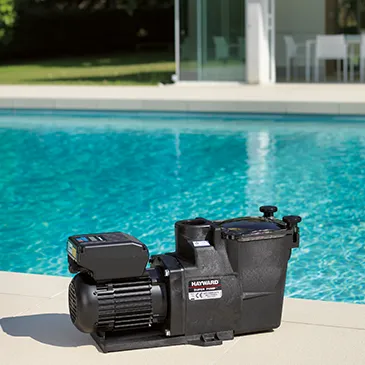
In the world of pool maintenance, one important component often goes unnoticed – the pool pump. However, with the rising concern for energy conservation, energy-efficient pool pumps are quickly gaining attention. These technological wonders not only reduce the overall energy consumption of your pool, but also help save you money in the long run. By harnessing advanced technologies and intelligently managing energy flow, you can enjoy a crystal-clear pool without worrying about skyrocketing utility bills. Discover how energy-efficient pool pumps can revolutionize your pool experience and make a positive impact on the environment.
What are energy-efficient pool pumps?
Definition
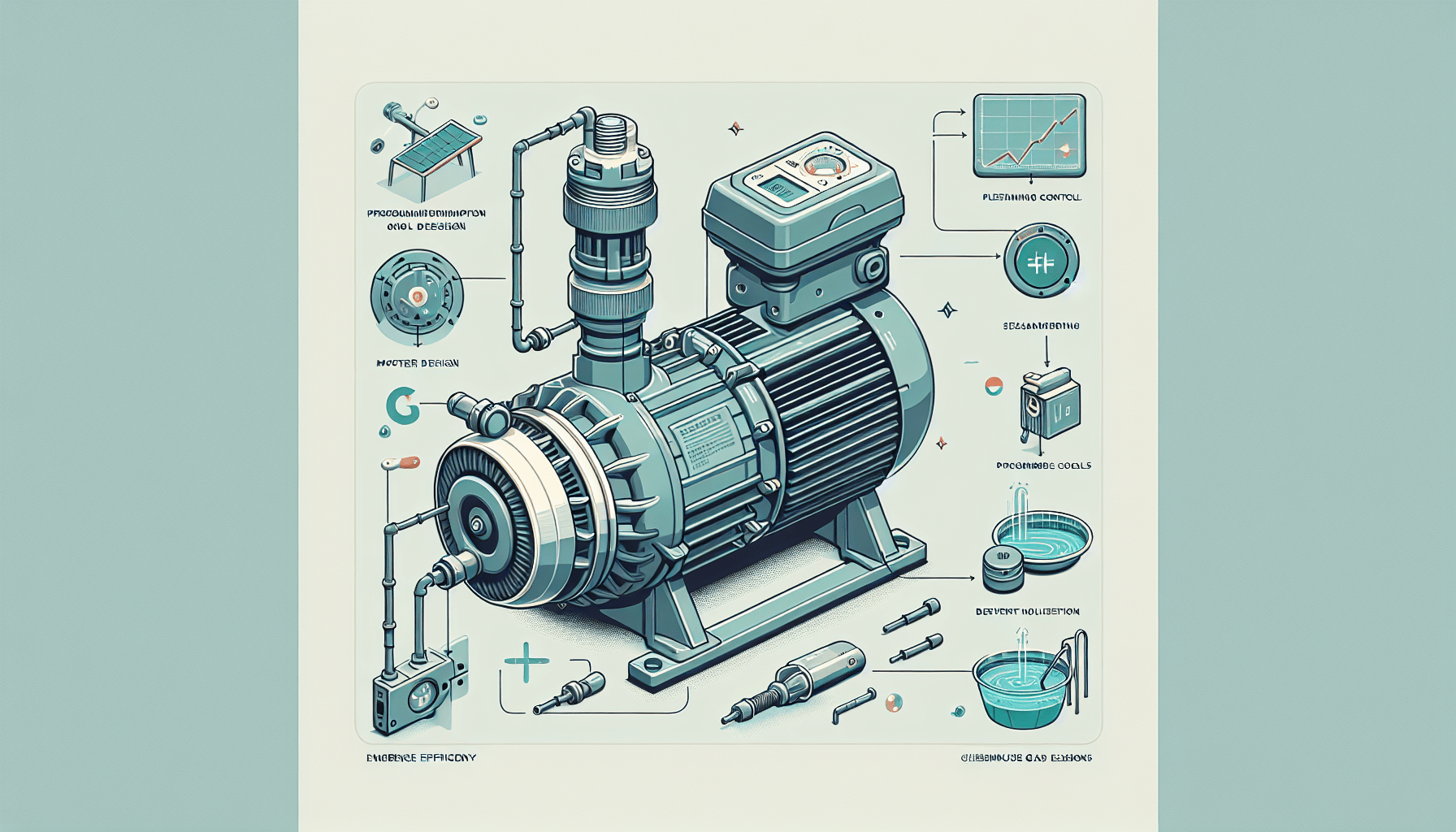
Energy-efficient pool pumps are specially designed pumps that use advanced technology and engineering to minimize energy consumption while efficiently circulating water in your pool. These pumps are often equipped with variable speed technology, efficient motor design, and optimized hydraulic systems to provide the same level of water circulation with significantly less energy usage.
Importance
Energy-efficient pool pumps are important because traditional pool pumps can contribute significantly to your household’s energy consumption and utility costs. In fact, pool pumps are often one of the biggest energy consumers in a home. By upgrading to an energy-efficient pool pump, you can reduce your energy usage, save money on your electricity bills, and enjoy a more environmentally friendly pool.
Benefits
There are several benefits to using energy-efficient pool pumps. Firstly, these pumps consume less energy compared to traditional pool pumps, resulting in reduced energy consumption and lower electricity bills. Additionally, energy-efficient pool pumps have the potential to extend the lifespan of your pool equipment by reducing wear and tear. These pumps also operate at lower noise levels, providing a quieter and more peaceful pool experience. Finally, by using less energy, you will be reducing your carbon footprint and contributing to a healthier environment.
How do energy-efficient pool pumps work?
Variable speed technology
Energy-efficient pool pumps often utilize variable speed technology, allowing you to adjust the speed at which the pump operates. This enables you to optimize the pump’s efficiency based on your specific pool circulation needs. By running the pump at lower speeds for longer periods, you can significantly reduce energy consumption while ensuring effective water circulation.
Efficient motor design
Energy-efficient pool pumps incorporate advanced motor designs that are specifically engineered to reduce energy consumption. These motors are designed to operate at optimal levels of efficiency, utilizing less energy while still providing the necessary power to circulate water effectively throughout the pool.
Optimized hydraulic system
The hydraulic system of energy-efficient pool pumps is designed to maximize water circulation while minimizing energy usage. These pumps are equipped with precision-engineered impellers, diffusers, and volutes that work together to optimize water flow and reduce resistance. By minimizing resistance, the pump can operate more efficiently, using less energy to achieve the same level of water circulation.
Features to look for in energy-efficient pool pumps
Variable speed options
When choosing an energy-efficient pool pump, it’s important to look for models that offer variable speed options. This feature allows you to adjust the speed of the pump to match your pool’s specific needs, optimizing energy efficiency and water circulation.
Advanced motor technology
Look for energy-efficient pool pumps that utilize advanced motor technology, such as brushless motors or permanent magnet motors. These motors are designed to operate at high levels of efficiency, reducing energy consumption while still providing the necessary power for effective water circulation.
High efficiency ratings
Energy-efficient pool pumps are often rated for their efficiency using industry-standard metrics. Look for pumps with high efficiency ratings, such as ENERGY STAR certified pumps, which have been tested and verified to meet strict energy efficiency guidelines.
Built-in timers and controllers
Some energy-efficient pool pumps come with built-in timers and controllers that allow you to program the pump to run at specific times and speeds. These features can help automate pool maintenance and ensure that the pump is running at optimal efficiency when needed.
Advantages of using energy-efficient pool pumps
Reduced energy consumption
One of the primary advantages of using energy-efficient pool pumps is reduced energy consumption. By upgrading to an energy-efficient pump, you can significantly lower the amount of electricity used to circulate water in your pool, resulting in lower energy bills and reduced environmental impact.
Cost savings
Due to their reduced energy consumption, energy-efficient pool pumps can lead to substantial cost savings over time. While the initial purchase cost may be higher compared to traditional pumps, the long-term savings in energy bills can outweigh the initial investment.
Extended equipment lifespan
Energy-efficient pool pumps can help extend the lifespan of your pool equipment. By operating at lower speeds and reducing wear and tear on the motor and other components, these pumps can help prevent premature equipment failure and the need for costly repairs or replacements.
Quieter operation
Traditional pool pumps can be noisy, which can be a source of frustration, especially in residential areas. Energy-efficient pool pumps are designed to operate at lower noise levels, providing a quieter and more enjoyable pool environment.
Eco-friendly
Using an energy-efficient pool pump is an environmentally friendly choice. By reducing energy consumption, you are contributing to a healthier planet by decreasing greenhouse gas emissions and conserving valuable resources.
Choosing the right energy-efficient pool pump for your needs
Evaluate pool size and usage
Before purchasing an energy-efficient pool pump, evaluate the size of your pool and how it is used. Larger pools or pools with higher usage may require more powerful pumps with higher flow rates. Consider the specific needs of your pool to ensure you choose a pump that can efficiently circulate the water.
Consider flow rate requirements
Take into account the flow rate requirements of your pool. Different pools may require different flow rates based on factors such as pool size, shape, and desired water features. Ensure that the energy-efficient pool pump you choose can provide the necessary flow rate to effectively circulate the water.
Calculate energy savings potential
Research the energy savings potential of different energy-efficient pool pumps. Look for pumps that have been tested and proven to provide significant energy savings compared to traditional pumps. Consider the potential long-term cost savings and weigh them against the initial investment.
Consult with a pool professional
If you’re unsure about which energy-efficient pool pump is right for your pool, consult with a pool professional. They can assess your specific needs, recommend the most suitable pump for your pool, and provide valuable advice on installation and maintenance.
Installation and maintenance tips for energy-efficient pool pumps
Proper installation
Proper installation is crucial for the optimal performance of your energy-efficient pool pump. Follow the manufacturer’s guidelines and ensure that the pump is installed correctly. This includes properly connecting the electrical wiring, ensuring optimal water flow, and securing the pump in a stable location.
Regular cleaning and maintenance
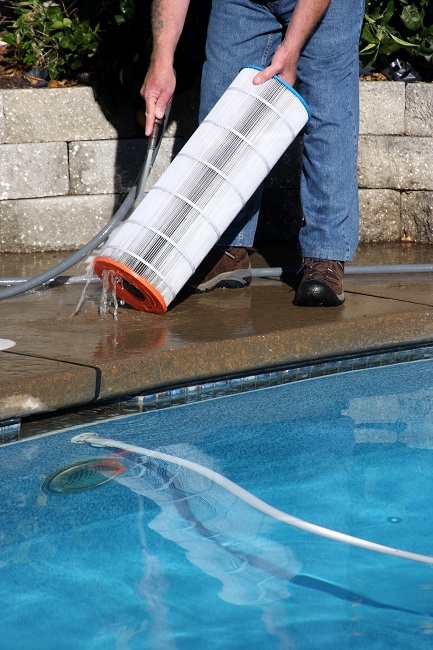
To maintain the efficiency and longevity of your energy-efficient pool pump, it’s important to regularly clean and maintain it. This includes cleaning the pump basket and filter regularly, removing any debris or obstructions from the impeller, and checking for any leaks or damaged components.
Replacing old or faulty components
If any components of your energy-efficient pool pump become old, worn, or faulty, it’s important to replace them promptly. Faulty components can decrease the pump’s efficiency and potentially lead to further damage. Regularly inspect the pump and its components to ensure everything is in good working order.
Optimizing pump usage
To maximize energy efficiency, optimize the usage of your energy-efficient pool pump. Consider programming the pump to run during off-peak hours when electricity rates are lower. Additionally, adjust the pump’s speed based on the specific needs of your pool, ensuring effective water circulation without unnecessary energy usage.
Additional ways to enhance energy efficiency in your pool
Pool covers
Using a pool cover when the pool is not in use can help retain heat and reduce energy consumption. A pool cover acts as a barrier, preventing heat loss and reducing the need for the pool pump to work harder to maintain a consistent temperature.
LED lighting
Replace traditional pool lighting with energy-efficient LED lights. LED lights consume significantly less energy and last longer than traditional incandescent bulbs. This not only saves energy but also reduces maintenance and replacement costs.
Solar heating systems
Consider installing a solar heating system for your pool. Solar panels can harness the power of the sun to heat your pool water, reducing the reliance on the pump to heat the water using electricity or gas. Solar heating systems are highly energy-efficient and can result in significant long-term energy savings.
Energy-efficient pool filters
In addition to using an energy-efficient pool pump, consider upgrading to an energy-efficient pool filter. High-efficiency pool filters can effectively remove impurities from the water while using less energy. Look for filters with high MERV (Minimum Efficiency Reporting Value) ratings for optimal energy efficiency.
Frequently asked questions about energy-efficient pool pumps
How much energy can be saved with an energy-efficient pool pump?
The amount of energy saved with an energy-efficient pool pump can vary depending on factors such as pool size, usage, and the specific pump model. However, studies have shown that energy-efficient pool pumps can save up to 70% in energy costs compared to traditional pumps.
Are energy-efficient pool pumps more expensive to purchase?
Energy-efficient pool pumps may have a higher initial purchase cost compared to traditional pumps, but the long-term energy savings can make up for the price difference. Additionally, some regions offer rebates or incentives for purchasing energy-efficient pool pumps, making them more affordable.
Do energy-efficient pool pumps require professional installation?
While it is possible to install an energy-efficient pool pump yourself, it is recommended to have it installed by a professional. Professional installation ensures proper wiring, water flow, and overall performance. It also helps protect the warranty of the pump.
Can energy-efficient pool pumps be used for all types of pools?
Yes, energy-efficient pool pumps can be used for all types of pools, including residential pools, commercial pools, and above-ground pools. It is essential to select a pump that is suitable for your specific pool size and usage requirements.
Conclusion
Energy-efficient pool pumps offer numerous benefits, including reduced energy consumption, cost savings, extended equipment lifespan, quieter operation, and eco-friendliness. When choosing an energy-efficient pump, consider features such as variable speed options, advanced motor technology, high efficiency ratings, and built-in timers and controllers. Proper installation and maintenance, as well as other energy-saving measures like pool covers and LED lighting, can further enhance energy efficiency in your pool. Consult with a pool professional to ensure you choose the right energy-efficient pool pump for your needs. By making the switch to an energy-efficient pool pump, you can enjoy a more efficient and environmentally friendly pool experience.