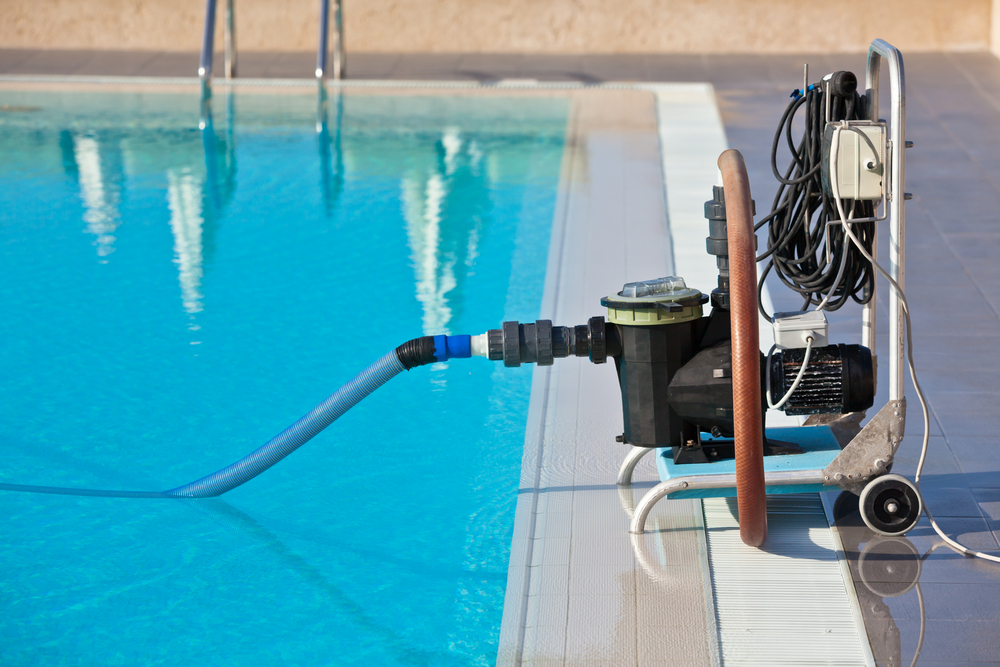
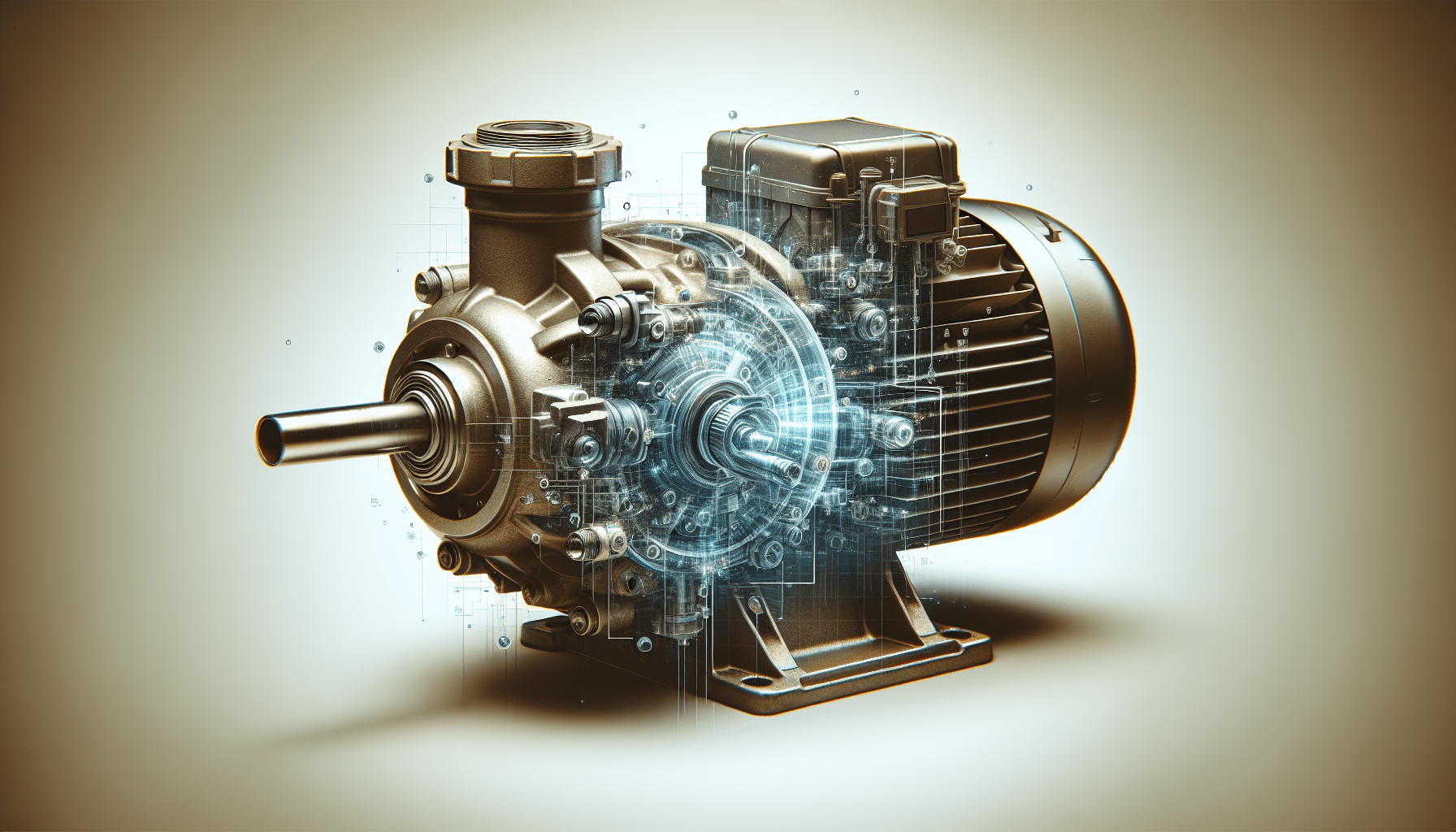
Looking to keep your pool sparkling clean? Look no further than pool pump filter grids. These essential components play a crucial role in trapping debris and contaminants, ensuring crystal-clear water for your swimming oasis. By effectively filtering out dirt, leaves, and other unwanted particles, pool pump filter grids provide a hassle-free solution for a clean and inviting pool. Discover the key features, benefits, and maintenance tips surrounding these remarkable accessories, and get ready to enjoy endless hours of summer fun in pristine, refreshing waters.
What are Pool Pump Filter Grids?
Pool pump filter grids are an essential component of a pool’s filtration system. They are square-shaped, thin, and made from a durable material like polyester or D.E. (diatomaceous earth). These grids function as the filter media in the pool pump, capturing and removing debris, dirt, and other impurities from the water as it circulates through the filtration system.
Functionality of Pool Pump Filter Grids
The primary function of pool pump filter grids is to filter out contaminants from the pool water. As water flows through the pump, it passes through these grids, which act as a barrier, trapping dirt, leaves, insects, and other debris. The clean water is then returned to the pool, ensuring that the water remains clear and safe for swimming.
Types of Pool Pump Filter Grids
There are two main types of pool pump filter grids: cartridge and D.E. grids.
Cartridge grids consist of a pleated cartridge made from polyester or another synthetic material. These grids are known for their ease of use and low maintenance requirements. Cartridge filter grids are effective in removing larger particles, but they may struggle with filtering out finer debris.
D.E. grids, on the other hand, utilize a thin layer of diatomaceous earth as their filter media. This fine powder coats the grids and captures even the smallest particles. D.E. filter grids are highly efficient and provide superior water clarity. However, they require periodic replenishment of the diatomaceous earth and more frequent cleaning.
Benefits of Pool Pump Filter Grids
Improved Water Circulation
One of the significant benefits of pool pump filter grids is their ability to improve water circulation. By removing debris and contaminants, these grids ensure that the water flows freely through the pump and back into the pool. Improved water circulation not only enhances water quality but also prevents stagnation and the buildup of harmful bacteria.
Efficient Filtration
Pool pump filter grids excel at filtration, regardless of whether you choose cartridge or D.E. grids. They capture a wide range of particles, from leaves and twigs to microscopic impurities. As a result, the water in your pool remains crystal clear, inviting, and safe for swimmers.
Extended Pump Life
Using pool pump filter grids also helps extend the life of your pump. By removing debris before it reaches the pump, the grids prevent clogging and excessive strain on the motor. This reduces the need for repairs or replacements, saving you money in the long run.
Reduced Energy Consumption
Efficient filtration through pool pump filter grids can lead to reduced energy consumption. When the water flows freely and the pump does not have to work as hard to circulate the water, less electricity is required. This can result in lower energy bills and a more eco-friendly pool maintenance routine.
How to Choose the Right Pool Pump Filter Grids
Finding the right pool pump filter grids for your pool involves considering factors such as pool size and volume, filter type, and the quality of construction.
Pool Size and Volume
The size and volume of your pool determine the flow rate required for effective filtration. Larger pools with high water volumes will need grids that can handle a higher flow rate without becoming overwhelmed. In contrast, smaller pools may not require grids that can handle as much water flow.
Filter Type
Consider whether you prefer cartridge grids or D.E. grids. Cartridge grids are easy to clean and maintain, but they may not provide the same level of filtration efficiency as D.E. grids. D.E. grids, while more maintenance-intensive, offer superior filtration and water clarity. Choose the type that aligns with your filtration needs and maintenance preferences.
Quality of Construction
Ensure that the pool pump filter grids you choose are made from quality materials. The grids should be durable, able to withstand the demands of regular pool use, and resistant to chemicals and UV exposure. Opting for grids from reputable manufacturers can help guarantee their longevity and performance.
Installation Process of Pool Pump Filter Grids
Installing new pool pump filter grids involves a step-by-step process to ensure proper functioning and compatibility with your pump system.
Checking Compatibility
Before purchasing new filter grids, ensure they are compatible with your specific pool pump model. Check the manufacturer’s recommendations and consult with a pool professional if needed. Investing in grids that are designed to work harmoniously with your pump system will ensure optimal filtration performance.
Preparing the Pump
Before installing the new filter grids, switch off the pool pump and disconnect the power supply. This step is crucial for safety and prevents any accidental damage while working on the pump system. Additionally, close any valves leading to and from the pump to prevent water flow during the installation process.
Removing Old Grids
Open the pump’s lid or access panel to expose the existing filter grids. Carefully remove the old grids, paying attention to their arrangement and orientation. Take note of any signs of damage or wear on the old grids, as this may require additional maintenance or replacement.
Installing New Grids
Position the new pool pump filter grids according to the manufacturer’s instructions. Make sure they are correctly aligned and properly seated in the designated slots. Double-check the fit and ensure that all grids are securely in place before closing the lid or access panel.
Testing the System
After installing the new filter grids, it is important to test the system for proper functioning. Turn the pump on and observe the flow of water through the grids. Check for any leaks or irregularities in water flow. If everything appears to be working correctly, you can proceed to the regular operation of your pool pump and filtration system.
Maintenance Tips for Pool Pump Filter Grids
To ensure optimal performance and longevity of your pool pump filter grids, regular maintenance is essential. Here are some key maintenance tips to keep in mind:
Regular Cleaning
Cleaning the pool pump filter grids is crucial to maintain their effectiveness. Depending on the type of grids you have, follow the manufacturer’s recommendations for cleaning frequency. Cartridge grids typically require rinsing with water, while D.E. grids may require periodic cleaning with a specialized cleaner. Regular cleaning prevents clogging and ensures continuous filtration.
Replacing Damaged Grids
Inspect the filter grids periodically for signs of damage, such as tears, cracks, or deterioration. Damaged grids should be promptly replaced to maintain the integrity of the filtration system. Ignoring damaged grids can lead to reduced filtration efficiency and potential equipment damage.
Inspecting O-Rings
O-rings are essential components that create a seal between the filter grids and the pump system. Periodically inspect the O-rings for any signs of wear or damage. Lubricate them as recommended by the manufacturer to maintain a proper seal. This will prevent water from bypassing the grids and ensure efficient filtration.
Monitoring Water Pressure
Regularly monitor the water pressure in your pool system as an indicator of filter grid performance. If you notice a significant decrease in water pressure, it may be a sign that the grids need cleaning or replacing. Proper water pressure ensures effective filtration and prevents strain on the pump motor.
Troubleshooting Common Issues with Pool Pump Filter Grids
Despite regular maintenance, pool pump filter grids may encounter common issues that require troubleshooting. Here are some of the most common issues and suggestions for addressing them:
Low Water Flow
If you notice a decrease in water flow, check for clogged filters or a dirty pump basket. Clean or replace the filter grids, and clear any debris from the pump basket. If the issue persists, there might be a problem with the pump motor or plumbing that requires professional assistance.
Grid Damage
Tears, cracks, or other damage to filter grids can result in reduced filtration efficiency. Replace damaged grids as soon as possible to maintain proper water quality and prevent further damage to the filtration system.
Leaks
Leaks in the pump system can occur due to worn-out O-rings, loose fittings, or damaged plumbing. Check the O-rings for wear and ensure all connections are tight. If the leak persists, it is advisable to consult a pool professional to identify and repair the issue.
Clogged Filters
If the filter grids become excessively dirty or clogged, the water flow may be impeded. Clean the grids thoroughly according to the manufacturer’s instructions to restore proper filtration. If cleaning does not resolve the issue, consider replacing the filter grids.
Upgrading Pool Pump Filter Grids: Is it Worth it?
Upgrading your pool pump filter grids can offer several benefits, but there are a few considerations to keep in mind before making the decision.
Reasons for Upgrading
Upgrading your filter grids may be necessary if you have noticed a decline in filtration performance or increased difficulty in maintaining water clarity. It can also be a good idea to upgrade if your current filter grids are old, damaged, or no longer compatible with your pump system. Upgrading to D.E. grids from cartridge grids can provide superior filtration and water quality.
Considerations before Upgrading
Before upgrading, consider the overall cost and benefits of the new filter grids. Determine if the upgrade is within your budget and if the improved filtration performance justifies the investment. Additionally, check if your pool pump system is compatible with the upgraded grids and if any modifications or adjustments are necessary for installation.
Professional Installation vs. DIY
The installation of pool pump filter grids can be a complex task, especially when upgrading to a different type of filter system. If you are not comfortable with pool equipment installation or lack the necessary expertise, it is recommended to hire a professional. They can ensure that the new grids are installed correctly and provide advice or assistance throughout the process.
Frequently Asked Questions about Pool Pump Filter Grids
How often should pool pump filter grids be cleaned?
The cleaning frequency of pool pump filter grids depends on the type of grids and the pool’s usage. Cartridge grids should be rinsed with water every 2-4 weeks, while D.E. grids may require cleaning with a specialized cleaner every 4-8 weeks. Follow the manufacturer’s recommendations for the best results.
Can I replace just one grid instead of the whole set?
Ideally, it is recommended to replace the entire set of pool pump filter grids to ensure consistent filtration performance. Different levels of wear or damage on individual grids can impact filtration efficiency. However, if only one grid is damaged, replacing it temporarily while planning for a full set replacement is acceptable.
How long do pool pump filter grids last?
The lifespan of pool pump filter grids varies depending on their type, quality, usage, and maintenance. Generally, cartridge grids can last 1-3 years, while D.E. grids can last 3-5 years with proper care. Regular maintenance and timely replacement of damaged grids can help extend their lifespan.
Conclusion
Pool pump filter grids play a crucial role in maintaining the cleanliness and safety of your pool. They improve water circulation, provide efficient filtration, extend the life of your pump, and reduce energy consumption. When choosing the right grids, consider factors like pool size, filter type, and construction quality. Proper installation, regular cleaning, and maintenance ensure optimal performance. Troubleshoot common issues promptly and consider upgrading when necessary. By following these guidelines and taking care of your pool pump filter grids, you can enjoy a sparkling clean pool throughout the swimming season.