If you’re a pool owner looking for an efficient and hassle-free way to keep your pool clean, then pool cartridge filters are what you need. These filters not only offer superior filtration but also require minimal maintenance, making them the perfect choice for anyone seeking crystal-clear water. With pool cartridge filters, say goodbye to the cumbersome process of backwashing and enjoy a more convenient and efficient pool cleaning experience. Dive into this article to learn more about the benefits and features of pool cartridge filters.
What are Pool Cartridge Filters
Definition
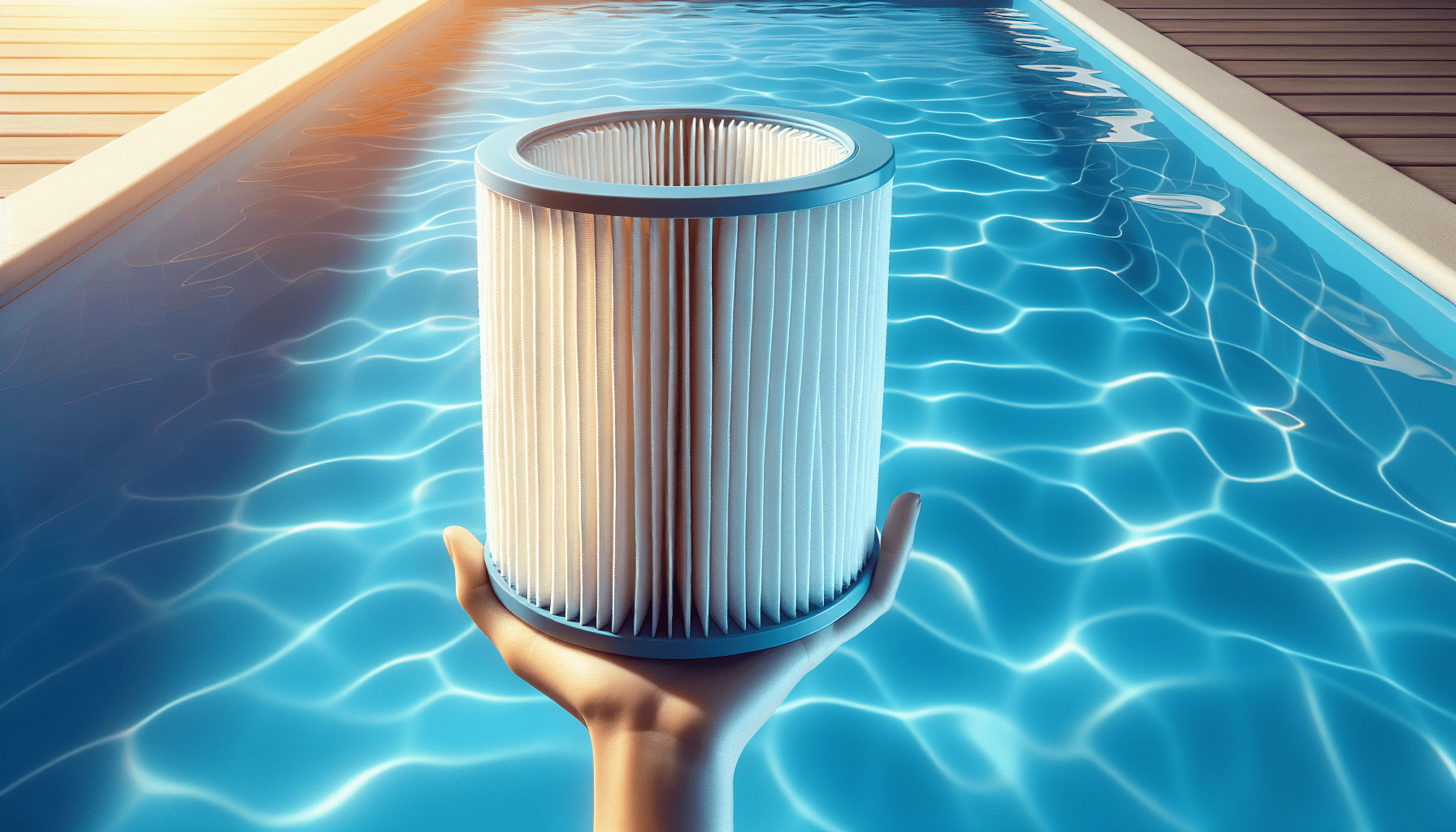
Pool cartridge filters are a type of filtration system commonly used in swimming pools and spas. They are designed to remove impurities and debris from the water, keeping it clean and clear for a safe and enjoyable swimming experience. Unlike other types of filters, such as sand filters or DE filters, cartridge filters utilize a fabric-like cartridge to trap particles as small as 10-15 microns.
How they work
Pool cartridge filters work by forcing water through a pleated cartridge, which acts as a physical barrier to capture contaminants. The filter cartridge is made of a porous material with a large surface area, allowing for efficient filtration. As the water passes through the cartridge, debris and impurities are trapped, while clean water flows back into the pool. The accumulated dirt on the cartridge can be easily cleaned or replaced when necessary.
Advantages of Pool Cartridge Filters
Easy to clean
One of the major advantages of pool cartridge filters is their ease of cleaning. Unlike sand filters that require backwashing or DE filters that need regenerating, cartridge filters can be simply removed and rinsed with a hose. This makes maintenance quick and hassle-free, as there is no need for complicated procedures or chemicals.
More efficient filtration
Pool cartridge filters offer superior filtration compared to other types of filters. With a micron rating as low as 10-15 microns, they are capable of capturing even tiny particles that are invisible to the naked eye. This means that your pool water will be cleaner, healthier, and more enjoyable for swimming. Additionally, the pleated material of the cartridge provides a larger surface area for filtration, resulting in better efficiency and longer filter runs.
Cost-effective
In terms of cost, pool cartridge filters are a wise choice for pool owners. While they may have a higher upfront cost compared to sand filters, the long-term benefits outweigh the initial investment. Cartridge filters require less frequent replacement, as the cartridges can be cleaned and reused multiple times before wearing out. This not only saves money on replacement cartridges but also reduces the overall maintenance costs of your pool.
Types of Pool Cartridge Filters
Standard Cartridge Filters
Standard cartridge filters are the most common type used in residential pools and spas. They come in various sizes to accommodate different pool volumes and flow rates. These filters are designed to provide reliable filtration while being cost-effective and easy to maintain. Standard cartridge filters are suitable for most pool owners who need a simple and efficient filtration solution.
High-capacity Cartridge Filters
For larger pools or pools with heavy usage, high-capacity cartridge filters are a better option. These filters have larger cartridges with a higher dirt-holding capacity, allowing them to handle higher flow rates and larger pool volumes. High-capacity cartridge filters are ideal for commercial pools, hotels, or any pool that experiences a high volume of swimmers. Despite their larger size, they still offer the same efficiency and ease of maintenance as standard cartridge filters.
Choosing the Right Size and Type
Pool Size
When selecting a pool cartridge filter, it is crucial to consider the size of your pool. The filter should be sized appropriately to ensure optimal filtration and circulation. Larger pools require bigger filters with larger cartridges to handle the greater volume of water. On the other hand, smaller pools may be adequately served by smaller filters. Consult with a pool professional or refer to the manufacturer’s recommendations to determine the appropriate size for your pool.
Flow Rate
The flow rate of your pool’s pump is another important factor to consider. The filter must be capable of handling the flow rate to ensure efficient filtration. Choosing a filter that is too small for your pump’s flow rate can lead to poor performance and increased wear on the system. On the other hand, a filter that is too large may not provide enough resistance and can cause problems with water clarity. Check the manufacturer’s specifications to match the filter’s flow capacity with your pump’s flow rate.
Micron Rating
The micron rating of a pool cartridge filter refers to its ability to filter out particles of a certain size. The lower the micron rating, the finer the filtration. Most pool cartridge filters have a micron rating of around 10-15 microns, which is capable of capturing small particles like dust, pollen, and algae. However, if you have specific concerns about certain types of debris in your pool, such as fine sand or microscopic organisms, you may need a filter with a lower micron rating. Consider your specific needs and consult with a pool professional to choose the right micron rating for your pool.
Installation and Maintenance
Filter Location
Choosing the right location for your pool cartridge filter is essential for proper operation. Ideally, the filter should be placed in an easily accessible area that allows for efficient maintenance. It should be installed on a solid, level surface and not directly exposed to the elements. A pump room or pool equipment enclosure is a common choice for filter location, as it provides protection and easy access for maintenance.
Proper Installation
Proper installation of a pool cartridge filter involves connecting it to the pool’s circulation system correctly. This typically involves plumbing connections, such as PVC pipes and fittings, to ensure proper water flow. It is essential to follow the manufacturer’s instructions and consult with a professional if needed to ensure a secure and leak-free installation. Proper installation can prevent potential issues and maximize the filter’s performance.
Regular Cleaning and Maintenance
To keep your pool cartridge filter operating at its best, regular cleaning and maintenance are crucial. The filter cartridge should be checked and cleaned at regular intervals, depending on your pool’s usage and water conditions. Cleaning involves removing the cartridge and rinsing it with a hose to remove debris and buildup. If the cartridge becomes excessively dirty or damaged, it may need to be replaced. Regular maintenance also involves checking for leaks, inspecting seals and gaskets, and ensuring proper water flow. Following a routine maintenance schedule will prolong the life of your filter and ensure optimal filtration.
Troubleshooting Common Issues
Cartridge Clogging
One common issue with pool cartridge filters is cartridge clogging. Over time, the cartridge can become clogged with debris and particles, leading to reduced water flow and diminished filtration performance. If you notice a decrease in water flow or pressure, it may be a sign that the cartridge needs cleaning or replacement. Regular maintenance and cleaning can help prevent cartridge clogging, but if the issue persists, consult with a pool professional to identify the cause and find a solution.
Water Leaks
Water leaks are another common problem that can occur with pool cartridge filters. Leaks can occur due to faulty plumbing connections, damaged seals or gaskets, or cracks in the filter housing. If you notice water leaking from your filter, it is important to address the issue promptly to prevent further damage and ensure proper filtration. Inspect the filter for any visible signs of leaks and check all connections. If you are unable to identify or fix the problem, seek assistance from a pool professional.
Poor Water Quality
If you are experiencing poor water quality, despite having a pool cartridge filter in place, there may be an underlying issue. Poor water quality can result from imbalanced chemistry, inadequate circulation, or a malfunctioning filtration system. Test the water chemistry levels and adjust as needed. Ensure that the filter cartridge is clean and in good condition. If the problem persists, consult with a pool professional to identify and rectify the cause of poor water quality.
Replacement and Lifespan
When to Replace
The lifespan of a pool cartridge filter depends on various factors, such as the quality of the water, frequency of use, and maintenance practices. Generally, cartridge filters need to be replaced every 1-3 years, although some high-quality filters can last longer. Signs that indicate the need for a replacement include a significant decrease in filtration efficiency, cartridge tearing or damage, or persistent issues that cannot be resolved through cleaning or maintenance. Regularly inspecting the cartridge and monitoring its performance will help determine when it needs to be replaced.
Frequency of Replacement
To determine the frequency of cartridge replacement, consider the usage and conditions of your pool. Pools with heavy usage, high bather loads, or significant debris may require more frequent cartridge replacement. Additionally, pools with poor water conditions or imbalanced chemistry may cause faster cartridge deterioration. On the other hand, pools with lighter usage and effective maintenance practices may benefit from longer cartridge lifespans. Regularly monitor the performance of the filter and the condition of the cartridge to decide when replacement is necessary.
Extending Lifespan
To extend the lifespan of your pool cartridge filter, proper maintenance and care are essential. Regularly clean the cartridge to remove debris and buildup, ensuring optimal filtration. Avoid using excessive chemical treatments or harsh cleaning agents, as they can deteriorate the filter material. Additionally, regularly monitor and balance the water chemistry to prevent corrosion or damage to the filter. Providing good water circulation and employing proper filtration equipment sizing will also contribute to extending the lifespan of your pool cartridge filter.
Comparison with Other Pool Filters
Sand Filters
Compared to sand filters, pool cartridge filters offer several advantages. While sand filters are known for their affordability and ability to handle large debris, they have a higher micron rating and require regular backwashing to clean the sand bed. Cartridge filters, on the other hand, have a finer filtration capability and are easier to clean. Sand filters may be more suitable for pools with heavy debris load, but if water clarity and finer filtration are a priority, cartridge filters are the better choice.
DE Filters
DE filters, or diatomaceous earth filters, are another common type used in pools. They utilize a fine powder made of fossilized diatoms to provide even finer filtration than cartridge filters. However, DE filters require regular backwashing and the addition of fresh DE powder, which can be time-consuming and messy. Cartridge filters offer comparable efficiency without the need for backwashing or messy powder. They are also generally easier to maintain and require less frequent replacement of filter media.
Popular Brands
Brand A
Brand A is a well-known manufacturer of pool cartridge filters. They offer a range of options to suit different pool sizes and needs. Their filters are known for their durability, efficiency, and ease of maintenance. Brand A filters are designed to provide long-lasting performance and reliable filtration for a clean and inviting pool.
Brand B
Brand B is another reputable brand that specializes in pool cartridge filters. They offer innovative features and advanced technologies to ensure superior filtration. With a focus on efficiency and ease of use, Brand B filters are a popular choice among pool owners. Their products are designed to meet the needs of various pools and deliver outstanding performance.
Brand C
Brand C is a trusted name in the pool industry, offering high-quality pool cartridge filters. Their filters are known for their exceptional filtration capability and durability. Brand C focuses on providing reliable and efficient filtration solutions that require minimal maintenance. With a wide range of sizes and options available, their filters cater to the needs of both residential and commercial pools.
Conclusion
When it comes to maintaining a clean and healthy swimming pool, pool cartridge filters offer numerous advantages. With their easy cleaning process, efficient filtration, and cost-effectiveness, they are a popular choice among pool owners. By choosing the right size and type of filter, installing it properly, and regularly maintaining it, you can ensure optimal performance and longevity. Be mindful of common issues and troubleshoot them promptly to avoid further problems. Consider your specific pool requirements and compare cartridge filters with other types to make an informed decision. With the right pool cartridge filter, you can enjoy crystal clear water and a well-maintained pool for years to come.