Are you looking to save energy and lower your electricity bills? If so, calculating pool pump energy savings is the smart move. Understanding the impact your pool pump has on your energy consumption is crucial, as it can account for a significant portion of your monthly expenses. By diving into the world of pool pump energy savings, you’ll discover practical tips and tricks to maximize efficiency without sacrificing the enjoyment of your refreshing pool. So, let’s explore how to save energy while still enjoying a crystal-clear pool all season long.
Introduction
Welcome to our comprehensive guide on calculating pool pump energy savings! If you’re a pool owner looking to cut down on your energy consumption and save some money along the way, you’ve come to the right place. In this article, we will walk you through the process of understanding pool pump energy consumption and calculating potential energy savings. We’ll also discuss factors that can influence energy savings, how to choose a high-efficiency pool pump, and tips for implementing energy-saving measures. So let’s dive in and start saving some energy!
Understanding Pool Pump Energy Consumption
Before we can calculate the energy savings, it’s important to understand the factors that influence pool pump energy consumption. The pool pump is responsible for circulating the water in your pool to keep it clean and properly balanced. However, this process can consume a significant amount of energy. Some factors that can impact the energy consumption of your pool pump include:
Factors Influencing Energy Consumption
- Pool size: The larger the pool, the more energy will be required to circulate the water.
- Filtration system: The type and efficiency of the filtration system can affect energy consumption.
- Run time: The amount of time the pool pump runs each day will contribute to energy usage.
- Water flow: The rate at which water flows through the system can impact energy consumption.
- Insulation: The insulation around the pool and pipes can affect heat loss and energy consumption.
Measuring Pool Pump Energy Consumption
Before we can calculate energy savings, we need to determine how much energy your pool pump is currently consuming. To do this, you can use an energy monitor or check your monthly electricity bills. Keep track of the kilowatt-hours (kWh) consumed by your pool pump over a period of time, such as a month, to get an average energy consumption value.
Importance of Calculating Energy Savings
Calculating pool pump energy savings is crucial for several reasons. Firstly, it allows you to understand the impact of your pool pump on your overall energy consumption and expenses. Secondly, it helps you identify opportunities to reduce your energy usage and save money. Lastly, it allows you to make informed decisions when it comes to choosing a high-efficiency pool pump and implementing energy-saving measures.
Calculating Pool Pump Energy Savings
Now that we understand the factors influencing pool pump energy consumption, let’s dive into the process of calculating potential energy savings.
Determining Current Energy Consumption
As mentioned earlier, you can determine your pool pump’s current energy consumption by monitoring your kilowatt-hour usage over a period of time. This data will serve as our baseline for calculating energy savings. If you don’t have a monitoring system in place, you can refer to your electricity bills and calculate the average monthly energy consumption.
Determining Potential Energy Savings
To calculate potential energy savings, we need to determine the desired percent reduction in energy consumption. For example, if you want to reduce your pool pump’s energy consumption by 50%, you would aim for a 50% reduction in kilowatt-hours.
Formula for Calculating Energy Savings
To calculate energy savings, you can use the following formula:
Energy Savings = Current Energy Consumption – (Current Energy Consumption x Desired Percent Reduction)
For example, if your pool pump is currently using 500 kWh per month and you want to reduce it by 50%:
Energy Savings = 500 kWh – (500 kWh x 0.50) = 250 kWh
This means that by achieving a 50% reduction in energy consumption, you can save 250 kWh per month.
Factors Affecting Energy Savings
Now that we know how to calculate potential energy savings, it’s important to understand the factors that can affect these savings. By considering these factors, you can make more informed decisions when it comes to choosing a high-efficiency pool pump and implementing energy-saving measures.
Type and Efficiency of Pool Pump
The type and efficiency of the pool pump play a significant role in energy consumption. Traditional single-speed pumps tend to consume more energy compared to variable speed pumps. Variable speed pumps allow you to adjust the speed based on your pool’s needs, resulting in energy savings.
Run Time of Pool Pump
The amount of time your pool pump runs each day affects energy consumption. By optimizing the run time and reducing it to the necessary minimum, you can save energy. It’s important to maintain proper water circulation and filtration while minimizing the run time.
Water Flow and Filtration System
The rate at which water flows through the system and the efficiency of the filtration system can impact energy consumption. Ensuring that your water flow is optimized and your filtration system is clean and functioning properly can help reduce energy usage.
Insulation and Temperature Control
Proper insulation around your pool and pipes can help reduce heat loss, which in turn reduces the energy required to maintain the desired pool temperature. Additionally, using a pool cover when the pool is not in use can further prevent heat loss and energy waste.

Choosing a High-Efficiency Pool Pump
Now that we understand the factors that can affect energy savings, it’s time to discuss how to choose a high-efficiency pool pump.
Understanding Energy Star Ratings
When selecting a pool pump, look for the Energy Star label. Energy Star-rated pool pumps are designed to meet strict energy efficiency guidelines set by the U.S. Environmental Protection Agency (EPA). These pumps are tested and certified to consume less energy while delivering reliable performance.
Variable Speed vs. Single Speed Pumps
Consider opting for a variable speed pool pump rather than a traditional single-speed pump. Variable speed pumps allow you to adjust the pump speed based on the specific needs of your pool, resulting in energy savings.
Considerations for Pump Size
Choosing the right pump size is important for energy efficiency. A pump that is too small may not provide sufficient water circulation, while a pump that is too large may consume unnecessary energy. Consult with a pool professional to determine the appropriate pump size for your specific pool.
Other Energy-Saving Features
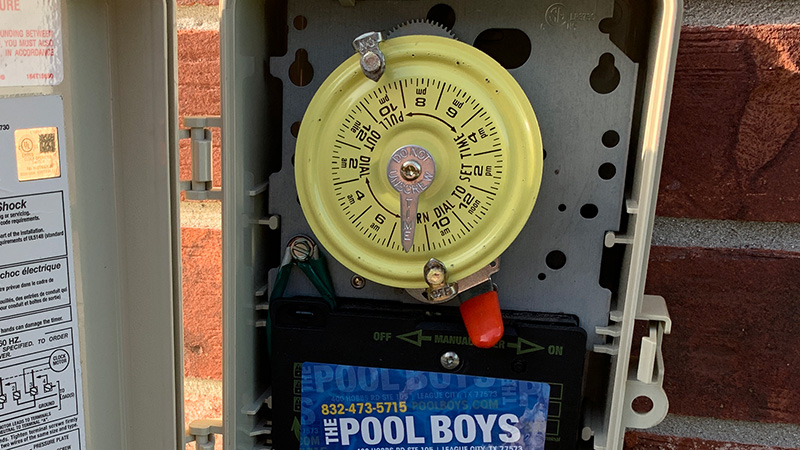
Look for additional energy-saving features such as timers and automation systems. These features allow you to control and optimize the run time of your pool pump, reducing unnecessary energy consumption.
Implementing Energy-Saving Measures
Choosing a high-efficiency pool pump is just the first step towards reducing energy consumption. Implementing additional energy-saving measures can further enhance your savings.
Optimizing Pool Pump Run Time
By monitoring and adjusting the run time of your pool pump, you can ensure that it operates only when necessary. Consider reducing the number of hours your pump runs each day while still maintaining proper water circulation and filtration.
Using a Timer or Automation System
Installing a timer or an automation system can simplify the process of managing your pool pump’s run time. This allows you to set specific schedules for when your pump should turn on and off, ensuring it operates efficiently without any manual intervention.
Maintaining Proper Water Chemistry
Maintaining proper water chemistry is important not only for the health and safety of swimmers but also for energy efficiency. Balanced water chemistry reduces the strain on your pool pump and filtration system, resulting in energy savings.
Ensuring Proper Insulation and Cover Usage
Proper insulation around your pool and pipes, as well as using a pool cover when the pool is not in use, can help minimize heat loss. This reduces the energy required to maintain the desired pool temperature and saves on energy costs.
Calculating Return on Investment (ROI)
Understanding the return on investment (ROI) of your energy-saving measures can help you make informed decisions and assess the financial benefits.
Determining Cost of Electricity
To calculate the ROI, you need to know the cost of electricity per kilowatt-hour in your area. This information can usually be found on your electricity bill or by contacting your utility provider.
Estimating Payback Period
The payback period represents the amount of time it takes for your energy-saving measures to pay for themselves through energy savings. By dividing the cost of the pool pump upgrade by the annual energy savings, you can estimate the payback period.
Considering Cost of Pool Pump Upgrade
When calculating ROI, it’s important to consider the upfront cost of upgrading to a high-efficiency pool pump. While these pumps may have a higher initial cost, the long-term energy savings can offset the initial investment.
Additional Tips for Energy Efficiency
Here are a few additional tips to help you optimize energy efficiency in your pool:
Keeping the Pool Clean
Regularly removing debris from your pool and skimming the surface can reduce the strain on your pool pump and filtration system. This can help improve energy efficiency.
Regularly Checking and Maintaining Equipment
Regularly inspecting and maintaining your pool pump and filtration system ensures proper functionality and energy efficiency. Clean or replace filters as needed and address any issues promptly.
Considering Solar Power
If you’re looking to further reduce your pool pump’s energy consumption, consider utilizing solar power. Solar pool pumps are powered by renewable energy and can significantly reduce your reliance on grid electricity.
Using Pool Covers
Using a pool cover when the pool is not in use can effectively prevent heat loss, reduce evaporation, and minimize debris accumulation. This leads to energy savings by reducing the workload on your pool pump and decreasing the need for heating.
Conclusion
By understanding pool pump energy consumption, calculating potential energy savings, considering factors that affect energy savings, choosing a high-efficiency pool pump, implementing energy-saving measures, and calculating ROI, you can significantly reduce your pool pump’s energy consumption and save money in the long run. Remember to regularly monitor and optimize your pool pump’s run time, maintain proper water chemistry, and utilize pool covers for maximum energy efficiency. With these tips and knowledge, you are well-equipped to become an energy-saving champion in the world of pool ownership!