Are you having problems with your pool pump? Don’t worry, we’ve got you covered! In this article, we’ll guide you through the common issues you might encounter with your pool pump and provide simple troubleshooting tips to help you get it up and running smoothly again. Whether it’s a noisy motor, low water pressure, or a pump that won’t start, we’ve got the solutions you need. So sit back, relax, and let’s get your pool pump back in tip-top shape!
Troubleshooting Pool Pump Issues
Having trouble with your pool pump? Don’t worry, we’ve got you covered! In this comprehensive guide, we will walk you through the most common pool pump issues and provide step-by-step solutions to help you get your pump up and running smoothly again. From checking the power source to inspecting the motor, we’ll cover it all. So let’s dive right in!
No Power
Check the power source
If your pool pump isn’t working, the first thing you should do is check the power source. Make sure the pump is plugged in and that the power switch is turned on. If you’re using an extension cord, ensure that it’s in good condition and properly connected. It’s also a good idea to check if there are any tripped breakers in your electrical panel.
Inspect the power cord
A damaged or frayed power cord may be the reason behind your pump’s lack of power. Carefully inspect the cord for any signs of wear and tear. If you notice any damage, it’s crucial to replace the cord immediately to prevent any electrical hazards.
Test the power outlet
Sometimes the issue may lie with the power outlet itself. To check if the outlet is functioning properly, you can use a voltage tester or plug in another device to see if it works. If the outlet is faulty, you may need to call an electrician to fix the issue.
Examine the circuit breaker
If none of the above solutions worked, it’s time to take a look at the circuit breaker. Locate the breaker that controls the pool pump and check if it has tripped. If it has, reset it by turning it off and then back on. If the breaker keeps tripping, there may be a more serious problem, and it’s best to contact a professional electrician.
Low Flow
Clean the pool filter
A clogged pool filter can significantly reduce the flow of water in your pump. To solve this issue, turn off the pump and open the filter compartment. Remove the filter and clean it thoroughly, removing any debris or dirt. If the filter is damaged or worn out, it’s recommended to replace it with a new one to ensure optimal flow.
Check the pump impeller
The impeller is responsible for moving water through the pump. If it’s clogged or damaged, it can restrict the flow. To check the impeller, turn off the pump and open the pump housing. Locate the impeller and inspect it for any debris or obstructions. Clean or replace the impeller as needed to restore proper water flow.
Inspect the pool skimmer basket
The pool skimmer basket is designed to catch larger debris before it reaches the pump. If it’s filled with leaves, twigs, or other debris, it can impede water flow. To fix this issue, simply remove the skimmer basket and empty its contents. Give it a rinse to ensure it’s clean and free from any obstructions.
Examine the pool drain cover
A faulty or damaged pool drain cover can disrupt water flow and lead to low flow issues. Inspect the drain cover for any cracks, leaks, or obstructions. Replace it if necessary, and make sure it’s securely attached to maintain optimal water flow.
Strange Noises
Check for air leaks
Strange noises coming from your pool pump might indicate an air leak. Inspect all the connections, including the pump lid, pipes, and valves, for any signs of leaks. Tighten any loose connections and replace any damaged gaskets or seals. This should eliminate the air leaks and reduce the noise.
Inspect the pool pump motor
The pool pump motor is another potential source of strange noises. Turn off the pump and remove the housing cover to access the motor. Inspect the motor for any loose parts, damaged components, or debris that may be causing the noise. Tighten any loose parts and clean out any debris to eliminate the noise.
Clean or replace the pool pump bearings
Worn-out or dirty bearings can also cause strange noises in your pump. To fix this issue, turn off the pump and remove the motor. Clean the bearings using a degreaser and a soft brush. If the bearings are damaged or excessively worn, it’s recommended to replace them with new ones.
Examine the pool pump housing
Sometimes, the strange noises may be coming from a loose or damaged pump housing. Carefully inspect the housing for any cracks, loose parts, or deformities. Tighten any loose screws or bolts and replace any damaged components to eliminate the noise.
Leaking Water
Check for loose connections
If your pool pump is leaking water, the first thing you should do is check for loose connections. Inspect all the fittings, pipes, and valves for any signs of leaks. Tighten any loose connections using a wrench or other appropriate tools.
Inspect the pool pump seals and gaskets
Worn-out or damaged seals and gaskets can also cause water leakage. Turn off the pump and open the housing to access the seals and gaskets. Inspect them for any signs of wear, cracks, or deformities. Replace them if necessary to prevent further water leakage.
Replace the pump O-ring
The pump O-ring is a common culprit behind pool pump leaks. If you notice water leaking from the pump lid, it’s likely that the O-ring needs to be replaced. Remove the pump lid and inspect the O-ring for any signs of wear or damage. Replace it with a new O-ring to fix the leak.
Examine the pool pump housing for cracks
Cracks in the pump housing can also lead to water leakage. Carefully inspect the housing for any visible cracks or holes. If you find any, it’s recommended to replace the housing to prevent further leaks.
Overheating
Check the pool pump motor temperature
An overheating pool pump motor can be a serious issue that needs immediate attention. If you notice that the motor feels excessively hot, turn off the pump and let it cool down for at least 20 minutes. Inspect the motor for any clogs or obstructions that may be blocking the airflow. Clean out any debris and ensure there is proper ventilation around the motor.
Clean the pump impeller and housing
A dirty pump impeller or housing can also cause overheating. Turn off the pump and open the housing to access the impeller. Clean the impeller and housing using a soft brush and a mild detergent. Remove any debris or dirt buildup that may be causing the overheating issue.
Inspect the pool pump ventilation
Proper ventilation is crucial for preventing overheating. Check if there are any obstructions or debris blocking the ventilation openings. Remove any obstacles and ensure there is adequate airflow around the pump motor.
Intermittent Operation
Check the power supply
Intermittent operation can be caused by a faulty power supply. Check the power cord, outlet, and circuit breaker to ensure they are all in good working condition. Replace or repair any damaged components as needed.
Inspect the pump controller
If your pump has a controller, it’s important to inspect it for any malfunctions. Look for error codes or warning lights that may indicate a problem. Test the controller’s buttons and settings to ensure it’s functioning correctly. If you suspect any issues, consult the manufacturer’s manual or contact the manufacturer for assistance.
Clean the pressure switch contacts
A dirty or corroded pressure switch can cause intermittent operation. Turn off the pump and remove the housing cover to access the pressure switch. Clean the contacts using a contact cleaner or a soft cloth. Ensure all the connections are secure and properly tightened.
Look for loose wiring connections
Faulty or loose wiring connections can also lead to intermittent pump operation. Inspect all the wiring connections, including the motor and control panel, for any signs of damage or loose connections. Tighten any loose wires and replace any damaged wires to ensure a solid connection.
Cavitation
Check the pool pump water level
Cavitation occurs when there is a significant drop in water level inside the pool pump. Check the water level and ensure it’s above the skimmer intake. If the water level is too low, it can cause cavitation. Fill the pool to the appropriate level to prevent cavitation from occurring.
Inspect the pool plumbing for clogs
Clogs in the pool plumbing can also lead to cavitation. Inspect the pipes, valves, and fittings for any obstructions or debris. Remove any clogs using a plumbing snake or a high-pressure water jet. Ensure the plumbing is clear of any blockages to prevent cavitation.
Adjust the pool pump speed
A high pump speed can also cause cavitation. Check if your pump has adjustable speed settings and lower the speed if necessary. Consult your pump’s manual or contact the manufacturer for instructions on adjusting the pump speed.
Clean or replace the pump impeller
A clogged or damaged impeller can contribute to cavitation. Turn off the pump and open the housing to access the impeller. Clean the impeller using a soft brush and remove any debris or obstructions. If the impeller is damaged, it’s recommended to replace it with a new one.
Pump Not Priming
Check the pool water level
If your pump is struggling to prime, it’s important to check the pool water level. Ensure the water level is above the skimmer intake to allow for proper priming. If the water level is too low, fill the pool to the appropriate level and try priming the pump again.
Inspect the pool pump basket
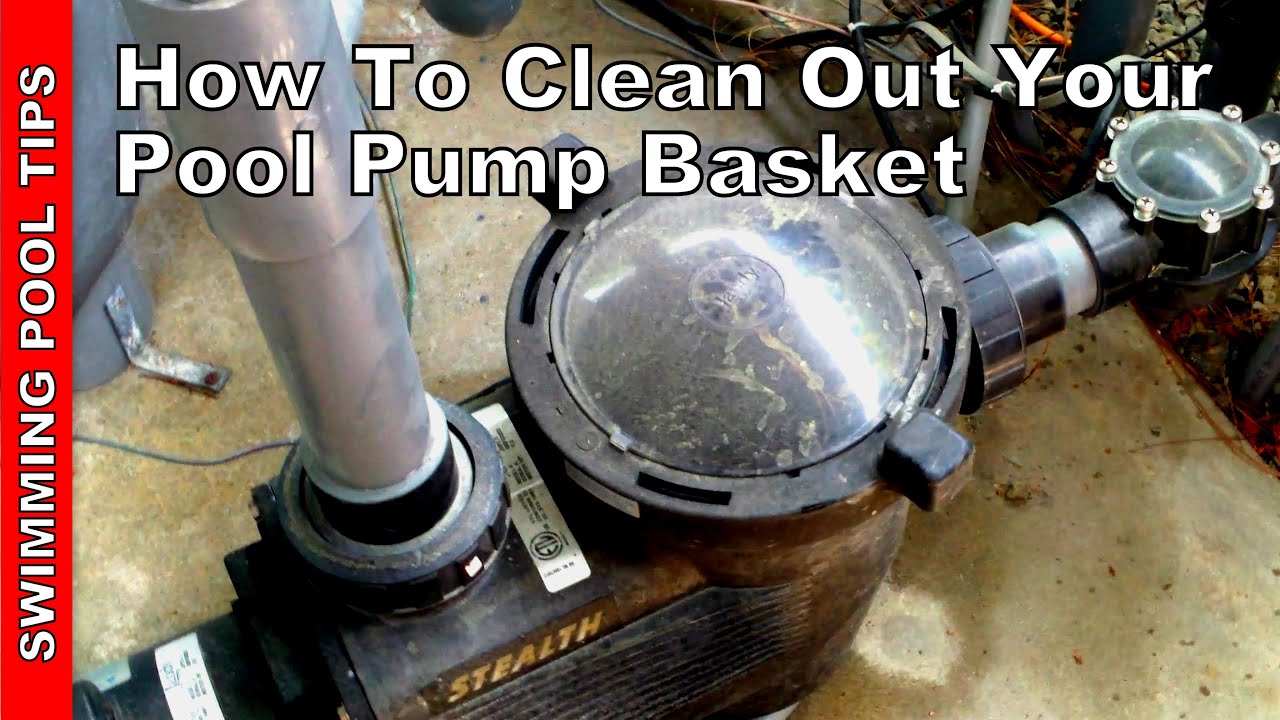
A clogged pump basket can prevent the pump from priming. Turn off the pump and remove the pump basket. Inspect it for any debris or obstructions and clean it thoroughly. Rinse the basket with water to ensure it’s free from any blockages.
Clean or replace the skimmer basket
A clogged or damaged skimmer basket can also hinder the priming process. Remove the skimmer basket and inspect it for any debris or damage. Clean it thoroughly or replace it if necessary to ensure optimal priming.
Look for air leaks in the suction line
Air leaks in the suction line can prevent the pump from priming properly. Inspect the suction line, including the fittings, pipes, and valves, for any signs of leaks. Tighten any loose connections and replace any damaged gaskets or seals. This should eliminate the air leaks and aid in the priming process.
Excessive Vibrations
Check the pool pump base
Excessive vibrations can be caused by an unstable pump base. Ensure the pump is securely mounted on a stable and level surface. Adjust the base if necessary and tighten any loose bolts or screws.
Inspect the motor mounting bolts
Loose motor mounting bolts can also contribute to excessive vibrations. Turn off the pump and inspect the motor mounting bolts for any signs of looseness. If they are loose, tighten them using an appropriate wrench or tool.
Balance the pump impeller
An unbalanced impeller can lead to vibrations. Turn off the pump and open the housing to access the impeller. Check the impeller for any visible imbalances or deformities. If it’s unbalanced, carefully balance it using a balancing kit or by following the manufacturer’s instructions.
Replace worn-out grommets or dampening pads
Grommets and dampening pads are designed to absorb vibrations. Over time, they can become worn out or damaged. Inspect the grommets and dampening pads and replace them if necessary to reduce vibrations and noise.
Tripping Breaker
Inspect the electrical connections
Tripping breakers can be caused by faulty electrical connections. Inspect all the wiring connections, including the motor and control panel, for any signs of damage or loose connections. Tighten any loose wires and replace any damaged wires to ensure a solid connection.
Verify the pump motor’s amp draw
An overloaded pump motor can trip the breaker. Verify the motor’s amp draw by using an amp meter. Compare the readings with the manufacturer’s specifications. If the amp draw exceeds the specified limit, there may be an issue with the motor or the load. Consult the manufacturer’s manual or contact them for further guidance.
Check for a short circuit
Short circuits can cause breakers to trip. Inspect all the wiring connections for any signs of damaged or exposed wires that may be causing a short circuit. Repair or replace any faulty wires to eliminate the short circuit.
Examine the pump motor windings
Faulty or damaged motor windings can also trip breakers. Inspect the motor windings for any signs of overheating, burned insulation, or physical damage. If any issues are found, it’s best to consult a professional electrician or contact the manufacturer for assistance.
With this comprehensive guide to troubleshooting pool pump issues, you should now have the knowledge and tools necessary to tackle any problem that may arise. Remember to always follow safety precautions and consult professionals when needed. Enjoy a trouble-free pool and swim with peace of mind!