So you’re thinking about getting a pool pump for your backyard oasis? Well, before you take the plunge, it’s important to understand the electrical requirements involved. Having a clear understanding of the electrical needs for your pool pump will not only ensure its efficient operation but also keep you and your family safe. In this article, we will explore the essential electrical requirements for a pool pump, covering everything from voltage and amperage to grounding and circuit breaker size. Get ready to dive into the world of pool pump electricals!
1. Voltage Requirement
Voltage specifications
When it comes to the voltage requirement for your pool pump, it is crucial to check the manufacturer’s specifications. Different pool pumps may have different voltage requirements, typically either 115 volts or 230 volts. Make sure you have the right voltage available in your electrical system to meet the required specifications.
Compatibility with existing electrical system
Before installing a pool pump, it’s important to ensure that your existing electrical system is compatible. If your pool pump requires 230 volts and your electrical system only supports 115 volts, you will need to make the necessary upgrades to ensure compatibility. Consult with a qualified electrician to evaluate your electrical system and determine if any modifications are needed.
2. Amps and Circuit Breaker Size
Amp rating of the pool pump
The amp rating of your pool pump refers to the amount of electrical current it requires to operate efficiently. It is crucial to know the amp rating of your pool pump to determine the appropriate circuit breaker size. The amp rating can typically be found on the pool pump’s motor or within the manufacturer’s specifications.
Determining the appropriate circuit breaker size
To determine the appropriate circuit breaker size for your pool pump, you need to consider the amp rating. As a general rule, the circuit breaker size should be larger than the amp rating of the pool pump. This ensures that the circuit breaker can handle the current without tripping. Consulting with a qualified electrician is highly recommended to ensure you choose the correct circuit breaker size for your pool pump.
3. GFCI Protection
Importance of GFCI protection
GFCI (Ground Fault Circuit Interrupter) protection is of utmost importance when it comes to electrical installations near water, including pool pumps. GFCI protection helps prevent electrical shock by quickly interrupting the circuit when it detects a ground fault, such as an unexpected electrical path to the ground. This protection is vital as it reduces the risk of potential electrocution and ensures your safety while operating your pool pump.
GFCI installation requirements
To provide GFCI protection for your pool pump, it is crucial to have a GFCI receptacle or GFCI circuit breaker installed. The installation requirements may vary depending on your local electrical codes and regulations. However, in general, GFCI receptacles should be installed within 6 feet of the pool pump, and GFCI circuit breakers should be installed in the main electrical panel. Consulting with a qualified electrician is essential to ensure proper installation and compliance with local regulations.
4. Wiring and Conduit
Proper wiring for pool pump
Proper wiring is essential for the safe and efficient operation of your pool pump. It is crucial to use the appropriate wiring size and type specified by the manufacturer. The wiring should be properly insulated and rated for outdoor use to withstand the elements. Additionally, all wiring connections should be securely tightened to prevent any loose connections that may cause electrical issues.
Conduit requirements and installation
Installing conduit for your pool pump wiring provides an extra layer of protection and ensures compliance with electrical codes. The conduit protects the wiring from physical damage and helps prevent potential hazards. PVC conduit is commonly used for pool pump installations due to its durability and resistance to moisture. It is important to follow local electrical codes and regulations when installing conduit for your pool pump wiring. A qualified electrician can help you determine the appropriate conduit size and install it correctly.
5. Distance from Water
Minimum safe distance from water
When installing a pool pump, it is important to maintain a minimum safe distance from water sources. This is crucial to prevent any potential electrical hazards due to exposure to water. The specific distance may vary depending on local electrical codes, but in general, it is recommended to keep your pool pump at least 10 feet away from the water’s edge, ensuring the motor and electrical components are out of reach of water splashes or pool overflow.
Waterproofing measures
To further enhance safety, waterproofing measures should be taken to protect the electrical components of the pool pump. This includes using watertight electrical enclosures for all connections and ensuring proper sealing around conduit entry points. Additionally, it is important to regularly inspect and maintain the waterproofing measures to ensure they remain intact and effective.
6. Grounding and Bonding
Importance of grounding and bonding
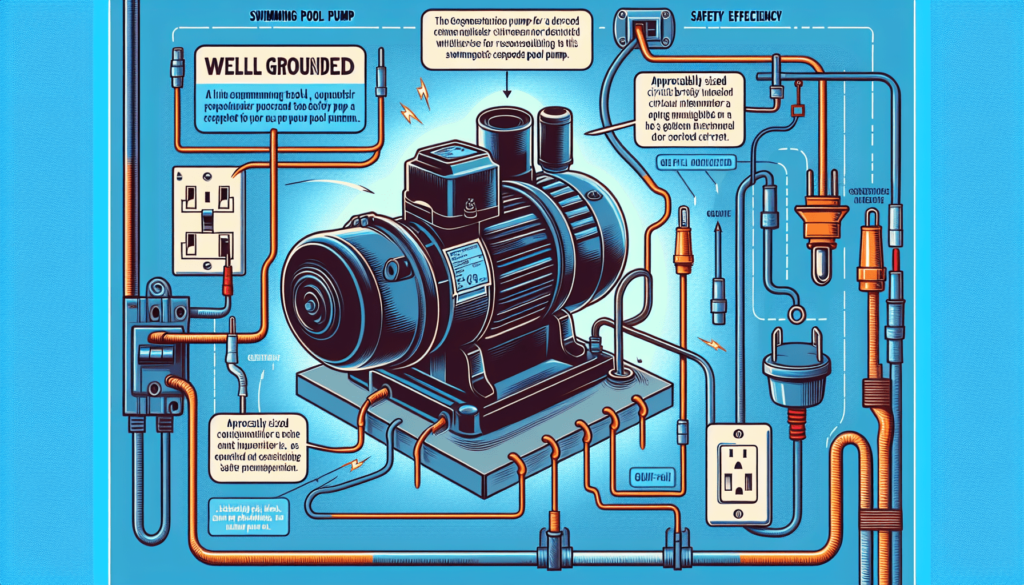
Grounding and bonding are essential for electrical safety and help prevent electrical shock and potential damage to electrical equipment. Grounding creates a pathway for electrical current to safely return to the ground in the event of a fault. Bonding ensures that all metallic components connected to the pool pump, such as metal pipes and pool equipment, are at the same electrical potential, reducing the risk of potential electric shock.
Grounding and bonding requirements
To satisfy grounding and bonding requirements, it is important to consult with a qualified electrician. They will assess the specific needs of your pool pump installation and ensure proper grounding and bonding is achieved. This may include the installation of grounding rods, bonding jumpers, or proper connections to the main electrical grounding system.
7. Electrical Permits and Codes
Obtaining necessary permits
Before installing a pool pump, it is important to check with your local authorities and obtain any necessary electrical permits. Electrical permits ensure that the installation adheres to the local electrical codes and regulations. Failing to obtain the necessary permits may result in fines or legal complications. Working with a qualified electrician helps ensure compliance with permits and codes.
Compliance with electrical codes
Electrical codes exist to ensure safety and proper installation practices. When installing a pool pump, it is important to comply with all applicable electrical codes. These codes may include requirements for GFCI protection, conduit installation, wiring methods, and more. By adhering to the electrical codes, you can ensure a safe and reliable pool pump installation that meets the necessary standards.
8. Overcurrent Protection
Selection and installation of overcurrent protection devices
Overcurrent protection devices, such as fuses or circuit breakers, help protect the electrical system from excessive current that can cause damage or fires. When installing a pool pump, it is important to select and install the appropriate overcurrent protection device. The device should have a current rating higher than the amp rating of the pool pump to ensure it can handle any potential current surges.
Protecting against electrical fires
Overcurrent protection devices play a crucial role in protecting against electrical fires. By interrupting the circuit when excessive current is detected, these devices prevent overheating and potential ignition of electrical components. Regularly inspecting and maintaining overcurrent protection devices is important to ensure they are in proper working condition and provide the necessary protection for your pool pump.
9. Safety Precautions
Checking for exposed wires
Regularly checking for exposed wires is an important safety precaution when it comes to your pool pump installation. Exposed wires can pose a significant risk of electrical shock or damage to the wiring system. Make sure to inspect the wiring periodically, looking for any signs of wear, damage, or exposure. If any issues are found, it is crucial to address them immediately by contacting a qualified electrician.
Regular maintenance and inspections
Routine maintenance and inspections are key to ensuring the safe and reliable operation of your pool pump. Regularly clean and inspect the pool pump motor and electrical components for any signs of wear, corrosion, or damage. It is also important to follow the manufacturer’s recommended maintenance schedule and consult with a qualified electrician for professional inspections. By prioritizing maintenance and inspections, you can identify and address any potential electrical issues before they become serious safety hazards.
10. Hiring a Professional
Benefits of professional installation
When it comes to installing a pool pump, hiring a professional electrician offers numerous benefits. Professionals have the expertise and knowledge to ensure a safe and compliant installation. They can assess your specific electrical system and requirements, provide accurate recommendations, and make sure the installation meets all local codes and regulations. Professional installation also reduces the risk of potential electrical issues and ensures the longevity and efficiency of your pool pump.
Finding a qualified electrician
Finding a qualified electrician for your pool pump installation is essential to ensure a successful and safe outcome. Start by researching and selecting electricians with experience in pool pump installations. Ask for referrals from friends, family, or neighbors who have had similar work done. Additionally, check for proper licensing, certifications, and insurance to verify the electrician’s qualifications. Request multiple quotes and compare the services offered to make an informed decision. Hiring a qualified electrician guarantees that your pool pump installation will be done correctly and in accordance with all safety requirements.