If you’re looking to upgrade your pool system, look no further than dual-speed pool pumps. Designed to maximize energy efficiency while still providing powerful performance, these pumps offer the perfect balance for maintaining a crystal clear pool. With the ability to switch between high and low speeds, you have greater control over your pool’s circulation and filtration, resulting in cleaner water and lower utility bills. Dive into the world of dual-speed pool pumps and experience the benefits for yourself.
1. What are Dual-Speed Pool Pumps?
1.1 Definition and Function
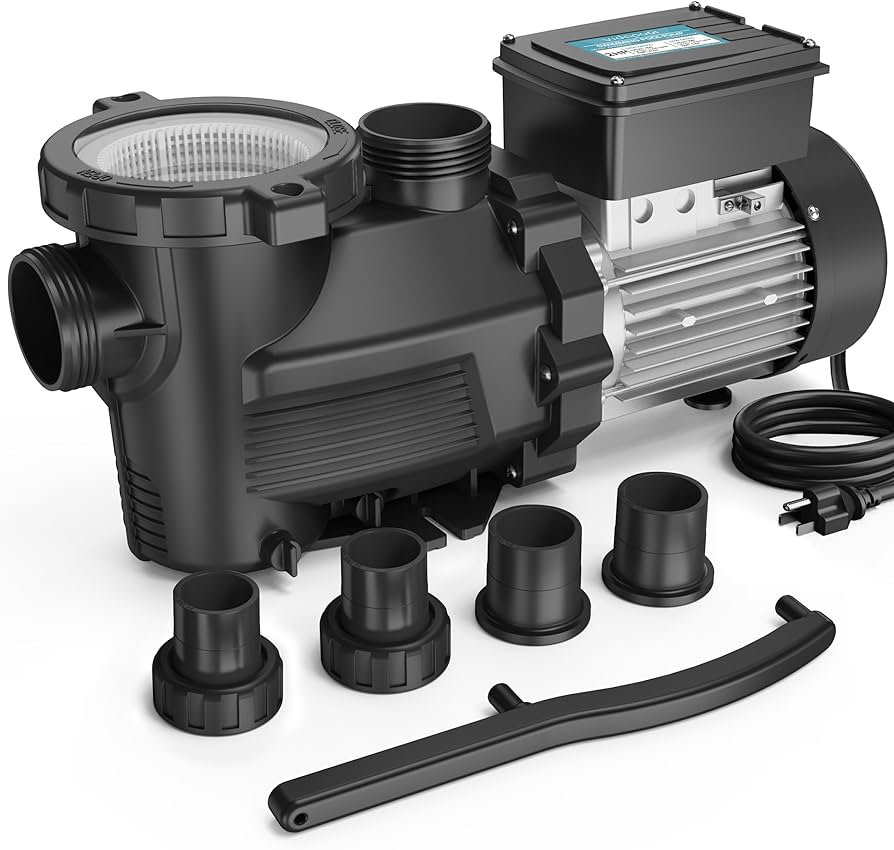
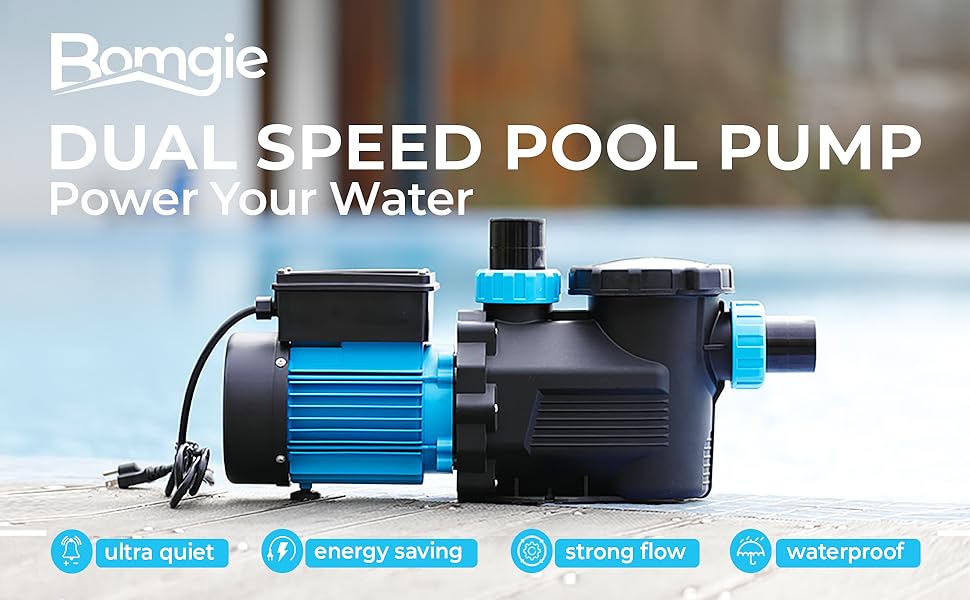
Dual-speed pool pumps are a type of pool pump that offer two speed settings: high speed and low speed. These pumps are specifically designed to provide increased energy efficiency and improved performance for pool owners. The high speed setting is typically used for tasks that require more power, such as cleaning the pool or running pool accessories, while the low speed setting is ideal for regular circulation and filtration.
1.2 Energy Efficiency Benefits
The main advantage of dual-speed pool pumps is their energy efficiency. By utilizing the low speed setting for everyday pool circulation and filtration, these pumps consume significantly less energy compared to traditional single-speed pumps. This means that pool owners can enjoy substantial energy savings and reduced electricity bills. In fact, dual-speed pool pumps can save up to 70% or more in energy costs, making them a smart investment for any pool owner looking to minimize their environmental impact.
2. How Dual-Speed Pool Pumps Work
2.1 Variable Speed vs. Dual-Speed Pumps
It’s important to understand the difference between variable-speed pumps and dual-speed pumps. While both types offer energy-efficient operation, variable-speed pumps provide even greater control over speed settings, allowing for precise customization to match specific pool needs. On the other hand, dual-speed pumps offer a simpler and more cost-effective solution by providing two fixed speed options. This makes them an ideal choice for pool owners who want to benefit from energy savings without the complexity of variable-speed pump programming.
2.2 Components and Operation
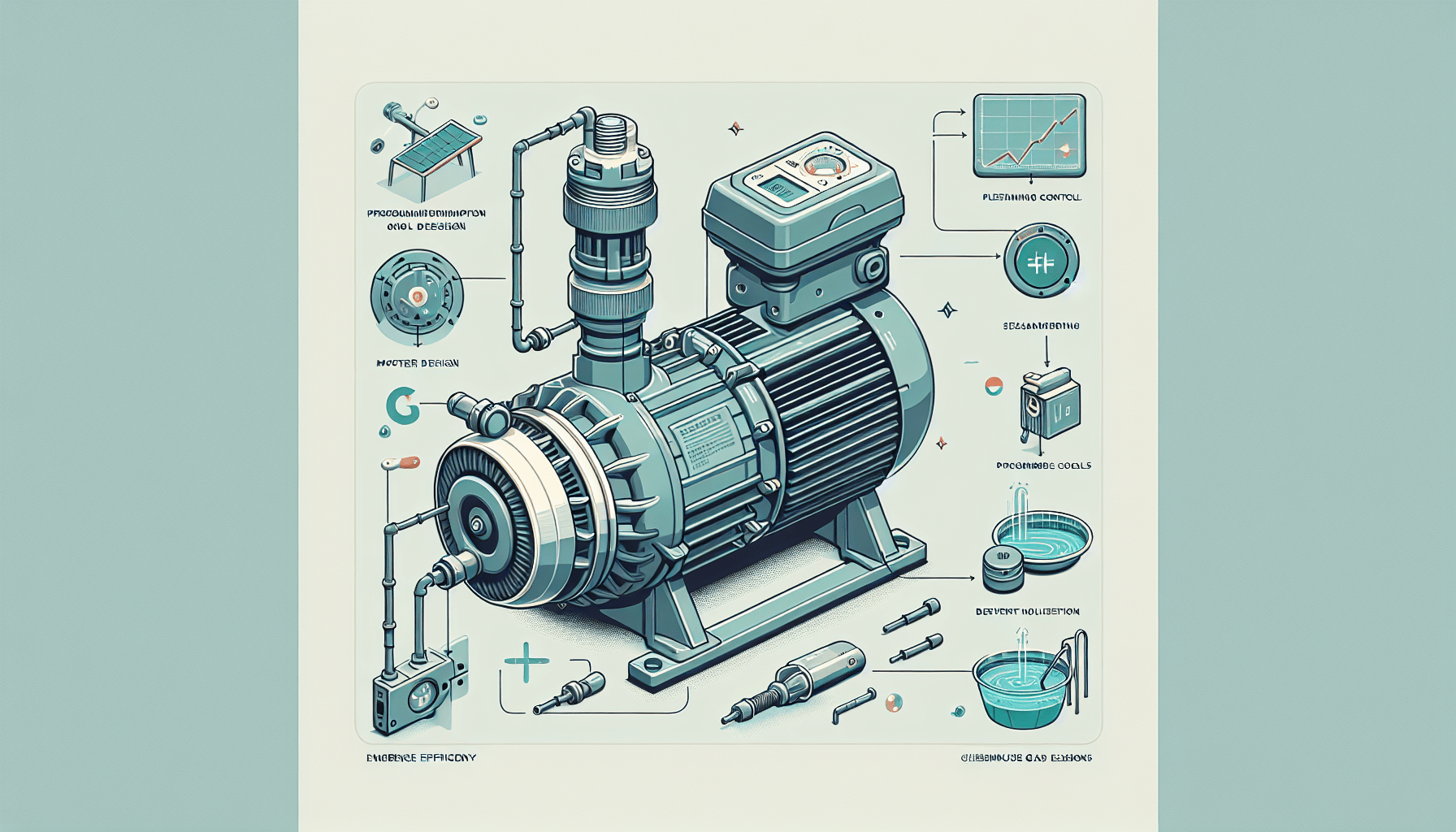
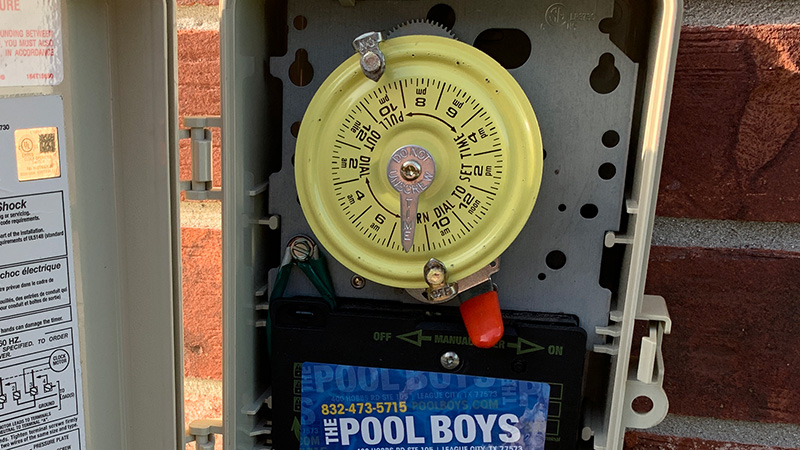
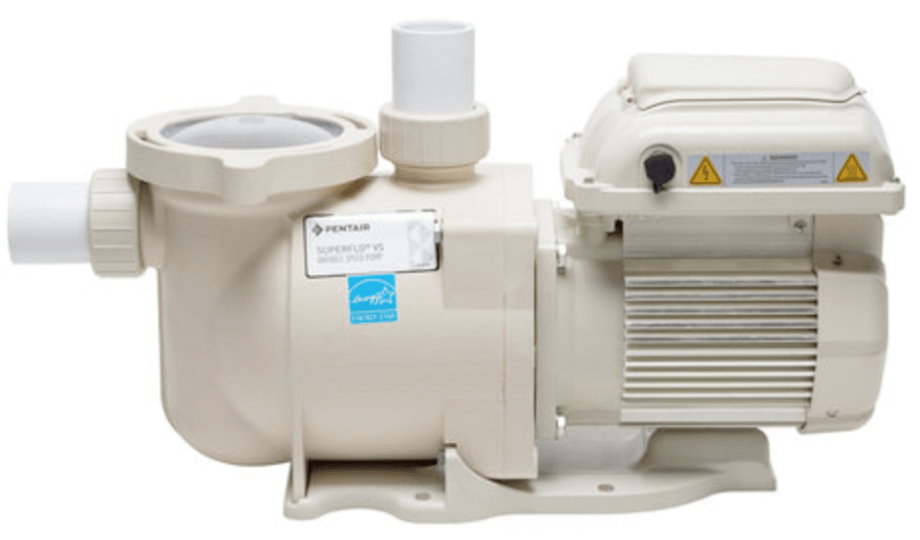
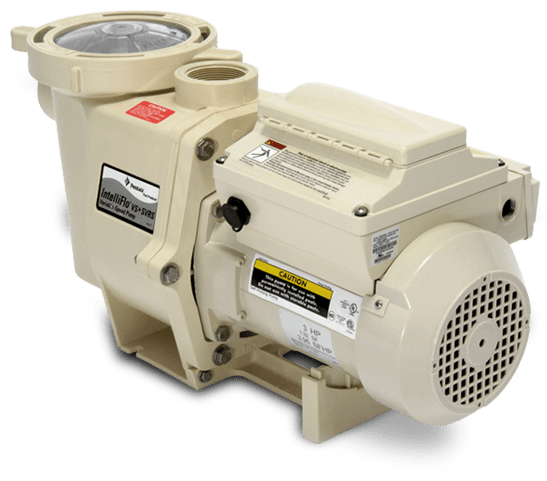
Dual-speed pool pumps consist of various components that work together to deliver efficient performance. These components typically include a motor, impeller, control panel, and programmable timer. The motor drives the impeller, which creates the necessary water flow. The control panel allows users to select the desired speed setting, and the programmable timer enables the pump to automatically switch between high and low speeds at designated times. This automated operation ensures optimal energy efficiency by adjusting the pump’s speed according to the pool’s needs.
3. The Advantages of Dual-Speed Pool Pumps
3.1 Energy Savings
One of the primary benefits of dual-speed pool pumps is the significant energy savings they offer. By operating at a lower speed for most of the time, these pumps consume less energy compared to single-speed pumps that continuously run at a high speed. This energy efficiency translates into cost savings for pool owners, as they can enjoy reduced electricity bills and a more environmentally-friendly pool operation.
3.2 Extended Equipment Lifespan
Dual-speed pool pumps also contribute to an extended lifespan of pool equipment. The lower operating speed reduces stress on various components, such as filters, heaters, and chlorinators, minimizing wear and tear. With less strain on the equipment, it is less prone to breakdowns and requires less frequent maintenance or replacement. This results in long-term cost savings and a more reliable pool system.
3.3 Reduced Noise Levels
Traditional single-speed pool pumps can be quite noisy, causing disturbances and potential annoyance for pool owners and nearby neighbors. In contrast, dual-speed pumps tend to operate at lower noise levels, particularly when running on the lower speed setting. This quieter operation provides a more pleasant pool environment and ensures a peaceful backyard experience for everyone.
4. Choosing the Right Dual-Speed Pool Pump
4.1 Pool Size and Usage
When selecting a dual-speed pool pump, it’s crucial to consider the size of your pool and your typical pool usage. Larger pools with more features, such as spas or waterfalls, may require a pump with a higher capacity to ensure efficient circulation and filtration. Additionally, if you frequently use pool accessories or have specific cleaning requirements, you may benefit from a more powerful pump. Understanding your pool’s needs will help you determine the appropriate dual-speed pump for optimal performance.
4.2 Manufacturer and Model Considerations
It’s essential to choose a reputable manufacturer and select a model that fits your specific requirements. Research different manufacturers and read customer reviews to ensure you’re investing in a reliable pump that will deliver on its promises. Additionally, consider factors such as warranty coverage, customer support, and available replacement parts. A well-known and trusted brand will give you peace of mind and confidence in your choice of dual-speed pool pump.
4.3 Installation and Maintenance Requirements
Before purchasing a dual-speed pool pump, consider the installation and maintenance requirements. Ensure that your pool’s plumbing system is compatible with the pump, as some modifications or additional equipment may be necessary. Understanding the installation process will help you decide whether you can handle it yourself or if you’ll need professional assistance. Additionally, familiarize yourself with the maintenance requirements of the pump, such as regular filter cleaning and motor maintenance, to ensure its longevity and optimal performance.
5. Common Concerns and Troubleshooting
5.1 Compatibility with Existing Pool Equipment
A common concern when considering a dual-speed pool pump is its compatibility with existing pool equipment. Before making a purchase, carefully review the specifications of both your current equipment and the pump you’re interested in. Ensure that the pump’s flow rate matches the requirements of your filters, heaters, and other accessories. If you’re unsure, consult with a pool professional who can guide you in selecting a pump that will work seamlessly with your existing setup.
5.2 Understanding Noise Levels
While dual-speed pool pumps are generally quieter than single-speed pumps, noise levels can still vary between different models and manufacturers. It’s important to understand the noise level ratings of the pump you’re considering and compare them to your desired level of quiet operation. Reading customer reviews and seeking recommendations can also provide valuable insights into the actual noise levels experienced by users. This will help you make an informed decision and select a pump that meets your noise preferences.
5.3 Diagnosing and Resolving Issues
Occasionally, dual-speed pool pumps may encounter issues or malfunctions. Common problems include low flow, motor failure, or timer malfunctions. If you experience any issues with your pump, refer to the manufacturer’s manual for troubleshooting guidance. Many common problems can be resolved with simple solutions, such as cleaning the filter or adjusting the timer settings. If the issue persists or if you’re unsure how to proceed, it’s best to contact a pool professional who can provide expert advice and assistance.
6. Frequently Asked Questions (FAQs)
6.1 What is the difference between a single-speed, dual-speed, and variable-speed pool pump?
A single-speed pool pump operates at a fixed high speed, while a dual-speed pump offers two fixed speed options: high speed and low speed. On the other hand, a variable-speed pump can be adjusted to a wide range of speeds, allowing for precise customization and energy savings. The main difference lies in the level of control and energy efficiency offered by each type of pump.
6.2 How much energy can I save with a dual-speed pool pump?
By utilizing the low speed setting for most of the time, dual-speed pool pumps can save up to 70% or more in energy costs compared to single-speed pumps. The exact amount of energy savings will depend on factors such as pump usage, pool size, and local electricity rates. Nevertheless, dual-speed pumps are a highly effective solution for those looking to reduce their energy consumption and lower their pool-related expenses.
6.3 Are dual-speed pool pumps more expensive than single-speed pumps?
Dual-speed pool pumps may initially have a higher upfront cost compared to single-speed pumps. However, the energy savings and extended equipment lifespan provided by dual-speed pumps can outweigh the initial investment over time. Additionally, it’s important to consider the long-term cost savings and environmental benefits associated with the energy-efficient operation of dual-speed pumps. Ultimately, the higher upfront cost is a worthwhile investment for those prioritizing energy efficiency and durability.
7. Conclusion
Dual-speed pool pumps offer an excellent solution for pool owners seeking to optimize energy efficiency, extend equipment lifespan, and reduce noise levels. With the ability to operate at both high and low speeds, these pumps provide significant energy savings, resulting in lower electricity bills and a smaller carbon footprint. By carefully considering pool size, usage, manufacturer reputation, and installation requirements, pool owners can choose the right dual-speed pump for their specific needs. Regular maintenance and troubleshooting, along with professional assistance when needed, will ensure the pump operates smoothly and efficiently. With the advantages of dual-speed pool pumps, it’s clear that they are a valuable addition to any pool system, providing a more cost-effective and environmentally-friendly solution for pool owners.